
Leaf Blower
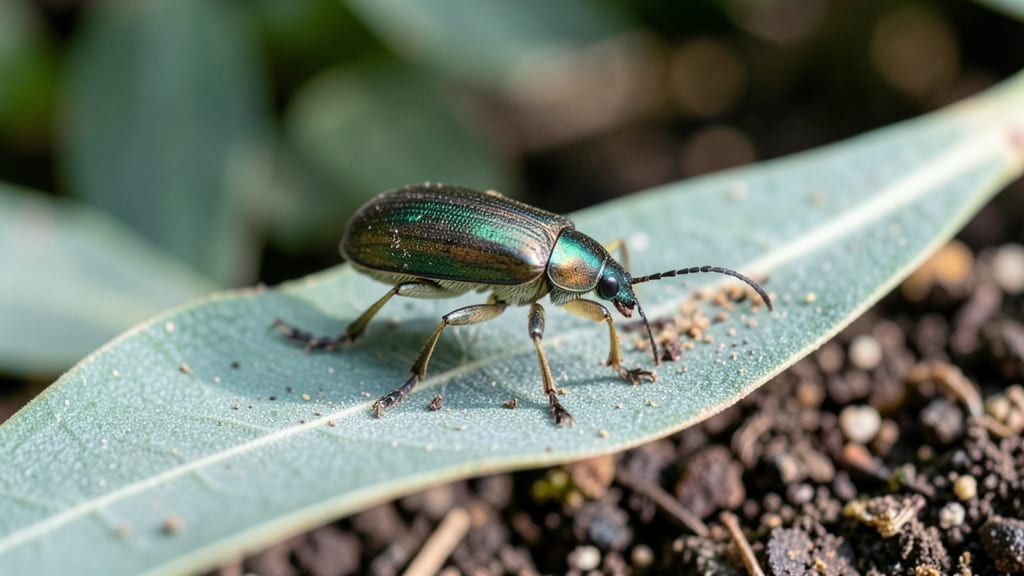
Eucalyptus leaf beetle control turns your trees into skeleton branches faster than you can say "organic spray." 🌿 I've seen entire trees stripped bare in weeks, but I've also saved trees using a simple, fast-acting spray that stops the damage within days—not months. The key is acting early. These beetles chew through leaves like they're at an all-you-can-eat buffet, and once they're established, they're nearly impossible to dislodge. But a fast-acting organic spray (neem oil, insecticidal soap, or kaolin clay) can disrupt their feeding cycle before they do permanent damage. You'll see the first signs of recovery within 3-5 days of treatment. What you'll end up with is a eucalyptus tree that stops looking like a deforestation site and starts growing fresh, green leaves again. The beetles lose their appetite, the tree regains its strength, and you avoid the heartbreak of watching your tree slowly die. This method works for both young saplings and mature trees, and it's safe enough to use even when kids or pets are around. Here's how to make it work for your trees.
Root Causes Of Beetle Outbreaks
Eucalyptus leaf beetles (Chrysomela scripta) don’t just appear out of nowhere—they thrive due to a mix of environmental, ecological, and even human-influenced factors. Understanding why these pests target your trees is the first step in stopping them before they strip your eucalyptus bare.
Let’s break down the key triggers behind their rapid spread and relentless feeding.
Eucalyptus trees are tough, but they’re not invincible. When their natural defenses are compromised, leaf beetles see them as an all-you-can-eat buffet. Here’s what makes your trees vulnerable:
- Stress from drought or poor soil: Eucalyptus trees under water stress produce less resin—a sticky, bitter compound that deters beetles. Dry conditions weaken their leaves, making them easier to chew.
- Nutrient deficiencies: Trees lacking nitrogen, phosphorus, or micronutrients grow slowly and produce thinner leaves—a beetle’s dream snack. Yellowing leaves or stunted growth are red flags.
- Physical damage (pruning, storms, or pests): Any wound or defoliation (even from other insects like psyllids) signals to beetles that the tree is already struggling, prompting a mass invasion.
Actionable fix: If your tree looks stressed, deep-water it and amend the soil with compost or a slow-release fertilizer. Healthy trees repel beetles naturally.
Leaf beetles are cold-blooded opportunists—they multiply like crazy when temperatures and humidity align with their preferences. Here’s what fuels their population explosion:
| Factor | Beetle’s Sweet Spot | Why It Matters |
|---|---|---|
| Temperature | 65–85°F (18–30°C) | Warmer temps speed up their metabolism, allowing them to eat faster, mate more, and lay eggs in just days. |
| Humidity | 50–70% | High humidity keeps their eggs from drying out, and moist leaves are easier to digest. |
| Rainfall | Moderate (not flooding) | Light rain washes away natural predators (like birds and parasitic wasps) while providing the perfect moisture for egg-laying. |
Actionable fix: If you’re in a hot, dry climate, beetles may still thrive—focus on organic sprays (like neem or kaolin clay) to disrupt their feeding cycle. In wet seasons, prune affected branches early to remove egg-laying sites.
In a balanced ecosystem, eucalyptus leaf beetles face a menu of hungry predators. But when these natural controls disappear, beetles take over. Here’s what tips the scales in their favor:
- Overuse of broad-spectrum pesticides: Chemicals like malathion or carbaryl kill beetles’ predators (birds, lacewings, and parasitic wasps) faster than the beetles themselves, creating a vacuum.
- Urban or agricultural landscapes: Fewer native birds and insects mean no checks on beetle populations. Monoculture plantings (like rows of eucalyptus) offer endless food with no breaks.
- Introduced species dominance: Beetles are not native to many regions—they outcompete local herbivores because they have no evolutionary predators to keep them in line.
Actionable fix: Encourage biodiversity by planting native flowers to attract predator insects, or install birdhouses to welcome insect-eating birds like starlings or wrens. Avoid chemical sprays that harm beneficial bugs.
Sometimes, we accidentally create the perfect beetle paradise. Here’s how everyday actions can turn your yard into a beetle buffet:
- Moving infested firewood or plants: Beetles hitchhike on wood chips, mulch, or even potted eucalyptus from nurseries or other properties.
- Ignoring early signs: A few chewed leaves might seem minor, but beetles reproduce exponentially. By the time you notice skeletonized branches, it’s often too late.
- Over-pruning in late summer: Beetles love fresh, tender new growth. Trimming too aggressively when temps are warm signals them to move in for the feast.
- Watering at night: Damp leaves at dusk attract beetles and their eggs, creating a moist, inviting environment.
Actionable fix: Inspect new plants before bringing them home, prune in early spring (not summer), and water in the morning to let foliage dry quickly.
Quick Fixes for Eucalyptus Leaf Beetle Damage
If your eucalyptus trees are under siege by Chrysomela scripta—the notorious eucalyptus leaf beetle—don’t panic. These pests may look intimidating, but with the right approach, you can stop their spread and restore your trees to health.
Below, we’ve mapped out practical solutions based on the root causes of infestation, from manual removal to organic sprays and long-term prevention. Let’s tackle this step by step!
When you catch the beetles early, a hands-on approach can save your trees from severe damage. Here’s how:
👨🍳 Handpick Adult Beetles (Best for Small Infestations)
- How to do it: Wear gloves and inspect leaves daily, especially in the morning when beetles are sluggish. Drop them into soapy water to kill them instantly.
- Pro tip: 💡 Focus on the undersides of leaves—beetles love to hide there.
- When to act: Ideal for <50 beetles per tree or when larvae (tiny orange grubs) are scarce.
🌿 Prune & Destroy Infested Foliage
- How to do it: Cut off heavily damaged leaves (where beetles lay eggs) and dispose of them in a sealed trash bag. Do not compost!
- Bonus: Prune in the early morning to avoid attracting more beetles with fresh sap.
🛡️ Use Physical Barriers (Preventative Measure)
- How to do it: Wrap young eucalyptus trees with fine mesh netting (like tulle or horticultural fabric) to block adult beetles from laying eggs.
- Pro tip: ✨ Secure the netting tightly—even a small gap can let beetles slip through.
For larger infestations, organic sprays are your best bet. These solutions disrupt the beetles’ life cycle without harming beneficial insects or the environment.
🔪 Neem Oil Spray (Disrupts Feeding & Egg-Laying)
- Recipe:
- 2 tbsp neem oil
- 1 tsp mild liquid soap (as an emulsifier)
- 1 quart water
- How to apply: Spray thoroughly on both sides of leaves every 7–10 days. Reapply after rain.
- Why it works: Neem oil coats leaves, making them unpalatable and interfering with beetle reproduction.
🌡️ Horticultural Oil or Mineral Oil (Smothers Larvae & Eggs)
- How to use: Apply a light coating of oil (follow label instructions) to leaves when beetles are in the larval stage (tiny orange grubs). Repeat every 5–7 days.
- Caution: 🌡️ Avoid spraying on hot days (above 90°F) to prevent leaf burn.
🎯 Kaolin Clay (Creates a Protective Barrier)
- How to use: Mix 1–2 tbsp kaolin clay with water and spray leaves. The clay forms a white, chalky film that repels beetles.
- Bonus: Also deters other pests like aphids and mites!
Break the beetle’s life cycle with these proactive strategies:
📊 Encourage Natural Predators
- Who helps? Birds (like starlings), parasitic wasps, and ground beetles feed on eucalyptus leaf beetles.
- How to attract them:
- Install birdhouses and bat boxes near your trees.
- Avoid pesticides that kill beneficial insects.
💪 Strengthen Tree Health
- How: Healthy trees resist pests better!
- Water deeply but infrequently to encourage deep roots.
- Fertilize with balanced, slow-release fertilizer (avoid nitrogen-heavy mixes).
- Mulch around the base to retain moisture and deter beetles.
⏰ Timing Matters: Target Life Stages
- Adult beetles: Active in spring and fall—spray neem oil during these times.
- Larvae: Appear in late spring/early summer—use horticultural oil then.
- Eggs: Laid on leaf undersides—inspect weekly and remove infested leaves.
With these practical, organic methods, you can reclaim your eucalyptus trees without resorting to harsh chemicals. Start with manual removal for small issues, then graduate to sprays and prevention for lasting protection. Your trees—and your sanity—will thank you!
Frequently asked questions
How do I know if my eucalyptus tree has a leaf beetle infestation?
Look for skeletonized leaves (where only the leaf veins remain) and tiny orange larvae or black beetles on the undersides of leaves. You’ll also see black frass (feces) on leaves and branches. Check for these signs in spring and summer when beetles are most active.
Can I use neem oil if I have pets or children around?
Yes, neem oil is pet-safe once dry, but keep pets and kids away while spraying. The key is to apply it in the early morning so it has time to dry before anyone comes into contact with the leaves. Always test a small area first to ensure no sensitivity.
Why do beetles keep coming back even after I've treated my tree?
Beetles often return because their life cycle is fast (3-4 weeks) and eggs may still be hidden on leaves. To break the cycle, prune and remove all infested foliage (even if it looks treated) and apply sprays every 7-10 days during active seasons. Focus on undersides of leaves where eggs hide.
Is it too late to save my tree if it's already mostly defoliated?
Not necessarily! While severe defoliation stresses trees, eucalyptus are resilient. Prune back to healthy growth immediately, apply kaolin clay to protect remaining leaves, and fertilize with phosphorus-rich compost to help recovery. New growth should appear within 4-6 weeks if the root system is intact.
What's the best time of day to spray for eucalyptus leaf beetles?
Spray in the early morning (before 9 AM) when beetles are sluggish and temperatures are cooler. This gives the spray time to dry and reduces risk of leaf burn. Avoid spraying when temps exceed 90°F—oil-based sprays can scorch leaves in direct sunlight.