
Diseases
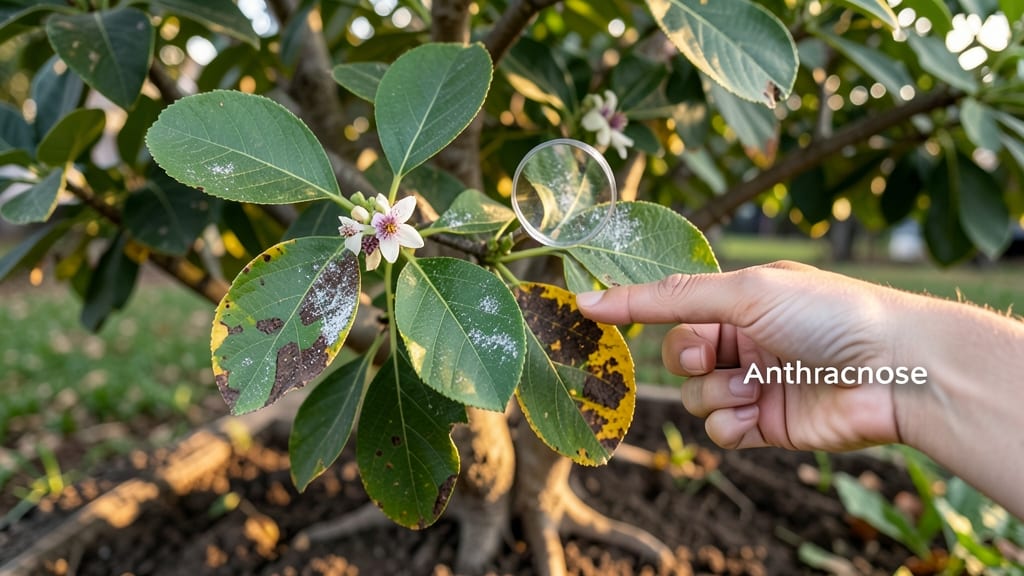
Feijoa leaf diseases turn your lush, glossy foliage into a sad, spotted mess—🌿 and I’ve seen every type of leaf disaster these trees can throw at you. The good news? Most issues are fixable with the right ID and organic fixes, before the problem spreads to fruit or roots.
My feijoa once looked like a crime scene after a fungal outbreak, but I brought it back to full health with just a few targeted steps.
Start by checking the spots: are they yellow, brown, or black? Do they have fuzzy edges (fungal) or water-soaked centers (bacterial)? Nutrient deficiencies show up as crispy edges or pale patches, while environmental stress—like sudden heat or wind—leaves leaves curled or scorched.
Grab a magnifying glass and compare what you see to the common culprits: anthracnose, bacterial leaf spot, or even mites hiding on the undersides.
Once you’ve ID’d the problem, the cure is often simpler than you’d think. For fungal spots, a baking soda spray (1 tsp baking soda + 1 quart water + a drop of dish soap) stops the spread in its tracks.
Bacterial issues need copper fungicide (organic versions work), and nutrient deficiencies? A balanced fertilizer with micronutrients does the trick. Prune affected leaves immediately to prevent further damage.
Prevention is where the real magic happens—mulch your feijoa, space plants for airflow, and water at the base (not overhead) to keep leaves dry. If the problem keeps coming back or spreads to the fruit, it’s time to call in a local arborist.
Trust me, catching it early saves your harvest—and your sanity.
Root Causes Behind Leaf Troubles
Feijoa trees (Acca sellowiana) are prized for their fragrant flowers and sweet fruit, but their leaves can fall victim to a variety of diseases—often due to underlying environmental or biological stressors.
Understanding why these issues arise is the first step to prevention and treatment. Below, we break down the key factors that trigger leaf diseases in feijoa trees, from fungal infections to environmental mismatches.
Fungi are the most common culprits behind feijoa leaf diseases. These microscopic organisms thrive in warm, humid conditions and exploit weak spots in the plant’s defenses. Here’s how they gain a foothold:
🌡️ Overly Wet or Humid Conditions
Feijoa leaves are particularly vulnerable when moisture lingers on their surfaces for extended periods. Fungal spores—like those causing anthracnose or powdery mildew—land on leaves and germinate in damp environments.
Poor air circulation (e.g., dense foliage or overcrowded plantings) traps humidity, creating the perfect breeding ground. Actionable fix: Space trees 8–10 feet apart and prune for airflow.
🍃 Weakened Plant Immunity
Stressed feijoa trees—due to nutrient deficiencies, drought, or physical damage—have weakened cell walls, making them easy targets for fungal invasion.
For example, Phytophthora root rot can spread to leaves if roots are waterlogged, while Botrytis (gray mold) thrives on senescing or injured tissue. Actionable fix: Maintain balanced soil pH (6.0–7.0) and avoid over-fertilizing with nitrogen, which promotes soft, susceptible growth.
🌱 Poor Sanitation Practices
Fungal spores persist in garden debris, tools, or infected plant material. If pruned leaves or fallen fruit aren’t removed, spores can reinfect the tree year after year. Actionable fix: Sterilize pruners with 70% isopropyl alcohol and compost diseased material away from the feijoa tree.
Unlike fungi, bacteria multiply quickly in water droplets, often hitching rides on wind, rain, or contaminated tools. Feijoa leaf spots caused by Xanthomonas or Pseudomonas appear as greasy, water-soaked lesions that expand rapidly. Here’s how bacteria exploit the tree:
💦 Splashing Water During Rain
Heavy rainfall or overhead irrigation splashes bacteria from soil or infected leaves onto healthy foliage. Wounds from hail, insects, or pruning provide entry points. Actionable fix: Use drip irrigation and avoid watering leaves; remove infected leaves promptly.
🐜 Insect Damage Opens Doors
Sap-sucking pests like thrips or mites create tiny wounds that bacteria can invade. For instance, Pseudomonas syringae often follows insect feeding to cause bacterial leaf spot. Actionable fix: Monitor for pests and treat infestations with neem oil or insecticidal soap.
Not all leaf issues stem from pathogens—sometimes, the tree’s own environment pushes it over the edge. These abiotic factors mimic disease symptoms but require different solutions:
☀️ Extreme Heat or Sunburn
Feijoa leaves can develop brown, crispy edges or bleached patches when exposed to intense sunlight, especially after transplanting or during drought. Actionable fix: Provide afternoon shade for young trees and mulch to retain soil moisture.
❄️ Cold or Frost Damage
Sudden temperature drops below 20°F can cause leaf blackening or curling, mimicking fungal diseases. Feijoa trees are semi-tropical and struggle in prolonged cold. Actionable fix: Plant in microclimates sheltered from frost or use frost cloth in winter.
🌱 Nutrient Imbalances
Yellowing between leaf veins (chlorosis) often signals iron or manganese deficiency, while purple stems indicate phosphorus stress. Weakened trees are more susceptible to secondary infections. Actionable fix: Test soil and amend with chelated iron or composted manure as needed.
Pro Tip: 💡 Always confirm the cause before treating—fungal diseases need fungicides, while environmental stress requires cultural fixes. Start with a magnifying glass to inspect lesions (e.g., powdery mildew leaves a white residue, while bacterial spots ooze). When in doubt, consult a local agricultural extension service for diagnostics!
Fixing Feijoa Leaf Troubles Naturally
Feijoa trees are resilient, but when leaf diseases strike, quick action keeps them thriving. Below are targeted, organic solutions for common issues—from fungal spots to bacterial blights—plus prevention tips to keep your tree healthy long-term.
Fungal diseases like anthracnose or leaf spot thrive in damp conditions. Here’s how to tackle them:
🔥 Step 1: Prune and Remove Infected Foliage
- 👨🍳 Cut out yellowed, spotted, or crinkled leaves immediately—don’t compost them! Toss them in the trash or burn them to prevent spores from spreading.
- ⏰ Best time: Do this on a dry, sunny morning when humidity is low.
🍳 Step 2: Apply a Fungicide Spray (Organic Options)
Mix one of these in a 1-gallon sprayer and coat both sides of leaves:
- Neem oil spray: 1 tbsp neem oil + 1 tsp mild soap + 1 quart water. Reapply every 7–10 days.
- Baking soda solution: 1 tbsp baking soda + 1 tsp horticultural oil + 1 quart water. Test on a small leaf first!
- Copper fungicide (organic): Follow label instructions for concentration.
🌡️ Step 3: Improve Airflow and Drainage
- ✨ Thin out branches to allow sunlight and air to circulate.
- 💡 Raise the soil level slightly around the base (mound soil) to prevent waterlogging.
🔥 Prevention Tip: Water at the base only (avoid wetting leaves) and mulch with straw to reduce soil splashes.
Bacterial leaf blight causes dark, water-soaked spots that ooze when wet. Act fast!
🔪 Step 1: Sterilize Pruning Tools
- 🔪 Wipe tools with 70% rubbing alcohol between cuts to avoid cross-contamination.
🥘 Step 2: Use a Copper-Based Bactericide
- Spray with a copper fungicide (like Copper Soap) every 10–14 days until new growth appears.
- ⚠️ Avoid spraying when rain is forecasted—it washes off quickly.
🎯 Step 3: Boost Tree Immunity
- 💪 Feed with compost tea or a balanced organic fertilizer (like fish emulsion) to strengthen defenses.
- ✨ Avoid overhead watering—use a drip irrigation system instead.
💡 Pro Tip: If blight is severe, remove heavily infected branches (up to 1/3 of the tree if needed) to save the rest.
White, powdery patches? Powdery mildew loves feijoas but hates sulfur and airflow.
🧼 Step 1: Gently Wipe Leaves
- 🧼 Dampen a soft cloth with 1 tsp baking soda + 1 quart water and wipe affected areas.
- ⏰ Do this in the morning so leaves dry quickly.
🛡️ Step 2: Spray a Preventive Mix
- 🍯 Honey + water spray: 1 tbsp raw honey + 1 quart water. Fungi hate this!
- 🌿 Sulfur dust: Lightly dust leaves (follow package rates) for a natural fungicide.
🌿 Step 3: Adjust Growing Conditions
- 🌡️ Move the tree to a sunnier spot (mildew thrives in shade).
- 💡 Prune for airflow—aim for open, airy branches.
✨ Prevention Tip: Space plants 3–4 feet apart to reduce humidity buildup.
If 50%+ of leaves are damaged:
- 🌳 Trim back to healthy wood (sterilize tools!).
- 💧 Reduce watering temporarily to dry out the soil.
- 🍄 Apply a strong fungicide (like Serenade Garden) every 5 days for 2 weeks.
- 🌱 Monitor new growth—if it’s clean, the tree is recovering!
✅ Inspect leaves weekly for early signs (reverse side of leaves is a hotspot!). ✅ Avoid wetting foliage—water at the base in the early morning. ✅ Mulch with straw or wood chips (keep 2–3 inches away from the trunk). ✅ Rotate organic sprays to prevent resistance (e.g., neem one week, copper the next). ✅ Plant companion crops like marigolds (they repel pests and improve soil health).
💡 Final Thought: Most feijoa leaf diseases are preventable with good airflow, proper watering, and early intervention. Once you spot a problem, act within 48 hours for the best results! 🌿🔥
Frequently asked questions
How can I tell if my feijoa leaves have a fungal disease vs. bacterial infection?
Fungal diseases like anthracnose or powdery mildew show up as dry, crusty spots with fuzzy edges or white powder. Bacterial spots, however, appear greasy and water-soaked, often with yellow halos around them. Use a magnifying glass to check for fungal spores (tiny black dots) or bacterial ooze (clear liquid) when leaves are wet.
Can I use household items like baking soda to treat feijoa leaf diseases?
Yes! A baking soda spray (1 tsp baking soda + 1 quart water + a drop of dish soap) works well for early-stage fungal issues. For bacterial spots, try a copper fungicide (organic versions are safe). Always test sprays on a small leaf first to avoid burning tender foliage. Reapply every 7–10 days until symptoms improve.
Why do my feijoa leaves turn yellow even when I'm watering regularly?
Yellowing leaves often signal nutrient deficiencies (like iron or manganese) or overwatering. Check the soil—if it’s soggy, reduce watering. For deficiencies, amend with chelated iron or composted manure. Also, ensure the tree gets 6+ hours of sunlight daily, as poor light weakens leaves.
Is it safe to prune diseased leaves without gloves?
Wear gloves when pruning diseased leaves to avoid skin irritation from fungal spores or bacterial ooze. Sterilize your tools with 70% rubbing alcohol before and after each cut to prevent spreading pathogens. Dispose of infected leaves in the trash (not compost) to stop spore cycles.
How long does it take to see improvement after treating feijoa leaf diseases?
With early treatment, you may see new growth within 2–3 weeks. Severe cases (like 50%+ leaf damage) could take 6–8 weeks to recover. Consistency is key—keep pruning infected leaves and reapplying sprays as directed. If no improvement after 4 weeks, consult a local arborist for advanced diagnostics.