
Container Gardens
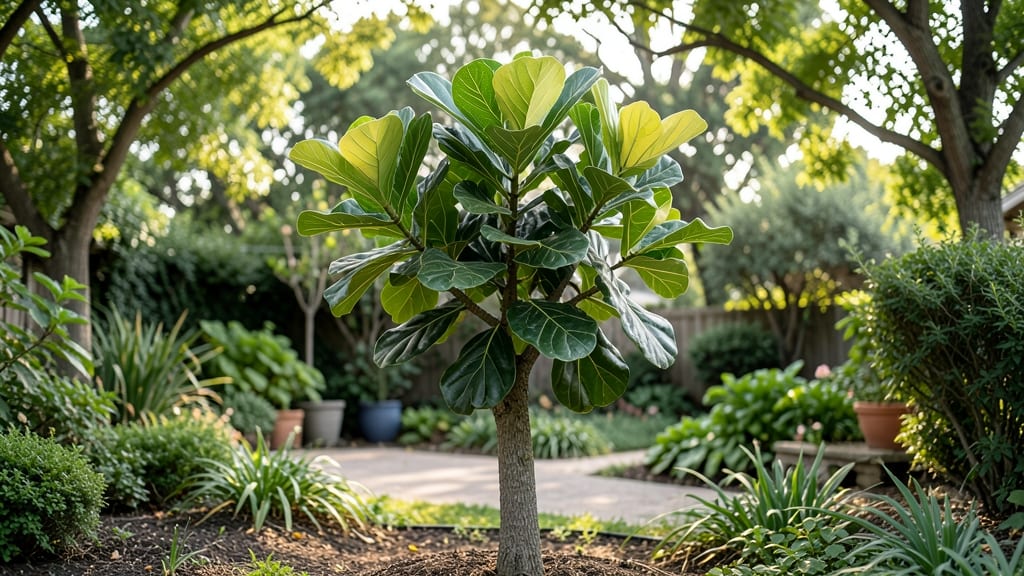
Your fiddle leaf fig for indoors could be the statement plant that transforms your space—if you nail just three things: light, water, and patience. 🌿 I’ve nursed more than my share of crispy brown leaves and sad, leggy stems, but these days, my 6-foot-tall Ficus lyrata thrives in my living room, thanks to a few simple adjustments that mimic its tropical roots.
The secret isn’t complicated: bright, indirect light (think east-facing windows or a grow light 12 inches away), watering only when the top 2 inches of soil are dry, and a pebble tray under the pot to boost humidity without fuss.
Most people overwater—I did for months—and that’s when the leaves start dropping like it’s autumn. A moisture meter solves guesswork, but even sticking your finger in the soil works.
By summer’s end, you’ll have glossy, deep-green leaves reaching for the ceiling, and the plant will start sending out new growth from the stem—proof it’s happy. The best part?
It’s forgiving once you get the rhythm: even if you forget a watering, it’ll bounce back faster than most houseplants. No greenhouse, no problem.
Works in apartments, offices, or sunrooms—just avoid drafts and sudden temperature swings. Here’s how to keep it thriving year-round without the stress.
📚 In This Guide
- What you need
- Instructions
- Tips and common mistakes
- Wrapping up and next steps
What you need
- ● Fiddle Leaf Fig Plant: 1 healthy specimen (check for vibrant leaves and no brown spots!)
- ● Well-Draining Pot: 1 container with drainage holes (12–16" diameter for mature plants; smaller for young ones)
- ● High-Quality Potting Mix: 1 bag of well-draining soil (look for blends labeled for tropical plants or ficus)
- ● Watering Can: 1 with a narrow spout (to avoid disturbing the soil)
- ○ Humidity Tray or Pebbles: 1 (optional but helpful for dry climates)
- ● Fertilizer: 1 balanced, water-soluble fertilizer (e.g., 10-10-10 or 20-20-20)
- ● Pruning Shears: 1 pair (for trimming dead leaves or shaping)
- ● Spray Bottle: 1 (for misting leaves if humidity is low)
- ○ Moisture Meter: 1 (optional but handy for tracking soil dampness)
- ● Plant Saucer: 1 (to catch excess water)
- ● Grow Lights: 1–2 (if natural light is limited; LED or fluorescent bulbs work best)
Step-by-step instructions for caring for a fiddle leaf fig indoors
Here's how to keep your fiddle leaf fig thriving with minimal fuss—just a few key habits make all the difference.
🪴 Step 1: Choose the Right Spot for Consistent Light
Fiddle leaf figs crave bright, indirect light—think east or north-facing windows where sunlight filters through sheer curtains. Avoid harsh afternoon sun, which scorches leaves with crispy brown edges. If your space lacks natural light, supplement with a grow light positioned 12-18 inches away for 12-14 hours daily.
Rotate the plant quarter-turn weekly to prevent lopsided growth. You'll notice new leaves emerging on all sides when light exposure is even. If leaves yellow or drop, it's a cry for more light—move it closer or upgrade to a brighter bulb.
💧 Step 2: Master the Watering Routine
Water only when the top 2-3 inches of soil feel dry to the touch. Stick your finger in—if it comes out clean, it's time. Overwatering is the #1 killer, causing root rot and yellowing leaves. Use room-temperature water to avoid shocking the roots, and pour slowly until water drains freely from the bottom.
Empty the saucer after 15 minutes to prevent soggy roots. I like to water in the morning so excess moisture evaporates before evening. During winter, reduce watering to every 3-4 weeks—growth slows dramatically in cooler months.
☀️ Step 3: Maintain Ideal Temperature and Humidity
Keep your fiddle leaf fig in 65-75°F temperatures—drafty windows or AC vents will stress it. Avoid placing it near heating vents or cold drafts, which cause leaf drop. A humidifier or pebble tray with water underneath keeps humidity at 40-50%—critical for preventing brown leaf tips.
Mist the leaves 2-3 times weekly with distilled water to replicate tropical conditions. Wipe dust from leaves monthly with a damp cloth—blocked stomata prevent proper gas exchange. If you notice crispy edges, increase humidity immediately.
✂️ Step 4: Prune and Encourage Full Growth
Prune only to remove yellow or damaged leaves—never for shape. Use sterilized scissors to cut just above a leaf node, where new growth emerges. Never trim more than 1/3 of the plant at once, or you'll shock it into dormancy.
Fertilize monthly during spring/summer with a balanced liquid fertilizer (diluted to half-strength). Stop fertilizing in fall/winter—overfeeding causes salt buildup that burns roots. You'll see vibrant new leaves within 4-6 weeks of consistent feeding.
🌿 Step 5: Repot Every 2-3 Years
Repot in spring when roots circle the pot. Choose a container 2 inches wider with drainage holes, and use well-draining soil mixed with perlite. Tap the root ball gently to loosen compacted soil—this encourages outward growth.
Water thoroughly after repotting, then place in bright light but avoid fertilizing for 6 weeks. Roots need time to adjust to their new home. If you notice wilting, it's a sign the plant needs more time to establish.
Tips & tricks for perfect fiddle leaf fig care
Between us, these small adjustments can transform your fiddle leaf fig from struggling survivor to thriving centerpiece.
Lighting Strategy: That 12-14 hour daily light requirement isn't arbitrary—it mimics the plant's natural tropical sunlight patterns. I've found positioning mine 18 inches from a south-facing window (with sheer curtains) gives perfect indirect light. For offices or dim spaces, a full-spectrum LED grow light on a timer solves the problem completely. The key is consistency—move it only when necessary, and watch how leaves respond to light direction.
Watering Precision: The 15-minute saucer drain time is critical—this prevents root suffocation. I've learned to use a moisture meter ($15 at garden centers) for absolute accuracy, especially in winter when watering needs drop to every 3-4 weeks. Pro tip: Use a spray bottle to mist the soil surface before watering—this helps distribute moisture evenly without oversaturating.
Humidity Hacks: That 40-50% humidity target feels impossible in dry climates, but I've had success with a pebble tray (fill a shallow tray with pebbles and water, place pot on top) combined with a humidifier near the plant. For quick fixes, group your fiddle leaf fig with other houseplants—their combined transpiration creates a microclimate. And always use distilled water for misting to avoid mineral buildup on leaves.
Fertilizer Timing: The 4-6 week window for new leaf growth after fertilizing is real—don't rush it! I've made the mistake of fertilizing in fall when growth naturally slows, and it caused salt buildup that burned the roots. Always dilute that liquid fertilizer to half-strength, and flush the soil with water every 3 months to prevent accumulation.
Pro Tips for Fiddle Leaf Fig For Indoors
- Between us, these small adjustments can transform your fiddle leaf fig from struggling survivor to thriving centerpiece.
- Lighting Strategy: That 12-14 hour daily light requirement isn't arbitrary—it mimics the plant's natural tropical sunlight patterns.
- Watering Precision: The 15-minute saucer drain time is critical—this prevents root suffocation.
Frequently asked questions
Got questions about keeping your fiddle leaf fig thriving indoors?
You’re not alone! Here are answers to the most common concerns—so you can enjoy that lush, leafy glow without the stress.
How often should I water my fiddle leaf fig?
Water your fiddle leaf fig when the top 1-2 inches of soil feel dry—usually every 1-2 weeks, depending on humidity and light. Overwatering is the #1 killer, so always check moisture with your finger before reaching for the watering can. Pro tip: Use a pot with drainage holes to prevent soggy roots!
Why are my fiddle leaf fig leaves dropping?
Leaf drop is often a stress signal—common triggers include overwatering, underwatering, drafts, or sudden temperature changes. Check for crispy edges (underwatered) or yellowing leaves (overwatered). Move your plant to a stable, warm spot (65–75°F) away from vents or AC units. Patience helps—new growth will return once conditions stabilize!
Can I prune my fiddle leaf fig, and how?
Yes! Prune to shape the plant, encourage bushiness, or remove dead leaves. Use clean, sharp scissors to cut just above a leaf node (where leaves grow). Wipe the cut with rubbing alcohol to prevent disease. Never prune more than 1/3 of the plant at once—this can shock it. Repurpose cuttings for propagation!
How much light does a fiddle leaf fig need?
Bright, indirect light is ideal—think east or north-facing windows. Avoid harsh direct sun (like south-facing windows), which can scorch leaves. If leaves turn pale or stretched, it’s not getting enough light. A grow light works in low-light spots, but natural light is best for happy growth.
What’s the best way to clean fiddle leaf fig leaves?
Dusty leaves block light and attract pests. Gently wipe leaves with a damp microfiber cloth or sponge every 2–4 weeks. For tough grime, mix 1 tsp mild dish soap in 1 gallon of water, spray lightly, and wipe dry. Avoid harsh chemicals—they can damage the leaves!
Can I move my fiddle leaf fig often?
Fiddle leaf figs hate sudden changes, so limit moves to every 1-2 months (e.g., rotating for even light exposure). If you must relocate it, do so gradually over a week. Watch for leaf drop—this means it’s stressed. Consistency is key for a happy plant!
Wrapping up and next steps
Your fiddle leaf fig is now ready to thrive indoors—adding a touch of lush elegance to your space with minimal fuss! 🌿✨ Remember, the key is patience, consistency, and a little love (plus the right light, water, and soil).
Watch as its vibrant leaves grow fuller and brighter over time—it’s a rewarding journey for any plant parent.
Ready to take the next step? Browse our plant care toolkit for extra tips, or share your fiddle leaf fig’s progress with the plant community! 📸💚 Your green thumb is growing stronger every day—keep it up!