
Planting
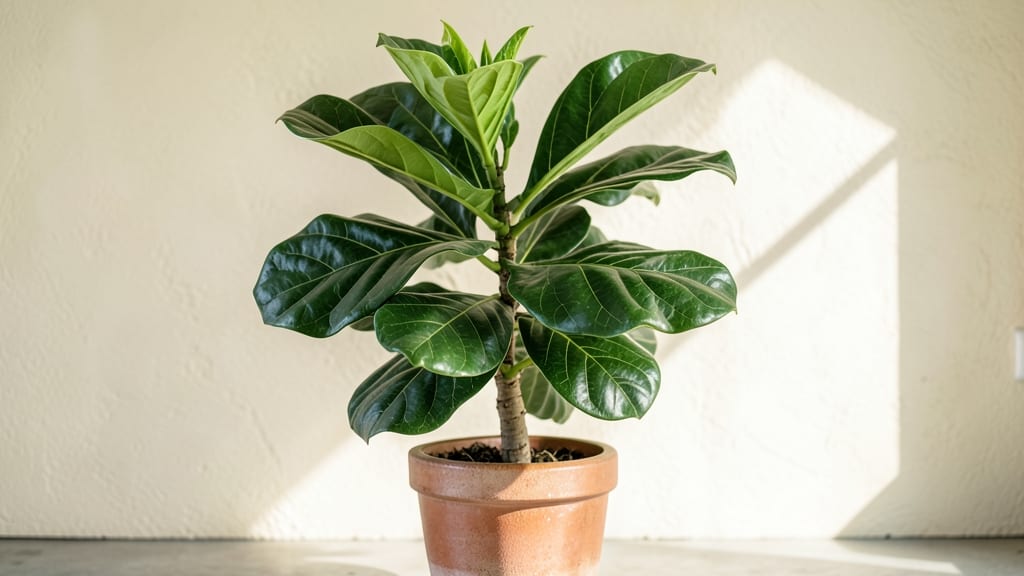
A fiddle leaf fig plant can live indoors with the right care—even in less-than-ideal lighting. 🌿 I’ve nursed more than my share of struggling fiddle leaf figs back to health, and the secret lies in mimicking its tropical home with simple adjustments. The key is bright, indirect light—think east-facing windows or a few feet from a south window. Water only when the top inch of soil feels dry, and use a well-draining potting mix to prevent root rot. Humidity is crucial, so mist the leaves regularly or place a pebble tray under the pot. With these tweaks, you’ll see new growth within weeks, and those iconic glossy leaves will stay vibrant all year. The plant will reward you with lush, dramatic foliage that’s the envy of every indoor garden. Troubleshooting is easy once you know the signs: yellow leaves mean overwatering, brown tips mean low humidity, and drooping means thirst. Adjust one thing at a time, and you’ll keep this tropical beauty thriving for years.
📚 In This Guide
- What you need
- Instructions
- Tips and common mistakes
- Wrapping up and next steps
What you need
- ● Fiddle Leaf Fig Plant: 1 healthy specimen (check for yellow leaves or pests before purchasing).
- ● Well-Draining Pot: Size: 1–2 inches larger in diameter than the plant’s root ball (e.g., 10–12 inches for a mature plant).
- ● Material: Terracotta (breathable) or ceramic (with drainage holes).
- ● High-Quality Potting Mix: 1 bag (5–10 quarts) of a well-draining mix like: 50% peat moss or coconut coir,
- ● 30% perlite or pumice,
- ● 20% orchid bark or compost.
- ● Avoid garden soil—it’s too dense and retains too much moisture!
- ● Drainage Layer: 1–2 inches of gravel, lava rocks, or perlite (placed at the pot’s bottom).
- ● Watering Can: 1 with a narrow spout to avoid overwatering.
- ○ Humidity Tray (Optional but Helpful): 1 shallow tray + pebbles + water (to boost humidity in dry climates).
- ● Light: Bright, indirect light (e.g., 6+ hours near an east or north-facing window). No direct sun!
- ● Temperature: Keep between 65–75°F (18–24°C)—avoid drafts or AC vents.
- ● Patience: Fiddle leaf figs are slow growers but thrive with consistency!
Step-by-Step instructions for reviving and caring for a live fiddle leaf fig
Here's how I nurse a struggling fiddle leaf fig back to health—no fancy equipment, just patience and the right moves.
💧 Step 1: Check and Adjust the Watering Routine
Fiddle leaf figs hate soggy roots, so I always start by testing the soil. Stick your finger 2-3 inches deep—if it feels damp, wait. Only water when the top 1-2 inches feel completely dry. I use room-temperature water and pour slowly until it drains from the bottom, then empty the saucer immediately to prevent root rot.
Overwatering is the #1 killer, so I've learned to water less frequently but more thoroughly. If your plant's leaves are drooping or yellowing, it's likely thirsty—but if the soil feels wet, hold off. A good rule: if you're unsure, wait another day. Your fiddle leaf fig will thank you with glossy, vibrant leaves.
☀️ Step 2: Optimize Light Exposure Without Scorching Leaves
Fiddle leaf figs thrive in bright, indirect light—think near an east or north-facing window. If your plant has lost leaves or looks pale, it's probably not getting enough light. I rotate my plant every few weeks so all sides grow evenly. Direct midday sun will scorch those delicate leaves, so avoid south-facing windows unless you're using a sheer curtain.
Watch for these signs: If new growth is small and leggy, it needs more light. If leaves develop brown crispy edges, it's getting too much direct sun. Adjust placement gradually—don't move it from a dark corner to full sun overnight. A grow light works well if natural light is limited, keeping it 6-12 inches away for 12-14 hours daily.
🌿 Step 3: Dust Leaves and Encourage New Growth
Dust blocks light absorption, so I clean my fiddle leaf fig's leaves every 2-3 weeks with a damp microfiber cloth. Wipe gently in the direction of the leaf veins to avoid damaging the delicate surface. I do this while the plant is in the shower or bath to catch falling dust. Healthy leaves should feel slightly waxy and repel water—if they feel rough, it's time to clean again.
To encourage new growth, I fertilize lightly every 4-6 weeks during spring and summer with a balanced liquid fertilizer (half-strength). I skip fertilizing in fall and winter when the plant is dormant. You'll know it's working when you see new leaves emerging from the top or along the stem—those are your growth signals. If no new leaves appear after 2 months, it might need more light or a pruning to stimulate fresh shoots.
✂️ Step 4: Prune and Propagate for Healthier Growth
Pruning isn't just about aesthetics—it helps your fiddle leaf fig focus its energy. I trim yellow or damaged leaves at the base with clean, sharp scissors, then let the cut end callus over for a day before propagating. For propagation, I place the cutting in water with just the bottom few inches submerged, keeping it in bright, indirect light until roots form—usually 2-4 weeks.
Don't prune more than 20-30% of the plant at once, or it'll go into shock. I always prune just above a leaf node (the bump where leaves grow) to encourage new shoots. If your plant looks too tall and leggy, pruning the top can encourage bushier growth. Just be patient—new leaves will take 4-8 weeks to emerge after pruning.
🪴 Step 5: Repot Only When Necessary
Fiddle leaf figs hate being root-bound, but I only repot every 2-3 years or when roots circle the pot. I choose a container 1-2 inches wider than the current one and use a well-draining mix with perlite or orchid bark for aeration. The key is to repot in spring, when the plant is actively growing. Water thoroughly after repotting to help the roots settle.
If your plant is healthy but just looks crowded, you can top-dress instead—just add fresh potting mix to the surface. I avoid repotting stressed plants, as it can delay recovery. After repotting, place your fiddle leaf fig in medium light for a week to reduce shock. You'll know it's happy when new leaves start growing within 6-8 weeks.
Tips & tricks for perfect fiddle leaf fig care
Here's what I've learned from bringing my own fiddle leaf fig back from the brink—and how to avoid the mistakes that nearly killed mine.
Soil Test Secret: The 2-3 inch finger test in Step 1 is non-negotiable, but I've found a pro trick to make it more accurate. Press your finger in the soil—if it springs back slowly (like pressing your thumb into a ripe avocado), that's the perfect moisture level. If it springs back immediately, wait. If it stays pressed, you're overwatering. This visual cue helps me avoid the guesswork that led to my first brown leaves.
Light Transition Strategy: When adjusting light in Step 2, I recommend moving your plant gradually. If you're bringing it from low light to brighter conditions, do it over 7-10 days. Place it where it gets morning sun and afternoon shade, then slowly increase the sun exposure. Sudden changes cause leaf scorch—the same mistake I made when I moved mine from a dark corner to full sun overnight.
Fertilizer Timing: The 4-6 week fertilization schedule in Step 3 works perfectly, but here's my secret: I always fertilize right after watering. This ensures the nutrients are immediately available to the roots. I also dilute the fertilizer to half-strength—full strength can burn those sensitive fiddle leaf fig roots, which is exactly what happened when I first tried it.
Propagation Success: For Step 4's propagation, I've found that using a clear glass jar for water propagation lets you watch the roots grow, which keeps you motivated. Change the water every 5-7 days to prevent bacterial growth. Once roots reach about 2 inches, you can transplant to soil. I've propagated over 15 cuttings this way—none of them failed because I kept the water fresh and the cutting in bright, indirect light.
Pro Tips for Fiddle Leaf Fig Plant Live
- Here's what I've learned from bringing my own fiddle leaf fig back from the brink—and how to avoid the mistakes that nearly killed mine.
- Soil Test Secret: The 2-3 inch finger test in Step 1 is non-negotiable, but I've found a pro trick to make it more accurate.
- Light Transition Strategy: When adjusting light in Step 2, I recommend moving your plant gradually.
Frequently asked questions
about keeping your fiddle leaf fig plant thriving indoors—especially with minimal light—can be tricky! Here are answers to the most common concerns to help you care for your Ficus lyrata like a pro.How much light does a fiddle leaf fig really need?
A fiddle leaf fig does best with bright, indirect light (think east or north-facing windows). It can tolerate low light for short periods, but prolonged dim conditions cause yellowing leaves or leaf drop. If your space is dim, supplement with a grow light 12–14 hours daily.
Why are my fiddle leaf fig leaves turning brown or crispy?
Brown edges or crispy spots usually mean low humidity or overwatering. Check the soil—it should be slightly dry 1–2 inches deep before watering. Boost humidity with a pebble tray or humidifier, and avoid cold drafts (like AC vents).
How often should I water my fiddle leaf fig?
Water your fiddle leaf fig every 1–2 weeks, but always check the soil first! Overwatering is the #1 killer—stick your finger in the soil. If it’s dry up to your knuckle, it’s time to water. In winter, reduce watering to every 3–4 weeks as growth slows.
Can I propagate my fiddle leaf fig from a cutting?
Yes! Take a 6-inch stem cutting with at least 2–3 leaves, dip the end in rooting hormone (optional), and place it in water or moist perlite. Keep it in bright, indirect light and change the water weekly. Roots should appear in 4–8 weeks—then repot in well-draining soil!
What’s the best soil mix for a fiddle leaf fig?
Use a well-draining mix like 50% potting soil + 30% perlite + 20% orchid bark. Avoid heavy garden soil—it traps moisture and causes root rot. Repot every 2–3 years or when roots circle the pot. A slightly sandy texture keeps roots happy!
My fiddle leaf fig leaves are dropping—what’s wrong?
Leaf drop is often stress-related! Check for sudden changes like temperature shifts, drafts, or over/underwatering. If leaves yellow before dropping, it’s usually overwatering. Brown spots + drop? Likely low humidity or direct sunburn. Move your plant to a stable spot and adjust care.
Wrapping up and next steps
Caring for a fiddle leaf fig plant live indoors is totally doable—even with minimal light! 🌿 With the right balance of watering, humidity, and a little patience, you’ll soon have a thriving, lush centerpiece that brightens any space.
Remember, consistency is key, and don’t hesitate to troubleshoot with the tips we’ve shared.
Ready to take the next step? Snag your fiddle leaf fig today and watch it grow into a stunning statement plant. Happy planting! 🌱