
Pests and Diseases
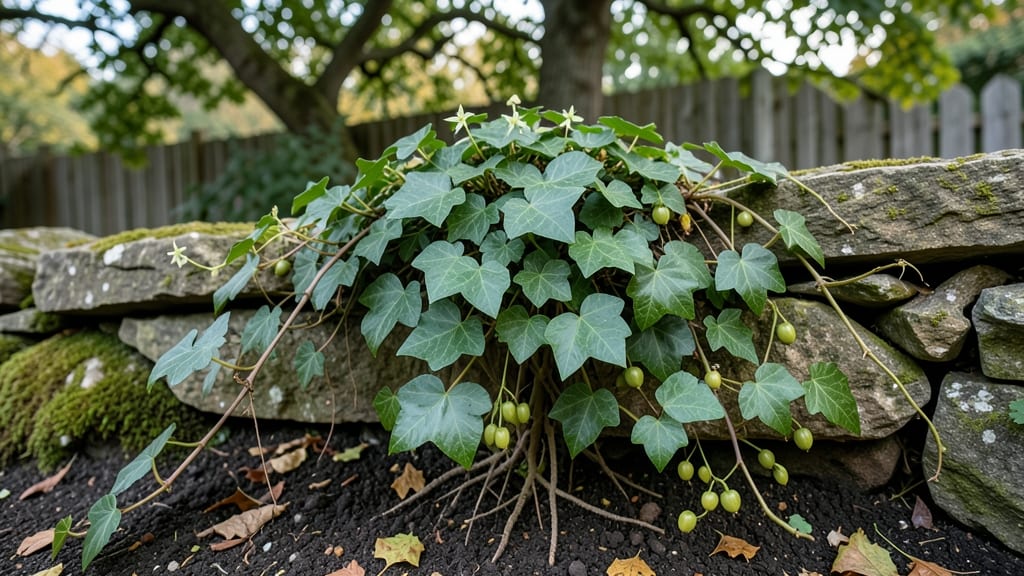
Growing five leaf ivy means you’ll have vibrant green foliage year-round with almost no effort. 🌿 I’ve had this plant for years, and it’s the perfect low-maintenance choice for busy gardeners or anyone who wants lush greenery without constant pruning.
The key is understanding its natural growth habits—it thrives in shade, spreads easily, and even tolerates indoor conditions. This hardy plant adapts to almost any soil as long as it’s well-draining, and it’s happy in pots or climbing walls. Watering is simple: keep the soil slightly moist but never soggy.
The real magic happens when you let it grow wild—it’ll fill gaps, cover unsightly walls, and even clean the air. Just be warned: it’s toxic to pets, so keep it out of reach if you have curious cats or dogs.
By the end of the season, you’ll have a thriving vine that’s either climbing your trellis or spilling beautifully over shelves. The best part? It rarely needs pruning—just trim back any leggy growth in early spring to encourage bushier growth.
This plant is the ultimate "set it and forget it" green thumb solution. Works beautifully indoors near a north-facing window or outdoors in shady corners. Here’s how to keep it lush and healthy all year long!
📚 In This Guide
- What you need
- Instructions
- Tips and common mistakes
- Wrapping up and next steps
What you need
- ● Five-leaf ivy plants: 1-3 healthy starter plants (check for vibrant green leaves and no yellowing or brown spots).
- ● Well-draining potting mix: 1 bag (5-10 gallons) of a blend designed for houseplants or ivy (e.g., 50% peat moss, 30% perlite, 20% compost).
- ● Containers: Outdoor: 1-2 hanging baskets (12-18 inches wide) or a large planter (10+ gallons) with drainage holes.
- ● Indoor: 1-2 ceramic or fabric pots (6-8 inches in diameter) with drainage holes.
- ● Drainage materials: Small pebbles, gravel, or broken pottery (1-2 cups) for the bottom of containers.
- ● Pruning shears: 1 pair of sterilized, sharp shears (for trimming and shaping).
- ● Watering can or spray bottle: 1 with a gentle spray nozzle for hydration.
- ● Gloves: 1 pair (to protect hands from sap or soil).
- ○ Moss or coconut coir: Optional, for covering soil in hanging baskets (helps retain moisture).
- ● Fertilizer: Balanced liquid fertilizer (e.g., 10-10-10) or slow-release granules (apply every 4-6 weeks).
- ● Support structures: Trellises, stakes, or obelisks (if training ivy vertically).
- ● Pest control: Neem oil or insecticidal soap (for treating aphids or spider mites).
Step-by-step instructions for growing five leaf ivy indoors
Here’s how to grow vibrant, low-maintenance five leaf ivy that thrives year-round with just a little attention.
🌱 Step 1: Choose the Right Container and Soil
Five leaf ivy thrives in 6-8 inch pots with drainage holes—terracotta works best because it breathes and prevents root rot. I always use a well-draining potting mix (never garden soil) blended with 20% perlite for extra airflow. Fill the pot until it’s 1 inch below the rim, then tap gently to settle the soil without compacting it.
This plant tolerates a range of soil types, but the key is moisture control. If your mix feels too dense, add a handful of orchid bark for better drainage. The goal is soil that holds moisture but never stays soggy—five leaf ivy hates wet feet.
🌿 Step 2: Plant Your Ivy and Position for Light
Gently remove the plant from its nursery pot and loosen the roots if they’re tightly bound. Place it in the center of your new container, then fill around the sides with soil, pressing lightly to eliminate air pockets. Water immediately after planting to help settle the roots.
Five leaf ivy loves bright, indirect light—think east or west-facing windows. Too much direct sun scorches the leaves, while too little light causes leggy growth. If your space is dim, a grow light 12-18 inches away for 12-14 hours daily keeps it happy. You’ll know it’s in the right spot when leaves stay deep green and glossy without yellowing.
💧 Step 3: Water Consistently Without Overdoing It
Water your five leaf ivy when the top inch of soil feels dry—stick your finger in to check. I water deeply until it drains from the bottom, then empty the saucer after 10 minutes to avoid root rot. This plant stores water in its leaves, so underwatering is worse than overwatering. Let the soil dry slightly between waterings, especially in cooler months.
Here’s the thing—five leaf ivy is forgiving, but yellow leaves mean too much water, while brown, crispy edges mean too little humidity. Mist the leaves occasionally or place the pot on a pebble tray with water to boost moisture in dry air. A humid bathroom or kitchen windowsill works great.
✂️ Step 4: Prune for Bushiness and Control Growth
Minimal pruning keeps five leaf ivy lush and compact. Pinch back the top set of leaves when the plant reaches 6-8 inches tall to encourage branching. Use clean scissors and cut just above a leaf node—this is where new growth will sprout. You’ll see two new leaves forming within a few weeks.
Don’t skip pruning! Without it, the plant grows leggy and sparse. If it outgrows its pot, trim the roots by 1/3 when repotting to encourage a stronger root system. Five leaf ivy grows fast, so prune every 2-3 months to maintain shape. The more you trim, the bushier it gets!
☀️ Step 5: Rotate and Fertilize for Year-Round Health
Rotate the pot a quarter turn weekly so the plant grows evenly toward the light. You’ll notice one side leaning? That’s your cue to move it. In spring and summer, feed with a balanced liquid fertilizer (10-10-10) every 4-6 weeks. Dilute it to half strength—this plant doesn’t need much, and too much fertilizer burns the roots.
In fall and winter, cut back to monthly feeding or skip it entirely. The plant grows slower in cooler months, so it doesn’t need extra nutrients. Watch for new growth after fertilizing—that’s your sign it’s working. If leaves yellow despite proper watering, flush the soil with water to remove excess salts.
Tips & tricks for perfect five leaf ivy growth
Here's what nobody tells you about keeping this plant thriving with minimal fuss—these tricks make all the difference!
Container Selection: While terracotta pots are ideal, plastic pots with drainage holes work too—just avoid glazed containers that trap moisture. I've found that hanging baskets with 6-8 inch depth create perfect conditions for trailing growth. The key is ensuring those drainage holes are never blocked by soil or debris—this is what prevents root rot.
Light Positioning: That 12-14 hours daily of grow light isn't just about duration—placement matters too. Position your light so it's 12-18 inches away from the plant's tallest point, not the leaves. I've seen plants develop uneven growth when the light hits only one side. Rotate the plant weekly to keep it balanced, even if you're not using a grow light—natural light sources change throughout the day.
Watering Wisdom: The top inch dry rule is perfect, but here's the secret: water in the morning so excess drains away by evening. I've noticed plants kept in saucers with standing water develop root rot within 10 minutes—that's why emptying the saucer is non-negotiable. For extra insurance, use a moisture meter to check soil levels before watering.
Pruning Pro Tip: When you see those two new leaves forming after pinching, that's your confirmation you did it right! For a bushier look, try the "pinch and wait" method: pinch back the top set when the plant hits 6-8 inches, then wait until you see two new leaves before pinching those new stems too. This creates a fuller plant faster than monthly pruning alone.
Pro Tips for Five Leaf Ivy
- Here's what nobody tells you about keeping this plant thriving with minimal fuss—these tricks make all the difference!
- Container Selection: While terracotta pots are ideal, plastic pots with drainage holes work too—just avoid glazed containers that trap moisture.
- Light Positioning: That 12-14 hours daily of grow light isn't just about duration—placement matters too.
Frequently asked questions
Got questions about keeping your five-leaf ivy thriving?
You’re not alone! Here are answers to the most common concerns—from pests to placement—so you can enjoy lush, low-maintenance greenery year-round.
How do I spot and treat common pests on five-leaf ivy?
Watch for spider mites (tiny webs), scale insects (brown bumps), or mealybugs (cottony clusters). Treat with a neem oil spray or insecticidal soap, and isolate affected plants to prevent spread. Prune heavily infested leaves for faster recovery.
Can five-leaf ivy survive winter outdoors?
Yes! This hardy vine tolerates light frost (USDA zones 8–11), but protect it from harsh winds or sub-freezing temps. In colder climates, grow it in containers and move it indoors before winter. Mulch the base if planting in the ground for extra insulation.
Why is my five-leaf ivy losing leaves?
Leaf drop is often due to underwatering (soil should stay lightly moist) or overwatering (root rot risk!). Check drainage and adjust watering—aim for once a week in summer, less in winter. Low light can also cause shedding; place it near bright, indirect sunlight.
Is five-leaf ivy toxic to pets or kids?
Nope! Unlike some ivies, this variety is non-toxic to cats, dogs, and humans. It’s a safe, pet-friendly choice for homes with curious critters. Just ensure they don’t chew stems excessively—it’s still best enjoyed as a decorative plant!
Can I grow five-leaf ivy in hanging baskets?
Its trailing habit thrives in hanging pots or vertical planters. Use well-draining soil and a basket with drainage holes. Rotate the pot occasionally for even growth, and fertilize lightly every 2–3 months to encourage lush vines.
Pro Tip:
For faster growth, trim back leggy stems in spring—it’ll bush out fuller! Just avoid heavy pruning in winter, as new growth slows down.
Wrapping up and next steps
Growing five-leaf ivy (Hedera helix) is a rewarding journey—it thrives with minimal fuss and rewards you with vibrant, year-round greenery. Whether you’re battling pests like spider mites or preventing fungal diseases, remember that consistency in care (watering, pruning, and monitoring) keeps your plant lush and healthy. 🌿
Ready to elevate your green space? Start by assessing your ivy’s health—check for early signs of stress or pests—and take action before issues spread. Your next step? Grab those pruning shears, dust off your spray bottle, and give your five-leaf ivy the TLC it deserves! 🌱✨