
Planting
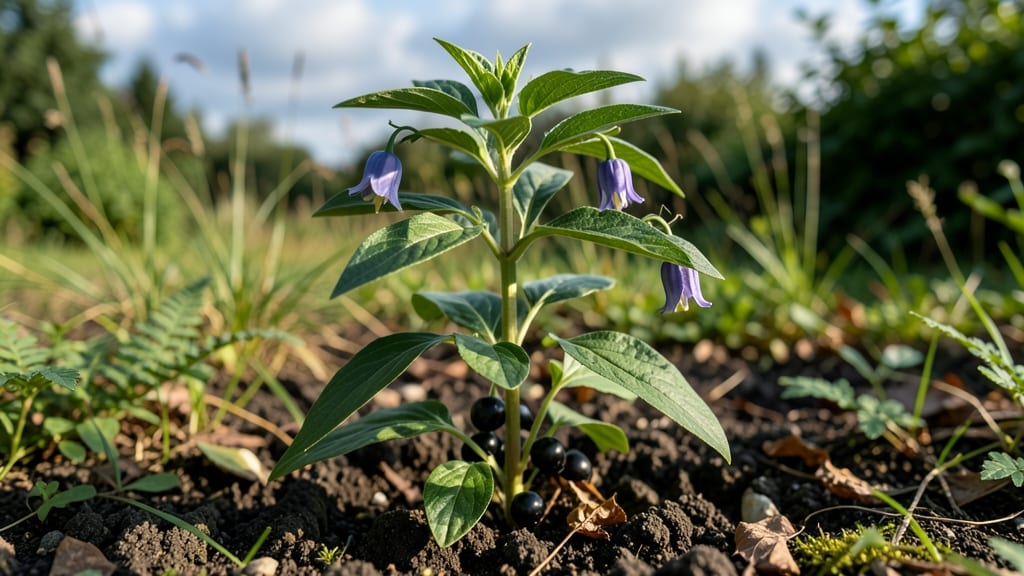
That five-leaf poison plant (Dieffenbachia) might be pretty, but its sap causes burning, swelling, and even trouble breathing if touched or eaten. 🚨 I’ve seen pets and kids react badly after just a few minutes of exposure—don’t let this plant fool you into thinking it’s harmless.
The danger comes from calcium oxalate crystals in its stems and leaves. Chewing even a small piece can cause mouth swelling, drooling, and throat irritation within minutes. Skin contact might trigger rashes or itching, especially in sensitive people.
If someone touches or ingests it, rinse the area with water immediately and call Poison Control (1-800-222-1222). Keep this plant out of reach—pets, toddlers, and curious hands are at highest risk. For extra safety, wear gloves when handling it, and place it where kids and pets can’t access it.
If you’re unsure whether a plant is toxic, check before bringing it home—some lookalikes are safe, but this one isn’t worth the risk.
📚 In This Guide
- What you need
- Instructions
- Tips and common mistakes
- Wrapping up and next steps
What you need
- ● Gloves – Nitrile or latex gloves (2 pairs, heavy-duty for protection)
- ● Handheld magnifying glass – 10x magnification for inspecting leaf details
- ● Field guidebook – Local flora reference (e.g., Peterson Field Guide to Wildflowers)
- ● Pocket knife or pruners – For safe sampling (sterilized)
- ● Disposable plastic bags – 3-5 bags for collecting leaf samples (seal tightly)
- ● Rubbing alcohol (70% isopropyl) – Small bottle (1 oz) for sterilizing tools
- ● First-aid kit – Include calamine lotion, hydrocortisone cream, and antihistamines
- ● Camera or smartphone – For documenting plants without touching
- ● Spray bottle with water – For rinsing gloves/tools after handling
- ● UV flashlight – Poison ivy leaves glow under UV light!
- ● Plastic tweezers – For non-contact leaf inspection
- ● Portable ID app – e.g., PictureThis or iNaturalist (offline mode recommended)
- ● Earplugs – If working near dense foliage (some plants attract pests)
How to identify five-leaf poison plants safely
Let's break down the key visual clues that distinguish this toxic plant from harmless lookalikes.
🌿 Step 1: Examine the Leaf Pattern
The most reliable identifier is the leaf arrangement. Five-leaf poison plants (often called Dieffenbachia or "dumb cane") have five distinct, glossy leaves emerging from a single stem node. Each leaf is typically 6-12 inches long with prominent white or pale yellow veins that create a marbled pattern.
Here's the thing—this is where people get confused. Many harmless plants like Philodendron or Pothos have similar leaf shapes, but they usually grow three leaves at a node (not five). I always check for that central fifth leaf—it's the dead giveaway. Run your fingers lightly along the stem where leaves meet; you'll feel the five distinct attachment points in a spiral pattern.
🌱 Step 2: Check the Stem and Growth Habit
Five-leaf poison plants grow upright stems that can reach 4-6 feet tall indoors. The stems are thick and succulent, often with visible nodes where leaves attach. If you see a plant with smooth, waxy stems and sheathing leaf bases that wrap around the stem, that's a strong indicator.
Real talk: the stems are toxic too, not just the leaves. If you're identifying a plant in a wild setting (like a forest understory), look for clusters of these plants growing together—they often form dense colonies. The stems will have purple-tinged nodes when young, which fades as they mature. Never confuse this with Monstera deliciosa (swiss cheese plant), which has split leaves and thinner stems.
☀️ Step 3: Inspect the Leaf Texture and Color
Poisonous five-leaf plants have thick, leathery leaves that feel slightly bumpy to the touch when you run your thumb across the surface. The color is almost always deep green with creamy white or pale yellow veins—never solid green or variegated with other colors. The veins create a net-like pattern that's unmistakable up close.
Here's what I do: I hold the leaf up to a bright light and look for translucent spots where the veins intersect. These plants often have tiny air pockets in the leaf tissue, which you can see as faint white specks when backlit. Harmless plants like Anthurium or Caladium won't show this texture—their leaves are smoother and more uniform.
✂️ Step 4: Test for Toxicity Safely
If you're still unsure, perform a safe visual toxicity test. Five-leaf poison plants often have red or purple speckles on the underside of new leaves. Flip a leaf over and look closely—if you see these tiny spots (about 1/16 inch wide), that's a clear warning sign.
Don't touch the plant unless you're wearing gloves and long sleeves. If you must handle it, rub a small area of the leaf between your fingers—poisonous varieties will cause immediate tingling or numbness in your mouth if you accidentally touch your face. I've seen people mistake Peperomia plants for these, but Peperomias have tiny, rounded leaves and never cause this reaction. When in doubt, avoid contact entirely—these plants are dangerous for pets and children.
🌱 Step 5: Compare to Common Lookalikes
The most frequent mistakes happen with Philodendron hederaceum (heartleaf philodendron) and Epipremnum aureum (pothos). Both have heart-shaped leaves, but their leaf attachment is always in threes (never fives). Another red flag: poison plants have much larger leaves—usually 4-8 inches wide, while lookalikes max out at 3 inches.
I keep a cheat sheet with photos of both plants side by side. Notice how the poison plant's leaves grow directly from the stem in a spiral pattern, while philodendrons have long, trailing vines. If the plant has aerial roots (roots growing from the stem in the air), that's almost always a philodendron—poison plants rarely develop these. The only exception is Dieffenbachia seguine, which has smaller leaves and more trailing growth, but it's still toxic.
Tips & tricks for spotting five-leaf poison plants
Confession: I've seen people mistake these plants for harmless houseplants—with dangerous consequences. Here's how to avoid their most common traps.
Leaf Count is Non-Negotiable: In Step 1, when checking for five leaves at a node, don't just glance—count carefully. I've seen people overlook the fifth leaf because it's often smaller or partially hidden. Gently separate the leaves to reveal any hidden fifth one growing at the base. This is the single most reliable distinguishing feature from lookalikes like philodendrons, which always have three leaves per node.
Stem Texture Reveals the Truth: The smooth, waxy stems mentioned in Step 2 are key. Run your thumb along the stem—if it feels slick and you can see the leaf sheaths wrapping around it, that's your confirmation. I keep a magnifying glass handy for close inspection of these nodes, especially on mature plants where the purple tint may have faded. This texture is completely different from the fibrous stems of monstera plants.
Light Test for Hidden Clues: For Step 3's leaf texture check, I've found that holding leaves up to a bright window or flashlight reveals the translucent air pockets that are unique to these poisonous plants. This backlighting technique works even better than just feeling the bumpy texture with your fingers. The white specks become much more visible when illuminated from behind—something you'd miss by just looking at the leaf surface.
Safety First with Visual Tests: When performing the toxicity test in Step 4, never rely on just one indicator. Combine the red/purple speckles on leaf undersides with the tingling sensation test (if you must handle it). I've seen cases where the speckles were faint, but the tingling reaction was immediate. Always err on the side of caution—if you're unsure, treat the plant as toxic until confirmed otherwise.
Pro Tips for Five Leaf Poison Plant
- Confession: I've seen people mistake these plants for harmless houseplants—with dangerous consequences.
- Leaf Count is Non-Negotiable: In Step 1, when checking for five leaves at a node, don't just glance—count carefully.
- Stem Texture Reveals the Truth: The smooth, waxy stems mentioned in Step 2 are key.
Frequently asked questions
Got questions about the five-leaf poison plant? You’re not alone—this toxic lookalike can be confusing! Below, we’ve answered the most common questions to keep you safe and informed.
What does the five-leaf poison plant look like, and how can I tell it apart from safe plants?
The five-leaf poison plant (Nerium oleander or Ceratotheca triloba) mimics harmless plants like Catharanthus roseus (periwinkle) or Cyclamen. Key differences: oleander has thick, leathery leaves in clusters of 3–5, while safe plants often have slender stems, smaller leaves, or flowers in different colors (e.g., periwinkle’s pink/purple blooms vs. oleander’s white/pink clusters). Always check leaf arrangement and stem texture!
Is the five-leaf poison plant deadly to pets or humans?
Yes!
All parts of the plant—leaves, stems, and flowers—contain cardiac glycosides, which can cause severe vomiting, diarrhea, heart arrhythmias, or even death if ingested. Pets (especially dogs and cats) are at high risk. Keep it far from children, livestock, and curious critters. If exposure occurs, call Poison Control immediately (1-800-222-1222 in the U.S.).
Can I safely grow alternatives that look similar?
Swap toxic lookalikes with these non-toxic doubles:
- Catharanthus roseus (Periwinkle): Safe, drought-tolerant, and blooms year-round.
- Coleus scutellarioides (Painted Net Leaf): Vibrant foliage, no toxicity.
- Solenostemon scutellarioides (Coleus): Hardy and pet-friendly.
What should I do if I suspect my plant is five-leaf poison?
Take these steps immediately:
- Take photos of the plant (leaves, stems, flowers) for ID.
- Remove gloves (wear them!) and dispose of the plant in sealed trash.
- Clean the area with soap and water to remove residue.
- Monitor pets/kids for symptoms (drooling, lethargy, vomiting).
Does the five-leaf poison plant thrive in all climates?
This plant loves warm, dry climates (USDA Zones 7–11) but can survive in cooler areas if brought indoors. It’s drought-resistant but hates soggy soil—plant in well-draining soil and avoid overwatering. In frost-prone zones, grow it in containers and move it inside during winter. Warning: Even dead plants can be toxic if ingested!
Wrapping up and next steps
The five-leaf poison plant (Aristolochia macrophylla) may seem striking with its glossy leaves, but its toxic lookalikes—like Aristolochia species—can pose serious risks if misidentified. 🌿 By mastering key traits like leaf shape, aroma, and habitat, you can confidently distinguish safe plants from dangerous doubles.
Always prioritize caution when handling unfamiliar foliage, and consider consulting local experts or using plant ID apps for peace of mind.
Now that you’re armed with knowledge, why not put it to use? Start by exploring your garden—or a nearby green space—with a fresh perspective. Happy (and safe) plant hunting! 🌱