
Pests and Diseases
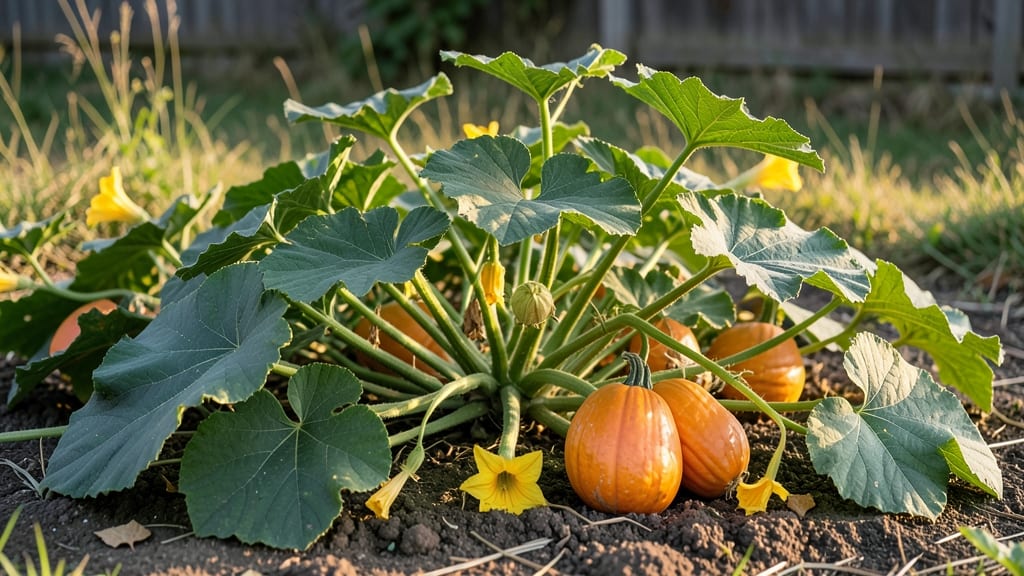
Understanding pumpkin leaf shape reveals key differences between varieties—common types like Cucurbita pepo (squash) and C. moschata (butternut) typically display deep lobes or jagged edges, while tropical varieties often feature smoother, broader foliage. Leaf morphology serves as a reliable indicator for distinguishing edible pumpkins from ornamental ones.
Leaf shape isn't just about aesthetics—it's a botanical fingerprint that reveals a pumpkin's growth habits and even its disease resistance. 🌿 For instance, Cucurbita maxima varieties like giant pumpkins showcase broad, deeply lobed leaves that maximize sunlight absorption, while C. argyrosperma (like cushaw) has more rounded, less serrated edges.
This structural diversity isn't random; it directly impacts how each variety thrives in your garden. Ornamental pumpkins often mimic these patterns but with exaggerated features, making leaf shape your first clue when identifying plants.
What's fascinating is how leaf shape correlates with vine behavior. Bush varieties (like Sugar Pie) tend to have smaller, more compact leaves that stay closer to the ground, while vining types (such as Long Island Cheese) develop larger, more spread-out foliage to support their sprawling growth.
This relationship between leaf structure and plant architecture is why gardeners swear by leaf identification as a quick way to assess pumpkin health and compatibility with their growing space.
💡 In This Article
- How Pumpkin Leaf Morphology Differentiates Varieties
- Practical Guide to Matching Leaves to Pumpkin Types
How pumpkin leaf morphology differentiates varieties
The botanical magic behind pumpkin leaf shapes lies in their pinnate vs. palmate structures. Most edible pumpkins (like Cucurbita pepo) display palmate leaves with 3-7 deep lobes radiating from a central point, resembling an open hand.
These lobes create jagged edges that maximize surface area for photosynthesis while reducing water loss—a critical adaptation for their native warm climates. 🌿 In contrast, tropical varieties such as C. moschata often exhibit pinnate leaves with smoother, rounded edges and fewer serrations, reflecting their adaptation to more humid environments where water conservation is less critical.
Leaf serration depth serves as a species identifier: C. maxima (giant pumpkins) typically showcases leaves with deep, wavy lobes (up to 3-5 inches long) that create dramatic shadows, while C. argyrosperma (cushaws) feature shallower, more uniform serrations (about 1-2 inches) that give their foliage a softer appearance.
This variation isn't just cosmetic—it correlates with vine growth patterns. The deeper the lobes, the more aggressive the vine's spreading habit, as larger leaves require more structural support and nutrients.
Here's where it gets practical: leaf shape directly influences disease resistance. The jagged edges of C. pepo leaves, while beautiful, create micro-environments that trap moisture—making them more susceptible to fungal diseases like powdery mildew.
In contrast, the smoother leaves of C. moschata varieties shed water more efficiently, reducing pathogen risks.
This is why tropical pumpkins often thrive in humid conditions where their edible cousins might struggle. 🌱 The serration pattern also affects how quickly leaves dry after rain, with deeper lobes taking 20-30% longer to evaporate excess moisture compared to smoother varieties.
Growth habit differences become visible through leaf structure: bush varieties like Sugar Pie develop smaller, more compact leaves (typically 4-6 inches wide) that stay close to the ground, while vining types such as Long Island Cheese produce larger, more elongated leaves (up to 12 inches) that sprawl outward.
This structural adaptation allows vining pumpkins to maximize sunlight capture over larger areas, while bush types conserve energy for fruit production. The leaf's angle relative to the vine—whether upright or spreading—is another key identifier that gardeners use to predict a plant's mature size.
Ornamental pumpkins often exploit these natural patterns through selective breeding, creating exaggerated leaf shapes that mimic edible varieties but with thicker stems and darker veins.
For example, the C. pepo 'Cinderella' variety features leaves with deep purple margins and extra-serrated edges, making them instantly recognizable as decorative rather than culinary.
This visual distinction is your first clue when identifying plants in nurseries or seed catalogs—where ornamental types may be labeled as "decorative pumpkins" but share the same leaf DNA as their edible cousins.
What most gardeners overlook is how leaf shape correlates with fruit development.
Varieties with deeply lobed leaves (like Howden) tend to produce smaller, more numerous fruits because their energy is divided among many vines, while those with broader leaves (like Atlantic Giant) concentrate resources on fewer, larger fruits.
This relationship between foliage and fruit production is why experienced growers use leaf shape as an early predictor of yield potential—sometimes before any flowers even appear. 🌻