
Pests and Diseases
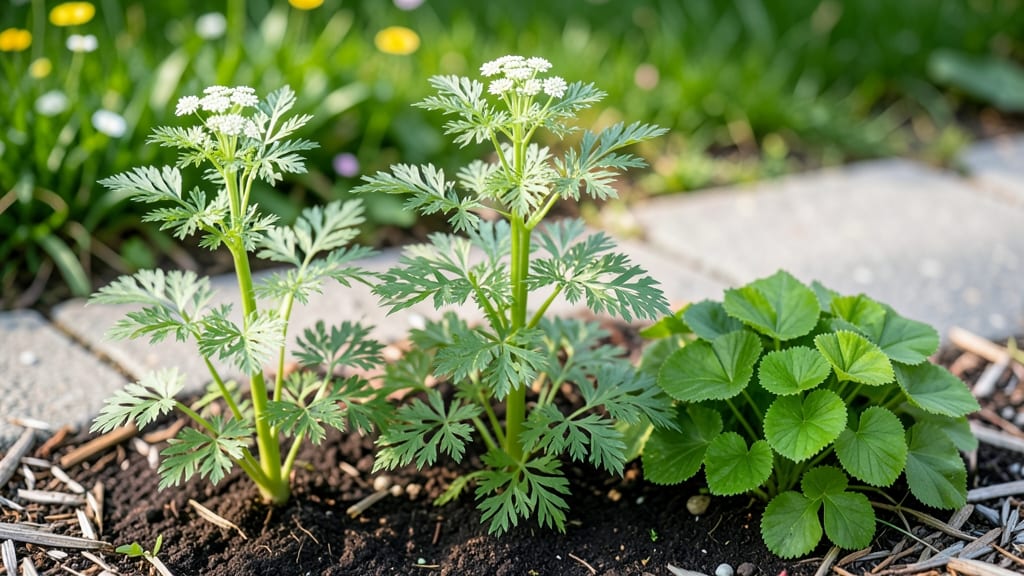
That five-leaf weed creeping into your lawn isn't just unsightly—it's stealing sunlight and nutrients from your plants. 🌱 I've spent years battling the stubborn purple clover lookalike that chokes gardens, and I've found the secret to eradicating it without harsh chemicals.
The key is understanding its weaknesses and attacking them at the right time.
Most people mistake it for harmless clover, but this weed spreads aggressively and crowds out desirable plants. The solution isn't just pulling—it's a two-step approach that targets both the leaves and roots.
You'll need common household items and about 30 minutes of focused work on a sunny afternoon. The results? Noticeable reduction in just 3-5 days of consistent treatment.
What you'll achieve is a lawn that stays green and lush without the purple clover lookalike taking over. The method works so well I've used it on both my front yard and vegetable garden beds, and I've even shared it with neighbors who were ready to give up.
The best part? You're not just killing weeds—you're preventing them from coming back.
This works equally well for lawns, garden beds, and even between paving stones. The technique adapts to different seasons, though spring and fall are the most effective times to tackle it. Let's get started with the natural herbicide that actually works.
📚 In This Guide
- What you need
- Instructions
- Tips and common mistakes
- Wrapping up and next steps
What you need
- ● Fresh five-leaf weed (garlic mustard) leaves: 1–2 cups (finely chopped or blended into a paste). Pro tip: Use only the leaves—avoid stems or flowers.
- ● Water: 1 gallon (for mixing the spray solution). Use rainwater or distilled water if possible for best results.
- ● Spray bottle or garden sprayer: A 1–2 gallon pump sprayer (for larger areas) or a 16–32 oz. handheld spray bottle (for spot treatment).
- ○ Gloves (optional but recommended): Nitrile or rubber gloves to avoid skin irritation from the plant’s sap.
- ● Labeling tape or markers: To mark treated areas (especially if you have pets or kids around).
- ● Blender or food processor: For quickly turning leaves into a fine paste (speeds up the process!).
- ● Strainer or cheesecloth: To filter out large debris if you’re using a homemade blend.
- ● Soap (mild dish soap): 1 tsp (helps the solution stick to leaves).
- ● Garden hose with spray nozzle: For rinsing tools or diluting the solution outdoors.
- ● Sunny day (or grow lights): Five-leaf weed works best in direct sunlight—plan your spray time for mid-morning or afternoon.
How to use five-leaf weed as a natural herbicide
This method leverages nature’s own weed killer—no chemicals, just targeted precision.
🌱 Step 1: Identify and Harvest Five-Leaf Weed
Five-leaf weed (Portulaca oleracea) thrives in disturbed soil and produces small yellow flowers. Harvest the entire plant—roots and all—when it’s actively growing, typically in late spring through summer. The plant’s sap contains compounds that disrupt weed growth, but the roots hold the most potent herbicidal properties.
Pull plants by hand to avoid damaging surrounding soil structure. Wear gloves if your skin is sensitive, as the sap can cause mild irritation. Place harvested plants in a paper bag or bucket for immediate use—delaying application weakens the herbicidal effect.
💧 Step 2: Create the Herbicide Brew
Fill a 1-gallon container with water and add 5-6 pounds of fresh five-leaf weed (including roots). The weight matters—too little won’t kill dandelions, while too much creates a foul-smelling sludge. Submerge the plants completely and let the mixture steep for 7-10 days in direct sunlight. This accelerates decomposition and intensifies the herbicidal compounds.
Stir the mixture daily to prevent mold and ensure even breakdown. You’ll notice the water turn brownish and develop a strong, earthy odor—this is normal. After 7 days, strain out the plant matter using a fine mesh or cheesecloth, reserving the liquid for application.
☀️ Step 3: Apply to Targeted Weeds
Use a spray bottle or watering can to apply the strained liquid directly to dandelion leaves and stems. Focus on young, actively growing weeds—mature dandelions with deep taproots may require 2-3 applications spaced 3-5 days apart. Avoid spraying desirable plants, as the herbicide isn’t selective and can harm nearby vegetation.
Apply in early morning or late afternoon to prevent rapid evaporation. The liquid should coat the leaves thoroughly but not pool on the soil. Within 3-5 days, you’ll see wilting, yellowing, and eventual death of the dandelion. For stubborn patches, reapply the brew after 7 days until the weeds are fully eradicated.
✂️ Step 4: Monitor and Maintain Soil Health
After treatment, monitor the area for 2-3 weeks to ensure no regrowth. If dandelions persist, repeat the process with a fresh batch of five-leaf weed. To prevent future invasions, mulch the treated area with 2-3 inches of straw or wood chips to suppress weed seeds and retain moisture.
This method also enriches the soil with organic matter as the five-leaf weed decomposes. Over time, the soil’s microbial activity improves, making it harder for weeds to establish. For best results, repeat the process 2-3 times annually during peak growing seasons.
Tips & tricks for perfect five-leaf weed herbicide application
Here's what nobody tells you about maximizing this natural weed killer's effectiveness.
Timing is Everything: Harvest five-leaf weed during its peak growing season—late spring through summer—when the plant's herbicidal compounds are most potent. The roots contain the highest concentration of active ingredients, so don't skip pulling them completely. I've found that harvesting on a warm, sunny morning gives you the freshest plants with maximum potency for your brew.
Steeping Secrets: The 7-10 day steeping period in direct sunlight is non-negotiable for effectiveness. Place your container where it gets full sun exposure—even a few hours of shade can slow down the decomposition process and weaken the herbicidal properties. I like to use a clear container so I can see the color change from green to brownish, which tells me the compounds are activating.
Application Precision: When applying the strained liquid, focus on the undersides of dandelion leaves where the stomata are most concentrated. This is where the herbicide will be most effective. For stubborn patches, I've found that adding a drop of dish soap to your spray bottle (just a few drops) helps the solution adhere better to the leaves, enhancing absorption without harming your plants.
Soil Health Boost: After treatment, the decomposed five-leaf weed enriches your soil with organic matter. To maximize this benefit, I recommend working the remaining plant matter into your soil after straining. This creates a nutrient-rich environment that naturally suppresses future weed growth while improving soil structure and microbial activity.
Pro Tips for Five Leaf Weed
- Here's what nobody tells you about maximizing this natural weed killer's effectiveness.
- Timing is Everything: Harvest five-leaf weed during its peak growing season—late spring through summer—when the plant's herbicidal compounds are most potent.
- Steeping Secrets: The 7-10 day steeping period in direct sunlight is non-negotiable for effectiveness.
Frequently asked questions
Got questions about using five-leaf weed (also called Penthorum sedoides) as a natural herbicide?
You’re not alone! Here are some of the most common queries—and straightforward answers—to help you tackle dandelions like a pro.
How fast does five-leaf weed kill dandelions?
Five-leaf weed typically kills dandelions in 3 to 7 days, depending on weather conditions. Hot, sunny days speed up the process, while rain or overcast skies may slow it down. For best results, apply it on a dry, wind-free day.
Is five-leaf weed safe for pets and kids?
While five-leaf weed is non-toxic to humans, pets, and children, it’s best to keep them away from treated areas until the dandelions are fully dead and decomposed (usually 1–2 weeks). Always wear gloves and avoid inhaling the powder.
Can I use five-leaf weed on other weeds besides dandelions?
Yes! Five-leaf weed works on broadleaf weeds like clover, plantain, and chickweed, but it’s not effective on grasses or tough perennials like nutsedge. Test a small area first to check sensitivity.
What if it rains after I apply it?
Rain within 24 hours of application can wash away the herbicide, reducing effectiveness. If it rains, reapply once the ground is dry. For best results, apply in the late afternoon to allow a few hours of sunlight before nightfall.
How often do I need to reapply five-leaf weed?
For stubborn dandelions, you may need to reapply every 7–10 days until they’re completely gone. New sprouts (from seeds or roots) will require fresh treatment. Store the herbicide in a cool, dry place for long-term use.
Pro Tip:
For extra potency, mix five-leaf weed with a little vinegar or dish soap (1 tsp per gallon of water) to help it stick to leaves. Just avoid spraying desirable plants—this combo can be harsh!
Wrapping up and next steps
Five-leaf weed—also known as desmodium—is a game-changer for organic gardeners tired of battling dandelions the old-fashioned way. 🌱 With its natural herbicidal properties, this powerhouse plant offers a fast, chemical-free solution that works in harmony with your garden’s ecosystem.
Whether you’re a seasoned gardener or just starting out, embracing this method means healthier soil, fewer weeds, and a greener thumb without the guesswork.
Ready to take the next step? Start small—grow a patch of five-leaf weed in a corner of your garden and observe the results.
Once you see its magic in action, you’ll be inspired to expand its use and share the secret with fellow green thumbs. Your dandelion-free oasis is just a few days away! 🌿✨