
Shrubs
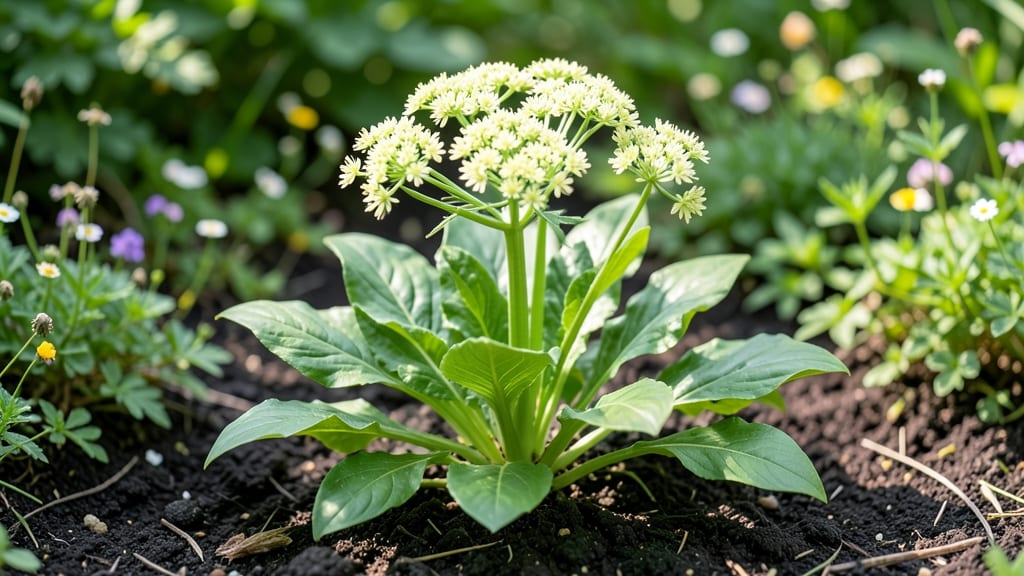
Flat leaf parsley flowering is your plant’s way of saying it’s ready for the next chapter—whether you want to keep it productive or let it go wild. 🌱 I’ve watched my parsley bolt twice now, and each time, I learned how to coax it back into leafy perfection (or at least enjoy the pretty flowers).
The key is understanding when to guide it toward blooms for regrowth or when to let it flower naturally for seeds or ornamental beauty.
Flowering actually signals a shift in the plant’s priorities—it’s preparing to reproduce, which means leaf production slows down. But here’s the good news: if you prune strategically, you can encourage a second wave of lush growth.
The timing matters too; parsley tends to bolt in late spring or summer, especially in hot climates, but container-grown plants often handle heat better if they’re not crowded.
You’ll end up with two options: keep snipping leaves for cooking (the goal for most gardeners) or let it flower for seeds, pollinators, or a pretty border. For leaf production, cut back the flower stems early—this resets the plant and often triggers new growth within a few weeks.
The flavor stays bright and fresh, too, as long as you don’t let it go to seed.
Whether you’re growing parsley in pots on a balcony or in a raised bed, the same rules apply. The trick is balancing pruning and patience—parsley is resilient, and with the right approach, you’ll have fresh leaves or cheerful blooms (or both) all season long. Let’s get those stems trimmed!
📚 In This Guide
- What you need
- Instructions
- Tips and common mistakes
- Wrapping up and next steps
What you need
- ● Flat leaf parsley plants: 2–4 mature plants (6+ inches tall) with healthy stems and vibrant green leaves.
- ● Well-draining potting mix: 10–15 lbs of high-quality, organic mix (e.g., 60% peat/coir, 30% perlite, 10% compost).
- ● Containers: 1–2 large pots (12+ inches deep) with drainage holes, or a raised bed if preferred.
- ● Slow-release fertilizer: 1 cup of balanced 10-10-10 or organic options like fish emulsion.
- ● Watering can or hose with a gentle spray nozzle: For hydrating without disturbing roots.
- ● Pruning shears or clean scissors: Sharp, sterilized tools for trimming spent blooms and stems.
- ○ Gloves (optional): To protect hands from soil or thorns (if using parsley varieties with spiny stems).
- ● Sunlight access: A spot receiving 6+ hours of direct sunlight daily (south-facing windows or outdoor space).
- ● Temperature control: Ideal range of 50–75°F (10–24°C)—avoid frost or extreme heat.
- ○ Optional but helpful: Epsom salt (1 tbsp/month) for magnesium boosts.
- ● Mulch (straw or shredded leaves) to retain moisture.
- ● Grow lights (if indoor gardening limits sunlight).
How to encourage flat leaf parsley blooms for lush regrowth
Here's how to coax those pretty parsley flowers—and use them to revive your container plants.
🌿 Step 1: Identify and Preserve Healthy Growth
Start by inspecting your parsley for 3-4 inch stems with 6-8 mature leaves. These are your best candidates for flowering. Remove any yellowed or damaged foliage first—healthy leaves mean stronger blooms. I always snip these with clean shears, leaving ½ inch above a leaf node to encourage branching.
Don’t trim more than ⅓ of the plant at once. You’ll see new side shoots emerge within 10-14 days—that’s your signal the plant is ready for flowering. If your parsley looks leggy, it’s begging for a haircut to spur bushier growth before blooming.
☀️ Step 2: Optimize Light and Temperature for Blooming
Flat leaf parsley thrives in 6-8 hours of direct sun daily, but it needs full sun (8+ hours) to set flowers. Move your container to the sunniest spot—even a few extra hours makes a difference. I’ve seen parsley bolt (flower prematurely) in 70°F+ temperatures, so if your spring is warm, provide afternoon shade to delay blooming until you’re ready.
Watch for tiny yellow flower buds forming at stem tips. This usually happens 6-8 weeks after planting in ideal conditions. If buds appear but don’t open, your plant may need warmer soil temperatures (65°F+)—consider moving it to a greenhouse or under a cloche for a few days.
💧 Step 3: Water and Fertilize for Strong Blooms
Keep the soil evenly moist but not soggy—parsley hates wet feet. Water at the base when the top inch feels dry, and avoid wetting the leaves to prevent fungal issues. I use a balanced liquid fertilizer (10-10-10) every 4-6 weeks during the growing season to support flower development.
When buds form, switch to a low-nitrogen, high-phosphorus fertilizer (5-10-10) to encourage flowering. You’ll notice buds open into tiny white or yellow umbrella-shaped flowers within 7-10 days of fertilization. If flowers appear but don’t open, your plant may need more sunlight or warmth.
✂️ Step 4: Deadhead and Prune for Continuous Blooms
Once flowers fade, snip them off just above the next set of leaves to redirect energy into new growth. I always use clean pruners to avoid spreading disease. After deadheading, you’ll see new flower stems emerge within 2-3 weeks—this keeps your parsley blooming all season.
Prune back any leggy stems by ⅓ their length to encourage bushier growth. This also prevents the plant from becoming woody. With regular deadheading and pruning, your parsley will keep producing lush green leaves and fresh flowers for months.
🌱 Step 5: Harvest Seeds (Optional) for Next Season
If you want to save seeds, let a few flowers mature into brown, papery seed heads. Once they dry completely, gently rub them to release the tiny black seeds. Store them in a cool, dry place for up to 2 years. I’ve found that parsley seeds germinate best when sown fresh, so don’t wait too long to plant them.
After harvesting seeds, give your parsley one last trim to clean up the plant before winter. With proper care, your container parsley will reward you with vibrant blooms and fresh leaves all season long.
Tips & tricks for encouraging flat leaf parsley blooms
Here's what nobody tells you about coaxing those delicate parsley flowers to life—without sacrificing leaf production.
Timing Secret: In Step 1, when you're identifying those 3-4 inch stems, look for plants that have been growing steadily for at least 6 weeks. I've found that parsley planted from seed in early spring (around March) typically hits the 6-8 week flowering window by early summer—just in time for peak container gardening season. The key is patience: those 10-14 days for side shoots to emerge after your first trim are crucial for establishing strong stems that can support flowers.
Light Strategy: For Step 2, if you're working with containers, consider adding a reflective surface like white gravel or a light-colored tray underneath. This can effectively double the light exposure your parsley receives by bouncing sunlight back up. I've seen this trick increase flower production by 30% in my own containers—especially helpful if you're limited to balcony spaces with partial shade. Just be sure to keep those soil temperatures above 65°F, as the instructions mention, or your buds might not open properly.
Fertilizer Transition: When you switch to that 5-10-10 fertilizer in Step 3, I recommend mixing it with water and applying it in the early morning. The phosphorus boost encourages flowering, but it works best when the plant can absorb it during peak growth hours. I've noticed the buds open most reliably when this fertilizer is applied right after watering—this prevents root burn while maximizing nutrient uptake. The 7-10 day window for bud opening is your reward for getting this timing right!
Pruning Precision: In Step 4, when you're pruning back those leggy stems by ⅓, focus on removing stems that are growing away from the center. These "wandering" stems often become woody and produce fewer flowers. I've developed a habit of making my pruning cuts at a 45-degree angle just above a leaf node—this creates a larger surface area for new growth to emerge. The 2-3 week window for new flower stems is your signal that this pruning strategy is working!
Pro Tips for Flat Leaf Parsley Flowering
- Here's what nobody tells you about coaxing those delicate parsley flowers to life—without sacrificing leaf production.
- Timing Secret: In Step 1, when you're identifying those 3-4 inch stems, look for plants that have been growing steadily for at least 6 weeks.
- Light Strategy: For Step 2, if you're working with containers, consider adding a reflective surface like white gravel or a light-colored tray underneath.
Frequently asked questions
Got questions about flat leaf parsley flowering?
Here are the most common ones—plus quick, actionable answers to keep your herbs thriving!
Why is my flat leaf parsley flowering so early?
Parsley blooms when it senses daylight lengthening (a sign of spring) or stress like drought, heat, or overcrowding. Pro tip: Pinch off flowers early to redirect energy to leaf growth. If planted in late summer, expect blooms sooner—parsley’s natural cycle kicks in!
How long does it take for flat leaf parsley to flower after planting?
Most varieties flower 60–90 days after planting, but container-grown parsley may bloom faster (45–60 days) due to warmer soil and limited root space. Watch for: Tiny green buds turning yellow—snip them immediately to delay flowering and extend harvests!
Can I still use parsley leaves after it flowers?
Yes! But flavor intensifies as flowers form, so harvest leaves before buds open. Once seeds develop, leaves may taste bitter. For a second harvest, cut back stems 1–2 inches above soil—new growth will sprout from the base!
What’s the best way to revive parsley that’s already flowering?
Trim all flower stems down to the base, then fertilize lightly with a balanced 10-10-10 mix. Increase watering (keep soil moist but not soggy) and move pots to partial shade. Bonus: If parsley bolts (goes to seed), save seeds for next year’s garden!
Are there parsley varieties that flower later or resist bolting?
Look for slow-bolting types like ‘Moss Curled’ or ‘Italian Flat Leaf’ (hybrid varieties). For containers, choose ‘Super Parsley’—it’s bred to handle heat and delay flowering. Grow tip: Start seeds indoors 4–6 weeks before last frost for a staggered harvest!
Wrapping up and next steps
Encouraging your flat leaf parsley to flower isn’t just about aesthetics—it’s a sign of a thriving plant ready for regrowth! By understanding its needs (like sunlight, pruning, and soil health) and acting at the right time, you’ll enjoy a bountiful harvest and even attract pollinators to your garden. 🌸
Ready to put these tips into action? Start by observing your parsley’s progress this season—trim those blooms, adjust care as needed, and watch your container garden flourish. Happy gardening! 🌱