
Pruning
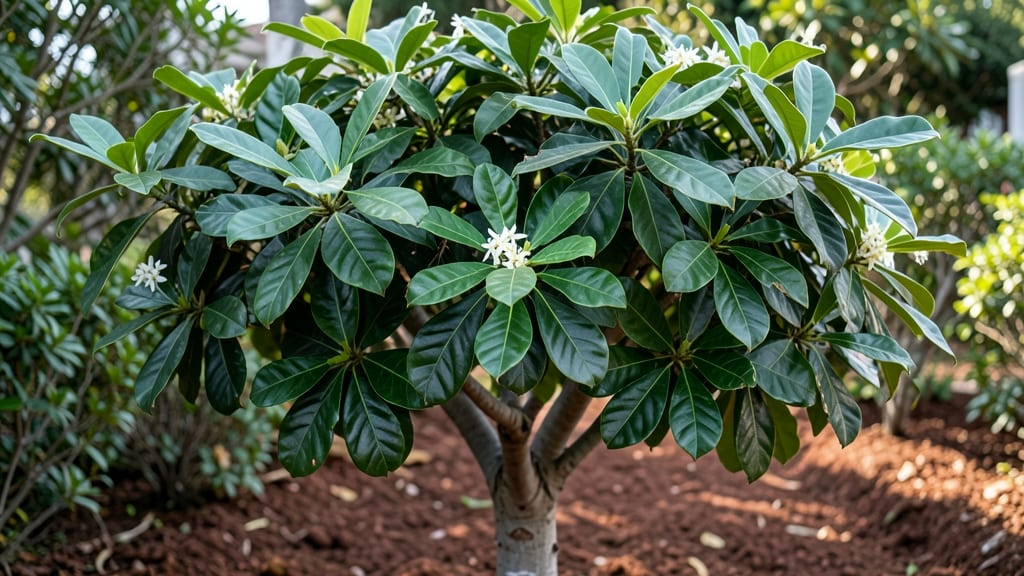
A full-grown curry leaf tree 🌿 can reach heights of 20 to 40 feet, turning your garden into a fragrant, culinary powerhouse—but only if you know how to care for it properly.
Picture this: you’re about to harvest a handful of leaves for your favorite curry, only to realize you’ve accidentally pruned too much, stunting your tree’s growth. That’s why understanding how to maintain a mature curry leaf tree is the key to keeping it healthy and productive for years.
From ideal sunlight and soil conditions to the best pruning techniques, this guide covers everything you need to know to harvest leaves without harming your tree—so you can enjoy its benefits without the guilt.
Whether you’re a beginner or a seasoned gardener, you’ll discover practical tips to maximize your harvest while keeping your curry leaf tree thriving in tropical and subtropical climates.
Identifying a full grown curry leaf tree and its key characteristics
A full grown curry leaf tree (Murraya koenigii) stands as a stunning, aromatic centerpiece in tropical gardens, reaching heights of 20 to 40 feet under ideal conditions. Recognizing its mature form is crucial—this ensures you harvest sustainably without stressing the plant.
Unlike younger trees, mature specimens boast thick, glossy leaves and a dense canopy that provides year-round shade.
One of the first clues is the leaf size. Mature leaves grow 3 to 5 inches long, with a dark green, leathery texture that’s distinctly different from the smaller, softer leaves of younger trees.
The tree’s growth habit also shifts—young curry leaf trees grow upright, while mature ones develop a spreading, multi-trunked structure that can resemble a small shrub.
Identifying a mature curry leaf tree isn’t just about size—it’s about health and productivity. A thriving, full-grown tree produces continuous new growth throughout the year, making it easier to harvest leaves without depleting the plant.
This growth pattern is a key indicator that your tree is established and ready for regular pruning.
Here’s what to look for in a mature curry leaf tree:
The trunk diameter of a mature curry leaf tree is another telltale sign—expect trunks 6 to 12 inches thick, often with rough, textured bark that darkens as the tree ages. These thick trunks provide stability and indicate the tree’s maturity, making it resilient to pruning and harvesting.
A full-grown curry leaf tree also develops a dense canopy that spreads 15 to 25 feet wide. This expansive growth provides ample foliage for harvesting while also offering shade and aesthetic appeal.
The leaves themselves are another dead giveaway—they’re oval-shaped with serrated edges and emit a distinct citrusy aroma when crushed, a hallmark of maturity.
Spring is the best time to observe flowering patterns in a mature curry leaf tree. While not the primary focus for harvesters, the white, fragrant blooms that appear in spring signal a healthy, mature tree.
These flowers later develop into small, round berries, though they’re rarely harvested for culinary use due to their bitter taste.
Proper identification ensures you harvest sustainably. Over-pruning a young tree can stunt its growth, but a mature tree’s robust structure allows for regular leaf removal without harm. Always harvest outer leaves first—this encourages new growth from the center while maintaining the tree’s health and productivity.
If you’re unsure whether your curry leaf tree is mature, check for continuous new growth throughout the year. A healthy, full-grown tree should always have young leaves emerging, even after harvesting. This cycle confirms the tree is established and ready for year-round leaf collection.
Knowing these key characteristics of a mature curry leaf tree empowers you to care for it effectively. Whether you’re pruning for shape or harvesting leaves, understanding its growth patterns ensures your tree remains productive and healthy for decades.
Step-by-step guide to harvesting curry leaves without harming the tree
Harvesting leaves from your full grown curry leaf tree should feel like a symbiotic dance—you take what you need while ensuring the tree stays lush and productive.
The key lies in selective pruning and understanding the tree’s natural growth cycles. When done right, you’ll get abundant, flavorful leaves without stressing the plant.
Start by identifying the healthiest branches—look for those with 3-5 inch long leaves that are dark green and glossy. These are your prime candidates for harvest, as they’ve reached full maturity. Avoid taking leaves from new growth, as this can stunt the tree’s development and reduce future yields.
Never remove more than 30% of leaves from a single branch in one session. A full grown curry leaf tree relies on its foliage for photosynthesis—stripping too many leaves weakens the tree, reduces flowering, and can even lead to dieback.
If you need large quantities, space harvests 4-6 weeks apart to allow recovery.
Also avoid harvesting during monsoon season (June-September) when the tree is actively growing. Pruning at this time can stress the plant and make it vulnerable to pests or fungal infections.
Use clean, sharp pruning shears to make your cuts—dull tools crush stems and invite disease. Always cut just above a leaf node (the small bump where leaves attach) at a 45-degree angle. This encourages new growth and prevents water from pooling on the wound, which can cause rot.
For continuous harvests, focus on the outer leaves first, moving inward as needed. This method mimics natural leaf fall and prevents the tree from becoming over-pruned. In cooler months (November-February), reduce harvesting frequency to every 8-10 weeks, as the tree enters a slower growth phase.
After harvesting, give your tree a light fertilizer boost with a balanced 10-10-10 mix to replenish nutrients. Water deeply in the morning to support recovery, and avoid heavy pruning for at least 2-3 weeks post-harvest.
Your curry leaf tree will reward you with vigorous regrowth and bountiful leaves for seasons to come.
Pro tip: Store harvested leaves in a paper bag in the fridge for up to 2 weeks to preserve their aroma and flavor. Freezing leaves in ice cube trays is another great way to extend their shelf life for future cooking adventures!