
Planting
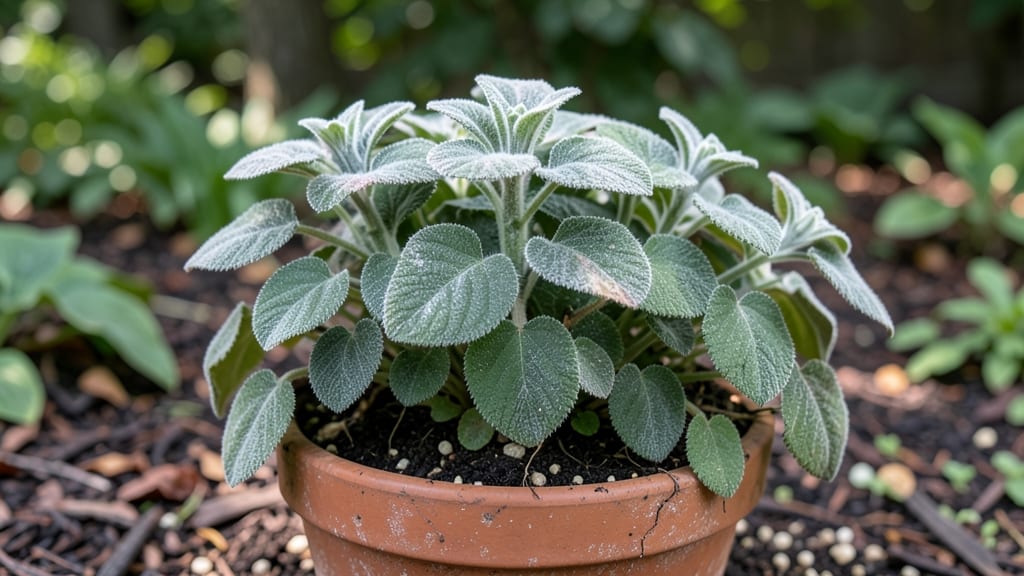
That fuzzy green leaf plant you’ve been eyeing in garden centers? 🌿 The one that looks like it was dusted with fairy magic? It’s Lamium maculatum—and it thrives in the shady spots most plants ignore.
I’ve grown mine for years, and its silvery-green foliage stays lush even when nothing else in my yard does. The secret lies in its adaptability: partial shade, well-draining soil, and occasional pruning to keep it bushy.
Overwatering is the only real enemy—let the top inch dry out between drinks, and you’ll avoid those sad, yellowing leaves. Once established, it spreads gently, filling gaps with its soft, textured leaves.
By summer, you’ll have a low-maintenance ground cover that blooms with tiny purple flowers, attracting bees while keeping weeds at bay. It’s the plant that finally makes your shady corner look intentional—no fuss, just beauty.
Pair it with hostas or ferns for a dreamy woodland vibe, or let it spill over containers where light is scarce. Here’s how to keep it thriving year after year.
Root Causes Of Fuzzy Foliage Struggles
That lush, fuzzy green leaf plant you adore can sometimes look a little worse for wear—drooping, sparse, or even losing its signature velvety texture. While it’s a resilient beauty, a few key factors can throw it off its game.
Understanding these causes helps you diagnose and fix the issue before it becomes a full-blown crisis. Let’s break it down.
Fuzzy leaf plants (like Alocasia zebrina or Calathea varieties) thrive in moisture but hate soggy roots. When soil stays too wet, roots suffocate, leading to yellowing leaves, wilting, or even mold. Here’s why it happens:
- Compacted soil: Dense or clay-heavy soil traps water, cutting off oxygen to roots. Fuzzy plants need aerated soil to breathe.
- Overzealous watering: Watering on a schedule (rather than checking moisture) drowns roots. Stick your finger 1–2 inches into the soil—if it’s damp, wait.
- No drainage holes: Pots without exits force water to pool, creating a swampy environment. Always use containers with holes at the bottom.
💡 Pro Tip: Use a mix of peat moss, perlite, and orchid bark (60/20/20 ratio) for ideal drainage. If repotting, upgrade to a pot 1–2 inches larger to balance moisture retention.
Fuzzy leaf plants are low-light lovers, but even they can rebel if conditions are off. Here’s how light gone wrong affects their velvety leaves:
| Issue | Signs | Why It Happens |
|---|---|---|
| Too Little Light | Leaves stretch (etiolation), lose color, or develop weak, sparse foliage. | Plants stretch toward light, using energy to reach it instead of growing strong leaves. Think of it like a sunbathing human—too little vitamin D = fatigue! |
| Too Much Direct Sun | Brown patches, crispy edges, or bleached spots on fuzzy leaves. | UV rays burn delicate foliage, especially the soft, hair-like trichomes. It’s like getting a sunburn on your arms—ouch! |
| Harsh Light Shifts | Sudden leaf drop or wilting after moving the plant. | Plants adapt slowly to light changes. A move from shade to bright indirect light (or vice versa) can shock them. |
🌡️ Fix It: Place your fuzzy leaf plant in bright, indirect light (e.g., near an east-facing window or a few feet from a west window). Avoid south-facing windows unless filtered. Rotate the pot weekly for even growth.
Fuzzy leaf plants are light feeders, but their velvety texture fades when nutrients are out of whack. Here’s what’s really going on:
- Underfeeding:
- Leaves turn pale green or yellow (chlorosis) due to lack of nitrogen or magnesium.
- Slow growth or small, weak new leaves signal insufficient micronutrients (like iron or zinc).
- Over-fertilizing:
- Brown, crispy leaf tips or edges from salt buildup (fertilizer burns).
- Root damage or leaf drop if fertilizer concentrates in the soil.
💡 Science Behind It: Fuzzy leaf plants prefer weak, diluted fertilizer (half-strength) every 4–6 weeks in spring/summer. Avoid fertilizing in fall/winter—they’re dormant! Use a balanced liquid fertilizer (10-10-10) or an organic option like fish emulsion.
✨ Quick Fix: Flush the soil with water to remove excess salts if you suspect over-fertilizing. For deficiencies, add compost or worm castings to enrich the soil naturally.
Those fuzzy leaves aren’t just for show—they’re a first line of defense against pests, but they can still get overwhelmed. Here’s how hidden invaders sabotage your plant:
- Spider Mites:
- Tiny webs on undersides of leaves + stippled, yellowing foliage.
- Why? These pests suck sap, weakening the plant’s ability to photosynthesize. Dry air = their favorite condition!
- Mealybugs:
- White, cottony clusters in leaf axils or stems.
- Why? They excrete honeydew, a sticky residue that attracts sooty mold (black fungus), further blocking light.
- Fungal Issues (e.g., Powdery Mildew):
- White, powdery spots on leaves + stunted growth.
- Why? High humidity + poor airflow = fungal spores thrive. Fuzzy leaves trap moisture, creating the perfect petri dish.
🔥 Act Fast:
- For pests: Wipe leaves with neem oil (1 tsp per quart of water) or spray with insecticidal soap. Repeat every 5–7 days.
- For fungus: Improve airflow (space plants apart, use a fan) and spray with baking soda solution (1 tsp baking soda + 1 quart water + a drop of dish soap).
Fixing Common Velvet-Leaf Plant Woes
Reviving your fuzzy green leaf plant starts with pinpointing the issue—and acting fast. Below, we’ve mapped out practical fixes for the most common problems, from drooping leaves to stubborn pests, along with prevention tips to keep your plant thriving in low light. No green thumb required!
Cause: Your fuzzy-leaved friend is sensitive to moisture extremes. Yellowing edges or limp foliage often signals overwatering (root rot risk!), while crispy leaves or slow growth usually mean underwatering.
How to Fix It: ✅ Check the soil first 👨🍳—Stick your finger 1–2 inches deep. If it’s soggy, hold off on watering. If dry, it’s time to hydrate! ✅ Repot if needed 🔄—If roots smell foul or look mushy, trim the damaged ones with sterilized scissors, repot in fresh well-draining soil (mix potting soil with perlite or orchid bark), and avoid watering for 3–5 days. ✅ Adjust your watering routine 💧—Water only when the top 1–2 inches of soil are dry. Use a pot with drainage holes, and empty saucers after watering to prevent soggy roots.
Prevention Tips: 💡 Group plants together to create a naturally humid microclimate (but avoid overcrowding). 💡 Mist leaves lightly 1–2 times a week if your home is dry (just don’t drown them!).
Cause: These sneaky critters thrive in dry, dusty environments and suck plant sap, leaving behind sticky residue or white webbing.
How to Fix It: 🔥 Isolate the plant 🛑—Move it away from others to stop the spread. 🍳 Blast them off 💦—Spray leaves with a strong stream of water (miters hate this!) or wipe them down with a damp cloth. 👨🍳 Neem oil treatment 🌿—Mix 1 tsp neem oil + 1 tsp mild soap + 1 quart water, spray thoroughly, and repeat every 5–7 days until gone. 🔪 Prune infested leaves ⚰️—Cut off heavily damaged foliage and dispose of it (don’t compost!).
Prevention Tips: 🌡️ Keep humidity up (40–60%) with a pebble tray or humidifier. ✨ Inspect new plants 👀—Quarantine them for 2 weeks before introducing to your collection.
Cause: Even though your fuzzy-leaved plant tolerates low light, too little causes etiolated (stretched-out) growth and weak stems.
How to Fix It: 🔥 Move it closer to a bright, indirect light source ☀️—East or north-facing windows are ideal. Avoid harsh afternoon sun. 🍳 Rotate the pot weekly 🌀—This ensures even growth and prevents leaning. 👨🍳 Supplement with grow lights 💡—If natural light is lacking, a 12-hour LED grow light (12–18 inches away) can work wonders.
Prevention Tips: 🎯 Choose the right spot early—Test locations for 2–3 days before committing. 💡 Use sheer curtains to diffuse harsh light if needed.
Cause: Crunchy brown tips usually mean low humidity or too much salt from fertilizer buildup.
How to Fix It: 💧 Boost humidity 🌧️—Place the pot on a tray of pebbles with water (keep leaves dry!) or use a humidifier nearby. 🍳 Flush the soil 🚿—Water the plant thoroughly to leach out excess salts, then let it drain completely. 👨🍳 Adjust fertilizer 🌱—If you’ve been feeding monthly, switch to half-strength liquid fertilizer every 6–8 weeks (or use slow-release pellets).
Prevention Tips: 🔥 Use filtered or rainwater—Tap water minerals can accumulate over time. 🌡️ Group plants to create a self-sustaining humid microclimate.
If your plant is looking generally stressed, try this 3-step reset:
- Trim dead/damaged leaves 💪—Use clean scissors to snip at the base.
- Repot in fresh soil 🌱—Even if roots look healthy, a fresh start helps.
- Adjust care habits 📝—Review water, light, and humidity, then stick to a routine.
Remember: Patience is key! Velvet-leaved plants are resilient—with the right tweaks, they’ll bounce back faster than you think. 🌟
Frequently asked questions
What are the most common fuzzy green leaf plants for beginners?
Start with Lamium maculatum (dead nettle) for its silvery-green foliage and purple flowers, or Pilea cadierei (Chinese money plant) for its soft, fuzzy leaves. Both thrive in partial shade and require minimal care.
How often should I water my fuzzy green leaf plant?
Water when the top 1–2 inches of soil feel dry—about once a week in summer, less in winter. These plants hate soggy roots, so always use pots with drainage holes. A pebble tray can help maintain moisture without overwatering.
Why are my fuzzy leaves turning brown at the tips?
Brown tips usually mean low humidity or fertilizer buildup. Boost humidity with a pebble tray or humidifier, and flush the soil with water to remove excess salts. Avoid tap water if it’s hard or mineral-heavy.
Can I grow a fuzzy leaf plant in full shade?
Most fuzzy leaf plants tolerate partial shade but may grow leggy in full shade. Place them near bright indirect light (e.g., east-facing windows) for best results. If indoors, supplement with a 12-hour grow light 12–18 inches away.
How do I propagate my fuzzy green leaf plant?
Take 3–4 inch stem cuttings in spring, dip in rooting hormone, and place in moist potting mix. Keep the soil damp and cover with plastic wrap until roots form (about 4–6 weeks). Remove the wrap once new growth appears.