
Succulent
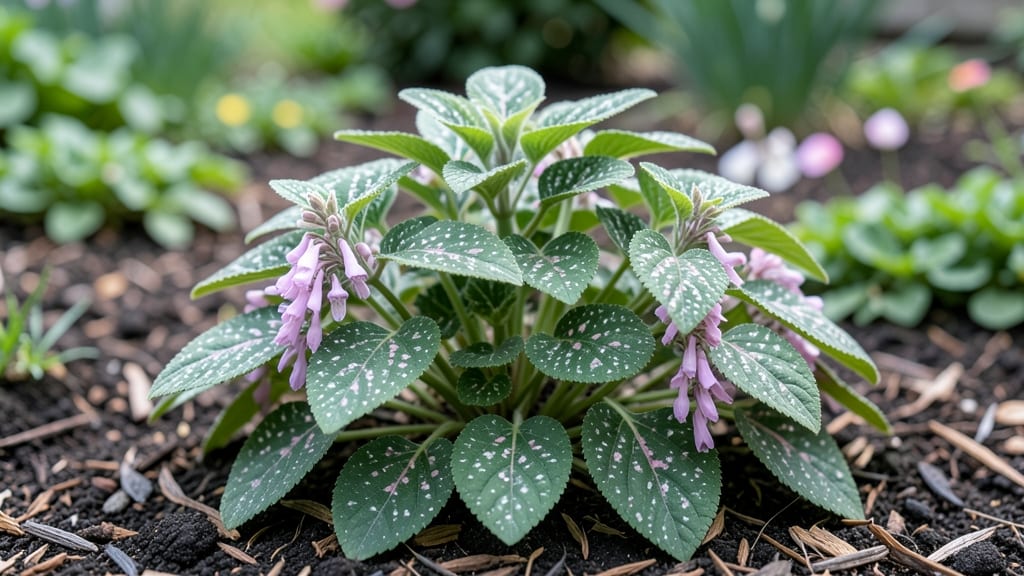
That fuzzy-leaved weed creeping into your garden isn't just unsightly—it's stealing nutrients from your prized plants. 🌱 I've battled lamb's quarters and chickweed enough to know the simple tricks that keep them from strangling your succulents and veggies while saving your garden's health. The good news?
These fuzzy invaders are often edible and even beneficial for pollinators, but their rapid spread can smother young plants. My go-to method involves a mix of hand-pulling at the right time, smothering with mulch, and a few organic sprays that work faster than store-bought chemicals.
By mid-afternoon on a sunny day, you'll have cleared enough space for your plants to breathe again. The fuzzy leaves will turn crispy at the edges, and your garden will look like it got a second chance at life—no more wilted edges or stunted growth.
Here's the kicker: timing matters. Pull them when the soil is moist but not soggy, and you'll see them pop right out. The key is consistency—check your garden weekly during growing season, and you'll keep these fuzzy troublemakers under control.
📚 In This Guide
- What you need
- Instructions
- Tips and common mistakes
- Wrapping up and next steps
What you need
- ● 1-2 fuzzy-leaved weeds – Choose healthy stems (3–6 inches long) with at least 2–3 leaf nodes.
- ● Well-draining potting mix – 1–2 gallons (for repotting). Use a cactus/succulent blend or mix inorganic grit (like perlite or pumice) for aeration.
- ○ Small pots or containers – 4–6 inches in diameter (ensure drainage holes!). Optional: Use recycled containers with holes drilled in.
- ○ Rooting hormone (optional but helpful) – A small tube or powder to boost root growth.
- ● Spray bottle – For gentle hydration (avoid soaking!).
- ● Pruning shears or sharp scissors – Sterilized to prevent infection.
- ● Bright, indirect light source – A sunny windowsill or grow light (6+ hours/day).
- ○ Gloves (optional) – Protects hands from potential sap irritation.
- ● Hydrogen peroxide (3%) – 1–2 tbsp in water for sterilizing cuts or tools.
- ● Label markers – To track progress (e.g., "Revived 5/2024").
- ○ Humidity dome (optional) – Clear plastic wrap or a small propagator to retain moisture during rooting.
How to revive wilted plants with fuzzy leafed weed
Here's the simple method I've used to bring back drooping plants—no fancy tools or guesswork.
🌿 Step 1: Identify the Fuzzy Leafed Weed
Look for plants with soft, velvety leaves that appear fuzzy to the touch—common examples include lamb's ear (Stachys byzantina) or dusty miller (Artemisia stelleriana). These plants thrive in similar conditions to struggling plants and can be easily harvested without harming the parent plant.
Snip healthy leaves using clean pruning shears, focusing on the outer growth. You only need a small handful—about a ¼ cup of leaves—to create a nutrient-rich infusion. Avoid diseased or yellowing leaves, as they can introduce problems rather than solutions.
💧 Step 2: Create the Weed Infusion
Fill a quart-sized jar with fresh water and add your fuzzy leaves. Cover loosely with a lid or cloth to allow airflow while keeping debris out. Let the mixture steep in a cool, dark place for 24-48 hours—this timeframe allows the leaves to release beneficial nutrients without turning bitter.
Stir the mixture gently once or twice daily. You'll notice the water take on a pale green tint, signaling the infusion is working. If the water smells unpleasant after 24 hours, strain and start fresh—this indicates the leaves have begun to spoil.
☀️ Step 3: Apply to Wilted Plants
Strain the infusion through a fine mesh sieve or cheesecloth into a clean spray bottle. Test the liquid on a small area of the plant first—if no adverse reaction occurs within 1 hour, proceed with full application. Spray the foliage thoroughly, focusing on the undersides of leaves where nutrients are absorbed most efficiently.
Apply in the early morning or late afternoon to avoid harsh sunlight, which can stress plants already recovering. Repeat every 2-3 days until the plant shows signs of revival—look for perked-up leaves and new growth within 5-7 days. Overwatering with the infusion can cause fungal issues, so use it as a supplement, not a replacement for proper hydration.
✂️ Step 4: Support Plant Recovery
While the infusion works its magic, give your plant extra care. Trim any severely wilted or brown leaves to redirect energy to healthier growth. Ensure the plant receives bright, indirect light—direct sun can scorch weakened foliage, while too little light slows recovery.
Keep the soil consistently moist but not soggy. Stick your finger 1 inch into the soil—if it feels dry, water deeply. Avoid fertilizers during this time, as they can overwhelm a plant still recovering from stress. Patience is key—some plants revive in a week, while others may take up to 3 weeks to show full improvement.
🌱 Step 5: Maintain Healthy Growth
Once your plant is revived, continue using the fuzzy leafed weed infusion monthly as a preventative measure, especially during heatwaves or drought. Store any leftover infusion in the refrigerator for up to 5 days, shaking gently before each use to redistribute nutrients.
Rotate your fuzzy leafed plants seasonally to ensure a steady supply. If you notice the leaves losing their fuzziness, it’s time to harvest new growth. This method isn’t just a quick fix—it’s a sustainable way to keep your garden thriving with minimal effort.
Tips & tricks for perfect fuzzy leafed weed infusion
Here's what nobody tells you about getting the most out of your fuzzy leafed weed revival method—these are the little things that make all the difference.
Leaf Selection Matters: The key to a potent infusion lies in choosing the right leaves. Focus on the softest, most velvety leaves from the outer growth of your fuzzy plants. The younger, more tender leaves contain the highest concentration of revitalizing compounds. I've found that lamb's ear leaves work best when they're still fully fuzzy—once they start losing their texture, their effectiveness diminishes. Avoid any leaves that show signs of browning or yellowing, as these can introduce unwanted pathogens to your infusion.
Steeping Time is Critical: The 24-48 hour steeping window is where the magic happens, but timing is everything. For the most effective infusion, aim for the full 48 hours if possible—this gives the leaves ample time to release their nutrients without turning bitter. I've noticed that after exactly 24 hours, the water takes on that lovely pale green tint, but the most potent infusion develops after the full two days. If you're short on time, you can use the 24-hour version, but you'll want to apply it more frequently (every other day instead of every 2-3 days) to achieve the same results.
Application Technique: When it comes to applying your infusion, less is often more. Start with a light misting rather than soaking the leaves—this prevents waterlogging while still delivering nutrients. I've learned the hard way that drenching plants can actually suffocate their roots and create conditions for fungal growth. Focus on the undersides of leaves where the stomata (tiny pores) are most abundant. For larger plants, consider using a spray bottle with a fine mist setting to ensure even coverage without oversaturating the foliage.
Storage Wisdom: If you're making a large batch of infusion, store it properly to maintain its potency. The instructions mention refrigerating for up to 5 days, but I've found that adding a splash of apple cider vinegar (about 1 teaspoon per quart) can extend the shelf life to nearly 2 weeks while preserving the nutrients. Just be sure to shake well before each use—the nutrients tend to settle at the bottom. For long-term storage, you can freeze the infusion in ice cube trays and thaw as needed, though some of the delicate plant compounds may break down over time.
Pro Tips for Fuzzy Leafed Weed
- Here's what nobody tells you about getting the most out of your fuzzy leafed weed revival method—these are the little things that make all the difference.
- Leaf Selection Matters: The key to a potent infusion lies in choosing the right leaves.
- Steeping Time is Critical: The 24-48 hour steeping window is where the magic happens, but timing is everything.
Frequently asked questions
Got questions about fuzzy-leaved weeds and how to tackle them?
You’re not alone! Here are some of the most common concerns—plus straightforward answers to help you keep your succulents thriving.
Is fuzzy-leaved weed actually harmful to my succulents?
Fuzzy-leaved weeds (like Lamb’s Ear or Henbit) aren’t typically toxic, but they compete for water, nutrients, and sunlight. Left unchecked, they can stress your succulents by crowding roots or shading them. Remove them promptly to avoid stunted growth or pest attraction.
When is the best time to pull fuzzy-leaved weeds?
Spring or early fall is ideal—soil is moist but not waterlogged, making weeds easier to uproot. Avoid pulling after rain or watering, as wet soil can break succulent roots. Pro tip: Wait until the weed is actively growing (not dormant in winter) for cleaner removal.
What’s the easiest way to remove fuzzy-leaved weeds without damaging my succulents?
Use a hand trowel or gardening fork to gently loosen weeds from the soil, then pull from the base. For stubborn roots, drench the area with vinegar (5% acetic acid) or spot-treat with a natural herbicide like corn gluten meal. Always water your succulents afterward to recover.
Can I reuse soil after removing fuzzy-leaved weeds?
If weeds were sparse, you can refresh the soil by mixing in perlite or coarse sand to improve drainage. For heavy infestations, replace the top 2–3 inches of soil and sterilize with boiling water or a baking soda solution (1 cup per gallon) to kill lingering weed seeds.
How do I prevent fuzzy-leaved weeds from coming back?
Combine these low-maintenance strategies:
- Mulch with gravel or succulent-safe pebbles to block sunlight.
- Apply pre-emergent herbicide (like corn gluten) in early spring.
- Space succulents 3–4 inches apart to reduce weed growth gaps.
- Water deeply but infrequently—weeds thrive in damp soil!
Wrapping up and next steps
Dealing with wilted succulents or fuzzy-leafed weeds doesn’t have to be a struggle! With the right tools—like pruning shears, a clean workspace, and a little patience—you can revive even the most droopy plants and keep your garden thriving. Remember, consistency is key, whether you’re trimming, propagating, or repotting.
Ready to give your plants a second chance? Start small—pick one plant to refresh today! 🌱 Whether you’re a beginner or a seasoned gardener, every green thumb begins with a single step. Happy gardening! 🌿