
Pests
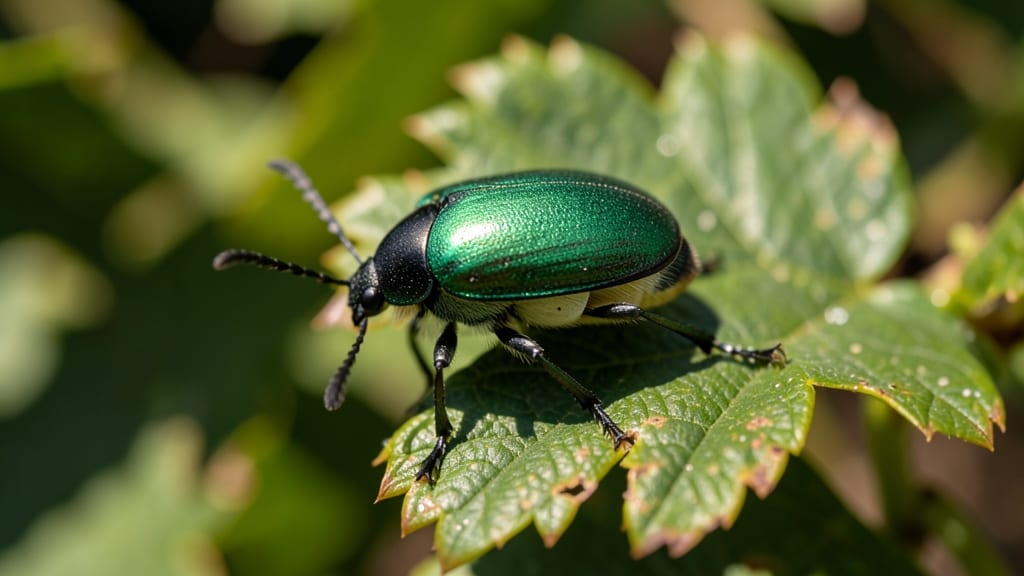
Your grapevines are being eaten alive by tiny black beetles, and the damage looks like lace. 🌿 The grape leaf beetle turns lush foliage into skeletonized messes in weeks—but I’ve stopped them cold using three simple, organic methods that actually work.
These beetles thrive in warm weather, chewing through leaves and leaving your plants stunted or stressed. The key to beating them is acting fast: handpick adults, disrupt their life cycle, and introduce their natural predators before they multiply. I’ve saved multiple vines using just these techniques.
By following these steps, you’ll see fewer beetles within days and healthier vines by summer’s end. The best part? No harsh chemicals needed—just smart timing and a few targeted tools. Works for grapes, raspberries, and other susceptible plants. Let’s get those leaves back to full and strong!
Root Causes Behind Infestations
Understanding why these pests invade your grapevines is the first step to stopping them. The grape leaf beetle (Altica chalybea) doesn’t just show up randomly—its presence is tied to specific ecological and agricultural factors.
Let’s break down the key reasons these beetles target your crops, so you can address the problem at its source.
Grape leaf beetles are attracted to weakened or overripe foliage because it’s easier for them to feed on and lay eggs in. When grapevines experience stress—whether from drought, nutrient deficiencies, or poor pruning—the leaves become softer and more vulnerable.
- Drought Stress: Underwatered vines produce thinner, more tender leaves that beetles prefer.
- Nutrient Deficiencies: A lack of nitrogen or potassium weakens leaf structure, making them an easy snack.
- Overripe Foliage: Older leaves (especially in late summer) are less tough, signaling to beetles that they’re a prime feeding ground.
Actionable Fix: Ensure your vines are well-watered (1–2 inches per week) and fertilized with a balanced organic formula (like compost tea or fish emulsion). Prune aggressively in early spring to remove damaged growth before beetles arrive.
Beetles thrive in messy, cluttered environments where they can hide, mate, and overwinter. If your grapevines are surrounded by leaf litter, fallen fruit, or unmanaged weeds, you’re essentially rolling out the welcome mat.
- Leaf Litter & Mulch: Decaying grape leaves and thick mulch layers provide egg-laying sites and shelter for larvae.
- Weeds & Brush: Tall grasses and brush near vines create microclimates that protect beetles from predators and pesticides.
- Old Fruit & Canopies: Overgrown canopies trap moisture, making it easier for beetles to survive and reproduce.
Actionable Fix: Practice regular cleanup—remove fallen leaves, prune dead branches, and mow weeds within 3 feet of vines. Use straw mulch (instead of thick organic matter) to deter beetles while still protecting soil moisture.
In a healthy ecosystem, birds, parasitic wasps, and ground beetles keep grape leaf beetle populations in check. But when these predators decline—due to pesticide overuse, habitat loss, or monoculture farming—the beetles multiply unchecked.
- Broad-Spectrum Pesticides: Chemicals like neonicotinoids and pyrethroids kill beneficial insects first, leaving beetles with no natural enemies.
- Monoculture Farming: Large, single-crop vineyards offer fewer hiding spots for predators and more uniform food sources for beetles.
- Urbanization & Habitat Fragmentation: Fewer wild areas mean fewer birds and insects that prey on beetles.
Actionable Fix: Reduce or eliminate harsh chemical sprays and introduce beneficial insects like:
- Ladybugs (devour beetle eggs)
- Praying mantises (hunt adults)
- Parasitic wasps (target larvae)
Plant diverse ground covers (like clover or wildflowers) to attract predator species.
Grape leaf beetles love warmth and moisture—ideal conditions for their lifecycle. If your vineyard has shaded, damp areas (like dense canopies or low-lying spots), beetles will cluster there to feed and reproduce.
- Thick Canopies: Trap humidity, creating beetle hotspots where adults and larvae thrive.
- Poor Airflow: Stagnant air prevents leaves from drying quickly, making them more appealing to beetles.
- Southern Exposures: Vines facing south or southwest overheat, accelerating beetle activity.
Actionable Fix:
- Thin canopies to improve airflow (aim for 30–50% sunlight penetration).
- Avoid overhead irrigation (use drip systems to keep leaves dry).
- Plant windbreaks (like grapevine trellises with open spacing) to reduce humidity buildup.
Beetles don’t stay in one place—they migrate in search of food and shelter. If neighboring farms or wild grape patches (like riverbanks or forests) are infested, your vines are at high risk of a secondary invasion.
- Early Spring Migration: Beetles move from overwintering sites (like leaf litter or woodpiles) to fresh grape foliage.
- Summer Spread: Warm temperatures trigger mass egg-laying, leading to rapid population growth.
- Late Summer Dispersal: As leaves toughen, beetles seek out younger, softer growth in nearby areas.
Actionable Fix:
- Monitor neighboring properties for infestations (especially wild grapevines).
- Set up pheromone traps in early spring to catch migrating adults before they lay eggs.
- Coordinate with local farmers to time treatments (e.g., neem oil sprays) to break the beetle’s lifecycle.
Quick Fixes for Leaf Munchers
If your garden’s leafy greens are turning into a beetle buffet, don’t panic—there are effective, organic ways to reclaim your plants without harsh chemicals. The key is acting fast and targeting the root causes (literally!).
Below, we break down practical solutions tailored to how these pests invade, from early detection to long-term prevention.
If you’ve spotted skeletonized leaves or tiny black beetles scurrying away, act now to prevent further damage.
🍳 Handpick & Trap Them
- 👨🍳 Morning Patrol: Beetles are sluggish in the cool hours. Shake plants over a bucket of soapy water (1 tbsp dish soap + water) to drown them.
Repeat daily for 3–5 days. - 🥘 DIY Beer Trap: Bury a shallow container filled with beer or apple cider vinegar near infested plants. The yeast scent lures them in—dispose of them daily.
🔪 Prune & Remove Damage
- ⏰ Trim Infested Foliage: Cut off heavily damaged leaves and drop them in a sealed bag (not the compost!). Beetles hide in debris, so remove their shelter.
- 🌱 Quarantine New Plants: If buying nursery stock, inspect leaves before bringing them home.
A quick spray with neem oil (see below) adds an extra layer of protection.
Prevent future invasions with natural repellents and plant choices that deter these pests.
💡 Spray Solutions (Safe for Edibles)
| Method | How to Use | Frequency |
|---|---|---|
| Neem Oil | Mix 1 tsp neem oil + 1 tsp mild soap + 1 quart water. Spray evenly on leaves (avoid blooms). | Every 5–7 days until no new beetles appear. |
| Garlic Pepper Spray | Blend 4 garlic cloves + 1 tbsp cayenne + 1 quart water. Strain and spray. | Weekly (reapply after rain). |
| Kaolin Clay | Apply Surround WP (food-grade clay) as a white, chalky barrier. Beetles hate the texture! | Every 2 weeks or after rain. |
🌿 Plant Allies & Traps
- 🌱 Companion Planting: Interplant with marigolds, basil, or thyme—their strong scents mask plant odors that attract beetles.
- 🐝 Encourage Predators: Ladybugs and lacewings devour grape leaf beetle larvae.
Attract them with dill, fennel, or a shallow water dish with pebbles. - 🌡️ Heat & Light Trick: Install a yellow sticky trap near plants. Beetles are drawn to the color—check traps daily and replace when saturated.
Once you’ve kicked them out, keep them out with these low-effort habits:
- 🎯 Mulch Smartly: Use straw or wood chips (not fresh grass clippings) to deter beetles from laying eggs in moist soil. - 🌱 Rotate Crops: Avoid planting grapes or similar hosts (like raspberries) in the same spot yearly—beetles remember! - 🔥 Solarize Soil (Advanced): For severe cases, cover infested beds with clear plastic for 4–6 weeks in hot sun.
The heat kills eggs and larvae. - 📊 Monitor Early: Check undersides of leaves weekly. Eggs are tiny (orange-yellow clusters)—remove them before they hatch!
Pro Tip: 💡 Timing is everything! Grape leaf beetles are most active in late spring to early summer. Start treatments before you see major damage for best results.
Frequently asked questions
What do grape leaf beetle eggs look like?
Grape leaf beetle eggs are tiny—about 1/16-inch long—and appear as small, orange-yellow clusters on the undersides of leaves. They’re often found in groups of 10-20 near leaf veins. Check undersides weekly during spring and summer to catch them before hatching.
Can neem oil harm my grapevines if used too often?
Neem oil is safe when used correctly, but overapplication can stress plants. Stick to every 5-7 days during active infestations, and avoid spraying during blooming periods (it may affect pollinators). Always dilute with water and mild soap for best results.
How long does it take for homemade sprays to work?
Most DIY sprays (like garlic pepper or neem oil) show results within 24-48 hours of application, but you’ll need to reapply every 5-7 days for full control. For severe infestations, combine sprays with handpicking for faster results. Consistency is key!
Are grape leaf beetles harmful to humans or pets?
No, these beetles aren’t dangerous—they don’t bite humans or pets. However, their larvae can sometimes be found in compost piles, so avoid letting pets dig in heavily infested areas. Always wash fruits/veggies before eating from treated plants.
What plants do grape leaf beetles attack besides grapes?
They love raspberries, blackberries, and muscadine grapes—any plant in the grape family (Vitaceae). You might also find them on virginia creeper, poison ivy, and even some ornamental vines. Early detection on these plants prevents spread to your main crops.