
Neem Oil
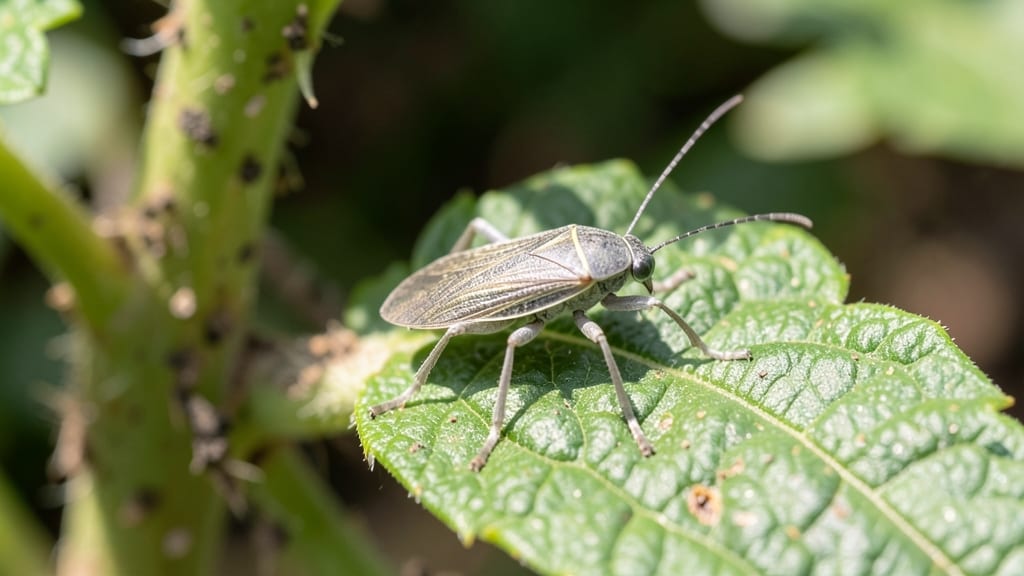
Gray leaf-footed bugs are the sneaky pests turning your lush garden into a sad, sticky mess. 🌿 I’ve battled these sap-sucking invaders in my own yard, and let me tell you—neem oil isn’t just a solution, it’s a game-changer for long-term defense.
These tiny gray-green bugs leave behind curled leaves, wilting stems, and deformed fruit, but with the right approach, you can outsmart them before they ruin your harvest.
The problem starts when they cluster on the undersides of leaves, injecting toxins while they feed. Within days, your plants look stressed—yellowing, stunted, or covered in black sooty mold from their honeydew. The good news?
Neem oil disrupts their life cycle, starving them out while protecting your plants. It’s not just about spraying—timing and technique matter, and I’ll walk you through the exact steps that actually work.
By the end, your garden will bounce back with stronger foliage and fewer pests. You’ll recognize early warning signs, know when to apply neem oil (and how to do it right), and even use companion plants to keep these bugs away naturally.
No more guessing—just a foolproof plan to reclaim your garden.
Whether you’re dealing with a small infestation or trying to prevent one, this method works for tomatoes, peppers, beans, and more. Let’s get your plants thriving again—without the chemical overkill.
Why it happens
When gray leaf-footed bugs (or their close relatives) invade your garden, they don’t just nibble—they leave behind a trail of damage that can stress plants and even kill young seedlings.
Understanding why these pests target your plants is the first step to stopping them. Below, we break down the science behind their behavior, from their natural instincts to environmental triggers.
🌱 Hunger-Driven Feeding Habits
The primary reason these bugs attack plants is simple: they’re hungry. Gray leaf-footed bugs (and similar stink bugs) are piercing-sucking insects, meaning they insert their straw-like mouthparts into plant tissue to extract sap. Unlike chewing insects, they don’t eat large chunks—they drain nutrients, leaving behind:
- Stippled or "window-pane" damage: Tiny, translucent spots where sap has been sucked out, creating a lace-like pattern.
- Yellowing or browning leaves: Cells collapse from dehydration after nutrient loss.
- Premature leaf drop: Severe feeding weakens the plant’s ability to photosynthesize.
🔬 Why now? These bugs thrive in late summer to fall because:
- Mature plants have softer, nutrient-rich tissue (ideal for sap extraction).
- Cooler temperatures slow plant recovery, making damage more visible.
- They seek high-sugar foods as days shorten, mimicking the energy boost of ripening fruits.
💡 Actionable insight: Young plants and stressed trees (e.g., drought-affected) are prime targets. Monitor these first during outbreaks.
🏡 Environmental Stressors Attract Them
Gray leaf-footed bugs aren’t random—they’re drawn to weakened or distressed plants. Here’s what makes your garden a buffet:
| Stressor | Why It Helps Bugs | How to Fix It |
|---|---|---|
| Drought stress | Plants produce more sugars to survive, which bugs detect as a "high-value" meal. | Deep watering 1–2x/week (check soil 2" down—it should be moist). |
| Fertilizer imbalances | Excess nitrogen = softer, juicier leaves (like a fast-food meal for bugs). | Use balanced fertilizer (10-10-10) and avoid over-fertilizing. |
| Poor drainage | Waterlogged roots = stunted growth, making plants easier to penetrate. | Amend soil with compost or perlite to improve aeration. |
| Weedy areas | Weeds like pigweed or lambsquarters are preferred hosts—bugs move to your prized plants when these run out. | Remove weeds within 50 feet of garden beds. |
🌡️ Pro tip: Bugs also love warm microclimates. If your garden has south-facing walls or black mulch, these spots get hotter and attract more pests. Use light-colored mulch or shade cloth to cool the area.
🐝 Natural Predator Disruption
In a healthy ecosystem, gray leaf-footed bugs have natural enemies that keep their populations in check. But when these predators vanish, the bugs multiply unchecked. Common disruptors include:
- Pesticide overuse: Broad-spectrum sprays (like synthetic pyrethroids) kill beneficial insects first—think lady beetles, lacewings, and parasitic wasps that prey on bug eggs.
- Habitat loss: Removing native plants or brush piles eliminates hiding spots for predators.
- Monoculture gardening: Planting large blocks of one crop (e.g., a single tomato patch) creates a "bug buffet" with no diversity to dilute infestations.
🔥 Why it matters: A single lady beetle can eat 50–100 stink bug eggs in its lifetime. Without them, your plants become an all-you-can-eat salad bar.
🎯 Solution: Encourage biodiversity with:
- Planting flower borders (e.g., dill, fennel, or cosmos) to attract predator insects.
- Avoiding neonicotinoid-treated seeds (they harm pollinators and predators).
- Leaving leaf litter or mulch in corners of the garden for overwintering beneficial insects.
How to Treat & Prevent Leaf Damage
Discovering gray leaf-footed bugs feasting on your garden can be frustrating, but with the right approach, you can reclaim your plants and keep these pests at bay.
Below, we’ve mapped out practical solutions tailored to the root causes—whether it’s early detection, organic control, or long-term prevention. Let’s get your garden back in shape!
Catching these pests early is your best defense. Gray leaf-footed bugs (GLFB) leave behind distinctive signs, so know what to look for:
- 🍃 Holes or notches along leaf edges (they prefer young, tender leaves).
- 🐛 Adult bugs hiding under leaves or along stems (gray with orange markings).
- 🥚 Black, sticky droppings (frass) on leaves and soil below.
💡 Pro Tip: Check plants weekly during warm months, especially in tomato, pepper, and eggplant beds—their favorite snacks!
Neem oil isn’t just a buzzword—it’s a powerhouse for repelling and disrupting GLFB life cycles. Here’s how to use it effectively:
👨🍳 Step-by-Step Neem Oil Spray Recipe
You’ll need:
- 1 tbsp cold-pressed neem oil
- 1 tsp honey or dish soap (as an emulsifier)
- 1 quart water
- 🔪 Spray bottle (16 oz or larger)
- 🔥 Mix: Combine neem oil, soap, and water in a bowl. Stir vigorously for 1–2 minutes until fully blended.
- 🍳 Strain: Pour through a fine mesh strainer to remove clumps (so your sprayer doesn’t clog).
- ⏰ Apply: Spray undersides of leaves (where bugs hide) and stems at dusk or dawn (avoid direct sunlight—it can burn plants).
- 🌿 Reapply: Every 5–7 days or after rain, as neem oil degrades quickly.
💡 Pro Tip: For heavy infestations, add 1 tsp garlic oil to the mix—it confuses their scent trails and deters them further!
Sometimes, a mix of physical removal and garden habits works better than chemicals. Try these:
🔪 Handpick & Trap Them
- 🕵️ Morning patrols: GLFBs are slow-moving. Pick them off leaves and drop them into soapy water.
- 🍎 Yellow sticky traps: Place traps near plants to catch flying adults. Replace every 2 weeks.
- 🌿 Row covers: Use lightweight fabric over young plants to block adults from laying eggs.
🌱 Adjust Your Garden Routine
- 💦 Water deeply but infrequently: GLFBs love stressed plants. Keep soil moist but not soggy.
- 🍅 Avoid over-fertilizing: Lush, soft new growth attracts them. Use balanced fertilizer.
- 🌿 Rotate crops: Don’t plant tomatoes/peppers in the same spot yearly—the bugs return!
- 🌱 Plant repellent companions: Basil, marigolds, and nasturtiums deter GLFBs with their strong scents.
Prevention is about breaking the cycle. Here’s how to make your garden less inviting:
| Tactic | How It Works | When to Do It |
|---|---|---|
| 🌱 Interplant flowers | Diverse foliage confuses bugs and attracts beneficial predators like ladybugs. | Spring & Fall (before planting season) |
| 🌿 Mulch heavily | Thick mulch (straw or wood chips) disrupts egg-laying and retains moisture. | Early spring (after soil warms) |
| 🐝 Encourage predators | Plant dill, fennel, or alyssum to attract parasitic wasps and spiders. | Year-round (especially summer) |
| 🌡️ Monitor egg masses | Check undersides of leaves for yellow eggs in clusters. Scrape them off! | Weekly during growing season |
💡 Pro Tip: If GLFBs persist, try kaolin clay (like Surround WP). It creates a protective film that bugs dislike!
With these strategies, you’ll not only stop current damage but also create a garden these pests won’t want to revisit. Stay vigilant, and your plants will thrive!
Frequently asked questions
How do I tell gray leaf-footed bugs apart from other stink bugs?
Gray leaf-footed bugs have distinctive orange or red markings on their legs and a gray body, while regular stink bugs are more uniformly brown or green. They also leave notched holes along leaf edges—unlike stink bugs that cause general yellowing. Check the undersides of leaves for clusters of yellow eggs.
Will neem oil harm my plants if I use it too often?
Neem oil is safe when used correctly, but applying it more than every 5-7 days can stress plants. Always mix with honey or dish soap (1 tsp per quart) to help it stick, and avoid spraying during peak sunlight to prevent leaf burn. For heavy infestations, alternate with other methods like handpicking.
Why do these bugs keep coming back even after I treat them?
They often return because eggs survive in soil or hidden crevices. Check plant undersides for yellow egg clusters and scrape them off. Also, remove nearby weeds (like pigweed) that serve as host plants. Consistent neem oil applications and companion planting (basil/marigolds) disrupt their life cycle.
Can I use neem oil on fruit-bearing plants like tomatoes?
Yes, but apply it before fruit sets (when flowers appear) to avoid any potential residue. For existing fruit, switch to kaolin clay or garlic oil sprays. Always rinse produce thoroughly before eating. Neem oil is organic and safe when used as directed, but timing matters for edible crops.
What’s the fastest way to get rid of a severe infestation?
Combine neem oil spray (daily for 3 days), handpicking adults into soapy water, and yellow sticky traps. For large gardens, add row covers over vulnerable plants. Check egg masses weekly and scrape them off—this three-pronged attack disrupts their breeding cycle fastest.