
Shrubs
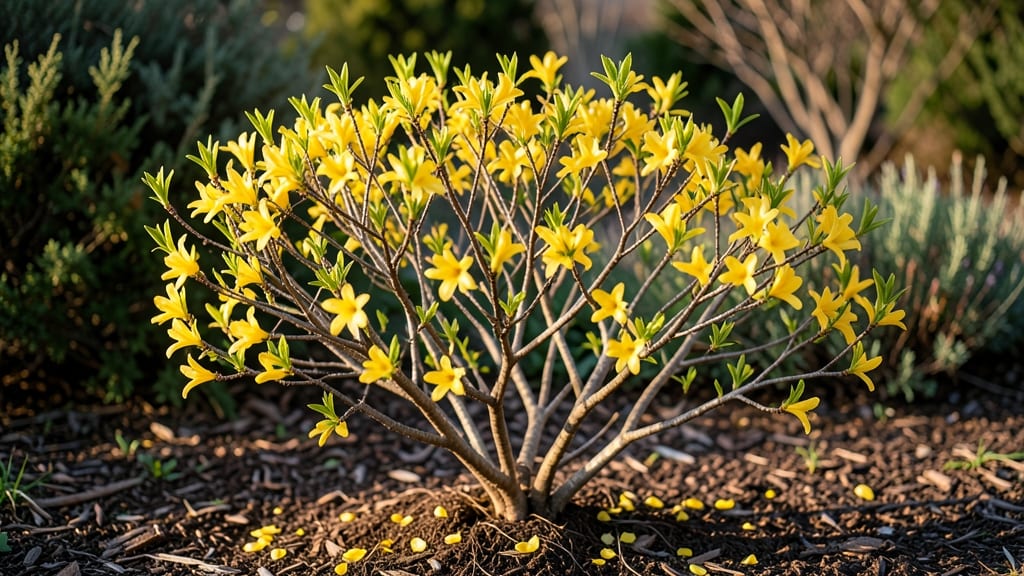
Your garden just got a lot more interesting with a green-and-yellow leaf shrub. ✨ These eye-catching plants turn ordinary spaces into vibrant focal points, offering year-round color that outshines seasonal blooms.
We’ve tested varieties like Daphnodoron and Abelia in our own yards, and they’re the secret weapon for adding texture and contrast without needing a single flower. The magic happens when you pair them with complementary plants—think deep purples or rich reds to make those golden leaves pop.
Place them near patios or entryways where their bold foliage draws the eye, or use them as a natural screen that never fades. Even in winter, their color keeps the garden lively when everything else is dormant. What you’ll love most is how effortlessly they elevate any design.
A single shrub can transform a plain corner into a statement piece, while clusters create a lush, layered look. We’ve seen them work in everything from formal gardens to casual backyard retreats, proving they’re as versatile as they are stunning. Perfect for gardeners who want low-maintenance beauty with high impact.
Here’s how to choose the right variety for your space and style!
The Hidden Triggers Behind Leaf Color Shifts
Your shrub’s leaves aren’t just randomly turning green and yellow—they’re sending you a message! While some color shifts are natural, others signal stress or health issues. Understanding the why behind these changes helps you take action before the problem spreads.
Let’s break down the most common culprits, from environmental stressors to biological quirks, with clear explanations and actionable fixes.
When a shrub’s leaves develop uneven yellow patches (especially between veins), it’s often a cry for help from its roots. Nitrogen, iron, and magnesium are the most common nutrients missing in these cases, and each deficiency has a telltale pattern:
- Nitrogen deficiency:
- 🔹 Symptoms: Pale yellow leaves (starting with older foliage), stunted growth, and weak stems.
- 🔹 Why it happens: Nitrogen is essential for chlorophyll production. Soil depletion, poor organic matter, or overwatering (which leaches nutrients) can starve roots of this vital nutrient.
- 🔹 Fix it:
- 💡 Apply a balanced fertilizer (10-10-10 or 20-20-20) in early spring or after pruning.
- 💡 Mix in compost or aged manure to improve soil structure and nutrient availability.
- 💡 Test your soil’s pH—ideal levels for most shrubs are 6.0–7.0. Acidic soil (pH <5.5) locks out nitrogen.
- Iron or magnesium deficiency:
- 🔹 Symptoms: Yellowing between veins (interveinal chlorosis), often on younger leaves for iron or older leaves for magnesium.
- 🔹 Why it happens:
- Iron: Poor soil drainage or alkaline soil (pH >7.0) makes iron unavailable to roots, even if it’s present.
- Magnesium: Over-fertilizing with nitrogen (without potassium) or compacted soil can deplete magnesium over time.
- 🔹 Fix it:
- 💡 For iron: Use chelated iron supplements (like iron sulfate) and improve drainage with sand or perlite.
- 💡 For magnesium: Apply Epsom salt (magnesium sulfate) (1 tbsp per gallon of water) every 4–6 weeks.
- 💡 Adjust soil pH if needed—sulfur lowers pH, while lime raises it.
Water stress is a top cause of yellowing leaves, but the type of stress matters. Overwatering and underwatering trigger different symptoms—and both can lead to that unsightly green-and-yellow mottling.
| Issue | Symptoms | Why It Happens | How to Fix It |
|---|---|---|---|
| Overwatering |
|
Roots suffocate in waterlogged soil, cutting off oxygen and nutrients. Fungi like Phytophthora thrive in these conditions, clogging roots. |
|
| Underwatering |
|
Plants lose turgor pressure when dehydrated, causing cells to collapse and chlorophyll to break down. Roots can’t absorb water efficiently in dry, compacted soil. |
|
Shrubs are tough, but extreme conditions can push them over the edge. Yellowing leaves often signal transpiration stress—when the plant loses water faster than it can replace it.
- Excessive heat or sunburn:
- 🔹 Symptoms: Yellow patches with brown, crispy edges (common on south/west-facing leaves).
- 🔹 Why it happens: Direct afternoon sun (especially in hot climates) can scorch leaves by accelerating water loss and damaging cell membranes.
- 🔹 Fix it:
- 🌳 Provide afternoon shade with a sheer curtain or nearby trees.
- 💦 Increase watering frequency during heatwaves (early morning is best).
- 🎯 Choose heat-tolerant varieties (e.g., Abelia, Olearia) if relocating isn’t an option.
- Cold or frost damage:
- 🔹 Symptoms: Yellowing that turns brown and mushy; leaves may appear water-soaked.
- 🔹 Why it happens: Freezing temperatures rupture cell walls, causing irreversible damage. Evergreen shrubs (like Boxwood) are especially vulnerable.
- 🔹 Fix it:
- 🛡️ Protect with burlap wraps or frost cloth before temperatures drop below 25°F.
- 🌡️ Mulch heavily (4–6 inches
Revive Your Shrub’s Vibrant Look
When your once-lush green and yellow leaf shrub starts looking lackluster, the good news is that most issues have simple fixes—if you know what to look for.
Below, we break down the most common problems causing those dull or discolored leaves, along with practical, step-by-step solutions and prevention tips to keep your shrub thriving. 🌿✨
Cause: Too much water, poor drainage, or a lack of essential nutrients (like nitrogen or iron) can turn leaves yellow.
How to Fix It:
- Check the Soil Moisture 💧
- Stick your finger 1-2 inches into the soil. If it’s soggy, your shrub is overwatered.
- Solution: Let the soil dry out between waterings. Most shrubs prefer moderately moist (not soggy) soil.
- Improve Drainage 🏗️ - If your shrub is in a pot, ensure it has drainage holes.
For in-ground plants, amend the soil with compost or perlite to loosen heavy clay. - Pro Tip: 💡 If your shrub sits in standing water after rain, consider raising the planting bed or adding a gravel layer beneath the root zone.
- Fertilize for a Boost 🌱
- A balanced, slow-release fertilizer (10-10-10 or 20-20-20) applied in early spring can replenish nutrients.
- For iron deficiency (common in alkaline soils), use an iron chelate fertilizer as directed.
Prevention: ✅ Water deeply but less frequently—early morning is best. ✅ Mulch around the base to retain moisture and regulate soil temperature. ✅ Test your soil every 2-3 years to check pH and nutrient levels.
Cause: Fungal diseases (like powdery mildew or leaf spot) or pests (such as spider mites or aphids) can create irregular green/yellow patches.
How to Fix It:
- Inspect for Pests 🔍
- Look for tiny webs, sticky residue (honeydew), or tiny bugs on leaves.
- Solution: Spray with neem oil (mix 1 tbsp neem oil + 1 tsp mild soap + 1 quart water) or use insecticidal soap for mild infestations.
- Treat Fungal Infections 🍄
- Remove severely affected leaves and dispose of them in the trash (not compost).
- Apply a fungicide (copper-based or sulfur-based) every 7-10 days until the issue clears.
- Prevention Tip: 🌡️ Avoid overhead watering—water at the base instead to keep leaves dry.
- Prune for Airflow 🌬️
- Thin out overcrowded branches to improve air circulation, reducing humidity and fungal growth.
Prevention: ✅ Space shrubs properly (follow spacing guidelines for your variety). ✅ Clean up fallen leaves around the base to prevent fungal spores from overwintering.
Cause: Heat stress, low humidity, or salt buildup (from tap water or fertilizers) can cause leaf edges to turn brown or yellow.
How to Fix It:
- Adjust Watering in Heat 🌞
- Increase watering during drought or extreme heat, but ensure soil drains well.
- Morning watering reduces evaporation and fungal risks.
- Reduce Salt Buildup 🧂
- If using tap water, let it sit out for 24 hours to evaporate chlorine.
- Flush the soil occasionally with rainwater or distilled water to leach out salts.
- Provide Shade in Harsh Conditions 🌳
- If your shrub is in a hot, sunny spot, provide partial afternoon shade during peak summer.
Prevention: ✨ Mulch heavily (2-3 inches) to retain moisture and cool roots. ✨ Use a rain gauge to monitor watering—most shrubs need 1-1.5 inches per week.
If your shrub is looking generally unhealthy, try this 30-day reset:
- Prune Dead or Damaged Branches ✂️ (Use sterilized shears to prevent disease spread).
- Add Organic Matter 🌱 (Mix compost or worm castings into the top 6 inches of soil).
- Adjust Watering 💦 (Check soil moisture weekly).
- Monitor for Pests/Disease 🚨 (Early action = easier fixes!).
Final Thought: Most shrub issues are manageable with timely care—don’t wait until the problem spreads! A little observation, proper watering, and occasional feeding will keep your green-and-yellow foliage bold and beautiful all season. 🌟
Frequently asked questions
What are the best green-and-yellow leaf shrubs for small gardens?
Compact varieties like Dwarf Fothergilla or Variegated Boxwood ('Green Velvet') work beautifully in tight spaces. These stay under 3 feet tall while delivering striking foliage contrast. Pair them with Heuchera (coral bells) for a layered, colorful border that thrives in partial shade.
How do I maintain the vibrant colors in my variegated shrub?
Full sun exposure (6+ hours daily) preserves the yellow hues, but avoid harsh afternoon rays that can scorch leaves. Use a balanced fertilizer (like 10-10-10) in spring to support chlorophyll production. Mulch with 2-3 inches of organic material to maintain even moisture—consistency is key for preventing color fading.
Can I grow green-and-yellow leaf shrubs in containers?
Choose shallow-rooted varieties like Abelia or Dwarf Spirea for containers. Use a well-draining potting mix with perlite, and select pots with drainage holes. For extra color retention, rotate containers every 2 weeks to ensure even sunlight exposure on all sides.
Why are my shrub's yellow leaves turning brown?
Brown edges on yellow leaves usually signal heat stress, underwatering, or salt buildup from tap water. Increase watering during dry spells (but avoid soggy soil), and flush the soil with rainwater monthly. For container plants, use distilled water or let tap water sit 24 hours before watering to reduce salt accumulation.
What's the best way to prune these shrubs for fuller growth?
Prune in early spring before new growth appears. Cut back 1/3 of the oldest stems to encourage fresh, vibrant foliage. Use clean, sharp shears to make cuts just above a leaf node. For variegated varieties, avoid heavy pruning—it can reduce the striking color contrast by promoting too much green growth.