
Companion Plants
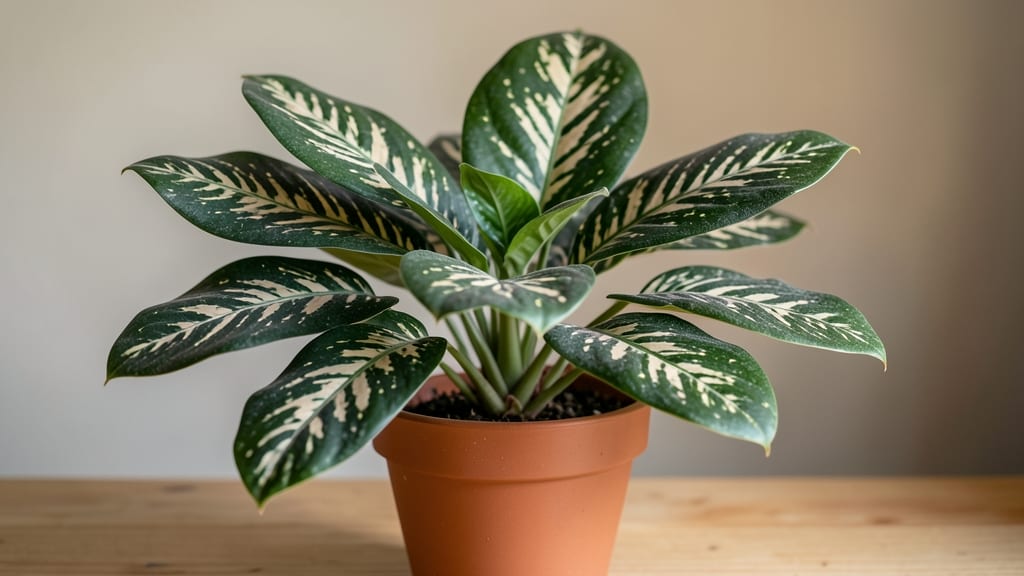
That white powdery film on the green leaf plant with white spots isn’t just dust—it’s likely powdery mildew, a fungal infection that spreads faster than you’d think. 🌱 I’ve seen it turn lush plants into sad, spotted shadows in just a few weeks, but the good news?
You can stop it in its tracks with the right moves.
Most cases start with poor airflow or wet leaves, especially in shady spots where humidity lingers. Overwatering or crowded plants make it worse, and once it takes hold, those white spots multiply like wildfire.
The key is catching it early—before the fungus moves to new leaves or spreads to nearby plants.
You’ll fix it by trimming infected leaves, adjusting watering habits, and using a simple spray of baking soda or neem oil (both work fast and organically). Within 5-7 days, you’ll see fresh green growth pushing through, and the white spots will fade—no harsh chemicals needed.
Prevention is even easier: space plants properly, water at the base (never overhead), and give them morning sun to dry quickly. Trust me, once you’ve dealt with this once, you’ll spot the warning signs before they become a full-blown problem.
Root Causes Of White Spots
White spots on green leaves—whether fuzzy, powdery, or greasy—are rarely a coincidence. They’re usually a plant’s distress signal, triggered by environmental stressors or microscopic invaders. Understanding the why behind these spots is the first step to restoring your plant’s health.
Let’s break down the most common culprits with clear, actionable science.
Fungi thrive in damp, warm conditions, and your plant’s white spots could be a sign of one of these common fungal foes:
- Powdery Mildew 🌬️ - What’s happening? Fungal spores (like Erysiphe or Podosphaera) land on leaves, germinate, and form a white, powdery coating that blocks sunlight.
This weakens photosynthesis, causing yellowing or stunted growth. - Why now? High humidity (above 70%), poor airflow, or overcrowded plants create the perfect fungal buffet.
Host plants like coleus, zinnia, or impatiens are especially vulnerable. - Actionable fix: Space plants apart to improve airflow and apply neem oil (1 tsp per quart of water) weekly. For severe cases, use fungicidal soap (2–3 tbsp per gallon of water).
- Downy Mildew 🌧️ - What’s happening? Unlike powdery mildew, downy mildew spreads white, fuzzy patches on undersides of leaves, often with yellow spots above.
It’s caused by Peronospora or Bremia species and thrives in wet foliage. - Why now? Overhead watering, rainy seasons, or shaded plants with poor drainage encourage spore germination.
This fungus doesn’t need direct sunlight to survive—just moisture. - Actionable fix: Water at the base (never overhead) and remove infected leaves immediately. Boost light exposure and consider copper fungicide (1 tbsp per gallon) for stubborn cases.
- Leaf Spot Fungi (Alternaria, Septoria) 🎯 - What’s happening? Tiny white or gray spots with dark borders appear, often with a greasy texture.
These fungi (like Alternaria solani) consume leaf tissue, leading to holes and defoliation. - Why now? Splashed water, contaminated tools, or old mulch harbor spores.
Warm, humid nights (75–85°F) accelerate spread. - Actionable fix: Sanitize pruners with rubbing alcohol between cuts. Mulch with straw (not wood chips) to reduce soil splatter. For prevention, rotate crops if gardening outdoors.
Not all white spots are fungal—some are pest party crumbs. Here’s how insects leave their mark:
- Mealybugs & Scale Insects 🐛🍯 - What’s happening? These sap-sucking pests excrete white, cottony waste (honeydew) that attracts sooty mold. Their bodies (scale) look like small white bumps on stems/leaves. - Why now? Dry air and weak plants (stressed by over/under-watering) attract them.
They spread via contaminated tools or new plants. - Actionable fix: Blast off pests with a soapy water spray (1 tsp mild soap per quart). Introduce ladybugs (natural predators) or use horticultural oil in dormant seasons.
- Whiteflies ✈️💨 - What’s happening? These tiny white moth-like insects cluster on undersides, leaving sticky white residue (honeydew) and causing yellowing leaves from sap loss. - Why now? They love warm, humid conditions (70–90°F) and new growth.
Greenhouse plants or indoor tropicals are prime targets. - Actionable fix: Sticky yellow traps near plants disrupt their mating. Neem oil (reapplied every 5–7 days) smothers eggs/larvae. Reflective mulch (aluminum foil) confuses them.
Sometimes, white spots aren’t biological—they’re your plant’s chemical SOS. Overreactions to environmental factors can mimic fungal/pest damage:
- Chlorosis (Nutrient Deficiency) 🌱⚠️ - What’s happening? White/yellow patches between leaf veins signal magnesium (Mg) or iron (Fe) deficiency, often due to alkaline soil (high pH) or over-fertilization with nitrogen. - Why now? Tap water (high in lime) or lime-treated soil locks out micronutrients.
Fast-growing plants (like coleus or caladium) deplete soil quickly. - Actionable fix: Test soil pH (ideal: 6.0–7.0). Amend with chelated iron or Epsom salt (1 tbsp per gallon of water, monthly). Flush soil with rainwater to remove excess salts.
- Chemical Burn (Over-Fertilization or Spray Drift) 🧪🔥 - What’s happening? White, crispy spots (like salt burns) appear after over-application of fertilizer, herbicides, or even well water with chlorine. - Why now? Synthetic fertilizers (especially high in salt) or spray drift from glyphosate damage leaf cuticles.
Indoor plants near air conditioners may suffer from dry, salt-laden air. - Actionable fix: Flush soil with distilled water. Use organic fertilizers (like fish emulsion) and avoid overhead spraying. Move plants away from AC vents or chemical storage areas.
| Symptom | Powdery Mildew | Downy Mildew | Mealybugs/Scale | Whiteflies | Nutrient Deficiency |
|---|---|---|---|---|---|
| Appearance | White powdery coating | White fuzzy undersides | Cottony white clusters | Sticky white residue | White/yellow between veins |
| Leaf Surface | Top only | Bottom only | Stems/leaves | Undersides | Both sides |
| Sticky Residue? | No | No (but sooty mold later) | Yes (honeydew) | Yes (honeydew) | No |
| Season | Warm, humid | Wet, rainy | Year-round (indoors) | Greenhouse/indoor | Any time (pH-related) |
| Spread Speed | Slow to moderate | Fast (within days) | Slow | Rapid (weeks) | Gradual |
Pro Tip: 💡 Isolate suspicious plants immediately to prevent spread. Use a hand lens (10x magnification) to check for spores, eggs, or pests—this narrows down the culprit faster than guessing!
Quick fixes for white-spotted leaves
Now that you’ve identified the root cause of those pesky white spots on your green leafy companion plants—whether it’s fungal infections, pests, or environmental stress—it’s time to roll up your sleeves and restore your plants to their vibrant best!
Here’s a practical, step-by-step guide to treating the issue and keeping it from coming back.
Fungal issues like powdery mildew or leaf spot thrive in damp, low-light conditions, but they’re not invincible. Act fast with these effective, plant-safe remedies:
🔥 Step 1: Isolate the Plant
- Move the affected plant at least 3 feet away from healthy ones to prevent spores from spreading.
- Pro Tip: 💡 If possible, quarantine it in a separate tray or pot until fully recovered.
🍳 Step 2: Prune Damaged Leaves
- Use sterilized scissors or pruners (wipe with rubbing alcohol) to snip off all leaves with white spots or powdery residue.
- Dispose of the clippings in the trash (not compost)—fungal spores can survive in compost piles.
👨🍳 Step 3: Apply a Fungicide Treatment
Choose one of these options (rotate if needed for stubborn cases): - Baking Soda Spray (mild, organic): Mix 1 tsp baking soda + 1 quart water + a few drops of dish soap (as a surfactant).
Spray undersides and tops of leaves every 5–7 days until clear. - Neem Oil Solution (natural fungicide + pest deterrent): Combine 1 tbsp neem oil + 1 tsp mild soap + 1 quart water.
Shake well and spray evenly, avoiding direct sunlight for 24 hours afterward. - Commercial Fungicide (for severe cases): Opt for copper-based or potassium bicarbonate sprays (like Bonide Copper Fungicide). Follow label instructions precisely.
🥘 Step 4: Adjust Growing Conditions Fungi love humidity + poor airflow.
Fix this by: - Improving airflow: Space plants 2–3 inches apart or use a small fan (on low) for 2–3 hours daily. - Reducing humidity: If indoors, use a dehumidifier or increase airflow near the plant. Outdoors?
Water early in the day so leaves dry quickly. - Avoid overhead watering: Water at the base of the plant instead of sprinkling leaves.
⏰ Step 5: Prevent Recurrence
- Rotate plants occasionally to ensure even sunlight exposure.
- Clean tools and pots with bleach solution (1:10 bleach:water) before reuse.
- Monitor humidity levels—aim for 40–60% for most companion plants.
If tiny pests are the culprits, manual removal + targeted treatments will save your plant. Here’s how:
🔥 Step 1: Inspect & Remove Visible Pests
- Mealybugs: Wipe them off with a cotton swab dipped in rubbing alcohol.
- Spider mites: Spray leaves with a strong stream of water to dislodge them.
- Scale insects: Scrape them off gently with a plastic spoon or your fingernail.
🍳 Step 2: Use a Soap Spray
Mix 1 tsp mild liquid soap (like Castile soap) + 1 quart water in a spray bottle. Apply directly to infested areas, focusing on undersides of leaves. Reapply every 3–5 days for 2 weeks.
👨🍳 Step 3: Introduce Beneficial Insects (Optional but Effective)
For outdoor plants, release ladybugs, lacewings, or predatory mites—they eat pests naturally without harming your plant.
🥘 Step 4: Quarantine & Monitor
- Keep the treated plant separate until pests are gone (check daily for 1–2 weeks).
- Check neighboring plants—pests spread fast!
💡 Prevention Tips
- Inspect new plants before bringing them home (quarantine for 1 week).
- Avoid over-fertilizing—weak plants attract pests.
- Use reflective mulch (like aluminum foil) to deter pests like spider mites.
If white spots are from sun scorch or fertilizer burn, the fix is simpler—just adjust care routines:
🔥 Step 1: Move the Plant
- Sunburn? Gradually acclimate the plant to morning sun only or provide light shade (like a sheer curtain).
- Fertilizer burn? Flush the soil with water to dilute excess salts, then reduce fertilizer to half-strength for 2 weeks.
🍳 Step 2: Check Watering Habits
- Overwatering? Let the top 1–2 inches of soil dry before watering again.
- Underwatering? Water deeply until it drains from the bottom, then empty the saucer to prevent root rot.
👨🍳 Step 3: Adjust Light Exposure
- Too much light? Move to a bright, indirect spot (east or north-facing windows are ideal).
- Too little light? Supplement with a grow light (12–14 hours/day).
✨ Prevention Tips
- Hardiness check: Ensure your plant matches your USDA zone and light conditions.
- Slow transitions: When moving plants, adjust light gradually over 1–2 weeks.
| Issue | Quick Fix | Prevention |
|---|---|---|
| Fungal Infection | Prune + neem oil + improve airflow | Space plants, avoid overhead watering |
| Pests | Soap spray + manual removal | Quarantine new plants, use reflective mulch |
| Sunburn | Move to indirect light | Acclimate slowly to sunlight |
| Fertilizer Burn | Flush soil + dilute fertilizer | Test soil pH, fertilize in spring/summer |
With these targeted solutions, your green leafy companion should bounce back in 1–4 weeks, depending on the severity. Stay consistent, and soon you’ll be back to admiring spot-free, lush foliage! 🌱✨
Frequently asked questions
Why do some green leaf plants develop white spots naturally?
Many healthy plants—like variegated coleus or caladiums—have natural white spots from their genetics. These are harmless variegation patterns (like the white edges on snake plants or peperomia). Check the leaf veins: natural spots won’t have fuzzy texture or spread over time.
How can I tell if white spots are fungal vs. pest damage?
Fungal spots (like powdery mildew) look dusty or powdery and spread slowly. Pest-related spots (like mealybugs) are sticky or cottony and often cluster on leaf undersides. Use a hand lens to check for tiny insects or spores—fungal spots won’t move when you touch them!
Will cutting off leaves with white spots stop the problem?
Pruning infected leaves helps but isn’t enough alone. Always pair it with treatment (like neem oil) and environmental fixes (better airflow, less humidity). Without these, spores/pests linger on remaining leaves or soil. Remove all affected leaves—even small spots hide active infections!
Can I save a plant if most leaves have white spots?
It depends! If over 50% of leaves are infected, the plant may be too weak to recover. Focus on new growth—trim back severely, treat roots with hydrogen peroxide (3%), and repot in fresh soil. For pests, quarantine immediately to prevent total loss. Some plants (like zinnia) bounce back faster than others!
How often should I spray neem oil to prevent white spots?
Apply neem oil every 2–4 weeks as a preventative (diluted to 1 tbsp per quart of water). For active infections, spray weekly for 3 weeks, then monthly. Always spray in the evening to avoid leaf burn from sunlight. Store-bought mixes (like Bonide) last longer—just follow label rates!