
Leaf Blower
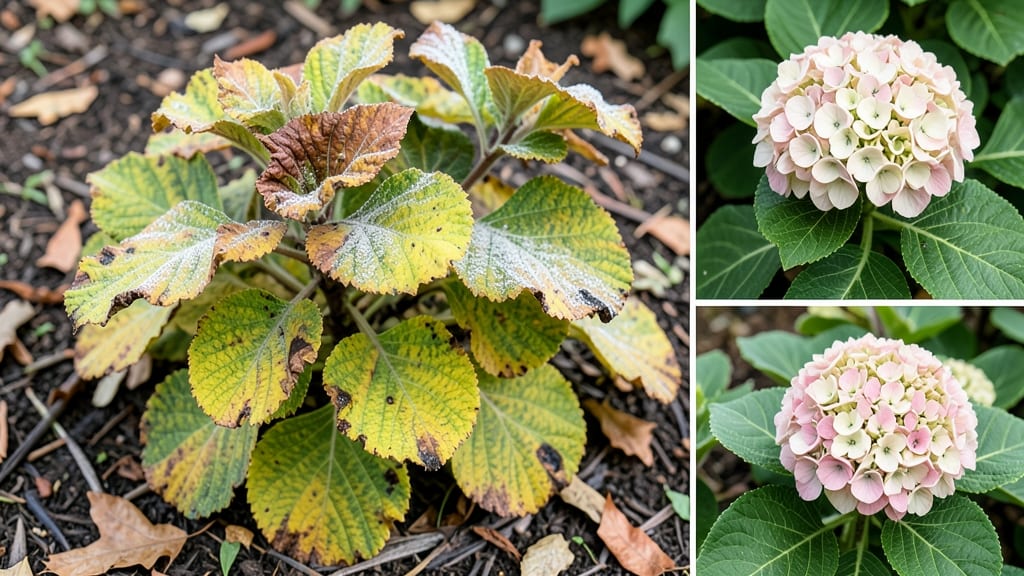
Problems with oak leaf hydrangeas have turned my shady corner into a lush green curtain—but those crispy edges and brown spots had me second-guessing everything. 🌿 The most common issues (leaf spots, mildew, pests, and watering woes) all share one thing: they’re fixable without harsh chemicals. I’ve battled these problems for years, and now I’m sharing the exact steps that saved my plants.
Most problems start with simple mistakes—like overwatering or ignoring powdery white dust on leaves. My first year, I nearly lost a hydrangea to spider mites because I mistook their webbing for harmless lace.
The good news? These plants are tough once you understand their signals: yellowing leaves mean overwatering; crispy edges mean underwatering; and those tiny holes? That’s your clue to check for pests.
By the end of this guide, you’ll spot issues early, use targeted fixes (like neem oil for pests or proper pruning for mildew), and keep your oak leaf hydrangeas thriving for years. No more guessing—just healthy, vibrant foliage that makes your garden the envy of the neighborhood.
Whether you’re dealing with a single plant or a whole border, these solutions work for both in-ground and container-grown hydrangeas. Let’s get those leaves looking fresh again—starting with the root cause.
Root Causes Behind Hydrangea Struggles
Oak leaf hydrangeas (Hydrangea quercifolia) are prized for their stunning foliage and vibrant blooms, but they’re not immune to stress. Understanding why these issues arise is the first step to reviving your plant.
Below, we break down the science behind the most common problems—so you can address them with precision.
Oak leaf hydrangeas thrive in USDA Zones 5–9, but they’re sensitive to extreme heat, cold snaps, and improper light exposure. Here’s how climate plays a role:
- Heatwaves and drought: These plants prefer partial shade (4–6 hours of morning sun). When exposed to full sun + high temps (above 90°F), their leaves scorch (brown, crispy edges) due to transpiration stress—water evaporates faster than roots can absorb it. Solution: Mulch deeply (2–3 inches) to retain moisture and provide afternoon shade with a sheer fabric screen.
- Frost damage: Young leaves in spring or late-fall blooms can suffer from freeze injury (blackened, mushy leaves) when temps drop below 20°F. The plant’s deciduous nature makes it vulnerable during dormancy transitions. Solution: Wait to prune until after the last frost (late spring) and protect tender new growth with row covers in early spring.
- Cold snaps in winter: While hardy, prolonged sub-zero temps can cause cellular dehydration in stems, leading to dieback. Solution: Apply a 4-inch layer of mulch in late fall to insulate roots.
Oak leaf hydrangeas despise soggy roots and dry spells. Their shallow root systems need consistent moisture, but poor drainage or overwatering creates a perfect storm for problems:
| Problem | Why It Happens | Science Behind It |
|---|---|---|
| Yellowing leaves (chlorosis) | Overwatering or compacted soil | Excess water displaces oxygen in the root zone, suffocating roots and preventing nutrient uptake (especially iron and magnesium). Compacted soil restricts root growth, further limiting absorption. |
| Wilting or drooping | Underwatering or drought | When soil moisture drops below 30–40%, roots struggle to pull water via osmosis, causing turgor pressure loss in leaves (they wilt). Prolonged drought can lead to root dieback. |
| Root rot (mushy stems, foul smell) | Poor drainage + overwatering | Fungal pathogens like Phytophthora thrive in waterlogged, anaerobic soil. Roots suffocate, and fungi invade through wounds, blocking xylem vessels (the plant’s water highways). |
Solution: Amend soil with compost and perlite for drainage, water deeply 1–2x/week (1 inch total), and ensure containers have drainage holes.
Oak leaf hydrangeas attract pests and pathogens when stressed or overcrowded. Here’s how these invaders exploit weaknesses:
- Spider mites and aphids: These sap-sucking pests thrive in dry, hot conditions (they desiccate plants faster). They inject toxic saliva, causing yellow stippling or sticky honeydew (leading to sooty mold). Why? Weakened plants from drought or poor nutrition can’t produce enough secondary metabolites (like tannins) to deter them.
- Powdery mildew (white fungal coating): This obligate parasite (needs living tissue) spreads in humid, stagnant air (60–90% humidity) and poor airflow. It blocks stomata (leaf pores), reducing photosynthesis. Why? Thick foliage or mulch piled against stems creates microclimates perfect for fungal spores.
- Bacterial leaf spot: Bacteria like Xanthomonas enter through wounded leaves (e.g., from hail or pruning). They produce toxins and enzymes that cause necrotic (dead) spots with yellow halos. Why? Wet foliage + warm temps (75–85°F) accelerate bacterial growth.
Solution: Prevent pests with neem oil (disrupts feeding) and horticultural oil (smothers mites). For mildew, space plants 3–4 feet apart and water at soil level (not overhead). Prune only with sterilized tools to avoid bacterial spread.
Oak leaf hydrangeas are heavy feeders but suffer when soil lacks balance. Here’s how nutrients go wrong:
- Iron deficiency (chlorosis between veins): Iron is immobile in plants, meaning new leaves can’t access it if old leaves lack it. Why? Alkaline soil (pH > 7.0) locks iron into unavailable forms (like iron oxide). Hydrangeas also compete with grasses or weeds for nutrients.
- Nitrogen burnout (yellow leaves, weak stems): Too much synthetic nitrogen (quick-release fertilizer) forces rapid leaf growth but starves roots of phosphorus and potassium, leading to structural weakness. Why? Microbes in soil deplete oxygen as they break down excess nitrogen, creating anaerobic pockets that harm roots.
- Magnesium deficiency (interveinal yellowing): Magnesium is the center of chlorophyll. Why? It’s leached from soil by overwatering or acidic conditions (pH < 5.5). Compacted soil also binds magnesium, making it inaccessible.
Solution: Test soil pH (ideal: 5.5–6.2) and amend with chelated iron or Epsom salt (magnesium sulfate). Use a balanced fertilizer (10-10-10) in early spring and compost tea for slow-release nutrients.
By pinpointing the root cause—whether environmental, biological, or nutritional—you can tailor fixes to your hydrangea’s specific needs. Next, we’ll dive into diagnostic tricks to confirm the
Quick Fixes for Oak Leaf Hydrangeas
Reviving your oak leaf hydrangeas starts with identifying the root cause—but once you do, the solutions are often simpler than you think! Below, we’ve mapped the most common issues to actionable fixes, complete with prevention tips to keep your plants thriving.
Think of this as your hydrangea first-aid kit, packed with practical steps to get those lush leaves back in no time.
Fix: Oak leaf hydrangeas hate soggy roots, so if the soil feels squishy or water pools at the base, it’s time to drain the drama.
- 🔥 Stop Watering Immediately – Let the top 2 inches of soil dry out before watering again.
- 🍳 Improve Drainage – Mix in perlite, sand, or compost to aerate heavy clay soil. For container plants, add a layer of gravel at the bottom.
- 👨🍳 Repot if Needed – If the roots are circling or rotting, transfer to a pot with drainage holes and fresh, well-draining potting mix.
Prevention Tips:
- 💡 Water deeply but infrequently—hydrangeas prefer dry spells between soakings.
- 🌡️ Ensure pots have drainage holes; never let plants sit in saucers of water.
- ✨ Mulch around the base (but not touching the stem) to regulate soil moisture.
Fix: If leaves look like they’ve been kissed by a desert sun, your hydrangea is thirsty or struggling with heat.
- 🍳 Water Thoroughly – Soak the root zone until water drains out the bottom. Repeat every 2–3 days in hot weather.
- 🌿 Provide Shade – Move potted plants to a spot with afternoon shade or use shade cloth (30–50% coverage).
- 💦 Mist Leaves – Lightly misting in the morning can help combat dry air, especially indoors.
Prevention Tips:
- 🎯 Water early in the day to reduce evaporation.
- 🔥 Group plants together to create a microclimate with higher humidity.
- 🌡️ Avoid placing hydrangeas near heat vents or in full sun without acclimation.
Fix: Fuzzy white powder or dark spots? Fungi love hydrangeas—but you can outsmart them!
- 🔪 Prune Infected Leaves – Snip off and dispose of (don’t compost) any leaves with spots or mildew.
- 🍳 Treat with Fungicide – Use a neem oil spray (mix 1 tbsp neem oil + 1 tsp mild soap per quart of water) or a baking soda solution (1 tsp baking soda + 1 quart water + a drop of soap).
- 🌿 Improve Airflow – Space plants 2–3 feet apart and avoid overhead watering.
Prevention Tips:
- ✨ Water at the base, not the leaves, to keep foliage dry.
- 💡 Space plants for airflow—crowding invites fungal parties.
- 🌡️ Avoid late-season fertilizing, which encourages tender new growth susceptible to fungi.
Fix: If your hydrangea’s putting on a leafy show but skipping the blooms, it’s likely overfed or unhappy with its soil pH.
- 🔪 Cut Back on Fertilizer – Oak leaf hydrangeas need low nitrogen (use a balanced 10-10-10 or hydrangea-specific fertilizer).
- 🌱 Adjust Soil pH –
- For blue flowers: Aim for pH 5.0–5.5 (add sulfur or pine needles).
- For pink flowers: Aim for pH 6.0–7.0 (add lime or wood ash).
- 🍳 Test Your Soil – Use a simple soil pH test kit ($5 at garden centers) to avoid guessing.
Prevention Tips:
- 🎯 Fertilize only in spring (early April) with a light hand—hydrangeas are light feeders.
- 💡 Mulch with pine bark for acid-loving varieties or compost for neutral pH.
- ✨ Prune in late winter/early spring (before new growth) to encourage blooms.
Fix: Slow growth or small leaves? Your hydrangea might be root-bound or hungry.
- 🍳 Repot if Root-Bound – Gently remove the plant, loosen roots, and repot in a 1–2 inch larger container with fresh soil.
- 💦 Feed with Iron or Chelated Nutrients – Yellowing leaves with green veins? Use an iron supplement (like Iron Chelate). For overall sluggishness, try a slow-release granular fertilizer in spring.
- 🌿 Check for Compaction – If planted in the ground, amend the soil with compost or peat moss to improve nutrient uptake.
Prevention Tips:
- 🔥 Repot every 2–3 years to refresh the soil.
- 🌡️ Use container-specific fertilizer (like Osmocote) for potted plants.
- 💡 Avoid transplant shock—water thoroughly after repotting and keep in shade for a week.
🎯 Pro Tip: Keep a plant journal! Note watering, fertilizing, and pruning dates to spot patterns in what works (or doesn’t) for your oak leaf hydrangeas. Happy gardening!
Frequently asked questions about oak leaf hydrangeas
Why are my oak leaf hydrangea leaves turning brown and crispy at the edges?
This is usually a sign of underwatering or heat stress. Oak leaf hydrangeas prefer consistent moisture and partial shade. Check if the top 2 inches of soil are dry—if so, water deeply until it drains from the bottom. For container plants, move them to a spot with afternoon shade or use shade cloth to protect from intense sun. Mulching with 2-3 inches of organic matter helps retain moisture.
What causes white powdery spots on my hydrangea leaves?
That's powdery mildew, a common fungal issue that thrives in humid, stagnant air. Improve airflow by spacing plants 3-4 feet apart and avoid overhead watering. Treat with a neem oil solution (1 tbsp neem oil + 1 tsp mild soap per quart of water) or a baking soda spray (1 tsp baking soda + 1 quart water + drop of soap). Prune infected leaves immediately and dispose of them.
My oak leaf hydrangea isn't blooming—what am I doing wrong?
Blooms often suffer from over-fertilizing with nitrogen or poor pruning timing. Use a balanced fertilizer (10-10-10) in early spring and avoid late-season feeding. Prune in late winter/early spring (before new growth) rather than after blooming. Test your soil pH—hydrangeas need acidic soil (pH 5.5-6.2) for optimal blooming. If your soil is too alkaline, amend with sulfur or pine needles.
How do I know if my hydrangea has root rot?
Look for mushy, black stems at the base, yellowing leaves that eventually brown, and a foul smell from the soil. Root rot occurs when roots sit in waterlogged conditions for too long. Stop watering immediately and improve drainage by amending soil with perlite or compost. For container plants, ensure pots have drainage holes. Severely affected plants may need repotting with fresh, well-draining soil.
Can I prune oak leaf hydrangeas in summer?
It's best to avoid summer pruning as it removes next year's blooms. Oak leaf hydrangeas bloom on old wood, so prune in late winter/early spring (just before new growth begins). If you must prune in summer, do so only to remove dead or diseased branches. Never prune more than 1/3 of the plant at once to avoid stressing it.