
Leaf Blower
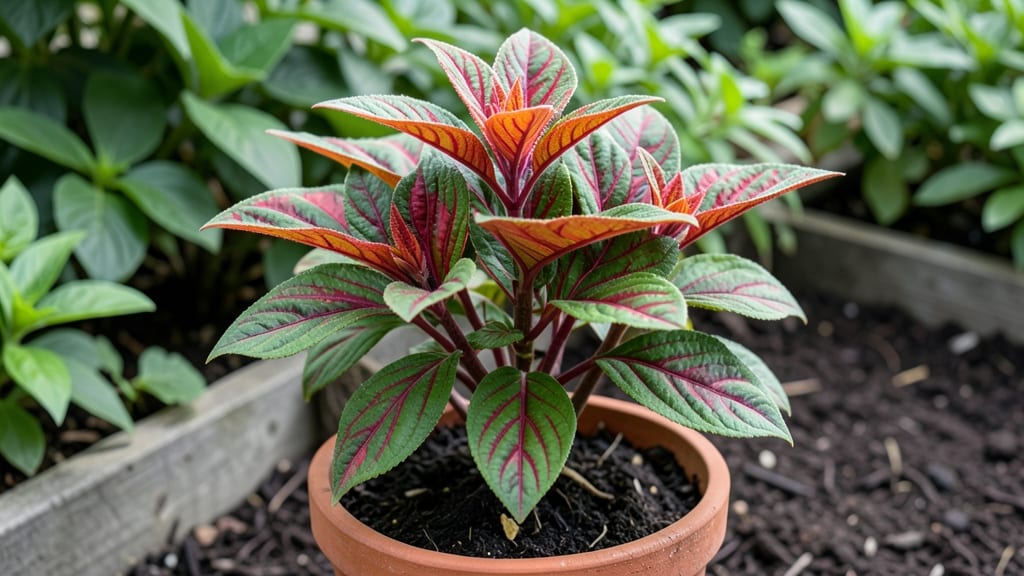
That striking green leaf with red veins isn’t just eye-catching—it’s your plant’s way of saying something’s off. 🌿 Whether it’s spider mites sucking out chlorophyll, a magnesium deficiency turning leaves into striped flags, or sunburn from too much midday light, the causes are easier to fix than you think.
I’ve seen this pattern on everything from coleus to peperomia, and the solutions are simpler than you’d expect—once you know what to look for.
The first step is identifying the real culprit: are the veins crispy and dry (sun damage), covered in tiny webs (spider mites), or just looking pale and weak (nutrient issues)? I learned the hard way that treating symptoms without fixing the root cause just wastes time.
A quick leaf rub test or soil check can reveal whether pests, minerals, or light are to blame—no fancy tools required.
Once you pinpoint the issue, the fixes are straightforward. For pests, a strong spray of water or neem oil does the trick; for deficiencies, a balanced fertilizer or Epsom salt bath works wonders.
My peperomia went from sad to showstopper in just two weeks after I adjusted its light exposure and added magnesium. The key is acting fast before the damage spreads.
This isn’t just about saving your plants—it’s about turning that red-veined drama into a garden feature. With the right care, those bold leaves become a standout, not a warning sign. Let’s get your plants back to their vibrant best without the guesswork.
Root Causes Of Striking Vein Colors
That vibrant green leaf with red veins isn’t just a natural beauty—it’s often a response to environmental and biological factors. Whether you’re admiring a prized plant or troubleshooting an unexpected color shift, understanding the science behind these bold veins helps you nurture (or adjust) your garden’s drama.
Here’s why your leaves might be flaunting that fiery contrast:
Plants rely on a delicate balance of nutrients, and when the scales tip, their veins scream for attention. Red veins in green leaves often signal:
- Low nitrogen (N) but high potassium (K): Nitrogen fuels leaf growth, so its deficiency stunts chlorophyll production in the leaf blades, leaving them pale green or yellow. Meanwhile, potassium—critical for water regulation and enzyme function—accumulates in the veins, triggering anthocyanin pigments (the red compounds) as a stress response.
- Phosphorus starvation: This nutrient helps plants convert sugars and energy. When lacking, plants may produce red pigments in veins to attract pollinators (yes, really!) or protect cells from oxidative damage.
Actionable fix: Test your soil and amend with a balanced fertilizer (e.g., 10-10-10) or compost. For phosphorus, try bone meal or rock phosphate. Pro tip: 💡 Over-fertilizing with potassium (like banana peels or greensand) can worsen the issue—moderation is key!
Too much sunlight—especially in hot climates or during peak summer—can turn leaves into solar panels with a side of sunscreen. Here’s how:
- UV radiation damage: Excessive sunlight triggers the production of anthocyanins in veins as a natural sunscreen to shield delicate tissues. Think of it like SPF for plants!
- Water loss prevention: Red pigments also help reduce transpiration (water evaporation) by reflecting light, conserving moisture in the veins.
Actionable fix:
- Provide afternoon shade for sun-loving plants (e.g., Coleus, Begonias).
- Mulch heavily to retain soil moisture and reduce heat stress.
- For container plants, use white or reflective pots to deflect excess light. ⏰ Water deeply in the morning to give roots a hydration boost before the sun peaks.
Water is the lifeblood of plants, and when it’s out of whack, veins react with bold color. Here’s the breakdown:
| Condition | Why Veins Turn Red | Plants Prone to It |
|---|---|---|
| Underwatering | Drought stress causes abscisic acid (a plant hormone) to spike, which triggers anthocyanin production in veins to protect chlorophyll and slow water loss. | Succulents, Euphorbias, Jade Plants |
| Overwatering | Root suffocation reduces oxygen, causing hypoxia. Plants produce red pigments in veins as a last-ditch effort to signal distress (and sometimes to deter pests). | Ferns, Calatheas, Peperomias |
Actionable fix:
- For underwatering: Soak the root zone until water drains freely, then let the top 2 inches of soil dry out before watering again.
- For overwatering: Improve drainage with perlite or sand, and repot in well-aerated soil. Let the top 3–4 inches dry out between waterings. 🌡️ Check soil moisture with your finger—don’t rely on a schedule!
Plants are sensitive to temperature swings, and their veins often glow red as a cry for help—or a survival tactic. Here’s the science:
- Cold damage: Chilly nights (below 50°F/10°C) disrupt chlorophyll production, while veins produce anthocyanins to protect cell membranes from freezing.
- Heat stress: High daytime temps (above 90°F/32°C) cause protein denaturation, and red pigments act as antioxidants to neutralize free radicals.
Actionable fix:
- Mulch with straw or wood chips to insulate roots from temperature extremes.
- Use row covers or cloches for tender plants during cold snaps.
- Group plants with similar water needs to create microclimates that stabilize soil temps. ✨ Mist leaves on scorching days to cool them down (but avoid evening misting—it encourages fungal growth!).
Sometimes, those red veins are a plant’s SOS signal that pests or pathogens are at work. Common culprits include:
- Spider mites: These tiny pests inject toxins into veins, causing reddening as the plant’s immune system fights back.
- Fungal infections (e.g., Anthracnose): Fungi clog veins, restricting nutrient flow and triggering red pigment production to isolate damaged areas.
- Viral infections (e.g., Tobacco Mosaic Virus): Viruses hijack plant cells, causing veins to produce red pigments as a misguided growth response.
Actionable fix:
- Inspect leaves for webbing (mites), spots (fungi), or mosaic patterns (viruses). 🔥 Isolate infected plants immediately to prevent spread.
- Spray with neem oil (for mites) or a copper fungicide (for fungal issues). For viruses, remove and destroy affected plants—no cure exists.
- Encourage beneficial insects like ladybugs or lacewings to control pests naturally.
Revive Your Plants with These Fixes
If your plants are sporting green leaves with striking red veins, don’t panic—this isn’t always a sign of doom. Often, it’s a natural response to environmental stressors or care tweaks. Below, we’ll break down the most common causes and provide easy, actionable solutions to restore your plants’ vibrancy.
Plus, we’ll share prevention tips to keep those bold veins from becoming a recurring issue.
Signs: Yellowing leaves, soggy soil, or red veins appearing suddenly. Why it happens: Too much water cuts off oxygen to roots, causing stress that triggers red pigmentation. How to Fix It: 💧 Step 1: Check the Soil – Stick your finger 1–2 inches deep. If it’s damp, hold off on watering. 🌱 Step 2: Improve Drainage – Repot into a container with drainage holes or mix in perlite/pumice (20% of the soil volume). 🚰 Step 3: Adjust Watering – Let the top inch of soil dry out between waterings. Use a moisture meter for accuracy. Prevention Tip: 💡 Use a self-watering pot or saucer with pebbles to wick away excess moisture. Signs: Scorched edges, crispy leaf tips, or red veins on sun-exposed sides. Why it happens: Intense light triggers anthocyanin production (the pigment behind red veins) as a protective response. How to Fix It: 🌿 Step 1: Relocate Your Plant – Move it to a spot with bright, indirect light (e.g., east-facing windows or 3–6 feet from a south window). 🌡️ Step 2: Shield from Harsh Sun – Use a sheer curtain or shade cloth (30–50% coverage) if outdoor. 💦 Step 3: Boost Humidity – Group plants together or use a pebble tray with water to mimic natural humidity. Prevention Tip: ✨ Rotate your plant weekly so all sides get even light exposure. Signs: Lush green leaves with deep red veins, stunted growth, or purplish stems. Why it happens: Excess nitrogen or phosphorus can cause pigment shifts, especially in acid-loving plants like caladiums or coleus. How to Fix It: 📊 Step 1: Test Your Soil – Use a DIY kit or send a sample to a lab to check pH and nutrient levels. 🌱 Step 2: Adjust Fertilizer – Switch to a balanced fertilizer (10-10-10) or one low in phosphorus (e.g., 5-5-5). For acid-loving plants, use a peat-based mix. 🚫 Step 3: Flush the Soil – Water thoroughly to leach out excess salts, then let dry before re-fertilizing. Prevention Tip: 💪 Feed plants only during active growth (spring–summer) and reduce frequency in winter. Signs: Red veins appearing on leaves near windows, doors, or vents. Why it happens: Sudden cold snaps or drafts can shock plants, prompting anthocyanin production as a defense. How to Fix It: 🏠 Step 1: Move Indoors – Keep plants away from drafty windows, AC vents, or heaters. 🌡️ Step 2: Stabilize Temps – Ideal range for most houseplants: 65–75°F (18–24°C). Avoid placing near sliding doors or garages. 🌿 Step 3: Use Insulation – Draft guards or bubble wrap around pots can help buffer temperature swings. Prevention Tip: 🎯 Group plants together to create a microclimate with more stable humidity and temperature. Signs: Red veins paired with spiderwebs, holes, or sticky residue (aphids, mites) or black spots (fungus/bacteria). Why it happens: Pests or diseases weaken plants, triggering stress responses like red pigmentation. How to Fix It: 🦟 Step 1: Inspect Leaves – Check undersides for pests. Wipe leaves with soapy water (1 tsp mild soap per quart) if infested. 🌿 Step 2: Treat Fungus/Bacteria – Spray with a copper fungicide or neem oil (follow label instructions). 🌱 Step 3: Isolate & Prune – Remove severely damaged leaves and quarantine the plant until recovered. Prevention Tip: 🔥 Spray leaves with neem oil monthly as a preventive measure.With these fixes, your plants should bounce back in 2–4 weeks, showing off their natural green hues without the red vein drama. Monitor their progress and adjust care as needed—soon, you’ll have a thriving garden that’s all about the healthy contrast!
Frequently asked questions
Is a green leaf with red veins always a sign of a problem?
Not necessarily! Some plants naturally have red veins, like coleus or peperomia. However, if it’s sudden or paired with other symptoms (yellowing, wilting, or pests), it’s likely a stress signal. Check for spider mites, nutrient deficiencies, or light exposure issues first.
Can I fix red veins caused by spider mites at home?
Start by wiping leaves with a damp cloth to remove mites, then spray with a mix of 1 tsp mild soap + 1 quart water. For stubborn infestations, use neem oil (1 tsp per quart of water). Isolate the plant to prevent spread—mites multiply fast!
Why do my plant’s veins turn red in winter?
Cold stress triggers red pigments (anthocyanins) as a protective response. Keep your plant away from drafts and maintain temps between 65–75°F (18–24°C). Grouping plants together creates a stable microclimate. Avoid placing them near windows or vents where temps fluctuate.
How do I know if red veins are from sunburn or nutrient deficiency?
Sunburned leaves often show crispy edges or red veins only on sun-exposed sides. Nutrient issues (like low magnesium) cause red veins throughout the leaf, paired with yellowing or stunted growth. Test your soil—if pH is off, amend with Epsom salt (magnesium sulfate) or a balanced fertilizer.
Will pruning leaves with red veins help my plant recover?
Yes! Prune severely affected leaves to redirect energy to healthy growth. Focus on removing leaves with spiderwebs, holes, or black spots first. Sterilize scissors with rubbing alcohol between cuts to prevent infections. Your plant will thank you with fresh, vibrant foliage in 2–4 weeks.