
Plants
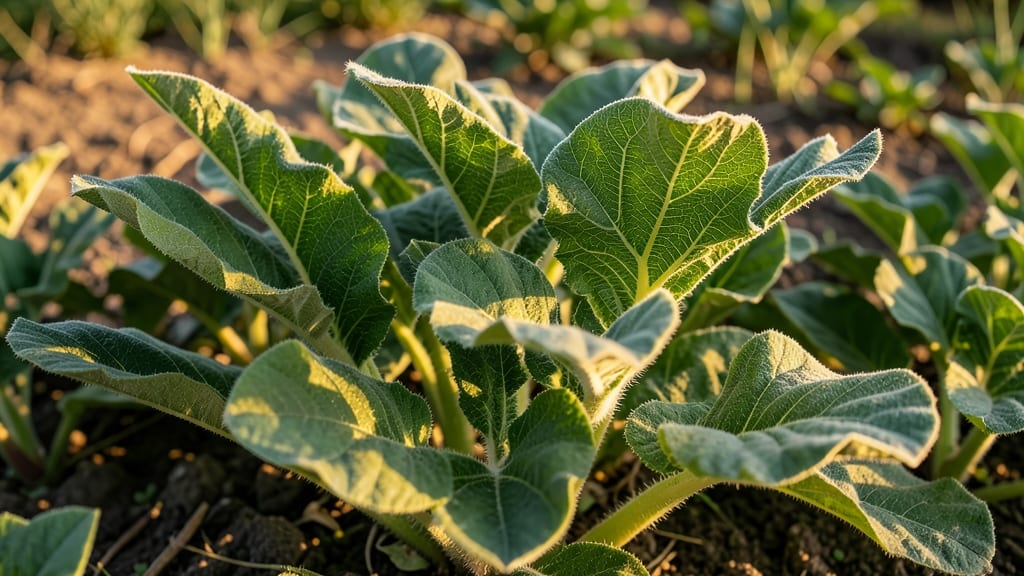
Summer heat can turn leafy greens into sad, wilted memories—but these 10 heat-tolerant varieties thrive when temperatures soar, resisting bolting and maintaining crisp texture. Perfect for gardeners who refuse to surrender their green harvests to the sun’s wrath.
Swiss Chard with Rainbow Stems

Want a heat-tolerant leafy green that doubles as a living work of art? Swiss chard with its rainbow stems (red, yellow, white, or pink) thrives in 90°F+ heat while most greens wilt—plus, its thick leaves stay tender for late-summer harvests.
This versatile plant handles full sun and poor soil better than many greens, making it perfect for beginners or urban gardeners with limited space. Harvest outer leaves first to encourage regrowth, and enjoy its mild, spinach-like flavor in salads or sautéed dishes. The colorful stems add visual appeal whether in containers or raised beds.
Gardeners in hot climates will love how Swiss chard stays productive when other greens bolt—ideal for extending your harvest season. 🌻
Malabar Spinach for Humid Climates

If your garden feels like a sauna by mid-July and traditional spinach has already bolted, Malabar spinach is your tropical lifesaver. This fast-growing vine thrives in humidity and heat, producing tender, heart-shaped leaves that taste like a cross between spinach and okra—without the fuss of true spinach's finicky nature.
Plant seeds directly in well-draining soil after the last frost, spacing them 12-18 inches apart. The vines will climb trellises or sprawl along the ground, reaching 3-6 feet long in just 60-90 days. Unlike delicate greens, Malabar spinach loves full sun to partial shade and even handles drought better once established. Harvest leaves anytime for continuous production.
This is the perfect solution for Southern gardeners, container growers, or anyone tired of summer greens that wilt faster than a wilting houseplant. 🌿
Amaranth with Edible Leaves

If you’re craving a nutrient-packed green that refuses to wilt in 100°F+ heat, amaranth delivers on both flavor and resilience. Unlike most leafy greens that bolt or fade in summer, amaranth thrives in drought and full sun, offering edible leaves rich in protein and iron—plus stunning golden seed heads as a bonus harvest.
Start seeds indoors 4-6 weeks before your last frost or sow directly after soil warms to 70°F, spacing plants 12-18 inches apart. Amaranth’s deep taproot makes it drought-tolerant once established, but young seedlings appreciate consistent moisture. Harvest outer leaves regularly to encourage bushier growth, and watch for red-tinged stems in varieties like ‘Red Garnet’ for extra visual appeal.
This powerhouse is ideal for urban gardeners with limited space—it grows well in containers—and for those seeking a double harvest: snip leaves for salads, then let seed heads mature for grain. 🌻
New Zealand Spinach for Crisp Texture

When your garden greens turn floppy and sad in summer heat, New Zealand spinach stands tall with its thick, succulent leaves that stay crisp even when other varieties wilt. Unlike traditional spinach, this heat-loving green thrives in temperatures up to 95°F, making it a summer staple for gardeners in hot climates.
This versatile green grows best in full sun to partial shade and prefers well-draining soil. For continuous harvests, plant seeds ½ inch deep and 12 inches apart, then thin to 6 inches. The leaves can be harvested young for tender salads or let mature for a bold, slightly bitter flavor perfect for stir-fries. Store harvested leaves in the fridge for up to 5 days without losing crispness.
Urban gardeners and small-space growers will love that New Zealand spinach thrives in containers, making it ideal for balconies or patios. Its resilience and storage-friendly leaves ensure you’ll always have fresh greens ready for the table—no wilting required! 🌱
Southern Giant Curled Mustard

When other leafy greens surrender to summer’s heat and bolt into bitter flowers, Southern Giant Curled Mustard stands tall with its bold, spicy leaves that stay vibrant and crisp. This Southern staple thrives in 90°F+ temperatures, making it a game-changer for gardeners in hot climates who refuse to skip their green harvests.
Its deep green, crinkled leaves pack a peppery punch that intensifies when grown in heat, perfect for adding flavor to salads or sautés. Unlike delicate greens, this mustard handles drought conditions and poor soil with surprising resilience—ideal for beginners or urban gardeners with limited space. Plant seeds ½ inch deep in well-drained soil and space them 12 inches apart for full, bushy growth.
This variety is a must-have for Southern gardeners who want continuous harvests without the fuss of shade-loving greens. Try it in containers or raised beds for easy access to its heat-proof leaves. 🌻
Heat-Resistant Kale Varieties

If you’ve ever watched your kale bolt and turn bitter by midsummer, it’s time to meet its heat-loving cousin: ‘Dwarf Blue Curled’ kale. Unlike traditional varieties that struggle in 85°F+ temperatures, this compact, purple-blue kale stays crisp and productive, letting you harvest well into late summer.
This variety thrives in full sun to partial shade and prefers well-draining soil with consistent moisture—though it’s more drought-tolerant than most kale. Its curled, frost-resistant leaves pack the same nutrient punch as winter kale but won’t wilt under the midday sun. For best results, plant in early spring or late summer to avoid peak heat, and harvest outer leaves first to encourage continuous growth.
Perfect for small spaces, containers, or urban gardens, ‘Dwarf Blue Curled’ gives you the kale experience without the summer sacrifice. 💚
Chinese Flat Cabbage for Long Harvests

Tired of leafy greens bolting by midsummer? Chinese flat cabbage stays cool under the sun’s glare, producing tender leaves for months—even when other greens surrender. This heat-loving relative of bok choy thrives in 90°F+ temperatures and won’t rush to flower, giving you a steady supply of mild, cabbage-like greens.
Sow seeds in well-draining soil with afternoon shade in peak heat, and keep soil consistently moist (but not soggy). Harvest outer leaves first to encourage regrowth, and watch as the plant keeps producing for 8-12 weeks or longer. It’s perfect for urban containers or backyard beds where you want reliable greens without the fuss.
This is the secret weapon for gardeners in hot climates who crave fresh greens year-round—no more waiting for fall to enjoy homegrown cabbage! 🌱
Orach with Peppery Flavor

If you're craving a peppery punch in your salads but tired of spinach bolting in the heat, orach (also called mountain spinach) is your secret weapon. This drought-resistant heirloom thrives where others wilt, offering a tangy, spinach-like flavor that intensifies when grown in hot, sunny conditions—ideal for gardeners in arid or Mediterranean climates.
Orach’s arrow-shaped leaves grow on sturdy stems that stay upright even in 100°F+ temperatures, and it requires minimal water once established. For best results, plant seeds directly in well-draining soil with full sun exposure—it self-seeds readily, making it a low-maintenance perennial in many regions. Harvest outer leaves first to encourage bushier growth, and enjoy its nutrient-rich profile packed with iron and calcium.
Perfect for urban gardeners with limited space or drought-prone areas, orach adds a unique twist to stir-fries, soups, or fresh salads while demanding almost no effort. 🌻
Heat-Tolerant Collard Greens

If you’ve ever watched other greens bolt and turn bitter in the summer heat, collard greens like the ‘Georgia Southern’ variety might just change your mind. This Southern staple thrives in 90°F+ temperatures, producing tender, flavorful leaves that actually sweeten when exposed to frost—making it one of the few greens that rewards you for waiting.
Plant seeds in early spring or late summer for a year-round harvest, spacing them 12–18 inches apart in well-draining soil with full sun to partial shade. Mulch heavily to retain moisture, and avoid overhead watering to prevent fungal issues. Unlike many greens, collards don’t bolt easily and keep producing even as days shorten—ideal for gardeners in USDA Zones 7–10.
Whether you’re a beginner or a seasoned gardener, collards offer low-maintenance resilience and a taste that improves with age. Try them in your garden this season—you’ll never go back to heat-sensitive greens. 💚
Sunchoke Leaves for Nutrient Boost

While you’re waiting for sunchokes (Jerusalem artichokes) to mature, their broad, fuzzy leaves are a heat-loving nutritional powerhouse. These often-forgotten greens thrive in 90°F+ temperatures and pack a punch with vitamins A, C, and iron—making them a double harvest win.
Harvest the leaves when young and tender, just 6–8 weeks after planting, to avoid bitterness. They grow best in full sun with well-draining soil, and their deep roots help suppress weeds. For maximum yield, cut leaves from the base, leaving the tubers to develop later in the season.
This is a game-changer for gardeners who want year-round nutrition without sacrificing tuber production. Perfect for small spaces or container gardens, these leaves add a unique texture and flavor to salads or sautés. 💚