
Pests and Diseases
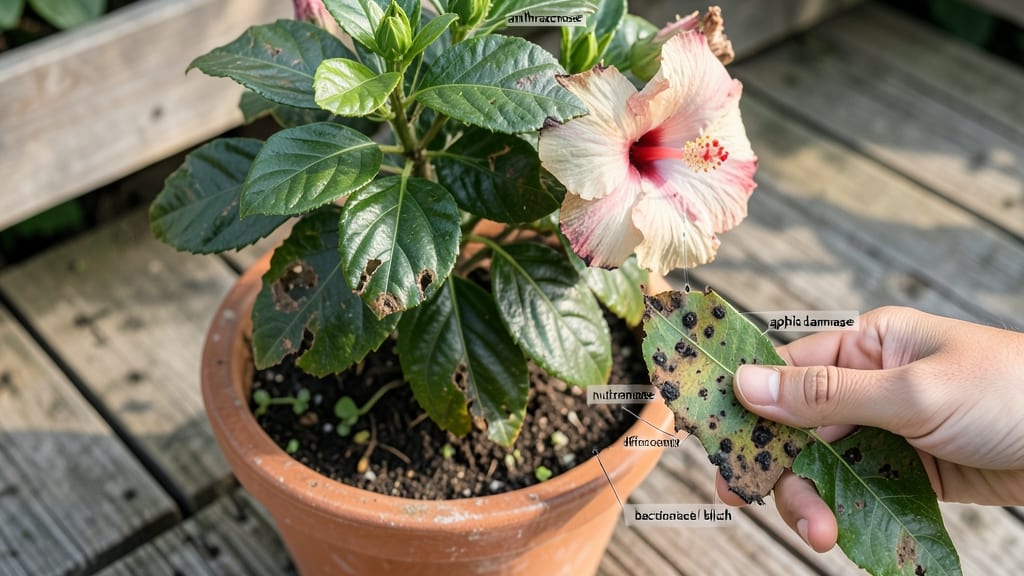
Your hibiscus leaves are turning yellow, spotted, or covered in weird fuzz—and that’s not normal. 🌿 I’ve seen this exact pattern ruin beautiful hibiscus bushes, but the good news is most leaf diseases respond to simple, natural fixes before they spread.
The key is catching it early, when a quick spray or soil tweak can save your plant.
Common culprits include fungal infections (like powdery mildew or anthracnose), bacterial spots, or even pests like aphids that weaken leaves. Overwatering, poor airflow, or crowded plants create the perfect storm for these problems. My hibiscus thrived for years until I ignored the first signs—don’t make the same mistake.
You’ll learn to identify diseases by leaf patterns, then use organic sprays (neem oil, baking soda) or soil adjustments (better drainage, mulch) to stop the spread. Most fixes take less than 10 minutes and cost pennies. The goal? Healthy, vibrant blooms without harsh chemicals.
Even if you’ve lost a plant before, this method works—I’ve saved hibiscus bushes with severe cases by acting fast. Let’s get your plants back on track with step-by-step solutions that actually work.
Root Causes of Hibiscus Leaf Damage
Understanding why hibiscus leaves develop disease is the first step to preventing it. These vibrant plants are susceptible to a variety of issues, often stemming from environmental stress, pathogens, or poor care. Below, we break down the key culprits behind hibiscus leaf disease, complete with scientific insights and actionable explanations.
Fungi are the most common cause of hibiscus leaf disease, thriving in warm, humid conditions—perfect for tropical hibiscus. Here’s how they strike:
- High Humidity + Poor Airflow 💨 Fungi like Colletotrichum (causing anthracnose) and Phyllosticta (leaf spot) spread rapidly when leaves stay damp for extended periods. Hibiscus plants in shaded or crowded areas are especially vulnerable, as stagnant air traps moisture on foliage.
- Water Splatter During Irrigation 💦 Overhead watering (especially in the evening) can splash fungal spores onto leaves, creating ideal conditions for infection. Unlike direct sunlight, which evaporates moisture, shaded or enclosed spaces keep leaves perpetually wet—an open invitation for fungi.
- Weakened Plant Defense 🛡️ Stressed hibiscus (from nutrient deficiencies, drought, or transplant shock) have thinner cell walls, making them easier targets. Fungi exploit these gaps, leading to brown spots with yellow halos, wilting, or premature leaf drop.
Pro Tip: 💡 Space plants 3–4 feet apart to improve airflow and reduce humidity pockets. Use a soaker hose or drip irrigation to avoid wetting leaves.
Insects don’t just eat hibiscus leaves—they transmit diseases and create wounds that invite secondary infections. Here’s how:
- Aphids & Whiteflies 🐜 These sap-sucking pests excrete honeydew, a sticky residue that fosters sooty mold (a black fungal growth). Sooty mold blocks sunlight, weakening the plant and making it prone to other diseases like bacterial leaf spot.
- Spider Mites 🕷️ Under dry conditions, spider mites puncture leaf cells, causing stippling (tiny white/yellow dots). While not a direct disease, this damage stresses the plant, reducing its ability to fight off pathogens like Pseudomonas bacteria.
- Scale Insects 🛡️ These armored pests create protective shells on stems and leaves, trapping moisture and debris. The resulting anaerobic environment promotes bacterial growth, leading to black, mushy lesions on leaves.
Pro Tip: 🔥 Blast pests off with a strong spray of water (early morning) or use neem oil (1 tsp per quart of water) to disrupt their life cycles.
Hibiscus are tropical plants—when their environment strays from their natural conditions, disease becomes inevitable.
- Extreme Temperature Swings ❄️☀️ Sudden cold snaps (below 50°F) or heatwaves (above 95°F) weaken hibiscus. Cold stress causes water-soaked spots (early signs of bacterial infection), while heat stress leads to leaf scorch (brown, crispy edges), both of which open doors for pathogens.
- Improper Watering 💧
- Overwatering: Soggy soil suffocates roots, leading to root rot (Phytophthora fungus). The plant can’t absorb nutrients, causing yellowing leaves (chlorosis) and drooping.
- Underwatering: Leaves curl and develop necrotic (dead) patches, making them susceptible to sunburn and fungal entry points.
- Poor Soil Drainage 🪨 Hibiscus hate "wet feet." Compacted or clay-heavy soil traps water, promoting root rot and leaf fungal diseases like Alternaria. Symptoms include yellowing between veins and blackened stems at the base.
Pro Tip: 🌡️ Use a moisture meter to check soil—hibiscus prefer consistently moist but never waterlogged conditions. Amend heavy soil with perlite or compost to improve drainage.
A hibiscus starved of essential nutrients can’t fight off diseases—even mild stress becomes a liability.
- Nitrogen (N) Deficiency 🌱 Leaves turn yellow (chlorotic) from the bottom up, weakening the plant’s immune response. This makes it easier for bacterial leaf spot (Xanthomonas) to take hold, causing watery, translucent lesions.
- Magnesium (Mg) Deficiency 💚 Older leaves develop interveinal yellowing (yellow between veins), reducing chlorophyll production. Weakened leaves are more prone to fungal infections like powdery mildew.
- Potassium (K) Deficiency 🌡️ Leaves show brown, crispy edges (scorch-like symptoms), making them vulnerable to osmotic stress—where cells lose water rapidly, inviting bacterial or fungal invaders.
Pro Tip: ✨ Test soil pH (ideal: 6.0–6.5) and use a balanced fertilizer (10-10-10) during growing season. For deficiencies, Epsom salt (magnesium sulfate) or potassium sulfate can help.
Unlike fungi, bacteria multiply rapidly in hibiscus, often through wounds or contaminated tools.
- **Bacterial Leaf Spot (Xanthomonas campestris) 🔥 Spreads via rain splatter, wind, or pruning tools. Symptoms: Small, watery spots that turn dark brown/yellow with a greasy texture. Bacterial ooze may appear in humid conditions.
- Bacterial Blight (Pseudomonas syringae) 🌧️ Thrives in cool, wet weather. Leaves develop irregular, yellow-brown spots with water-soaked edges. Unlike fungi, bacterial spots often have no defined pattern.
- Contaminated Pruning Tools ⚔️ Even a small cut can introduce bacteria. Always sterilize shears with rubbing alcohol between cuts to prevent cross-contamination.
Pro Tip:** 🎯 Remove infected leaves immediately (don’t compost them!) and avoid overhead watering to limit bacterial spread. Copper fungicides can help as a preventive measure.
Quick Fixes for Healthy Hibiscus Leaves
Reviving your hibiscus plant starts with identifying the root cause of its leaf troubles. Whether it’s fungal infections, pests, or environmental stress, these practical, step-by-step solutions will help you nurse your plant back to life—naturally.
Below, we’ve mapped out targeted fixes for common hibiscus leaf diseases, along with prevention tips to keep your plant thriving long-term.
Signs: White powdery patches, brown/yellow spots with black dots, or orange rust-like sores on leaves.
🔥 Step 1: Isolate & Remove Affected Leaves
- 👨🍳 Cut away infected leaves with clean, sharp scissors (sterilize with rubbing alcohol first).
- 🗑️ Dispose of them in the trash—not your compost—to prevent spread.
🍳 Step 2: Boost Airflow & Reduce Moisture
- ✂️ Prune overcrowded branches to improve airflow.
- 💧 Water at the base (avoid overhead spraying) and ⏰ water in the morning so leaves dry quickly.
- 🌡️ Space plants at least 2–3 feet apart if growing multiple hibiscus.
🌿 Step 3: Natural Fungicide Spray
Mix 1 tbsp baking soda + 1 tsp dish soap + 1 gallon water in a spray bottle. 💦 Lightly mist the undersides of leaves (where fungi love to hide) every 5–7 days until symptoms fade. Pro Tip: 🌡️ For severe cases, repeat with a neem oil spray (1 tbsp neem oil + 1 tsp soap per quart of water).
Test on a small leaf first!
💡 Prevention:
- ✨ Avoid wetting leaves when watering.
- 🌱 Mulch around the base (but not touching stems) to deter soil-borne fungi.
- 🌿 Rotate plants occasionally for even sunlight exposure.
Signs: Sticky residue (honeydew), tiny webs, or clusters of tiny bugs on new growth.
🔪 Step 1: Blast Off Pests with Water
- 💦 Hold leaves under a strong stream of water to dislodge pests (repeat every 2–3 days).
- 🕷️ For stubborn mites, use a soft toothbrush dipped in soapy water to scrub infested areas.
🍳 Step 2: Introduce Beneficial Insects
- 🐞 Ladybugs or lacewings devour aphids and whiteflies. Buy them online or attract them with 🌼 companion plants like marigolds.
- 🕷️ Release them at dusk when pests are most active.
🌿 Step 3: Homemade Pest Repellent
- 🍋 Spray with garlic & pepper mix: Blend 2 garlic cloves + 1 tsp cayenne pepper + 1 quart water.
Strain and spray weekly. - 🌿 Add a few drops of essential oils (like rosemary or peppermint) to the mix for extra pest-deterring power.
💡 Prevention:
- 🌱 Inspect new plants before bringing them home (quarantine for a week if possible).
- 🍃 Keep hibiscus healthy—stressed plants attract more pests!
- 🕷️ Yellow sticky traps near the plant can catch flying pests like whiteflies.
Signs: Crispy yellow edges, blackened leaves, or slow growth despite good care.
🌞 Step 1: Adjust Light & Temperature
- ☀️ Move indoors if leaves are bleached or scorched (hibiscus needs morning sun, afternoon shade).
- ❄️ Protect from cold drafts—hibiscus thrives in 60–85°F (15–30°C). Use a 🌡️ frost cloth if temps dip below 50°F (10°C).
🍽️ Step 2: Feed the Right Way
- 💪 Use a balanced fertilizer (10-10-10) diluted to half-strength every 4–6 weeks during growing season (spring–fall).
- 🥗 For yellowing leaves (nitrogen deficiency), switch to a high-nitrogen fertilizer (like fish emulsion).
- 🍎 Avoid over-fertilizing—this burns roots!
Water thoroughly before applying fertilizer.
💡 Prevention:
- 🌱 Gradually acclimate hibiscus to outdoor conditions (harden off slowly).
- 🌿 Monitor soil moisture—hibiscus prefers consistently moist (not soggy) soil.
- 🌱 Test soil pH (ideal: 6.0–7.0). Amend with lime (to raise pH) or sulfur (to lower pH) if needed.
If your hibiscus is chronically weak, it may need a full system reboot:
- 🌱 Trim back 1/3 of the plant to encourage new growth.
- 💧 Repot in fresh, well-draining soil (mix potting soil + perlite for aeration).
- 🌿 Prune dead/diseased stems to redirect energy to healthy parts.
- 🍃 Water deeply once a week (check soil moisture—top 1–2 inches should be dry before watering).
🎯 Final Tip: Observe daily! Catch problems early by checking leaves weekly for new spots, pests, or wilting. A little preventive TLC goes a long way—your hibiscus will reward you with bold blooms and lush foliage in no time!
Frequently asked questions
What are the first signs my hibiscus has a leaf disease?
Watch for yellowing leaves, spots (brown/black), or unusual textures like powdery coatings. Early fungal signs include white fuzz on leaf undersides, while bacterial issues show watery, greasy spots. Pests like aphids leave sticky residue (honeydew) or tiny webs. Check leaves weekly—catching problems early makes treatment easier!
Can I save my hibiscus if half the leaves are already infected?
Yes! Act fast by pruning infected leaves immediately (don’t compost them) and applying a baking soda spray (1 tbsp baking soda + 1 tsp soap per gallon of water). For fungal issues, neem oil works well too. Focus on improving airflow and watering at the base—many plants recover fully with consistent care over 2-3 weeks.
Why does my hibiscus get diseases more often in summer?
Summer’s high humidity + heat creates perfect conditions for fungi and bacteria. Warm air holds more moisture, keeping leaves damp longer—ideal for powdery mildew and anthracnose. Plus, pests like aphids thrive in warm weather, spreading diseases. Water in the morning and space plants apart to improve airflow and reduce summer stress.
Are chemical treatments necessary for hibiscus leaf diseases?
Not usually! Most hibiscus diseases respond well to organic solutions like neem oil, baking soda sprays, or copper fungicides. Chemicals should be a last resort—start with pruning infected areas, improving airflow, and adjusting watering habits. If you choose chemicals, opt for low-toxicity options like potassium bicarbonate.
How do I prevent hibiscus diseases from spreading to other plants?
Isolate infected hibiscus immediately and sterilize tools (pruners, gloves) with rubbing alcohol between uses. Avoid overhead watering, which splashes spores onto nearby plants. Quarantine new plants for 1-2 weeks before introducing them to your garden. Remove fallen leaves from the area—they can harbor pathogens.