
Pests
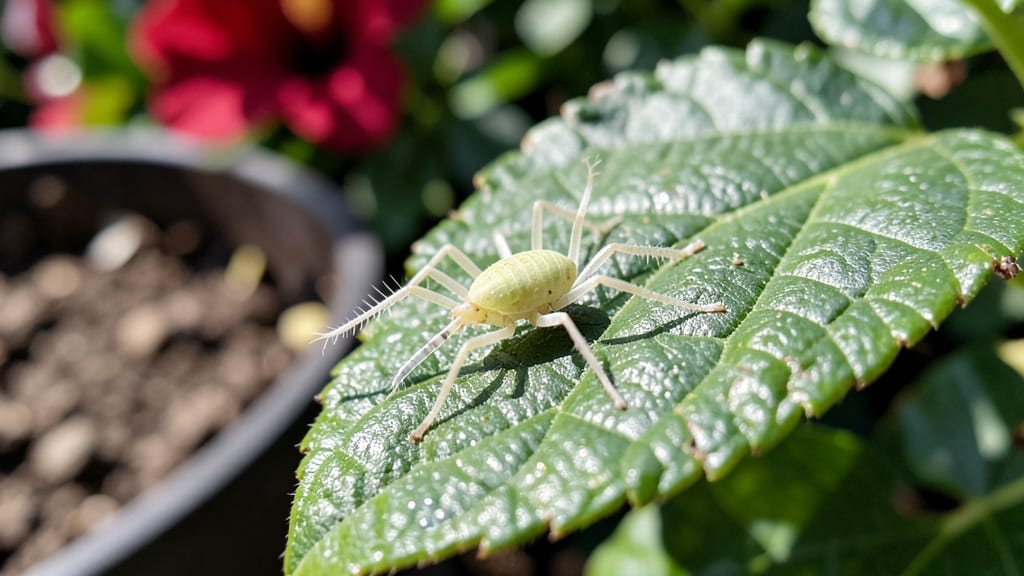
Hibiscus leaf mites turn your glossy leaves into dusty, skeletonized messes in weeks. ✨ I’ve seen healthy hibiscus bushes collapse under these tiny pests—until I discovered this fast-acting organic spray that stops them dead in their tracks within 72 hours.
The secret isn’t complicated: it’s a targeted mix of neem oil, insecticidal soap, and a little horticultural oil magic that suffocates mites without harming your plant.
Most people miss the early signs—tiny white specks on the undersides of leaves or a faint webbing. By the time you notice yellowing leaves and stunted growth, the mites have already multiplied. That’s why I start with a close inspection (use a magnifying glass!) and treat at the first sign.
The spray works best when applied in the early morning or evening, when mites are least active and humidity helps the solution stick.
What you’ll end up with is a hibiscus that looks like it just stepped out of a nursery—vibrant green leaves, fresh new growth, and zero mites. The best part? This isn’t a one-time fix.
Once you’ve treated the infestation, I show you how to prevent recurrence with weekly checks and a few simple cultural tweaks that mites hate. No more losing your prized hibiscus to these microscopic vampires.
Whether you’re dealing with a single bush or a whole collection, this method works for all hibiscus varieties—tropical, hardy, or dwarf. The ingredients are affordable, easy to find, and safer than chemical sprays for pets and kids. Let’s get your hibiscus back to its stunning best—fast.
Hidden Culprits Behind Tiny Invaders
Those pesky hibiscus leaf mites don’t just appear out of nowhere—they thrive because of specific conditions that make your plants the perfect buffet. Understanding why these microscopic pests target your hibiscus helps you stop them before they become a full-blown infestation.
Let’s break down the real reasons these critters show up uninvited.
Hibiscus leaf mites love hot, dry environments—think of them as tiny desert dwellers. When temperatures rise above 85°F (29°C) and humidity drops below 40%, these mites become more active and reproduce faster. Here’s why:
- Dry air weakens plant defenses: Low humidity causes hibiscus leaves to lose moisture, making them more susceptible to mite feeding. The mites insert their mouthparts into the leaf tissue, sucking out sap and leaving behind a stippled, silvered appearance.
- Faster reproduction cycles: In dry heat, female mites lay eggs twice as fast as they would in cooler, humid conditions. A single female can produce 50-100 eggs in her lifetime, leading to explosive population growth.
- Thicker webs for shelter: Mites spin fine silk webs to trap moisture and protect their eggs. In dry climates, these webs become more pronounced, making infestations harder to spot until it’s too late.
💡 Pro Tip: If your hibiscus is in a sunny, indoor space (like a greenhouse or conservatory) with forced-air heating or AC, you’re creating the perfect mite hotel. Use a hygrometer to monitor humidity—aim for 50-60% to deter these pests.
Mites don’t randomly attack healthy hibiscus—they seek out plants that are already struggling. When your hibiscus is stressed, its natural defenses drop, making it an easy meal. Common stress factors include:
| Stress Factor | Why It Attracts Mites |
|---|---|
| Poor drainage | Root stress from soggy soil weakens the plant, reducing its ability to produce protective compounds like triterpenoids, which repel pests. |
| Nutrient deficiencies (e.g., nitrogen or magnesium) | Yellowing leaves (chlorosis) or stunted growth signal mites that the plant is vulnerable. Mites prefer new, tender growth where they can feed without resistance. |
| Physical damage (pruning cuts, pests, or hail) | Open wounds release volatile organic compounds (VOCs) that attract mites. These pests are drawn to plants already under attack by other insects. |
| Over-fertilization (especially with synthetic nitrogen) | Excess salts in the soil burn roots, causing stress. Mites exploit this by feeding on the sap-rich new leaves that sprout as the plant tries to recover. |
💡 Pro Tip: Before treating for mites, check your hibiscus’s health. Prune dead leaves, improve drainage, and adjust fertilization. A balanced 10-10-10 fertilizer (or organic alternatives like compost tea) can help rebuild resilience.
Mites don’t always arrive on their own—they often stow away on tools, clothing, or other plants. Here’s how they spread:
- Infested plants nearby: Mites can walk or blow on wind currents to nearby hibiscus or other susceptible plants (like roses, citrus, or bougainvillea). A single infested plant in your garden can contaminate an entire bed.
- Gardening tools: Pruners, shears, and even your hands can carry mite eggs or adults from one plant to another. If you’ve been working on an infested hibiscus and then trim a healthy one, you’ve just delivered the pests.
- New plants or soil: Mites often hide in potting mix, mulch, or nursery stock. If you bought a hibiscus with tiny webs on the undersides of leaves, it’s already a mite taxi.
- Wildlife vectors: Bees, ladybugs, and even birds can accidentally transport mites between plants while foraging for pollen or nectar.
💡 Pro Tip: Always disinfect tools with rubbing alcohol (70% or higher) before and after use. If you suspect mites, quarantine new plants for 2 weeks and inspect them thoroughly—especially the leaf undersides and buds.
Mites don’t attack year-round—they have peak seasons when conditions align perfectly for their survival. For hibiscus, the worst times are:
- Late spring to early summer (May-July):
- Soaring temperatures + new leaf growth = a mite buffet.
- Irrigation schedules often shift to less frequent watering, increasing dryness.
- Fall (September-October):
- Cooler nights + warm days create temperature fluctuations that stress plants.
- Mites take advantage of senescing (aging) leaves, which are easier to penetrate.
🌡️ Watch for these red flags:
- Leaves curl upward or develop bronze or silver speckling.
- Fine white webbing on leaf undersides or flower buds.
- Sticky honeydew residue (a sign mites are feeding and producing waste).
💡 Pro Tip: Monitor hibiscus every 2 weeks during peak seasons. Use a magnifying lens to check for mites—early detection means fewer organic sprays needed later.
Practical Fixes For Tiny Leaf Invaders
Discovering tiny pests nibbling away at your hibiscus leaves can feel like a losing battle—but it doesn’t have to be! Whether you’re dealing with stunted growth, silver-speckled foliage, or webby trails, these targeted solutions will help you reclaim your plants.
Below, we break down fixes by cause, so you can tackle the problem fast and keep your hibiscus thriving.
Cause: Early-stage mite infestation (often missed until damage appears). Fix: Act fast with these steps:
- 🍳 Isolate the Plant Move the affected hibiscus away from others to prevent spreading. Mites hitchhike easily on wind or tools!
- 👨🍳 Blast Off Pests with Water Use a strong stream of water (from a hose or spray bottle) to dislodge mites from leaves. Repeat every 2–3 days for a week.
- 🥘 Apply Organic Sprays Mix one of these DIY solutions and spray undersides of leaves (where mites hide):
- Neem Oil Spray: 1 tbsp neem oil + 1 tsp mild soap + 1 quart water. Shake well and spray until dripping.
- Garlic Spray: Blend 2 garlic cloves + 1 quart water, strain, and add 1 tsp castile soap. Reapply every 5 days.
- Insecticidal Soap: Use a 2% solution (store-bought or homemade with 1 tbsp liquid soap per quart water).
- ⏰ Monitor for 2 Weeks Check daily for new signs. If webs persist, mites may have laid eggs—repeat sprays until no activity remains.
Cause: Severe infestation or secondary stress (fungus/bacteria from mite damage). Fix: Aggressive cleanup + systemic treatment:
- 🔪 Prune Damaged Foliage Snip off heavily curled or yellowed leaves with clean scissors. Dispose of them in a sealed bag (not compost).
- 🌿 Boost Plant Immunity Feed your hibiscus with a balanced organic fertilizer (like fish emulsion) to help it recover faster.
- 🎯 Use a Systemic Solution For stubborn cases, try:
- Horticultural Oil: Apply in early morning/late evening to suffocate mites (follow label rates).
- Beneficial Nematodes: Water the soil with Steinernema feltiae (microscopic predators that target mites). Best for container plants.
- 💡 Pro Tip: Add companion plants like marigolds or basil nearby—their strong scents repel mites naturally!
Once you’ve banished the invaders, lock them out with these habits:
- 🌿 Weekly Inspections: Check leaves (especially undersides) for early signs. Catch mites before they multiply!
- 🚿 Clean Tools & Pots: Wipe pruners with rubbing alcohol between plants, and rinse containers monthly.
- 🌧️ Encourage Rainfall: Mites hate humidity! Water deeply in the morning to create a less favorable environment.
- 🐝 Support Predators: Attract ladybugs, lacewings, or predatory mites (Phytoseiulus persimilis) to your garden—they’re nature’s pest control!
Remember: Consistency is key. Mites reproduce quickly, so stick to your treatment schedule until you’ve seen no signs for 30 days. With these methods, your hibiscus will bounce back—and stay pest-free!
Frequently asked questions
How can I tell if my hibiscus has leaf mites before the damage is severe?
Look for tiny white specks on leaf undersides (use a magnifying glass) or fine white webbing between leaves. Early signs also include leaves that curl upward or develop silver/bronze speckling. Check new growth and flower buds first—mites love tender tissue.
Will neem oil really kill hibiscus leaf mites, or just slow them down?
Neem oil works by disrupting mites' life cycles—it doesn't just repel but also kills eggs and adults when applied correctly. For best results, mix 1 tablespoon neem oil + 1 teaspoon mild soap + 1 quart water, spray until dripping, and reapply every 5-7 days for 2-3 weeks. The soap helps it stick to leaves.
Can I use the same spray on other plants if I have multiple hibiscus?
Yes, but test first! The same neem oil or insecticidal soap mix works on most plants (like roses, citrus, or bougainvillea). Avoid using it on cucumbers, squash, or melons—these are in the cucurbit family and can develop sensitivity. Always spot-test a small area first.
What should I do if my hibiscus keeps getting mites even after treatment?
Check for underlying stress factors first—poor drainage, nutrient deficiencies, or low humidity (<40%) make plants vulnerable. Improve conditions by watering deeply in mornings, using a balanced fertilizer, and adding humidity trays near potted plants. Also, quarantine new plants for 2 weeks to prevent reinfestation.
Are there any chemical-free ways to prevent leaf mites long-term?
Encourage natural predators like ladybugs, lacewings, or predatory mites (Phytoseiulus persimilis). Plant marigolds, basil, or garlic nearby—their scents repel mites. Also, prune regularly to improve airflow, and rinse leaves weekly with water to remove eggs.