
Size
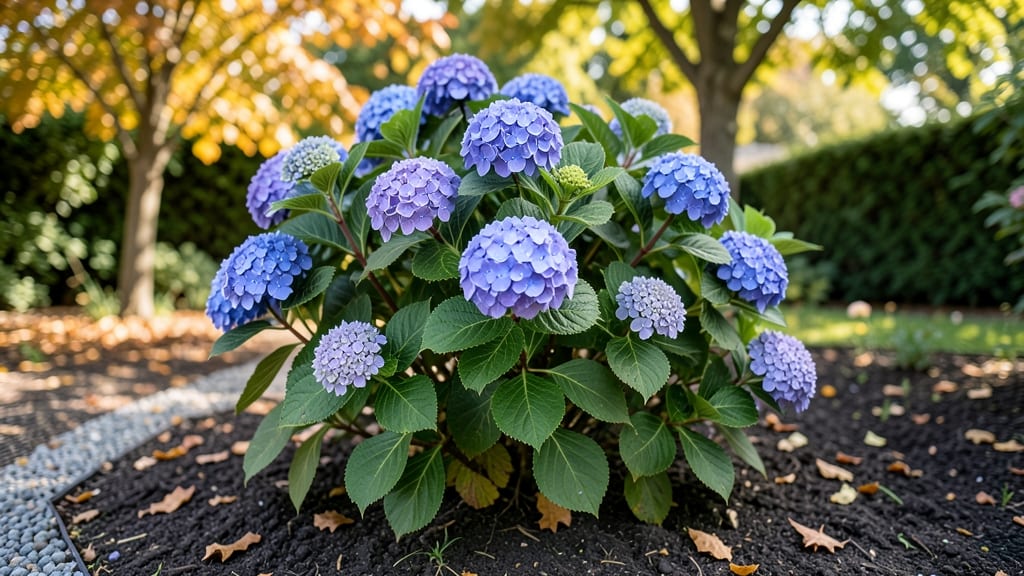
Big leaf hydrangeas (Hydrangea macrophylla) grow into 6 to 12-foot shrubs with a 4 to 6-foot spread—think of them as small trees with lush, flower-filled canopies that cast shade like a natural umbrella. 🌿 The difference between mophead (round blooms) and lacecap (delicate petals) is mostly in flower shape, not size, though lacecaps tend to stay slightly more compact.
Your pruning style makes all the difference. Hard pruning in late winter keeps them bushier but shorter, while minimal pruning lets them reach their full height. Sunlight also plays a role: too much direct sun can stunt growth, while partial shade encourages that vibrant, robust size we all love.
With the right spacing—8 to 10 feet apart—you’ll avoid overcrowding and give each plant room to develop that signature dramatic presence in your garden. The soil matters too: rich, well-draining soil with consistent moisture helps them hit their full potential.
For gardeners with limited space, dwarf varieties like 'Little Lime' stay under 3 feet, while standard types need room to grow. Either way, their showstopping blooms make the investment worth it.
📚 In This Guide
- What you need
- Instructions
- Tips and common mistakes
- Wrapping up and next steps
What you need
- ● Big Leaf Hydrangea Plant: 1 nursery-grown plant (bare-root or potted, 1-3 gallons in size)
- ● Pro tip: 💡 Choose a healthy specimen with vibrant green leaves and no signs of pests.
- ● Soil: 6–10 bags (2–3 cubic feet each) of well-draining, acidic soil mix (pH 5.0–6.0)
- ○ Optional: 🌡️ Mix in peat moss, compost, or pine bark fines for extra acidity.
- ● Fertilizer: 1–2 bags of balanced, slow-release fertilizer (10-10-10 or acidic hydrangea-specific)
- ○ Optional: ✨ Organic options like cottonseed meal or fish emulsion.
- ● Mulch: 3–5 bags of pine bark or wood chips (2–3 inches thick)
- ● Tools: 1 garden trowel or spade
- ● 1 pruning shears (sterilized)
- ● 1 watering can or hose with gentle nozzle
- ● 1 gloves (gardening or work gloves)
- ○ Optional: 🎯 Soil pH test kit (to monitor acidity levels).
- ● Sunlight: Partial shade (4–6 hours of morning sun, afternoon shade in hot climates).
- ● Space: Minimum 6 feet in width (expand to 10+ feet for mature growth).
- ● Water Access: Drip irrigation or hose (hydrangeas love consistent moisture!).
- ● Climate: USDA Zones 5–9 (check your local hardiness zone!).
Understanding bigleaf Hydrangea growth: space and care requirements
Here’s what you need to know about their mature size and how to plan for it.
🌿 Step 1: Assess Mature Height and Spread
Bigleaf hydrangeas (Hydrangea macrophylla) typically reach 6 to 12 feet tall at maturity, with a 4 to 8-foot spread, depending on variety and growing conditions. Some dwarf cultivars like 'Endless Summer' max out around 4 feet, while standard types like 'Nikko Blue' can tower 10+ feet. Always check the specific variety’s tag—this determines pruning needs and planting placement.
Real talk: If you’re planting near a patio or driveway, measure 12 feet outward from the trunk to avoid overcrowding. These shrubs develop thick canopies that block sunlight to nearby plants. I once planted one too close to a rose bush—by year three, the roses were struggling for light.
☀️ Step 2: Evaluate Sunlight and Soil Needs
Bigleaf hydrangeas thrive in partial shade (4–6 hours of sun daily) but tolerate morning sun in hotter climates. Their 6–12-foot height means lower branches often stay shaded, so prune to encourage air circulation and light penetration. Amend heavy clay soil with 2–3 inches of compost—they prefer moist, well-draining, acidic soil (pH 5.2–6.0) for optimal flower production.
Watch for yellowing leaves—this signals either overwatering or alkaline soil. I test pH annually and adjust with sulfur if needed. Mulch with 3 inches of organic matter (like pine bark) to retain moisture and protect roots from temperature swings.
✂️ Step 3: Plan Pruning for Size Control
Prune in late winter or early spring to shape the shrub and control height. Remove 10–20% of the oldest wood annually to encourage new growth. For varieties like 'Nikko Blue', I prune lightly to maintain a 6–8-foot height—cutting back too aggressively reduces blooms. Use clean, sharp shears to avoid tearing bark, and sterilize tools with rubbing alcohol between cuts to prevent disease.
This is the moment that matters: Never prune after mid-summer. You’ll sacrifice next year’s flowers because bigleaf hydrangeas set buds on old wood. I mark pruning dates on my calendar—skipping this once led to a sad, bare winter shrub.
🪴 Step 4: Choose the Right Location
Plant in a spot where the mature height (6–12 feet) won’t obstruct walkways or power lines. Bigleaf hydrangeas make stunning focal points near patios or as privacy screens. I once planted one under a mature oak—now it gets too much shade, and the blooms are sparse. If your yard has limited space, opt for a dwarf variety like 'Little Lime' (3–4 feet tall).
Dig a hole twice as wide as the root ball but no deeper. Backfill with native soil mixed with compost, then water deeply to eliminate air pockets. Stake only if needed—these shrubs have strong root systems and rarely topple.
⏰ Step 5: Monitor Growth Seasonally
Check for new shoots in spring—this is your cue to fertilize lightly with balanced 10-10-10 (½ cup per plant). Bigleaf hydrangeas grow 1–2 feet per year under ideal conditions. If growth stalls, test for pests like lacewings or aphids, which suck sap and weaken stems. I spray with neem oil at the first sign of infestation—prevention is easier than treatment.
By autumn, the shrub’s 6–12-foot height should be fully established. Prune again to remove dead blooms and shape for winter. Mulch heavily to protect roots from freezing temperatures. I cover the base with 4–6 inches of straw in harsh winters—this trick saved my first hydrangea from a brutal winter kill.
Tips & tricks for perfect bigleaf Hydrangea growth
These practical insights will help you manage the impressive size of your bigleaf hydrangeas while maximizing their beauty.
Variety Matters: The mature height range of 6 to 12 feet means you must choose the right cultivar for your space. Dwarf varieties like 'Little Lime' (3-4 feet) work perfectly for small gardens, while standard types like 'Nikko Blue' can reach 10+ feet. Always verify the tag at purchase—this determines everything from pruning needs to planting location. I learned this the hard way when I planted a standard variety too close to my patio entrance!
Pruning Precision: When you prune in late winter or early spring, focus on removing just 10-20% of the oldest wood annually. This maintains the natural shape while encouraging new growth. For varieties like 'Nikko Blue', I aim to keep them around 6-8 feet tall—cutting back too aggressively reduces next year's blooms. Remember, these hydrangeas set buds on old wood, so never prune after mid-summer or you'll sacrifice next year's flowers.
Soil Science: The 2-3 inches of compost you mix into heavy clay soil creates the ideal foundation for these moisture-loving plants. Their preference for acidic soil (pH 5.2-6.0) explains why yellowing leaves often signal overwatering or alkaline conditions. I test my soil annually and adjust with sulfur if needed—this simple test has saved me from years of struggling with poor growth.
Seasonal Strategy: The spring growth of 1-2 feet per year under ideal conditions means you should check for new shoots as your cue to fertilize lightly with ½ cup of 10-10-10 per plant. In autumn, that same 6-12 foot height should be fully established, so prune again to remove dead blooms and shape for winter. My winter mulching trick of 4-6 inches of straw has protected my hydrangeas through multiple harsh winters.
Pro Tips for How Big Do Big Leaf Hydrangeas Get
- These practical insights will help you manage the impressive size of your bigleaf hydrangeas while maximizing their beauty.
- Variety Matters: The mature height range of 6 to 12 feet means you must choose the right cultivar for your space.
- Pruning Precision: When you prune in late winter or early spring, focus on removing just 10-20% of the oldest wood annually.
Frequently asked questions
Got questions about Hydrangea macrophylla (big leaf hydrangeas) and their massive growth potential? Here are the answers to the most common queries—so you can plan your garden like a pro!
How fast do big leaf hydrangeas grow?
Big leaf hydrangeas grow at a moderate pace, typically adding 12–24 inches per year under ideal conditions. In their first year, expect slower growth (6–12 inches), while mature plants can expand 2–3 feet annually with proper care. Patience pays off—these beauties take 3–5 years to reach their full size!
Can I prune a big leaf hydrangea to keep it smaller?
These hydrangeas respond well to light pruning in late winter or early spring. To control size, trim back 1/3 of the oldest stems (those without blooms) to redirect energy to newer growth. Avoid heavy pruning—it can reduce flowering. For a compact bush, prune just after blooming to shape without sacrificing next year’s flowers.
Will big leaf hydrangeas survive in cold climates?
Yes! While they thrive in USDA Zones 5–9, cold-hardy varieties like 'Nikko Blue' or 'Endless Summer' tolerate temperatures down to -10°F to -20°F. In colder zones, mulch heavily (3–4 inches) around the base and protect tender stems with burlap wraps or evergreen boughs in winter. Young plants may need extra shelter.
Do big leaf hydrangeas need full sun?
Not quite! They prefer partial shade (4–6 hours of sunlight daily) to prevent leaf scorch, especially in hot climates. In cooler regions, they can handle morning sun + afternoon shade. Too much direct sun? Expect smaller blooms and duller foliage. Test your spot: if leaves crisp by midday, they need more shade.
What’s the best alternative if my space is too small?
If big leaf hydrangeas outgrow your space, consider these compact hydrangea varieties:
- 'Little Lime' (3–4 ft tall): Lemon-lime blooms, perfect for containers.
- 'Annabelle' (3–5 ft tall): Classic white mopheads with drought tolerance.
- 'Limelight' (4–6 ft tall): Smaller than big leaf but still dramatic.
Wrapping up and next steps
Big leaf hydrangeas are stunning statement plants—capable of reaching 6 to 12 feet tall (or wider!) with their lush, vibrant blooms. Whether you’re planning a garden backdrop, a privacy screen, or a dramatic focal point, their size and beauty make them a worthwhile investment for any outdoor space.
Ready to transform your yard? Start by choosing the perfect variety and giving your hydrangeas the care they deserve!