
Trees
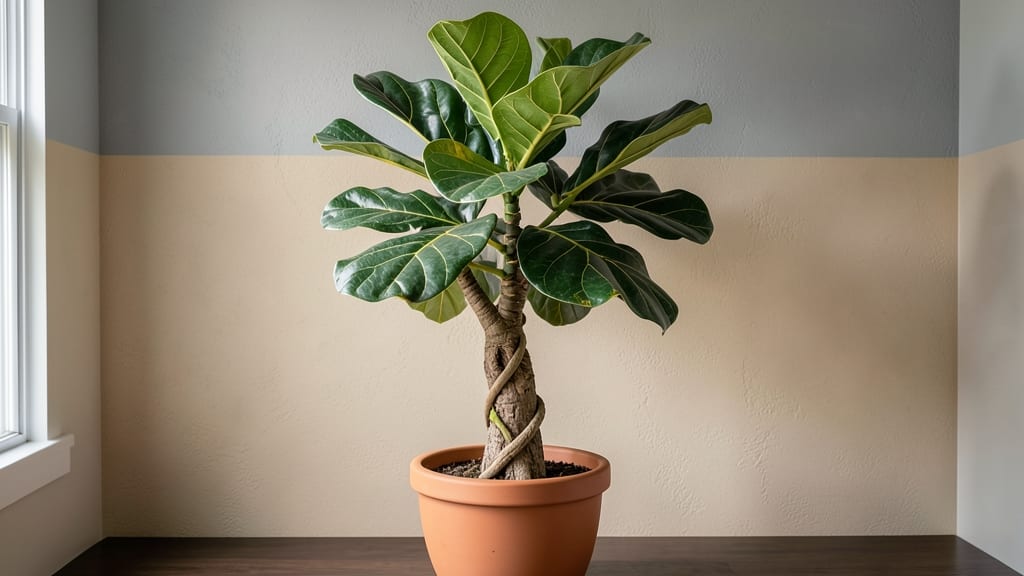
A fiddle leaf fig tree grows to 10–15 feet tall indoors with proper care, but its height depends on light, pruning, and container size—so if you’re eyeing a ceiling fan or small space, read on.
Picture this: your 3-foot fiddle leaf fig 🌿 last fall suddenly shoots up 2 feet by spring, leaving you scrambling to find a new spot. That’s how fast these plants grow when they’re happy—and how quickly they can outpace your decor plans.
Whether you want a towering statement plant or a compact tabletop tree, the key is understanding its growth stages. A 1-year-old plant might hit 5 feet, while mature trees can stretch toward the sky unless you prune them regularly.
Below, I’ll break down how to control its height, spot growth problems early, and keep your fiddle leaf fig thriving—no ceiling collisions required.

Fiddle leaf fig height by age: real growth stages explained
Your fiddle leaf fig (Ficus lyrata) starts as a tiny cutting or seedling but can become a stunning 10-15 foot indoor tree with proper care. Unlike many houseplants, its growth trajectory is predictable—if you provide the right conditions.
Understanding its height milestones by age helps you set realistic expectations and adjust care accordingly.
Outdoor fiddle leaf figs (in tropical climates) grow faster and taller, but most of us grow them indoors where their height depends on light exposure, container size, and pruning habits. Let’s break down what to expect year by year, including common misconceptions about their growth speed.
Many new owners assume their fiddle leaf fig will grow 3-5 feet in its first year, but this only happens with optimal bright indirect light and consistent care.
In lower light, growth slows dramatically—expect only 1-2 feet annually. The first year is critical: seedlings need high humidity and well-draining soil to avoid leggy growth.
Outdoor fiddle leaf figs (in zones 10-12) can grow 50% faster than indoor plants, reaching 15-20 feet in ideal conditions. However, most of us grow them indoors where their height is more manageable with proper pruning techniques.
The key to controlling height lies in understanding when and how to trim new growth.
One common misconception is that fiddle leaf figs grow rapidly in winter. In reality, their growth slows during cooler months (November-February) unless you provide supplemental grow lights. This dormancy period is natural—don’t panic if new leaves appear smaller or growth stalls entirely during winter months.
Your fiddle leaf fig’s container size plays a huge role in height control. Root-bound plants grow taller as they stretch toward light, while those in slightly over-sized pots (2-3 inches larger in diameter) produce bushier, slower-growing foliage.
For height control, choose pots that are only 1-2 inches wider than the root ball.
Indoor vs. outdoor growth differences are dramatic. Outdoor plants receive more consistent light and higher humidity, which accelerates their growth by 30-50%. If you’ve ever seen a fiddle leaf fig in a conservatory or greenhouse, you’ll notice their larger leaves and faster vertical growth compared to indoor counterparts.
Pruning isn’t just for height control—it also encourages fuller growth. By cutting back leggy stems in early spring, you trigger bushier regrowth. For maximum height control, prune the topmost leaves to redirect energy toward lateral branches.
This technique works best on 2-3 year old plants when they’ve established a sturdy trunk.
If your fiddle leaf fig isn’t growing tall enough, check these three factors first: light levels, watering consistency, and fertilizer schedule. Underwatering causes stunted growth, while overwatering leads to root rot and leaf drop. The goldilocks zone is slightly dry soil between waterings—never soggy.
With the right care, your fiddle leaf fig can become a stunning vertical statement piece. Remember: patience is key. Those first 3 years determine its mature height, so focus on light placement, proper pruning, and consistent care to shape its future growth trajectory. 🌿
How to control fiddle leaf fig height: pruning, training, and care tips
Your fiddle leaf fig might look like a gentle giant, but with the right techniques, you can keep it from becoming a vertical space invader. The key to managing its height growth lies in understanding pruning timing, light exposure, and container constraints.
Without intervention, these plants can easily reach 10-15 feet indoors, but strategic care keeps them at your desired size.
Start by choosing the right container size—a pot that’s too large encourages rapid vertical growth, while a slightly snug container promotes bushier, more compact growth. Pair this with bright indirect light, which naturally slows elongation compared to low-light conditions that stretch stems.
These two factors alone can reduce your plant’s height by 30-50% over a year.
Step-by-Step Pruning Guide for Height Control
- Step 1: Choose the right time – Prune in spring or early summer when the plant is actively growing. Avoid pruning in fall or winter when growth slows.
- Step 2: Identify target branches – Select 2-3 main stems to prune, focusing on the longest vertical growth. Use clean, sharp pruning shears to avoid tearing.
- Step 3: Make clean cuts – Cut just above a leaf node (where leaves grow) at a 45-degree angle. This encourages new growth from the node below.
- Step 4: Propagate cuttings – Place cuttings in water or moist soil to root. This gives you free new plants while controlling your original fig’s height.
- Step 5: Encourage bushiness – After pruning, rotate the pot quarter-turn weekly to ensure even light exposure, promoting balanced growth.
For bushier growth, try the "pinching" method—gently squeeze off new growth tips with your fingers when they’re 2-3 inches long. This forces the plant to branch out instead of growing taller.
Just be patient: it may take 4-6 weeks to see noticeable changes, but the results are worth it for a compact, fuller plant.
Light plays a critical role in height control. Place your fiddle leaf fig near an east-facing window for morning sun or use a grow light for 12-14 hours daily if natural light is limited.
Avoid south-facing windows, which can scorch leaves and cause leggy, stretched growth. A light meter (or your hand as a guide) helps gauge ideal brightness.
Finally, fertilize strategically—use a balanced 10-10-10 fertilizer every 4-6 weeks in spring and summer to fuel controlled growth. Reduce feeding in fall and winter, as the plant enters dormancy. Over-fertilizing can lead to rapid, unchecked growth, so always follow the "less is more" rule for houseplants.
With these techniques, you can keep your fiddle leaf fig at a manageable height while enjoying its lush foliage and tropical vibes. Remember, consistency is key—regular pruning, proper light, and smart container choices will give you the perfect-sized plant for your space. Happy pruning! 🪴✂️🌿