
How To
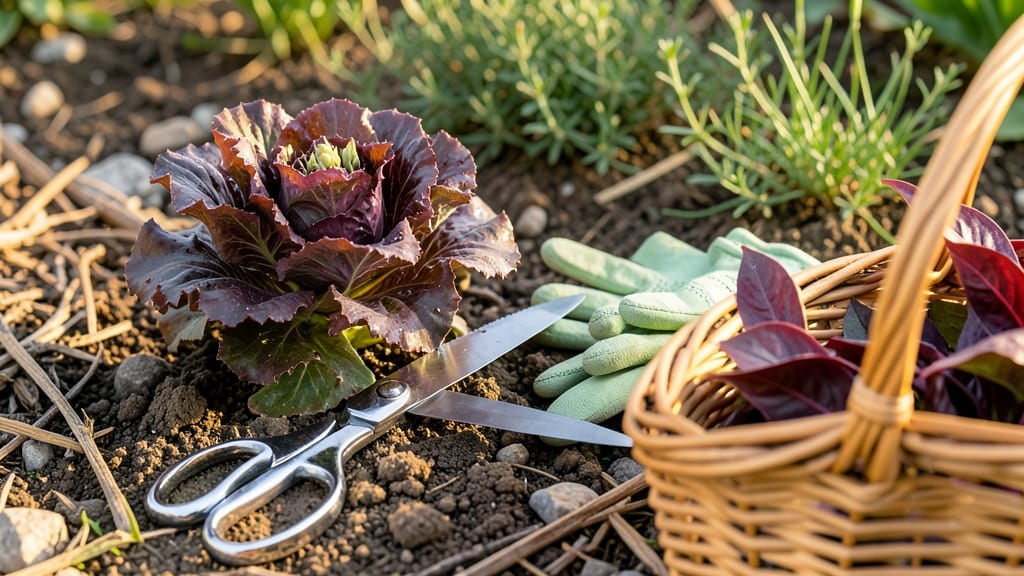
To harvest red leaf lettuce at its peak—deep red, crisp, and packed with flavor—you need a few simple tricks most gardeners miss.
Picture this: you’ve nurtured your 🥬 red leaf lettuce for weeks, only to pull a leaf and find it bitter or wilted. That’s a sure sign you harvested too late—or too early.
Timing is everything, and the difference between a perfect bite and a sad salad is all in the details.
You’ll learn exactly when to snip for the best texture, which leaves to pick first (and which to leave behind), and how to keep your plant producing fresh greens for weeks. No more guesswork, just crisp, flavorful harvests every time.
From the first signs of readiness to post-harvest care, this guide covers everything you need to make your red leaf lettuce taste like it belongs in a gourmet salad—without the disappointment.


When to harvest red leaf lettuce for maximum flavor and crispness
Timing your red leaf lettuce harvest is everything—those deep red leaves pack the most flavor when picked at the right moment. Unlike some leafy greens, red leaf lettuce thrives on cut-and-come-again harvesting, but knowing when to start makes all the difference.
The key is watching for leaf maturity and avoiding the bolting stage, where heat or long days trigger bitter flowering.
For spring harvests, aim to start harvesting when outer leaves reach 4-6 inches long and develop their signature deep red color. In fall plantings, you’ve got a slightly longer window before frost, but don’t wait too long—over-mature leaves lose their crisp texture and develop tough stems.
The ideal harvest window is typically 45-60 days after sowing, depending on your climate.
Day length plays a huge role—red leaf lettuce is sensitive to long daylight hours, which can trigger bolting. In hot climates, shade cloth or succession planting can extend your harvest season.
Even in cooler regions, late summer heat waves can send your lettuce bolting, so monitor weather forecasts and adjust your harvest schedule accordingly.
Here’s what to watch for to nail perfect timing:
| Harvest Stage | Leaf Characteristics | Days After Sowing | Best Time of Day | Weather Conditions |
|---|---|---|---|---|
| Early Harvest | Outer leaves 2-3 inches, pale red | 30-35 days | Morning (cool leaves) | Mild temps (50-75°F) |
| Peak Harvest | Leaves 4-6 inches, deep red, crisp | 45-60 days | Early morning | Cool (below 80°F) |
| Late Harvest | Leaves elongated, slightly bitter | 60+ days | Late morning | Warm but not hot |
| Bolting Risk | Tall stems, yellow flowers | 70+ days (heat stress) | N/A (harvest immediately) | Hot (>85°F) or long days |
Pro tip: Always harvest in the early morning when leaves are cool and crisp. Use a sharp pair of scissors or pruning shears to snip leaves just above the soil line or a growing point.
This encourages new leaf growth while keeping the plant productive. Avoid pulling leaves—this can damage the roots and stunt future harvests.
If you’re growing red leaf lettuce in containers, timing is even more critical since roots have less space to recover. Container-grown lettuce often bolts faster due to heat absorption, so consider using shade cloth (30-50%) during peak summer afternoons.
In my own garden, I’ve found that succession planting every 2 weeks ensures a steady supply of fresh leaves without risking bolting.
Seasonal adjustments are key—spring harvests in cooler climates can stretch into early summer, while fall harvests might last until hard frost. Pay attention to your last frost date and plan accordingly.
For example, if your last frost is April 15, aim to have your lettuce mature by early May to avoid heat stress. In warmer zones, focus on fall plantings for a second harvest before winter sets in.
One common mistake is waiting too long for the full head to form. Red leaf lettuce doesn’t develop a tight head like romaine—its loose structure makes it perfect for cut-and-come-again harvesting. By picking outer leaves when they’re 4-6 inches long, you preserve the plant’s productivity and flavor.
I’ve seen gardeners miss this and end up with a single bitter harvest instead of weeks of fresh greens!
Finally, watch for bolting indicators like elongated stems or flower buds. If you spot these, harvest immediately—even the outer leaves will taste bitter once bolting begins. In my experience, shade cloth and consistent moisture are your best defenses against premature bolting during hot weather.
With the right timing, you’ll enjoy crisp, peppery red leaf lettuce all season long.
🥬
Step-by-step harvesting techniques to avoid bitter leaves and bolting
Harvesting red leaf lettuce at the right time and with the correct technique ensures crisp, flavorful leaves instead of bitter disappointment. The key lies in partial harvesting—cutting outer leaves while leaving the inner growth intact. This method prevents bolting (premature flowering) and keeps your plants producing for weeks.
Start by gathering your harvesting tools: a sharp pair of pruning shears or a clean knife, a bowl for collected leaves, and a spray bottle with water for rinsing. Work in the early morning when leaves are hydrated and cool, which preserves their crisp texture and peppery flavor.
How to Harvest Red Leaf Lettuce
- Step 1: Identify Mature Leaves Look for outer leaves that are 4-6 inches long, deep red, and fully crisp. These are ready for harvest while the inner leaves remain tender.
- Step 2: Use Clean Tools Disinfect your pruning shears or knife with rubbing alcohol to prevent spreading disease. Sharp tools make cleaner cuts that heal faster.
- Step 3: Cut at the Base Hold a leaf firmly and cut it just above the soil line at a 45-degree angle. This encourages regrowth from the base.
- Step 4: Leave Inner Leaves Intact Avoid cutting into the inner heart of the plant. Harvest 1/3 of the outer leaves at a time to maintain growth.
- Step 5: Rinse and Store Immediately Gently rinse leaves in cool water to remove dirt, then pat dry with a clean towel. Store in a perforated plastic bag in the fridge for up to 5-7 days.
- Step 6: Monitor for Bolting If your plant starts sending up a flower stalk, it’s bolting. This happens due to heat stress or over-maturity. Harvest remaining leaves immediately and remove the stalk to redirect energy.
For continuous harvests, repeat the process every 2-3 weeks as new outer leaves mature. This method extends your red leaf lettuce harvest by 4-6 weeks compared to cutting the whole plant at once.
Just be mindful of pest pressure—aphids and slugs love tender lettuce leaves, so inspect plants regularly.
If your lettuce starts tasting bitter, it’s a sign of over-maturity or heat stress. To fix this, move plants to a shadier spot and harvest immediately. For future crops, plant shade-tolerant varieties or use row covers during hot afternoons to maintain sweetness.
After harvesting, give your plants a light fertilizer (like a fish emulsion) to encourage regrowth. Water deeply in the morning to replenish moisture lost during harvest. With these techniques, you’ll enjoy crisp, flavorful red leaf lettuce all season long—no bitterness in sight! 🥬✂️