
Pruning
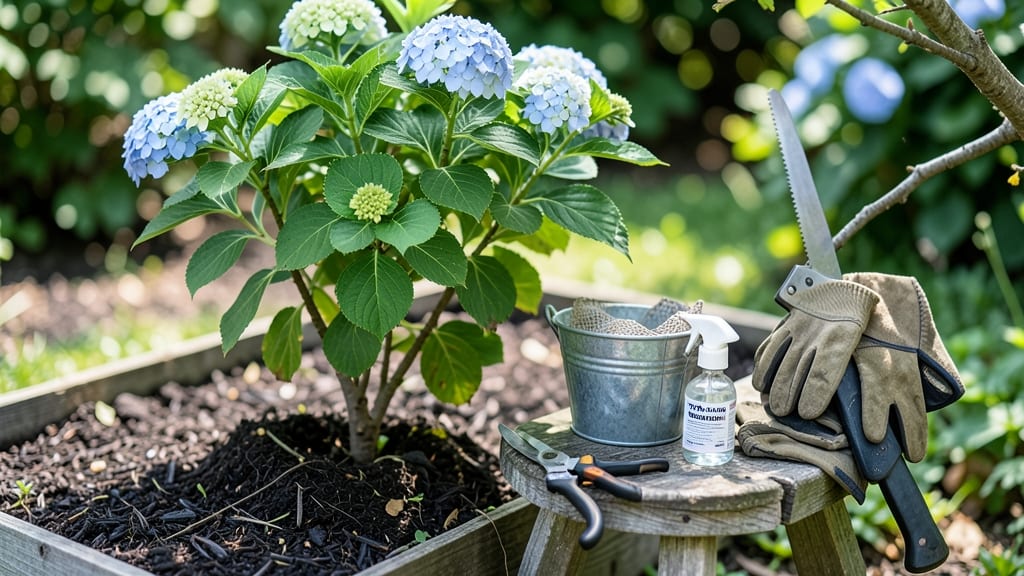
Pruning big leaf hydrangeas in spring isn’t just about cutting back—it’s about unlocking next year’s showstopping blooms while keeping your plant healthy.
I’ve spent years perfecting the timing and technique, and the difference between a bush bursting with color and one that barely flowers comes down to when and how you make those cuts. The key is working before new growth starts, but not so early that late frosts damage tender stems.
You’ll need sharp pruners, gloves, and a clear understanding of old versus new wood—big leaf hydrangeas bloom on last year’s growth, so aggressive pruning now means fewer flowers later. Start by removing any dead or crossing branches first, then focus on thinning out crowded stems to improve airflow.
The goal is to shape the plant while preserving next season’s buds, hidden along the previous year’s branches.
After pruning, step back and admire your work—you’ve just set the stage for larger, more abundant blooms next summer. Water deeply afterward to help the plant recover, and avoid heavy fertilizing until new growth appears.
This method has transformed my hydrangeas from sparse bloomers to the envy of the neighborhood, and it can do the same for yours.
Spring pruning works best between late winter and early spring, just as buds begin to swell but before leaves emerge. For colder climates, wait until after the last frost date to avoid damaging tender new shoots.
The payoff? A bush that thrives year after year with minimal effort—and blooms that steal the show.
📚 In This Guide
- What you need
- Instructions
- Tips and common mistakes
- Wrapping up and next steps
What you need
- ● Pruning shears or loppers: Sharp, clean, and disinfected (70% isopropyl alcohol works great). Choose bypass pruners for clean cuts (avoid anvil types—they crush stems). Size: 6–8 inches for small branches, 10–12 inches for thicker stems.
- ○ Hand pruners (optional but handy): For delicate trimming of smaller branches (4–6 inches).
- ● Gloves: Heavy-duty garden gloves to protect your hands from thorns and sap.
- ● Disinfectant (e.g., rubbing alcohol or bleach solution): 1 part bleach to 9 parts water—sterilize tools between cuts to prevent disease spread.
- ● Pruning saw (if needed): For branches thicker than 1 inch in diameter. A bow saw or pruning saw with fine teeth will do the trick.
- ○ Garden twine or zip ties: To secure larger branches if they’re too heavy to remove immediately (optional but helpful for safety).
- ● Trash bags or bucket: For collecting pruned branches and debris.
- ● Ladder or step stool: For reaching higher branches safely (ensure it’s stable!).
- ● Marking twine or paint: To tag branches you’re unsure about (e.g., "Keep" vs. "Remove").
- ● Pruning sealant: For sealing large cuts (controversial—some gardeners swear by it, others skip it).
- ● Notebook & pen: To jot down notes on your hydrangea’s structure or pruning plan.
How to prune big leaf hydrangeas in spring: timing and technique for larger blooms
Spring pruning transforms your big leaf hydrangeas into bushier, bloom-heavy powerhouses—if you time it right.
Identify Last Year’s Blooms and New Growth
Big leaf hydrangeas flower on last year’s growth, so wait until after the blooms fade in fall to prune. But in spring, you’ll see two types of stems: woody brown branches (last year’s blooms) and green, tender shoots (this year’s growth). The key is to focus on the outer third of the plant—this is where new blooms form.
Use sharp pruning shears to cut just above a set of 5-7 leaf buds (these are the growth points for next year’s flowers). Avoid cutting back into the center of the plant—this creates a bare, leggy center. If you see any dead or crossing branches, remove them entirely to improve airflow and prevent disease.
Prune for Shape and Size Control
Step back and assess the plant’s shape. Big leaf hydrangeas can grow 3-6 feet wide, so aim to keep them at a manageable size. Cut back 1/3 of the oldest stems (the thickest, woody branches) to encourage new growth. These stems are past their prime and won’t produce as many blooms anyway.
For a fuller look, trim the outer branches slightly shorter than the inner ones. This creates a layered effect and prevents the plant from looking top-heavy. Avoid cutting into the center—this is where next year’s blooms will develop. If you’re unsure which stems to cut, err on the side of caution and leave them for now.
Clean Up and Encourage New Growth
After pruning, remove all dead leaves, stems, and debris from the base of the plant. This prevents pests and diseases from taking hold. Use a 10% vinegar solution (or rubbing alcohol) to sterilize your pruning shears between cuts—this keeps infections from spreading.
Once pruning is done, water the plant deeply to help it recover. You’ll notice new shoots emerging within 2-3 weeks—these are the branches that will produce next year’s blooms. Keep the soil consistently moist but not soggy, and fertilize lightly with a balanced 10-10-10 formula to support new growth.
Monitor and Adjust for Future Seasons
Over the next few weeks, watch for any signs of stress, like yellowing leaves or wilting. If this happens, reduce watering slightly—big leaf hydrangeas are more prone to root rot than underwatering. By midsummer, you should see new flower buds forming at the tips of this year’s growth.
Take notes on which branches you pruned and how the plant responds. Next year, adjust your cuts based on what worked. For example, if the plant grew too leggy, prune back slightly earlier in spring. If blooms were sparse, focus on cutting back more of the oldest stems. With each passing season, your pruning skills will refine, and your hydrangeas will reward you with bigger, more vibrant blooms.
Tips & tricks for perfect spring hydrangea pruning
Here's what nobody tells you about getting those perfect blooms—these tricks save time and headaches.
Timing is Everything: The instructions mention focusing on the outer third, but I learned this the hard way: prune when you see those green shoots starting to swell (usually late April to early May). This is when the plant is ready to put energy into new growth rather than struggling with old wood. If you prune too early, you might cut off next year's buds before they form.
The 5-7 Bud Rule Explained: When cutting back stems, those 5-7 leaf buds are your target because they're where next year's flowers will develop. Here's the trick: count the buds from the base upward—you want to leave at least 5 buds on each remaining stem. This ensures you're not cutting too aggressively and sacrificing next year's blooms. If you're unsure, err on the side of leaving more buds rather than fewer.
Pruning Shears Maintenance: The instructions mention sterilizing with vinegar or rubbing alcohol, but I'll add this: keep a small spray bottle of the vinegar solution handy. After each cut, give your shears a quick spray and wipe with a paper towel. This prevents the spread of disease between cuts, especially important when working with multiple stems. Trust me, your hydrangeas will thank you next season.
Post-Pruning Care: That 2-3 week window for new shoots to emerge is your best chance to get ahead. After pruning, I like to add a layer of mulch around the base (but not touching the stems) to help retain moisture and suppress weeds. This gives your plant a head start while you're watching for those first signs of new growth.
Pro Tips for Prune Big Leaf Hydrangeas In Spring
- Here's what nobody tells you about getting those perfect blooms—these tricks save time and headaches.
- Timing is Everything: The instructions mention focusing on the outer third, but I learned this the hard way: prune wh...
- The 5-7 Bud Rule Explained: When cutting back stems, those 5-7 leaf buds are your target because they're where next y...
Frequently asked questions
Got questions about pruning your big leaf hydrangeas? You’re not alone! Here are some of the most common concerns—and their answers—to help you prune with confidence.
When is the exact best time to prune big leaf hydrangeas in spring?
The ideal window is late winter to early spring (February–March in most zones), before new growth starts. Wait until after the last frost but before buds swell—this ensures you’re cutting old wood while preserving next year’s blooms. If you miss this, don’t panic! Light pruning can still be done in early spring, but avoid heavy cuts later.
Do I cut back big leaf hydrangeas all the way to the ground?
No!
Unlike some hydrangeas (like panicle types), big leaf hydrangeas bloom on old wood. Cutting them back drastically risks removing next year’s flowers. Instead, prune to just above the first set of 5–7 leaves on each stem. This encourages bushier growth while preserving blooms.
What if I pruned too much last year? Can I fix it?
If you over-pruned, don’t stress—big leaf hydrangeas are resilient! Focus on light maintenance this year: Remove only dead or crossing branches, and avoid heavy cuts. Next spring, you’ll see new growth from the base. For severe cases, fertilize with acidic, slow-release granules to support recovery.
Will pruning affect the color of my hydrangea flowers?
Yes! Big leaf hydrangea colors (blue/pink) depend on soil pH—not pruning. However, over-pruning can stress the plant, indirectly dulling vibrancy. To boost color: Test your soil (aim for pH 5.5–6.0 for blue or 6.0–7.0 for pink) and amend with sulfur (for blue) or lime (for pink) if needed.
What should I never do when pruning big leaf hydrangeas?
Avoid these big mistakes:
- Pruning after blooms fade—this removes next year’s buds!
- Using dull or dirty shears—they crush stems, inviting disease.
- Leaving stubs—always cut just above a leaf node for clean regrowth.
- Fertilizing right after pruning—wait 4–6 weeks to avoid burning new growth.
Wrapping up and next steps
Pruning your big leaf hydrangeas in spring isn’t just about tidying up—it’s your secret to showstopping blooms and a healthier plant! 🌸 By mastering the right timing (late winter to early spring) and technique (focus on old wood, shape wisely, and avoid over-pruning), you’ll set the stage for vibrant, abundant flowers all season.
Don’t let hesitation hold you back—grab those shears and get pruning with confidence!
Ready to take it further? Monitor your hydrangeas throughout the growing season—adjust watering, fertilize lightly, and watch as your efforts pay off in stunning color! 🌿