
How To
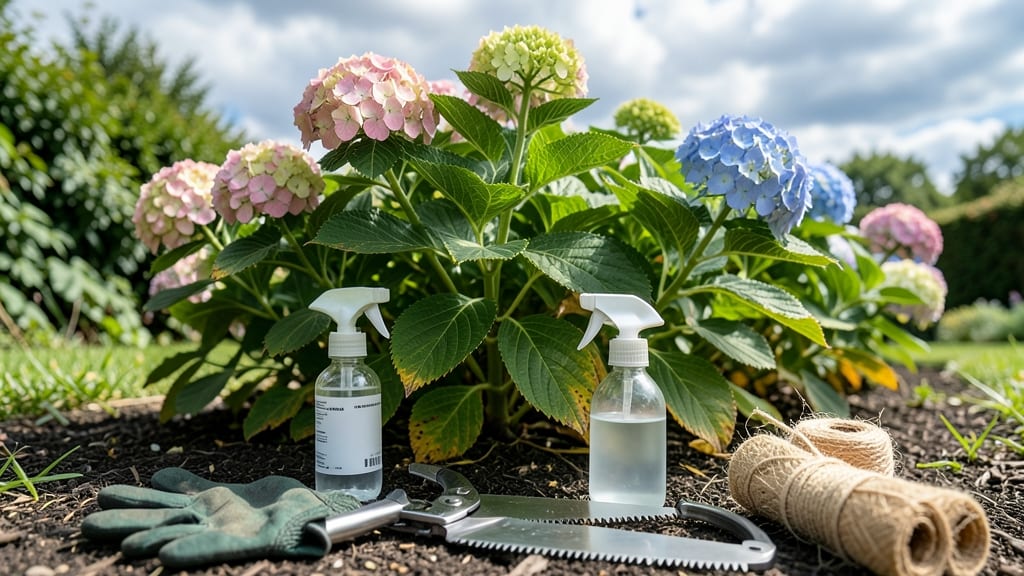
Pruning big leaf hydrangeas isn’t about hacking branches—it’s about unlocking next year’s blooms. ✂️ I’ve learned the hard way that cutting at the wrong time or wrong place turns lush plants into sad, leggy sticks.
The key is knowing when to prune (late winter or right after flowering) and how to spot last year’s wood versus this year’s growth.
Start with clean, sharp pruners and a clear goal: encourage more blooms or rejuvenate an overgrown plant. For year-round blooms, cut back by ⅓ in late winter, focusing on dead or crossing branches.
If your plant blooms only on old wood, wait until right after flowering—then trim just the faded blooms to shape the plant. The secret? Never cut into last year’s growth unless you want to sacrifice next season’s flowers.
📚 In This Guide
- What you need
- Instructions
- Tips and common mistakes
- Wrapping up and next steps
What you need
- ● Pruning shears – Bypass pruners (sharp, 5-7 inch blades) for clean cuts on smaller stems.
- ● Loppers – Medium-sized (8-10 inch) for thicker branches (½ inch or larger).
- ● Pruning saw – For large, woody stems (1-2 inches thick).
- ● Gloves – Heavy-duty, garden-grade to protect against thorns and rough branches.
- ● Disinfectant (70% isopropyl alcohol or bleach solution) – To sterilize tools between cuts and prevent disease spread.
- ● Rag or paper towels – For wiping tools clean.
- ○ Garden twine or plant ties – Optional, for securing heavy branches post-pruning.
- ● Hand pruners (felco) – For precision trimming on delicate stems.
- ● Ladder or step stool – If your hydrangea is taller than 6 feet.
- ● Garden hose or spray bottle – To rinse tools and clean sap off blades.
- ○ Marking spray (optional) – For tagging branches to track growth or cuts.
- ● Compost bin or trash bag – To dispose of pruned debris properly.
Step-by-step guide to pruning big leaf hydrangeas
Pruning these beauties might seem intimidating, but I've perfected a simple system that keeps them lush and blooming season after season.
✂️ Step 1: Prune in Late Winter or Early Spring
Wait until late winter or early spring, just as new buds begin to swell but before any leaves appear. This timing ensures you're cutting back old wood while preserving next year's blooms. Big leaf hydrangeas produce flowers on last year's growth, so pruning too early risks removing next season's potential.
Grab your pruners and start by removing any dead, diseased, or crossing branches first. These are the obvious culprits that need to go regardless of timing. You'll know a branch is dead if it's brittle, has no green underneath the bark, and snaps easily when bent.
✂️ Step 2: Cut Back Last Year's Growth Strategically
For established plants, cut back each stem by about one-third to one-half of its previous year's growth. Look for the largest, thickest stems—these are the ones that produced the most flowers last year. Make your cuts just above a set of buds that face outward on the stem.
Here's the thing—you want to encourage an open, airy shape. Avoid cutting into the center of the plant where branches crowd together. This prevents disease and makes future pruning easier. If you're unsure which buds are outward-facing, imagine the plant's natural shape and cut to maintain that form.
✂️ Step 3: Shape and Thin for Airflow
Step back and assess the plant's overall shape. Big leaf hydrangeas respond well to thinning, so remove any branches that rub against each other or grow inward. These create dark, damp spots where diseases like powdery mildew thrive. You'll see these problem branches immediately—they're the ones growing toward the center or crossing over others.
For a fuller look, you can also cut back some of the outer stems by one-third to encourage bushier growth. Just avoid any stems that have flower buds already forming—those are this year's blooms you want to preserve. If you're unsure, wait until after blooming to prune those stems.
🌿 Step 4: Clean Up and Monitor Growth
After pruning, remove all the clippings from the area and dispose of them properly. Don't leave them near the plant—they can harbor pests and diseases. Once you've finished, give the plant a good drink of water to help it recover from the pruning stress.
Watch for new growth in 4-6 weeks. Healthy new shoots will emerge from the buds you preserved. If you see any yellowing leaves or wilting stems after pruning, it might mean you cut too aggressively. Big leaf hydrangeas are forgiving, but they do best with moderate pruning—never remove more than half the plant in one year.
Tips & tricks for pruning big leaf hydrangeas
Let me share the hard-won insights that'll help you prune like a pro—no guesswork involved.
Timing is Everything: That late winter or early spring window is critical because big leaf hydrangeas bloom on last year's growth. If you prune too early, you risk cutting off next year's flowers before they even form. I always check for swollen buds—those tell me it's time to start. If you're unsure, wait until you see those little buds pushing out from the stems.
The One-Third Rule: When cutting back stems in Step 2, remember this golden ratio: one-third to one-half of last year's growth. For a 12-inch stem, that means cutting back to 4-6 inches. Here's what nobody tells you—if you're dealing with a particularly leggy plant, you can cut back slightly more on the outer stems to encourage bushier growth, but never exceed half the total length. This keeps the plant balanced and prevents shock.
Bud Direction Matters: Making cuts just above outward-facing buds is the secret to an open, airy plant shape. To visualize this, imagine drawing an invisible circle around your plant. The buds you want to preserve should point toward this circle, not inward. If you're struggling to identify them, look for the buds that naturally form at the outer edges of the stem—those are your best candidates. This simple adjustment makes all the difference in airflow and future blooms.
Monitor for Stress Signs: After pruning, keep an eye out for yellowing leaves or wilting stems in those first 4-6 weeks. These are red flags that you may have cut too aggressively. Big leaf hydrangeas are tough, but they do best when you remove no more than half the plant in one year. If you notice these signs, don't panic—give the plant some extra water and a little time to recover. The new growth should bounce back within a few weeks.
Pro Tips for Prune Big Leaf Hydrangeas
- Let me share the hard-won insights that'll help you prune like a pro—no guesswork involved.
- Timing is Everything: That late winter or early spring window is critical because big leaf hydrangeas bloom on last year's growth.
- The One-Third Rule: When cutting back stems in Step 2, remember this golden ratio: one-third to one-half of last year's growth.
Frequently asked questions
Got questions about pruning big leaf hydrangeas?
You’re not alone! Whether you're a first-timer or a seasoned gardener, these common queries will help you prune like a pro. Let’s dive in:
When is the best time to prune big leaf hydrangeas?
Prune big leaf hydrangeas in late winter or early spring (February–March) before new growth starts. Avoid pruning in fall or winter, as this can expose tender stems to frost damage. If you must prune later, wait until after the plant has finished blooming in summer.
How much can I cut back my big leaf hydrangea?
You can safely prune up to ⅓ of the plant’s height each year. For mature bushes, aim to remove old wood (stems with no leaves or buds) and shape the plant by cutting back to an outward-facing bud. Never cut into the center of the plant—this reduces airflow and encourages disease.
Will pruning big leaf hydrangeas affect next year’s flowers?
Nope! Big leaf hydrangeas bloom on new wood, so pruning in late winter or early spring won’t reduce next year’s flowers. In fact, proper pruning encourages bigger, healthier blooms. Just avoid heavy pruning in fall, which can remove next year’s flower buds.
What if I accidentally prune too much?
Don’t panic! Big leaf hydrangeas are resilient. If you’ve over-pruned, focus on healthy growth next year by fertilizing lightly and watering consistently. The plant will recover, though it may take a season or two to bounce back fully. Prevention tip: Mark your pruning spots with flags or photos before cutting!
Can I prune big leaf hydrangeas the same way as other hydrangeas?
Nope—big leaf hydrangeas (Hydrangea macrophylla) differ from oakleaf or panicle hydrangeas, which bloom on old wood. Pruning big leaf hydrangeas in late winter is ideal, while oakleaf and panicle types should be pruned after they bloom. Always check your plant’s variety before pruning!
Pro Tip:
Use sterilized, sharp pruners to make clean cuts at a 45-degree angle just above a bud or branch. This reduces stress on the plant and promotes faster healing. Bonus: Disinfect your tools with rubbing alcohol between cuts to prevent disease spread!
Wrapping up and next steps
Pruning big leaf hydrangeas doesn’t have to be intimidating—just follow the right timing, tools, and techniques to keep your plant thriving and blooming beautifully! 🌸 With a little patience and practice, you’ll master the art of shaping these lush shrubs while encouraging vibrant flowers year after year.
Now that you’re armed with the know-how, grab your pruners and get started—your hydrangeas will thank you! For extra confidence, watch a step-by-step video tutorial or join a local gardening group to swap tips with fellow plant lovers. Happy pruning!