
Pests and Diseases
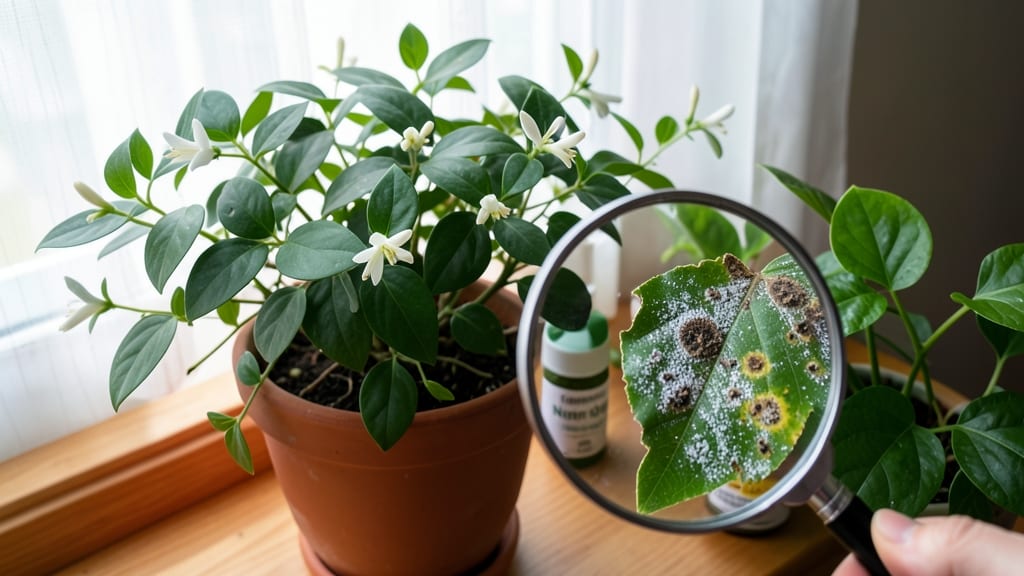
Jasmine leaf disease turns those fragrant green leaves into sad, speckled messes—fast. 🌿 I’ve watched powdery mildew creep across my outdoor jasmine like a white blanket, and bacterial spot turn indoor leaves into Swiss cheese.
The good news? You can stop it before it spreads, and I’ll show you exactly how.
Most leaf diseases start with too much moisture—whether from overhead watering, poor airflow, or humid indoor air. Powdery mildew loves shady spots, while bacterial spot thrives when leaves stay wet.
The first sign? Yellow spots, dark streaks, or that dreaded white dust. If you catch it early, you can save your plant with simple fixes—no fancy tools needed.
Prune infected leaves immediately (bag them up—don’t compost!) and treat with a neem oil spray or baking soda mix for organic control. For stubborn cases, a copper fungicide does the job fast. Prevent future outbreaks by watering at the base, spacing plants for airflow, and giving them bright, indirect light.
Works for both indoor and outdoor jasmine—just adjust the treatment strength. Here’s how to keep those leaves lush and disease-free all season.
Root Causes Of Leaf Fading
Jasmine plants may develop unsightly leaf diseases due to a mix of environmental stress, pathogen attacks, and cultural mismanagement. Understanding these triggers is the first step to restoring your plant’s health.
Below, we break down the key culprits behind leaf discoloration, spots, or wilting—so you can address them before they worsen.
Jasmine thrives in well-draining soil, but soggy conditions create the perfect breeding ground for fungal pathogens like Phytophthora or Botrytis. Here’s why excess moisture sparks trouble:
- Root suffocation: Waterlogged roots can’t absorb oxygen, leading to anaerobic stress and weakened defenses against pathogens.
- Fungal spores thrive: Fungi like Alternaria or Septoria multiply rapidly in damp, humid environments, often causing brown spots or yellowing.
- Bacterial soft rot: Erwinia bacteria exploit wet foliage, causing mushy, foul-smelling leaves.
Actionable fix: Ensure pots have drainage holes and use a chunky, airy mix (e.g., 60% potting soil + 30% perlite + 10% sand). Water only when the top 1–2 inches of soil are dry.
Fungal diseases are the #1 enemy of jasmine leaves, but they only take hold when conditions align. Here’s how they exploit your plant:
| Fungus | Symptoms | Trigger Conditions |
|---|---|---|
| Powdery Mildew (Erysiphe) | White, powdery patches (especially on upper leaves) | High humidity (70%+), poor airflow, and temperatures between 60–80°F |
| Leaf Spot (Cercospora) | Dark, irregular spots with yellow halos; leaves may drop | Overhead watering, wet foliage, and warm nights (75–85°F) |
| Root Rot (Phytophthora) | Yellowing leaves, stunted growth, and blackened roots | Compacted, waterlogged soil and temperatures above 85°F |
Pro tip: 💡 Space plants 12–18 inches apart to improve airflow, and avoid watering leaves (aim for the soil base instead).
Pests like spider mites, aphids, or scale insects don’t just suck sap—they create entry points for secondary infections. Here’s how:
- Mite damage: Spider mites pierce leaves, leaving stippled yellowing. Their webbing traps moisture, inviting fungal growth.
- Aphid honeydew: These pests excrete sticky residue that fosters sooty mold, a black fungal film that blocks sunlight.
- Scale insects: Their waxy shells trap humidity against the leaf surface, promoting Botrytis blight.
Actionable fix: Blast pests off with a strong stream of water or use neem oil (1 tsp per quart of water, spray weekly). Introduce ladybugs or lacewings for natural control.
Jasmine is resilient, but sudden changes in its environment can shock the plant into disease mode. Common stressors include:
- Temperature swings: Cold drafts (below 50°F) or heat stress (above 95°F) weaken cell walls, making leaves susceptible to pathogens.
- Nutrient deficiencies: Low nitrogen causes pale leaves, while excess salts (from tap water) burn roots, reducing disease resistance.
- Poor sunlight: Leggy, sparse foliage from shade attracts pests and reduces airflow, heightening fungal risk.
Quick fix: Move plants to bright, indirect light (6+ hours daily) and fertilize with a balanced 10-10-10 formula every 4–6 weeks in growing season.
🔥 Next up: Learn how to identify specific symptoms and match them to treatments in our diagnostic guide.
Fixing Fungal Foes on Jasmine
Fungal infections like jasmine leaf disease can feel like a losing battle, but with the right approach, you can turn things around—fast. Below are targeted solutions based on the most common causes, from overwatering to poor airflow, along with preventive tips to keep your jasmine thriving.
Think of this as your step-by-step battle plan for healthier leaves.
Problem: Yellowing, mushy leaves or brown spots? Your jasmine might be drowning in soggy soil, inviting fungal growth like Phytophthora or Fusarium.
How to Fix It:
- 🔥 Stop Watering Immediately Let the top 1–2 inches of soil dry out completely before watering again. Stick your finger in the soil—if it’s damp, wait!
- 🍳 Improve Drainage Fast
- Mix perlite or coarse sand into the soil (20% perlite to 80% potting mix).
- If planting in the ground, amend the soil with compost + grit (like crushed granite) to break up clay.
- Pro Tip: Elevate pots with feet or saucers to prevent water pooling.
- 👨🍳 Repot if Needed If roots are rotting (black, mushy), trim them with sterilized scissors and repot in fresh, well-draining mix.
- ⏰ Schedule Smart Watering Water deeply but less often—aim for once every 5–7 days (adjust for climate). Early morning is best to let foliage dry.
Prevent Relapse:
- 💡 Use a moisture meter to avoid guesswork.
- ✨ Add mulch (2–3 inches of bark or straw) to regulate soil moisture.
Problem: Crinkled, curled leaves or white powdery spots? High humidity + poor airflow = fungal buffet.
How to Fix It:
- 🌡️ Lower Humidity
- Use a fan (even a small USB one) to circulate air near your jasmine.
- Pro Tip: Place a dehumidifier nearby if your home stays damp.
- 🍃 Prune for Airflow
- Trim back dense foliage to let light and air reach inner leaves.
- Remove dead or infected leaves immediately (don’t compost them—bag and toss!).
- 🎯 Adjust Light Exposure
- Move your jasmine to bright, indirect light (e.g., near a window with sheer curtains).
- Avoid direct sun—it stresses leaves, making them more susceptible to fungi.
Prevent Future Outbreaks:
- 🔥 Space plants 12+ inches apart if growing multiple jasmines.
- ✨ Mist leaves in the morning (not evening) to reduce nighttime dampness.
Problem: White powder or dark spots on leaves? Powdery mildew or Alternaria love jasmine’s tender foliage.
How to Fix It:
- 🔪 Prune Infected Areas
- Snip off spotted or powdery leaves with sterilized pruners (wipe with rubbing alcohol between cuts).
- Dispose of clippings in the trash (not compost).
- 🍳 Spray Fungicides (DIY or Store-Bought) - Baking Soda Spray: Mix 1 tsp baking soda + 1 quart water + ½ tsp dish soap. Spray every 7–10 days. - Neem Oil: Combine 1 tbsp neem oil + 1 tsp mild soap + 1 quart water.
Spray at dusk (avoid direct sun). - Store-Bought: Use copper fungicide or potassium bicarbonate for severe cases.
- 👨🍳 Boost Plant Immunity
- Feed with a balanced fertilizer (10-10-10) once a month during growing season (spring–fall).
- 💡 Pro Tip: Add compost tea to soil for natural resistance.
Prevent Spread:
- 🌡️ Avoid overhead watering—use a watering can with a narrow spout or drip irrigation.
- ✨ Clean tools and pots with rubbing alcohol before and after use.
Problem: Sticky leaves or tiny bugs? Sap-sucking pests (like aphids or spider mites) open the door for fungal infections.
How to Fix It:
- 🔥 Blast Off Pests
- Spray with soapy water (1 tsp mild soap + 1 quart water) directly on bugs.
- 🍳 Introduce beneficial insects like ladybugs or lacewings to eat pests naturally.
- 👨🍳 Remove Heavy Infestations
- For scale insects, scrape them off with a soft toothbrush dipped in alcohol.
- 💡 Pro Tip: Wrap pots in yellow sticky traps to catch flying pests.
Prevent Pest Parties:
- 🌡️ Inspect new plants for hitchhiking bugs before bringing them home.
- ✨ Quarantine new additions for 2 weeks in a separate space.
Final Reminder: Consistency is key! Check your jasmine weekly for early signs of stress, and act fast—fungus spreads quicker than you think. With these fixes, your jasmine will bounce back stronger and disease-free! 🌿✨
Frequently asked questions
Can jasmine leaf disease spread to other plants?
Yes, fungal diseases like powdery mildew or bacterial spot can easily spread to nearby plants through spores or contaminated tools. Always disinfect pruners with rubbing alcohol between cuts, and avoid placing infected jasmines near healthy plants until treated. Isolate new plants for 2 weeks to monitor for symptoms.
How often should I spray neem oil on my jasmine?
Apply neem oil every 7–10 days during active growth (spring-fall) to prevent fungal diseases. Mix 1 tablespoon neem oil + 1 teaspoon mild soap + 1 quart water, and spray at dusk to avoid leaf burn. Stop treatments when new growth appears healthy.
Why does my indoor jasmine keep getting leaf spots?
Indoor jasmines often suffer from leaf spots due to high humidity (common in bathrooms) or overwatering. Use a small fan for airflow, water only when the top 1–2 inches of soil are dry, and mist leaves in the morning (not evening) to reduce nighttime dampness.
Is it safe to use copper fungicide on edible jasmine varieties?
No, avoid copper fungicides on edible jasmines (like Jasminum officinale) as copper can accumulate in soil and harm beneficial microbes. Use organic alternatives like baking soda spray or potassium bicarbonate instead. Always follow product labels for non-edible ornamental jasmines.
Can I save a jasmine plant with severe root rot?
It depends! If roots are mostly mushy and black, the plant may not recover. However, if some healthy roots remain, trim the rotten areas with sterilized scissors, repot in fresh well-draining soil, and reduce watering. Keep it in bright, indirect light and monitor closely for 2–3 weeks.