
Diseases
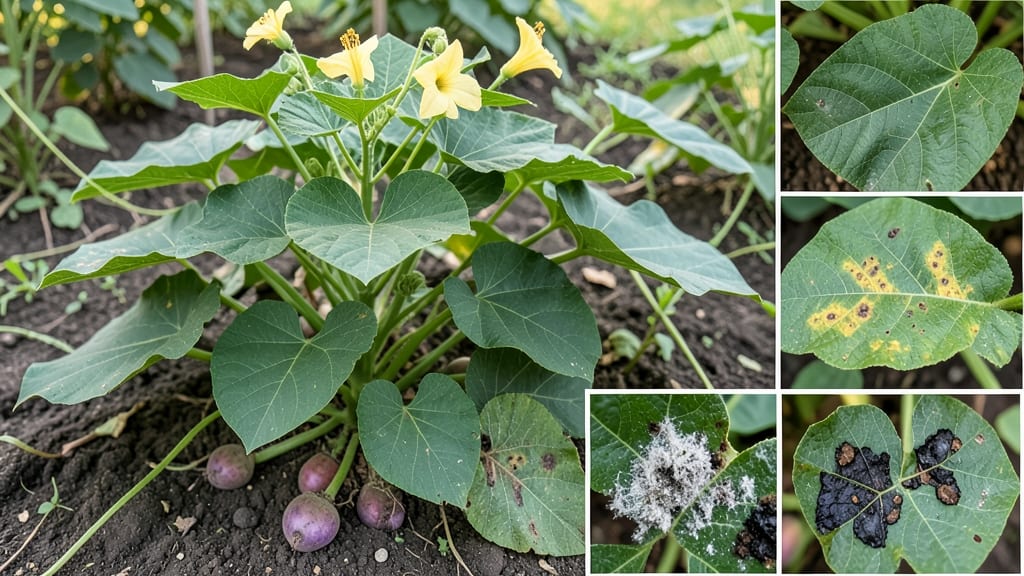
Sweet potato leaf diseases pictures turn vibrant green foliage into a patchwork of unsightly spots and stains—and catching them early means saving your harvest. 🌿 I’ve spent years diagnosing these sneaky issues, and the first step is always spotting the symptoms before they spread.
Whether it’s fungal leaf spots, bacterial wilting, or viral mottling, each disease leaves a distinct fingerprint on your plants.
Most problems start with waterlogged soil or poor airflow, but even a single rainy week can trigger outbreaks. The key is recognizing the patterns: yellow halos around brown spots? That’s likely a fungal infection.
Blackened veins with wilting? Bacterial disease might be at work. A quick visual guide makes all the difference between treating a minor issue and losing an entire patch.
With the right approach, you can turn back the damage—organic sprays, copper treatments, or even simple pruning can stop the spread. The goal isn’t just to fix what’s broken but to prevent future outbreaks, so your sweet potatoes stay lush and productive all season long.
This guide breaks down the most common diseases, their telltale signs, and exactly what to do—no gardening degree required. Let’s get those leaves healthy again.
The Hidden Triggers Behind Leaf Troubles
Sweet potato leaves don’t just develop diseases out of nowhere—there’s always a reason, often a mix of environmental stress, microbial invaders, or poor growing conditions. Understanding these causes is the first step to preventing (or treating) leaf spots, wilting, and discoloration.
Let’s break down the key culprits, from invisible pathogens to everyday farming oversights.
Fungi are the #1 cause of sweet potato leaf diseases, thriving in warm, humid conditions. These microscopic organisms release spores that land on leaves, piercing cell walls and disrupting nutrient flow. Here’s how they strike:
- High Humidity + Warmth = Fungal Party Fungi like Alternaria and Cercospora love temperatures between 77–86°F (25–30°C) and 90%+ humidity.
Overhead irrigation or poor airflow (e.g., dense plantings) keeps leaves damp for hours—perfect for spore germination. Actionable fix: Space plants 12–18 inches apart and water at soil level in the morning.
- Weakened Leaves Open the Door Stress from nutrient deficiencies (especially potassium or magnesium), physical damage (e.g., hail, insect bites), or overcrowding creates entry points.
Fungi exploit these wounds like a burglar through an unlocked window. - Pro tip: 💡 Test soil pH (ideal: 5.8–6.5) and rotate crops to starve fungal buildup in the soil.
- Spores Spread Like Wildfire Wind, rain, or even garden tools can carry fungal spores from infected plants to healthy ones. Once established, fungi produce conidia (asexual spores) that hitchhike on air currents.
- Warning: 🚨 Never compost diseased leaves—sterilize or bag them for trash.
Unlike fungi, bacteria don’t need spores—they multiply rapidly in wet conditions and enter leaves through natural openings (stomata) or injuries. Common offenders include Xanthomonas and Pseudomonas, causing bacterial leaf spot or bacterial wilt.
- Excess Moisture = Bacterial Buffet Bacteria thrive in standing water or splashing rain, especially on young, tender leaves.
Symptoms often appear as greasy, water-soaked spots that turn yellow or brown with a halo effect. - Fix: 🌡️ Improve drainage (raise beds, use mulch) and avoid late-day watering.
- Contaminated Tools or Hands Pruners, gloves, or even your fingers can transfer bacteria from plant to plant. If you’re harvesting or pruning infected leaves, you’re basically spreading the germs like a virus.
- Pro tip: ✨ Sanitize tools with 70% isopropyl alcohol or a 10% bleach solution between uses.
- Poor Sanitation in Greenhouses Greenhouses trap heat and humidity, creating a bacterial paradise. Old plant debris or unsterilized growing medium can harbor pathogens for years.
- Action: 🔥 Solarize soil (cover with clear plastic for 4–6 weeks in summer) to kill lingering bacteria.
Viruses don’t cause spots directly—they hijack plant cells to replicate, leading to mosaic patterns, stunting, or yellowing. Sweet potatoes often catch viruses from infected cuttings or sap-sucking insects like aphids.
- Insect Vectors: The Silent Spreaders Aphids, whiteflies, and leafhoppers feed on diseased plants, then transmit viruses to healthy ones like a bad Wi-Fi signal.
You might not see the virus until weeks later. - Fix: 🎯 Use row covers to block insects early in the season and introduce predator bugs (ladybugs, lacewings).
- Contaminated Propagation Material If you’re growing from slips (sweet potato cuttings), even a tiny infected section can ruin the whole batch.
Viruses like Sweet Potato Feathery Mottle Virus (SPFMV) are nearly impossible to eliminate once established. - Pro tip: 🔍 Inspect cuttings for discoloration or stunting before planting—burn or discard any suspicious slips.
- No Cure, Only Prevention Unlike fungi or bacteria, viruses can’t be treated. The only defense is prevention:
- Buy certified disease-free slips.
- Rotate crops (don’t plant sweet potatoes in the same spot yearly).
- Remove infected plants immediately (including roots) to stop spread.
Not all leaf problems come from pathogens—sometimes, it’s Mother Nature causing the chaos. Heat stress, nutrient imbalances, or even chemical burns can mimic disease symptoms.
- Extreme Heat or Cold Shock Sweet potatoes prefer warmth (70–85°F / 21–29°C). Sudden temperature swings (e.g., frost or scorching sun) can cause leaf scorch (brown, crispy edges) or chlorosis (yellowing between veins).
- Fix: 🌿 Provide shade cloth in peak summer and mulch heavily to regulate soil temps.
- Nutrient Deficiencies or Toxicities
- Magnesium deficiency → Yellowing between veins (start at older leaves).
- Potassium deficiency → Brown leaf edges (like a burnt fringe).
- Excess nitrogen → Soft, pale leaves (prone to fungal attacks).
- Action: 📊 Soil test and amend with Epsom salt (magnesium) or wood ash (potassium) as needed.
- Herbicide or Fertilizer Burns Drift from glyphosate or overapplication of synthetic fertilizers can cause bleached spots or necrotic patches. Even organic sprays (like copper sulfate) can harm leaves if overused.
- Pro tip: 🚫 Follow label rates and water plants before applying sprays to dilute chemicals.
While pests don’t cause diseases directly, their damage weakens leaves, making them prime targets for pathogens.
Common culprits: - Aphids → Sticky honeydew attracts sooty mold (a fungal growth). - Sweet Potato Weevils → Chewed stems let fungi/bacteria sneak in. - Spider Mites → Piercing mouthparts create wounds for infections.
Fix: 🕷️ Spray with neem oil or introduce beneficial insects (e.g., parasitic wasps for weevils). Monitor undersides of leaves—that’s where pests hide!
How to Fix Fungal and Bacterial Leaf Issues
When your sweet potato leaves start showing signs of distress—whether it’s yellow spots, black streaks, or mushy patches—acting fast can save your crop. Below are practical, step-by-step solutions tailored to the most common causes, along with prevention tips to keep your plants healthy long-term.
Fungal diseases thrive in humid, crowded conditions and often appear as white powdery coatings, dark spots, or sunken lesions. Here’s how to tackle them:
🔥 Step 1: Remove Infected Leaves Immediately
- Why? Fungi spread quickly—cutting off infected foliage stops the cycle.
- How? Use sterilized pruning shears (wipe with rubbing alcohol) and dispose of leaves in a sealed bag (not compost).
- Pro Tip: 💡 If the disease is severe, consider removing the entire plant to prevent contamination.
🍳 Step 2: Apply Fungicidal Sprays (Organic or Chemical)
| Disease | Recommended Treatment | Frequency |
|---|---|---|
| Powdery Mildew | Neem oil (2 tsp/L water) + baking soda (1 tsp/L) | Every 7–10 days (morning spray) |
| Leaf Spot | Copper fungicide (e.g., Bordeaux mixture) | Every 10–14 days |
| Anthracnose | Sulfur spray (5–10 lbs per acre) | At first sign + preventatively |
- DIY Baking Soda Spray (for mildew): Mix 1 tsp baking soda + 1 tsp dish soap + 1 quart water. Spray undersides of leaves (fungi love hiding there).
🌡️ Step 3: Improve Airflow and Reduce Moisture
- Space plants 18–24 inches apart to allow airflow.
- Water at soil level (not overhead) to keep leaves dry.
- Avoid overhead irrigation—use drip systems instead.
✨ Prevention Tips for Fungi
- Rotate crops—don’t plant sweet potatoes in the same spot yearly.
- Solarize soil (cover with clear plastic for 4–6 weeks in summer) to kill fungal spores.
- Plant resistant varieties like ‘Beauregard’ or ‘Georgia Jet’ if fungi are recurrent.
Bacterial infections often show as water-soaked spots, yellow halos, or oozing lesions. Unlike fungi, bacteria spread via water splashes and contaminated tools.
👨🍳 Step 1: Sterilize Everything
- Clean tools with 10% bleach solution (1 part bleach to 9 parts water) between uses.
- Wash hands before and after handling plants.
🥘 Step 2: Use Copper-Based Bactericides
- Copper hydroxide (e.g., Champ®) or copper soap can stop bacterial spread.
- Apply at dusk to avoid leaf burn (copper can be harsh in direct sunlight).
- Reapply every 7–10 days until new growth appears healthy.
🔪 Step 3: Remove and Destroy Infected Plants
- Do NOT compost—bag and trash infected plants immediately.
- Solarize soil (as above) or plant a cover crop (like clover) to outcompete bacteria.
⏰ Step 4: Adjust Watering Practices
- Water in the morning so leaves dry by night.
- Avoid wet foliage—use mulch to retain moisture in the soil (not on leaves).
🎯 Prevention Tips for Bacteria
- Rotate crops—wait 3+ years before replanting sweet potatoes in the same bed.
- Use disease-free seeds/transplants—buy from reputable nurseries.
- Sanitize containers if growing in pots (bleach solution, then rinse).
Viruses are the hardest to treat because they rely on insect vectors (like aphids). Focus on prevention and containment:
🚫 Step 1: Eliminate the Source
- Remove infected plants (burn or bag them—do not compost).
- Check for aphids (common carriers)—spray with soapy water (1 tsp mild soap per quart of water).
🛡️ Step 2: Use Row Covers and Insecticides
- Floating row covers (fine mesh) block aphids from reaching plants.
- Neem oil or pyrethrin-based sprays can reduce aphid populations.
🌱 Step 3: Strengthen Plant Resilience
- Healthy soil = healthy plants—add compost and balanced fertilizer (high in potassium).
- Interplant with marigolds or basil—these repel pests naturally.
🔄 Prevention Tips for Viruses
- Inspect new plants before purchasing (look for yellowing, stunted growth).
- Avoid overhead watering—it spreads viruses via splashing.
- Rotate crops aggressively—viruses persist in soil for years.
Regardless of the disease, these universal tips help plants bounce back:
- Boost immunity with compost tea (rich in beneficial microbes).
- Prune damaged leaves but leave healthy growth to photosynthesize.
- Monitor daily—catch new symptoms early for faster treatment.
Remember: Early action is key! The moment you spot unusual spots, discoloration, or wilting, investigate and act. With the right mix of removal, sprays, and prevention, your sweet potato leaves can stay lush and disease-free for a bountiful harvest. 🌱💚
Frequently asked questions
What do fungal leaf spots on sweet potatoes look like in pictures?
Fungal spots typically appear as dark brown or black circular lesions with yellow halos around them. Some common types include Alternaria (concentric rings) and Cercospora (small, angular spots). Look for powdery white coatings (powdery mildew) or sunken, crusty patches (anthracnose) on leaf surfaces.
How can I tell if my sweet potato leaves have a bacterial infection?
Bacterial spots usually show as greasy, water-soaked patches that turn yellow or brown with raised edges. Unlike fungi, they often ooze when wet and may have irregular shapes. Check for wilting or yellowing between veins—common signs of bacterial leaf spot or wilt.
Can I save my sweet potato plant if the leaves are already diseased?
It depends! For fungal diseases, prune infected leaves immediately and apply copper fungicide. For bacterial infections, removal is often the only option—don’t compost infected plants. If less than 20% of leaves are affected, treatment may still work. For viruses, sadly, there’s no cure—remove the plant entirely to prevent spread.
What’s the best organic treatment for sweet potato leaf diseases?
Start with a baking soda spray (1 tsp baking soda + 1 tsp dish soap per quart of water) for fungal mildew. For bacterial issues, use copper soap (follow label rates) or neem oil (2 tsp per liter). Improve airflow by spacing plants 18–24 inches apart and watering at soil level to prevent future outbreaks.
Why do my sweet potato leaves keep getting diseases even after treatment?
Persistent issues often mean poor growing conditions—like overcrowding, excess moisture, or contaminated tools. Always sterilize pruners, rotate crops, and test soil pH (ideal: 5.8–6.5). If problems recur, consider resistant varieties like ‘Beauregard’ or ‘Georgia Jet’ for next season.