
Pests and Diseases
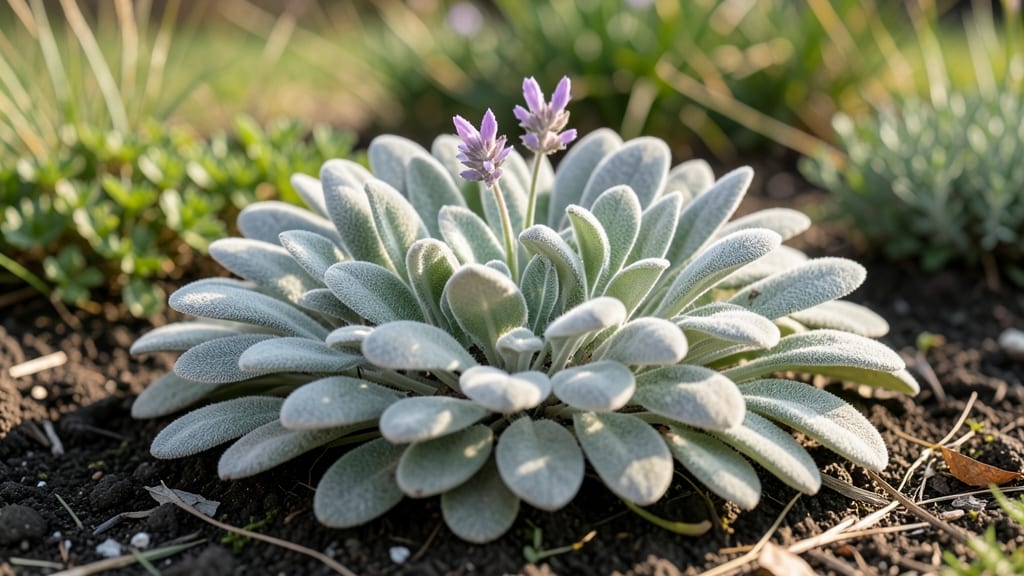
That first velvety touch of lambs ear leaf is what makes this plant magical. 🌿 I've grown it for years—not just for its stunning silver foliage, but because those soft leaves add a surprising gourmet touch to salads (with caution).
The key is understanding how to coax those signature fuzzy leaves without losing them to pests or poor growing conditions.
You'll need full sun to partial shade and well-draining soil—this plant hates soggy roots. Most gardeners overlook the pruning step, but regular trims right after flowering keep those leaves lush and encourage new growth. The real secret? A light hand with fertilizers; lambs ear thrives on neglect once established.
What you end up with is a plant that doubles as both a showstopper and a culinary curiosity. The leaves stay velvety when young, perfect for garnishes or delicate greens (just remove any fuzzy hairs first).
And the best part? It self-seeds like crazy, so you'll have more plants than you know what to do with.
Whether you're growing it for the garden or the kitchen, this plant rewards patience. Start with cuttings in early spring, and by summer you'll have a silver carpet of edible beauty that neighbors will ask about. Here's how to make it work without the common pitfalls.
📚 In This Guide
- What you need
- Instructions
- Tips and common mistakes
- Wrapping up and next steps
What you need
- ● Lamb’s ear plants (Stachys byzantina) – Start with healthy nursery-grown plants or seeds (if propagating from seed).
- ● Well-draining potting mix – A blend of cactus/succulent soil (60%) and perlite or coarse sand (40%) for optimal aeration.
- ● Containers or garden beds – Pots (6–8 inches deep) with drainage holes or a sunny, well-drained garden spot with full sun to partial shade (6+ hours of light).
- ● Organic fertilizer – Low-nitrogen, slow-release granules (e.g., 5-10-10) or compost tea for occasional feeding.
- ● Watering can or hose with a gentle spray nozzle – Lamb’s ear hates soggy roots!
- ● Gloves – Protect your hands from fuzzy leaves (they can be itchy!).
- ● Pruning shears – Sharp, sterilized shears to trim dead or yellowing leaves.
- ● Spray bottle – For misting seedlings or treating fungal issues.
- ○ Pest-control supplies (optional but handy): Neem oil or insecticidal soap (for aphids, spider mites).
- ● Fungicide (e.g., copper-based) for powdery mildew prevention.
- ● Patience – Lamb’s ear grows slowly but thrives in drought-tolerant conditions once established.
- ● Knowledge of common pests/diseases – Watch for aphids, powdery mildew, or root rot (overwatering = enemy #1!).
- ● Sunlight commitment – Ensure your location gets at least 4–6 hours of direct sun daily.
Step-by-step guide to growing lamb's ear as an edible salad green
This tender, fuzzy-leaved plant thrives in sunny spots and delivers a mild, slightly nutty flavor perfect for salads.
🌱 Step 1: Choose the Right Location and Soil
Lamb's ear loves full sun to partial shade—at least 4-6 hours of direct sunlight daily. I plant mine in a spot where morning sun warms the leaves but afternoon shade prevents wilting. The soil should be well-draining but moisture-retentive; a mix of 50% garden soil and 50% compost works perfectly.
Before planting, loosen the soil to a depth of 12 inches to encourage root spread. Lamb's ear has a shallow root system, so avoid compacted or rocky soil. Amend heavy clay by mixing in 2-3 inches of organic matter like compost or aged manure. You'll know the soil is ready when it crumbles easily between your fingers.
🌱 Step 2: Plant Seeds or Transplants at the Right Time
Start seeds indoors 6-8 weeks before your last frost date or sow directly outdoors after soil temperatures reach 45°F. I prefer direct sowing for lamb's ear because it dislikes root disturbance. Plant seeds ¼ inch deep and 12 inches apart—they germinate best in 60-70°F soil.
If using transplants, space them 18-24 inches apart to allow for leaf growth. Water thoroughly after planting to settle the soil around roots. You'll see seedlings emerge in 10-20 days, depending on soil warmth. Thin to the strongest plants, leaving 12-18 inches between stems.
💧 Step 3: Water and Maintain for Optimal Growth
Keep the soil consistently moist but never soggy—lamb's ear hates wet feet. Water at the base of the plant in the early morning to reduce evaporation and fungal risks. You'll know it's time to water when the top 1-2 inches of soil feel dry.
Mulch around plants with 2 inches of straw or shredded leaves to retain moisture and suppress weeds. Fertilize lightly every 4-6 weeks with a balanced organic fertilizer (like 5-5-5) during the growing season. Over-fertilizing leads to excessive leaf growth at the expense of flavor.
✂️ Step 4: Harvest Leaves for Salads
Harvest outer leaves when they reach 4-6 inches wide, leaving the inner rosette intact. Use clean, sharp scissors or pinch leaves just above a leaf node to encourage bushier growth. I like to harvest in the late morning when leaves are crisp and hydrated.
Wash leaves gently under cool water to remove dirt, then pat dry with a salad spinner. Store in a sealed container lined with a paper towel in the crisper drawer for up to 5 days. For longer storage, blanch leaves for 2 minutes in boiling water, then freeze in airtight bags.
☀️ Step 5: Overwinter and Protect from Pests
Lamb's ear is hardy to USDA Zone 3, but in colder climates, mulch heavily with 4-6 inches of straw before the first frost. In spring, remove old mulch to prevent rot and replant if needed. Watch for slugs and snails—they adore lamb's ear leaves!
If pests appear, handpick them in the early morning when they're sluggish. For prevention, sprinkle dried diatomaceous earth around the base of plants. With proper care, your lamb's ear will produce edible leaves for 2-3 years.
Tips & tricks for growing perfect lamb's ear greens
These simple strategies will help you grow tender, velvety lamb's ear leaves that stay delicious all season long.
Sunlight Strategy: The 4-6 hours of daily sunlight is non-negotiable for optimal growth, but here's the trick: position your plants where they get morning sun and afternoon shade. I've noticed that afternoon shade prevents the fuzzy leaves from drying out while still giving them enough energy to grow. If you're in a hot climate, even more afternoon shade is better—think of it as their built-in air conditioning.
Soil Prep Secret: That 50-50 mix of garden soil and compost is perfect, but don't stop there. Before planting, work in those 2-3 inches of organic matter to create a fluffy, crumbly texture. I learned this the hard way—when I skipped this step in heavy clay soil, my plants struggled to establish roots. The soil should feel like a damp sponge when you squeeze it; if it sticks together, you need more organic matter.
Watering Wisdom: The key to consistent moisture is watering at the base in the early morning. I've found that watering in the morning gives the leaves time to dry completely before evening, which prevents fungal issues. And here's a pro move: use a rain gauge or tuna can to measure your watering—aim for about 1 inch of water per week. This helps you avoid both underwatering and soggy soil conditions.
Harvesting Hack: When harvesting those 4-6 inch leaves, always leave the inner rosette intact. I've seen people cut too aggressively and end up with bare stems. The secret is to harvest in the late morning when the leaves are at their crispest. And here's a bonus tip: use clean, sharp scissors and always cut just above a leaf node—this encourages bushier growth and more leaves over time.
Pro Tips for Lambs Ear Leaf
- These simple strategies will help you grow tender, velvety lamb's ear leaves that stay delicious all season long.
- Sunlight Strategy: The 4-6 hours of daily sunlight is non-negotiable for optimal growth, but here's the trick: positi...
- Soil Prep Secret: That 50-50 mix of garden soil and compost is perfect, but don't stop there. Before planting, work i...
Frequently asked questions
Got questions about growing, harvesting, or using lambs ear leaf? You’re not alone! Here are some of the most common queries—plus quick, practical answers to keep your garden thriving and your meals delicious.
Can lambs ear leaf be grown in containers?
Lambs ear thrives in containers as long as the pot has drainage holes and is at least 12 inches wide. Use well-draining soil and place it in full sun to partial shade. Just keep an eye on moisture—containers dry out faster than garden beds.
Why are my lambs ear leaves turning yellow or brown?
Yellowing or browning usually signals overwatering, fungal issues (like powdery mildew), or pests (like spider mites). Check the soil moisture—it should stay evenly damp but not soggy. If you spot white powder, treat with neem oil or increase airflow around the plant.
How long does it take for lambs ear to grow enough for harvest?
With proper care, lambs ear reaches harvestable size in 6–8 weeks from seed. If you’re growing from transplants, you can harvest young leaves in 4–6 weeks. For the softest, most tender leaves, pick them when they’re still small—larger leaves can get tougher.
Can I eat lambs ear raw, or should I cook it?
Yes! Lambs ear is edible raw and has a mild, slightly nutty flavor. For the best texture, use young, tender leaves in salads or as a garnish. Older leaves can be lightly sautéed or steamed to soften them. Just rinse thoroughly to remove any dirt or pests before eating.
What are some good alternatives if lambs ear isn’t available?
If you can’t find lambs ear, try these similar leafy greens:
- Purslane – Succulent, slightly tangy, and packed with omega-3s.
- Malabar spinach – Thick, velvety leaves with a mild spinach flavor.
- Young dandelion greens – Earthy and slightly bitter, great for salads.
- Okinawan spinach – Tender and buttery, perfect for stir-fries.
Wrapping up and next steps
Lamb’s ear leaf isn’t just a stunning ornamental plant—it’s a versatile, edible green packed with nutrients and a gentle, velvety texture that elevates salads, teas, and garnishes.
Whether you’re growing it for pest-resistant companion planting, culinary creativity, or natural remedies, its resilience and adaptability make it a must-have in any garden or kitchen. 🌿
Ready to dive in? Start by planting a few lamb’s ear seedlings this season—your taste buds (and your garden’s ecosystem) will thank you! For extra inspiration, experiment with its leaves in recipes or share your harvest with fellow plant enthusiasts. Happy growing! 🌱