
Flowers
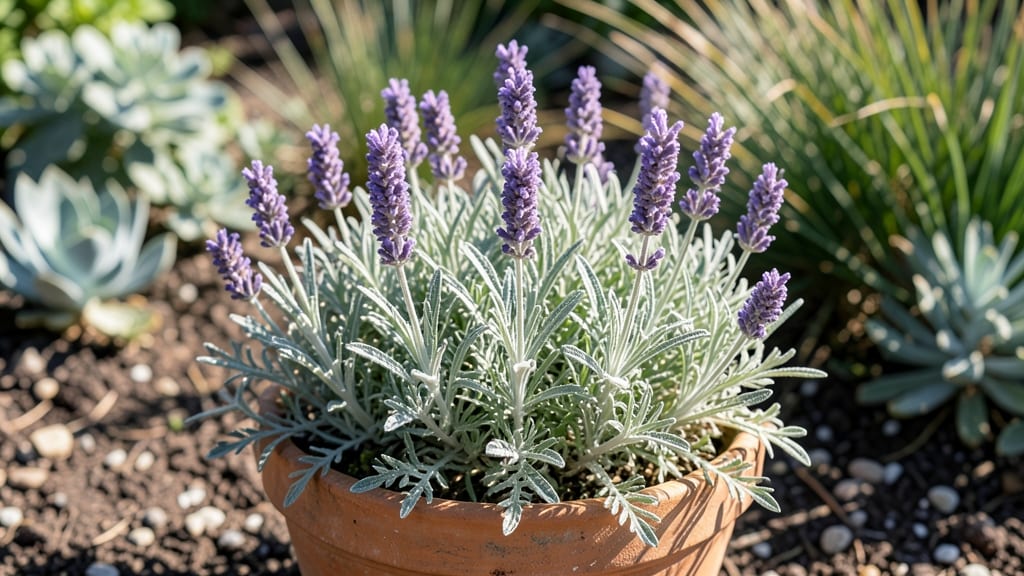
Fernleaf lavender, or Lavandula multifida, transforms any garden into a Mediterranean escape with its feathery foliage. 🌿 I fell for its silvery-blue fronds the moment I saw them—unlike common lavender, this variety has delicate, fern-like leaves that sway in the breeze.
The secret to growing it successfully lies in mimicking its natural dry, sunny habitat.
This drought-resistant beauty thrives in full sun and well-draining soil, making it perfect for rocky slopes or containers. Unlike other lavenders, it tolerates slightly more moisture without risking root rot.
The key is planting it in spring when temperatures consistently stay above 50°F, giving roots time to establish before summer heat arrives.
By mid-summer, you'll be rewarded with fragrant purple spikes that attract bees and butterflies. The scent is lighter than English lavender but equally soothing—perfect for cutting and drying. Prune lightly after flowering to maintain its airy, fern-like shape.
Works beautifully in borders, rock gardens, or even as a low hedge. Here's how to keep it thriving year after year!
📚 In This Guide
- What you need
- Instructions
- Tips and common mistakes
- Wrapping up and next steps
What you need
- ● Lavandula multifida plants: 3–5 healthy nursery-grown starts (6–12 inches tall) or seeds (if starting from scratch). Pro tip: Seeds take longer to mature (6–12 months), so starts are ideal for faster results! 💡
- ● Well-draining soil: A mix of 50% native soil, 30% coarse sand or perlite, and 20% compost (avoid clay-heavy soils). Test your soil’s pH: Fernleaf Lavender thrives in neutral to slightly alkaline (6.5–7.5).
- ● Sunlight access: A full-sun location (6+ hours of direct sunlight daily). Partial shade may stunt growth.
- ● Drip irrigation or soaker hose: For low-water, deep-rooted hydration (avoid overhead watering to prevent fungal issues).
- ● Garden tools: Trowel or hand shovel
- ● Pruning shears (for shaping and harvest)
- ● Garden gloves (to protect from prickly stems)
- ○ Mulch: Gravel or pebbles (1–2 inches deep) to retain heat, deter weeds, and improve drainage. Optional: Wood chips (if soil is very dry).
- ● Fertilizer: Low-nitrogen, phosphorus-rich fertilizer (5-10-10 ratio) once a year in early spring. Over-fertilizing harms Fernleaf Lavender! 🚫
- ● Support structures: Small stakes or cages (if growing in windy areas).
- ● Harvesting containers: Mesh bags or paper sacks (to preserve oils and stems).
- ● Hardiness zones: USDA Zones 7–10 (drought-tolerant but may need winter protection in Zone 6).
- ● Spacing: Plant 18–24 inches apart for optimal airflow and growth.
- ● Watering: Deep water 1–2 times per week for the first month, then reduce to every 2–3 weeks (once established). Drought-resistant = low-maintenance! 💧
- ● Pest control: Monitor for aphids or spider mites (spray with neem oil if needed).
Step-by-Step guide to cultivating fernleaf lavender
Here’s how to grow this stunning drought-resistant beauty with minimal fuss.
🪴 Step 1: Choose the Perfect Location and Soil
Fernleaf lavender thrives in full sun—at least 6-8 hours daily—so pick a spot that gets maximum sunlight exposure. If your climate is hotter than 90°F, provide afternoon shade to prevent leaf scorch. This plant despises soggy roots, so amend heavy soil with sand or gravel to improve drainage. I like to mix in 10-20% perlite to ensure excess water drains quickly.
Test your soil’s pH—fernleaf lavender prefers neutral to slightly alkaline (6.5-7.5). If your soil is acidic, add lime to adjust it before planting. The key here is well-draining, lean soil—avoid rich compost, which encourages leafy growth at the expense of fragrant flowers.
🌱 Step 2: Plant at the Right Depth and Spacing
Dig a hole twice as wide as the root ball but only as deep as the container it came in. Fernleaf lavender has a shallow root system, so burying it too deep suffocates the roots. Gently loosen the roots if they’re circling and place the plant so the top of the root ball sits just below soil level. This prevents rot while allowing the crown to stay dry.
Space plants 2-3 feet apart—closer spacing leads to competition for sunlight and stunted growth. I always plant in early spring after the last frost, giving roots 6-8 weeks to establish before summer heat arrives. Water deeply right after planting to settle the soil, but avoid soaking the crown.
☀️ Step 3: Water Sparingly and Prune for Shape
Fernleaf lavender is drought-tolerant once established, so water only when the top 2 inches of soil feel dry. Overwatering is the fastest way to kill this plant—yellowing leaves or mushy stems mean you’re watering too much. After the first year, you may only need to water once every 2-3 weeks, depending on rainfall.
Prune in early spring before new growth begins. Cut back one-third of the plant’s height to encourage bushier growth and prevent legginess. Use clean, sharp shears and make cuts just above a leaf node. Never prune into old wood—fernleaf lavender blooms on new growth, and harsh cuts reduce flowering.
✂️ Step 4: Harvest and Maintain for Long-Term Beauty
Harvest flowers when 70-80% open for the best fragrance. Cut stems just above a leaf node and hang them upside down in a dry, dark place for 1-2 weeks to dry. This plant also responds well to light trimming after flowering to encourage a second, smaller bloom cycle in some climates.
Fertilize only once a year in early spring with a low-nitrogen, balanced fertilizer (10-10-10). Too much fertilizer promotes leafy growth over flowers. Watch for aphids or spider mites—spray with neem oil if you spot them early. Fernleaf lavender is low-maintenance but rewards patience with silvery foliage and fragrant blooms for years.
Tips & tricks for perfect fernleaf lavender cultivation
Took me years of trial and error to master these key strategies for growing fernleaf lavender that thrives and flourishes.
Sunlight Strategy: In Step 1, when selecting your location, remember that fernleaf lavender needs 6-8 hours of direct sunlight daily—this is non-negotiable for optimal growth. If your summers exceed 90°F, provide afternoon shade to prevent leaf scorch while still maintaining that critical sunlight exposure. I've found that placing plants near a western-facing wall works beautifully in hot climates, giving them morning sun and afternoon shade automatically.
Soil Preparation: The secret to success lies in creating the perfect well-draining soil mix described in Step 1. I recommend using a blend of native soil, coarse sand, and 10-20% perlite for optimal drainage. For a quick test, grab a handful of your amended soil—when squeezed, it should crumble easily rather than hold together. This texture mimics the Mediterranean conditions where fernleaf lavender naturally thrives.
Planting Precision: When you're planting in Step 2, pay special attention to the depth—fernleaf lavender has shallow roots that need to breathe. The top of the root ball should sit just below soil level, never buried deeper. I've seen many gardeners make the mistake of planting too deep, which leads to root suffocation and poor establishment. Also, remember to space plants 2-3 feet apart—this prevents competition and allows each plant to develop its full, elegant form.
Watering Wisdom: The most common mistake I see in Step 3 is overwatering. Fernleaf lavender is remarkably drought-tolerant once established, so only water when the top 2 inches of soil feel dry. After the first year, you might only need to water once every 2-3 weeks. A good rule of thumb is to check soil moisture before watering—if it's still damp, wait another day. This plant's resilience comes from its ability to store water in its stems, not from frequent watering.
Pro Tips for Lavandula Multifida Fernleaf Lavender
- Took me years of trial and error to master these key strategies for growing fernleaf lavender that thrives and flourishes.
- Sunlight Strategy: In Step 1, when selecting your location, remember that fernleaf lavender needs 6-8 hours of direct sunlight daily—this is non-negotiable for optimal growth.
- Soil Preparation: The secret to success lies in creating the perfect well-draining soil mix described in Step 1.
Frequently asked questions
Got questions about Lavandula multifida (Fernleaf Lavender)?
You’re not alone—this striking, drought-loving beauty has a few quirks! Here are answers to the most common queries to help you grow it with confidence.
Is Fernleaf Lavender really drought-tolerant?
Lavandula multifida thrives in dry conditions once established, making it a perfect low-maintenance choice. While it handles drought well, water deeply but infrequently during its first year to encourage strong root growth. After that, 1 inch of water every 2–3 weeks (or less in hot climates) keeps it happy without overwatering.
How fast does Fernleaf Lavender grow?
This lavender grows at a moderate pace—expect about 6–12 inches per year under ideal conditions. With proper care, it can reach 2–3 feet tall and wide in 2–3 years. Pro tip: Prune lightly after flowering to encourage bushier growth and prevent legginess!
Can I grow Fernleaf Lavender in containers?
Fernleaf Lavender adapts well to containers, making it ideal for patios, balconies, or small gardens. Use a well-draining pot (at least 12 inches wide) with a mix of potting soil and perlite. Ensure the container has drainage holes to prevent root rot—critical for lavender’s health.
Does Fernleaf Lavender attract bees and butterflies?
Yes! Like all lavenders, Lavandula multifida is a pollinator magnet. Its fragrant blooms draw bees, butterflies, and hummingbirds, making it a fantastic addition to pollinator-friendly gardens. Bonus: The scent also repels pests like mosquitoes naturally!
How cold-hardy is Fernleaf Lavender?
Fernleaf Lavender is hardy in USDA Zones 7–10. It tolerates light frosts but may suffer damage in prolonged freezing temps (below 10°F). For colder climates, plant it in a sheltered spot or mulch heavily around the base to protect roots. Pro tip: If leaves brown in winter, trim them back in spring—the plant will bounce back!
When is the best time to prune Fernleaf Lavender?
Prune right after flowering (late spring to early summer) to maintain shape and encourage new growth. Avoid heavy pruning in fall or winter, as lavender needs time to harden off. Never cut into old wood—stick to the top ⅓ of the plant for best results.
Wrapping up and next steps
Incorporating Lavandula multifida into your garden isn’t just about adding beauty—it’s a smart, low-maintenance choice that thrives in sun and drought while offering fragrance and pollinator support. Whether you’re a seasoned gardener or just starting out, this fernleaf lavender brings effortless elegance to any landscape. 🌿✨
Ready to transform your outdoor space? Start by selecting the perfect spot, gathering your supplies, and planting with confidence. Watch as your garden blooms with resilience—and maybe even a few helpful bees along the way!