
Planting
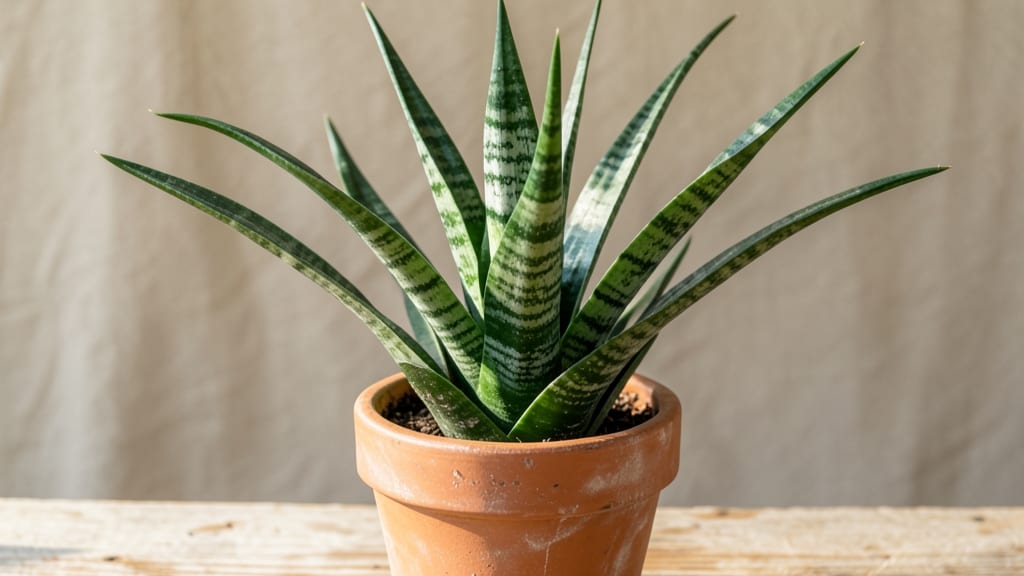
Long flat leaf plants bring that tropical elegance to any space—whether it's a sunlit kitchen corner or a shady patio nook. 🌿 I've grown everything from snake plants that thrive on neglect to aloe vera that needs just the right balance of sun and water, and these broad-leafed beauties are the backbone of my indoor jungle.
The secret to keeping them lush isn't complicated: most just need bright, indirect light, well-draining soil, and water when the top inch feels dry. Hostas love shade and moisture, while snake plants practically glow in low light with minimal care.
The key is matching the plant to your space—not the other way around. You'll end up with plants that look like they belong in a botanical garden, not just on a shelf. Their leaves stay vibrant green, their growth stays steady, and they become the centerpiece of any room.
The best part? They're all beginner-friendly once you know the basics. From propagation to troubleshooting, these plants reward patience with shockingly lush foliage that lasts for years. Let's get your collection started!
📚 In This Guide
- What you need
- Instructions
- Tips and common mistakes
- Wrapping up and next steps
What you need
- ● Long flat leaf plant (e.g., Monstera deliciosa, Philodendron bipinnatifidum, or Alocasia) – 1-2 plants (start with a small, healthy cutting or nursery-grown specimen).
- ● Container – 12-16" diameter pot with drainage holes (terracotta or ceramic works best).
- ● Well-draining potting mix – 1 bag (5-10 gallons) of a blend like 50% peat moss, 30% perlite, and 20% orchid bark (or a pre-mixed tropical plant mix).
- ○ Support structure (optional but recommended) – 1 moss pole, trellis, or spider lily stick (6-8 feet tall) for climbing varieties.
- ● Gloves – 1 pair (to protect from sap or rough leaves).
- ● Trowel or small shovel – For repotting or adjusting soil.
- ● Watering can with a narrow spout – To avoid disturbing soil.
- ● Humidity tray or pebble tray – 1-2 (to boost moisture levels).
- ● Fertilizer – Balanced liquid fertilizer (10-10-10 or 20-20-20) or slow-release granules.
- ● Pruning shears – 1 pair (for trimming yellow leaves or shaping).
- ● A bright, indirect light spot (e.g., near an east or north-facing window).
- ● Consistent warmth (ideal: 65-80°F). Avoid drafts or cold windows.
- ● Patience – These plants grow slowly at first but reward you with lush foliage over time! 🌟
How to grow a long flat leaf plant in containers
Here's my foolproof method for growing a stunning long flat leaf plant—like a fiddle leaf fig or monstera—that stays lush and thrives in your home.
🪴 Step 1: Choose the Right Container and Drainage
Start with a pot that’s 2-3 inches wider than the plant’s root ball and has drainage holes—flat leaf plants hate soggy roots. I like terracotta because it breathes, but any ceramic or plastic pot works as long as it drains well. If your pot doesn’t have holes, drill a few near the bottom to prevent root rot.
Place a layer of pebbles or broken pottery at the bottom of the pot (about 1 inch deep) to improve drainage. This keeps water from pooling and gives roots room to breathe. The pebbles also help anchor the plant while you’re settling it in.
🌱 Step 2: Prepare the Potting Mix and Plant
Use a well-draining houseplant potting mix—never garden soil, which compacts and suffocates roots. Mix in a handful of perlite or orchid bark (about 20% of the mix) to improve aeration. Fill the pot until it’s 2 inches below the rim, leaving room for the plant.
Gently remove the flat leaf plant from its nursery pot and loosen the roots if they’re tightly bound. Place it in the center of the new pot and fill the gaps with more potting mix, pressing lightly around the base. Water lightly after planting to help the soil settle—this prevents air pockets that could strangle roots.
☀️ Step 3: Position for Bright, Indirect Light
Flat leaf plants love bright, indirect light—think 6-8 hours daily near a window but not in direct sun, which scalds the leaves. A north or east-facing window is ideal, or use a grow light if natural light is limited. You’ll notice leaves turning pale or yellowing if the light is too harsh or too weak.
Rotate the pot a quarter turn every 2-3 weeks so the plant grows evenly. I always check the back of the leaves for uneven growth—if one side is darker, it’s leaning toward the light. Adjust the pot’s position until the plant stands straight and full.
💧 Step 4: Water and Maintain Humidity
Water when the top 1-2 inches of soil feel dry—stick your finger in to check. Overwatering is the #1 killer of flat leaf plants, so let excess water drain completely before adding more. I use room-temperature water to avoid shocking the roots, and I avoid wetting the leaves to prevent fungal issues.
These plants love humidity—aim for 60-70% humidity by misting leaves daily or placing the pot on a tray of pebbles with water. You’ll see crisp, vibrant leaves when humidity is right; dry, brown edges mean it’s too low. A small humidifier near the plant works wonders in dry climates.
✂️ Step 5: Prune and Encourage Growth
Prune leggy stems or yellowing leaves with clean, sharp scissors to encourage bushier growth. Cut just above a leaf node (the bump where leaves grow) to redirect energy into new shoots. I prune in early spring to refresh the plant and remove any dead or damaged foliage.
Fertilize every 4-6 weeks during spring and summer with a balanced liquid fertilizer (half-strength). Skip fertilizing in fall and winter when growth slows. You’ll know it’s working when new leaves emerge larger and healthier than the old ones.
Tips & tricks for perfect long flat leaf plant growth
Here's what nobody tells you about keeping your tropical beauty thriving—these little details make all the difference.
Pot Size Matters: That 2-3 inch wider rule isn't arbitrary—it gives roots room to spread without getting root-bound too quickly. I've seen plants outgrow their pots in just 6 months when people skip this, leading to stunted growth. For mature plants, upgrade to a pot that's 4-6 inches larger than the root ball every 2-3 years. The extra space encourages deeper root systems that support those stunning leaves.
Root Care Secret: When loosening roots during transplanting, focus on the outer edges where roots are tightly bound. I use my fingers to gently separate them—no need to force it. This mimics natural root spread and prevents shock. If you see any black or mushy roots, trim those immediately as they're already rotting. Healthy roots should be white or light tan.
Light Positioning Hack: For that perfect 6-8 hours of bright indirect light, position your plant about 3-4 feet from an east-facing window. South-facing windows? Move it back 5-6 feet to avoid leaf scorch. I test light levels by watching how fast my finger casts a shadow on the leaves—if it's too sharp, the light's too direct. Rotate every 2-3 weeks to prevent lopsided growth, and you'll notice new leaves emerging perfectly symmetrical.
Pro Tips for Long Flat Leaf Plant
- Here's what nobody tells you about keeping your tropical beauty thriving—these little details make all the difference.
- Pot Size Matters: That 2-3 inch wider rule isn't arbitrary—it gives roots room to spread without getting root-bound too quickly.
- Root Care Secret: When loosening roots during transplanting, focus on the outer edges where roots are tightly bound.
Frequently asked questions
Got questions about growing long, flat-leafed tropical plants in containers?
You’re not alone! Here are answers to the most common queries—from care basics to troubleshooting—so you can keep your green beauty thriving.
What are the best long flat-leaf plants for beginners?
Start with easy-care varieties like the Dracaena marginata (Dragon Tree), Sansevieria trifasciata (Snake Plant), or Zamioculcas zamiifolia (ZZ Plant). These tolerate low light, infrequent watering, and occasional neglect—perfect for new plant parents!
How often should I water my long flat-leaf plant in a container?
Water when the top 2-3 inches of soil feel dry (stick your finger in to test!). Most tropical flat-leaf plants prefer underwatering over soggy soil—aim for every 1-2 weeks in summer, and every 3-4 weeks in winter. Always use a pot with drainage holes to prevent root rot.
Can I keep a long flat-leaf plant indoors without sunlight?
Many varieties (like Snake Plants or ZZ Plants) thrive in low to medium indirect light, but avoid deep shade. If your space is dim, rotate the pot occasionally for even growth. For sun-lovers like Dracaena, place near a bright window (but avoid harsh direct sun, which can scorch leaves).
Why are the leaves turning yellow or brown?
Yellow leaves often signal overwatering or poor drainage, while brown tips or edges usually mean low humidity or fluoride/chlorine in tap water. Try these fixes:
- Let soil dry out completely between waterings.
- Mist leaves or use a pebble tray for humidity.
- Water with filtered or distilled water if possible.
- Check for pests (like spider mites) on the undersides of leaves.
How do I prune a long flat-leaf plant to encourage bushier growth?
Prune in spring or early summer by cutting back leggy stems just above a leaf node (where leaves grow). For Dracaena or Yucca, you can also propagate the cuttings in water or soil to grow new plants! Use clean, sharp scissors to avoid damaging the plant.
What’s a good alternative if my plant outgrows its container?
If roots are circling or poking out the drainage holes, it’s time to repot! Choose a container only 1-2 inches larger in diameter, use fresh well-draining soil, and trim any root-bound clusters. Spring is the best time to repot—your plant will thank you with fresh growth!
Wrapping up and next steps
Growing a long flat leaf plant is a rewarding way to bring tropical beauty into your home—even in containers! 🌿 With the right care, these stunning plants can thrive, adding lush greenery and a touch of elegance to any space.
Whether you’re a seasoned plant parent or just starting, the key is patience, consistency, and a little love.
Ready to watch your plant flourish? Start by monitoring its progress and adjusting care as needed. Next, consider expanding your indoor jungle—try pairing it with other low-light companions like snake plants or pothos for a cohesive look. Happy planting! 🌱