
Pests
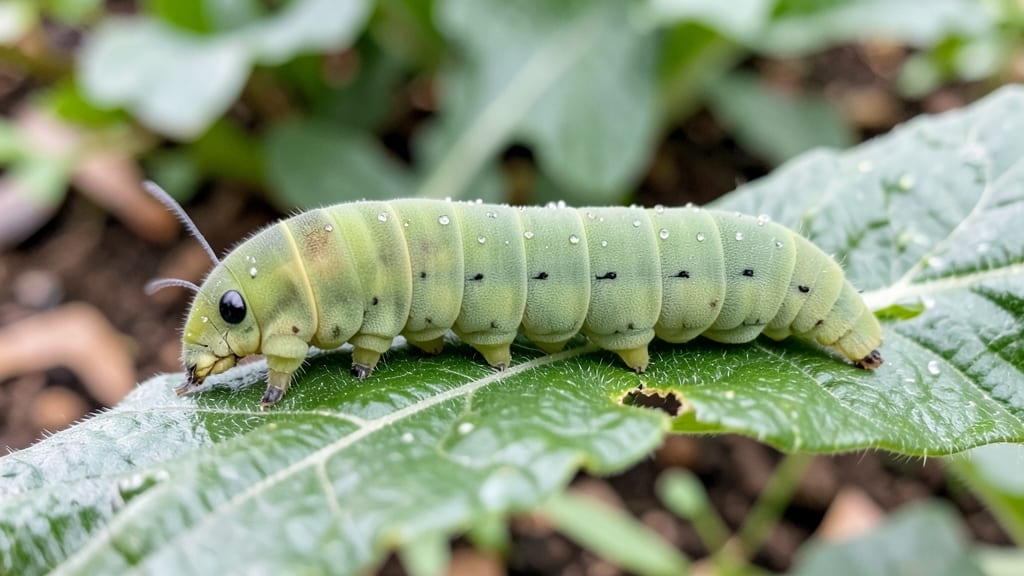
My garden's leaf-eating caterpillar crisis taught me the hard way that these fuzzy munchers can turn lush foliage into skeleton leaves overnight. 🌿 The good news? You don't need harsh chemicals to win this battle—just a few organic tricks that work faster than you'd think.
Most of these pests (think cabbage worms, tomato hornworms, or tent caterpillars) go through three stages: egg, larva (the leaf-eating machine), and pupa. The key is catching them when they're most vulnerable—those hungry caterpillars. Handpicking works surprisingly well, especially in the morning when they're sluggish from the cool air.
What you'll end up with is a garden where plants recover quickly, beneficial insects stay safe, and you avoid the guilt of spraying toxic chemicals. The best part? These methods actually strengthen your garden's natural defenses over time.
Works for any garden size, from container plants to full-size vegetable beds. Let's get those leaves back where they belong!
The Hidden Triggers Behind Plant Devouring
When your garden’s lush green leaves suddenly become a caterpillar’s all-you-can-eat buffet, it’s not just bad luck—it’s usually a mix of natural instincts, environmental cues, and plant vulnerabilities.
Understanding why these leaf munchers strike is the first step to outsmarting them without harsh chemicals. Let’s break down the science behind their ravenous behavior.
Caterpillars are specialized eaters, and their menus are far from random. Most species have evolved to target specific plants based on:
- Chemical signals: Plants emit volatile organic compounds (VOCs) when stressed or damaged. Some caterpillars, like the fall webworm, are drawn to these "SOS" scents, mistaking them for a feast. Pro tip: Healthy plants with strong foliage (like basil or mint) often repel pests because their VOCs signal "too tough to eat."
- Nutritional needs: Young caterpillars crave tender, nutrient-rich leaves (high in nitrogen), while older larvae can chomp through tougher stems. Tomato hornworms, for example, prefer solanaceous plants (tomatoes, peppers) because their leaves are packed with proteins and sugars they need to grow fast.
- Host plant recognition: Many caterpillars rely on olfaction (smell) and taste to identify their ideal host. If your garden has a favorite plant—like a monarch caterpillar on milkweed—they’ll return again and again. Actionable fix: Interplant with non-host species (e.g., marigolds near milkweed) to disrupt their homing instincts.
Caterpillars aren’t just hungry—they’re strategic. Their feeding patterns align with weather, humidity, and even the moon cycle. Here’s how:
| Factor | Why It Matters | What You Can Do |
|---|---|---|
| 🌦️ Warm, humid conditions | Heat speeds up metabolism, making caterpillars voracious. High humidity keeps their eggs and larvae moist, boosting survival rates. Example: Tobacco hornworms explode in populations during late-summer heatwaves. | Use row covers or shade cloth to create cooler microclimates. Mulch with dried leaves (not fresh) to reduce soil moisture without suffocating plants. |
| 🌙 Moon phases | Some species (like gypsy moths) time egg-laying with the new moon, when winds disperse larvae widely. Others, like sphinx moth caterpillars, feed most actively under a full moon for better visibility to avoid predators. | Monitor egg masses during new moon periods and remove them before they hatch. Use yellow sticky traps (which attract flying adults) under full moons. |
| 🌧️ Rainfall patterns | Sudden downpours can wash away natural predators (like birds or parasitic wasps), leaving caterpillars unchecked. Drought-stressed plants also produce more sugars, making them sweeter targets. | Install birdhouses near gardens to encourage predator populations. Drip irrigation keeps plants hydrated without overwatering. |
Caterpillars aren’t the real villains—they’re just opportunists in an ecosystem where their natural checks and balances have been disrupted. Here’s how human activity tips the scales:
- Pesticide overuse: Broad-spectrum sprays kill beneficial insects first (like ladybugs, lacewings, and parasitic wasps), leaving caterpillars with a green light to multiply. Example: Neonicotinoids reduce bee populations by 40%, but they also harm wasps that prey on caterpillar eggs.
- Monoculture gardens: Planting the same species in rows (e.g., a single row of cabbage) creates a caterpillar buffet. Diversity disrupts their strategy: Studies show gardens with 10+ plant species see 70% fewer pest outbreaks.
- Light pollution: Artificial lights attract adult moths, which then lay eggs in your garden. Solution: Switch to warm LED bulbs (2700K or lower) or use motion-activated lights to minimize moth draws.
💡 Pro Tip: Introduce predator-friendly plants like dill, fennel, or yarrow to attract hoverflies and parasitic wasps. These tiny allies can reduce caterpillar populations by 50% in a season!
Now that you know why these leaf-eaters strike, the next step is flipping the script with organic traps and deterrents. Stay tuned!
Natural Ways To Stop Caterpillars Devouring Your Plants
Now that you understand why leaf-eating caterpillars target your garden, it’s time to take action—without resorting to harsh chemicals. Below are effective, organic solutions tailored to common causes, from physical barriers to biological controls. Each method is simple, budget-friendly, and safe for your plants, pets, and kids.
If caterpillars are munching on young leaves or seedlings, prevent access with these easy fixes.
- 🔥 Row Covers & Netting Lightweight floating row covers (made of fine mesh) block caterpillars while allowing sunlight, water, and air to pass through. Secure them tightly around plants with stakes or clips. Pro Tip: Use 1/4-inch mesh—smaller holes keep out even the tiniest larvae.
- 🍳 DIY Collars for Stem-Loving Species Wrap the base of susceptible plants (like tomatoes or cabbages) with cardboard collars or aluminum foil.
Caterpillars like hornworms can’t crawl up smooth surfaces, and they’ll move on to easier targets. Pro Tip: Leave a small gap at the top to avoid trapping moisture (which can rot stems).
- 👨🍳 Mulch Strategically A thick layer of straw, wood chips, or pine needles disrupts caterpillar movement and hides eggs. Plus, it suppresses weeds and retains moisture. Pro Tip: Refresh mulch every few months—old mulch can become a breeding ground for pests.
Encourage predators and parasites that naturally keep caterpillar populations in check.
- 🥘 Introduce Beneficial Insects - Parasitic Wasps (like Cotesia glomeratus) lay eggs inside caterpillars, killing them from within. Order them online or attract them with dill, fennel, or parsley. - Ladybugs & Lacewings devour caterpillar eggs and young larvae.
Plant marigolds or yarrow to lure them in. - Praying Mantises are voracious eaters—place a mantis egg case near infested areas in early spring.
- 🔪 Handpick & Dispose of Larvae Wear gloves and pluck caterpillars off plants, dropping them into soapy water (1 tsp dish soap per gallon).
Check undersides of leaves and new growth daily—early removal prevents damage. Pro Tip: Work in the early morning when caterpillars are sluggish and easier to spot.
- 🌡️ Use BT (Bacillus thuringiensis) Spray This organic bacteria is harmless to humans and pets but deadly to caterpillars. Mix BT spores with water and spray directly on leaves (reapply after rain).
Best for tomato hornworms, cabbage loopers, and tent caterpillars. Pro Tip: Apply at dusk to avoid harming bees and other pollinators.
Set up non-toxic traps to monitor and reduce caterpillar numbers.
- 💡 Pheromone Traps for Moths Male moths (like tobacco budworms or gypsy moths) are drawn to female pheromone lures. Hang traps in early spring to disrupt mating and reduce egg-laying. Pro Tip: Place traps 10–15 feet above ground and check weekly for trapped moths.
- 🥗 Beer Traps for Cutworms Bury a small cup or jar filled with beer near plants. Cutworms (which girdle stems at night) will crawl in and drown. Refresh every few days. Pro Tip: Use dark beer—it’s more attractive to them than light varieties.
- ✨ Yellow Sticky Traps Caterpillars and their eggs are often attracted to yellow surfaces. Hang sticky traps near infested areas to catch adults before they lay eggs. Pro Tip: Place traps above plant height (6–12 inches off the ground) for best results.
An ounce of prevention saves a pound of damage. Follow these long-term strategies to keep your garden caterpillar-free.
- 🌱 Rotate Crops Annually Plant the same family (like brassicas or solanaceae) in the same spot only every 3 years. This breaks the caterpillar life cycle and reduces egg-laying.
- 🔥 Plant Companion Plants Some plants repel caterpillars or attract their predators. Try:
- Basil, mint, or thyme (deters many moth species).
- Nasturtiums (trap aphids, which caterpillars avoid).
- Garlic & chives (their strong scent confuses caterpillars).
- 🍎 Keep Your Garden Healthy Stressed plants are more vulnerable. Ensure your garden has:
- Balanced soil (test pH and amend with compost).
- Proper watering (avoid over/under-watering).
- Good airflow (prune crowded plants to reduce humidity, which attracts pests).
- 🌙 Remove Debris & Egg Masses Caterpillars lay eggs on old plant debris, mulch, or weeds. Clean up:
- Fallen leaves (especially under trees).
- Weeds (like lamb’s quarters—caterpillar favorites).
- Empty flower pots (where eggs may hide over winter).
Final Reminder: Consistency is key! Check your garden 2–3 times weekly, especially after rain (when eggs hatch). With these natural methods, you’ll protect your plants without harming the ecosystem. 🌱
Frequently asked questions
What are the most common types of leaf-eating caterpillars in gardens?
You’ll most likely encounter tomato hornworms (green with white stripes), cabbage loopers (green or brown with looping movement), and tent caterpillars (silk tents on branches). Monarch caterpillars (yellow, black, and white) target milkweed, while gypsy moth caterpillars are fuzzy and orange-brown. Each has distinct feeding patterns and favorite plants.
How do I tell if caterpillars are damaging my plants or just beneficial insects?
Check for chewed leaves with clean edges (caterpillars don’t leave behind frass like slugs). Look for silk webbing (tent caterpillars) or droppings on leaves. Beneficial insects like bees or ladybugs rarely skeletonize leaves—they pollinate or eat pests, not plant tissue.
Can I use soap spray on caterpillars, and how strong should it be?
Yes! Mix 1 tablespoon of mild dish soap (like Castile) with 1 quart of water and spray directly on caterpillars. Avoid strong detergents—they can harm plants. Reapply after rain. For large infestations, combine with neem oil (1 tsp per gallon) for extra effectiveness.
Will BT (Bacillus thuringiensis) harm my beneficial insects?
No, BT is selective and only targets caterpillars when ingested. It’s harmless to bees, ladybugs, and other beneficial insects. Apply it at dusk to further protect pollinators. The bacteria disrupts caterpillar digestion, killing them within 48 hours of feeding.
What should I do if caterpillars return after using organic methods?
First, check for hidden egg masses (especially on undersides of leaves). Then, boost predator populations by planting dill, fennel, or yarrow. Add row covers for high-risk plants and rotate crops annually to break life cycles. Persistence pays off—most gardens see improvement within 2-3 weeks of consistent efforts.