
Planting
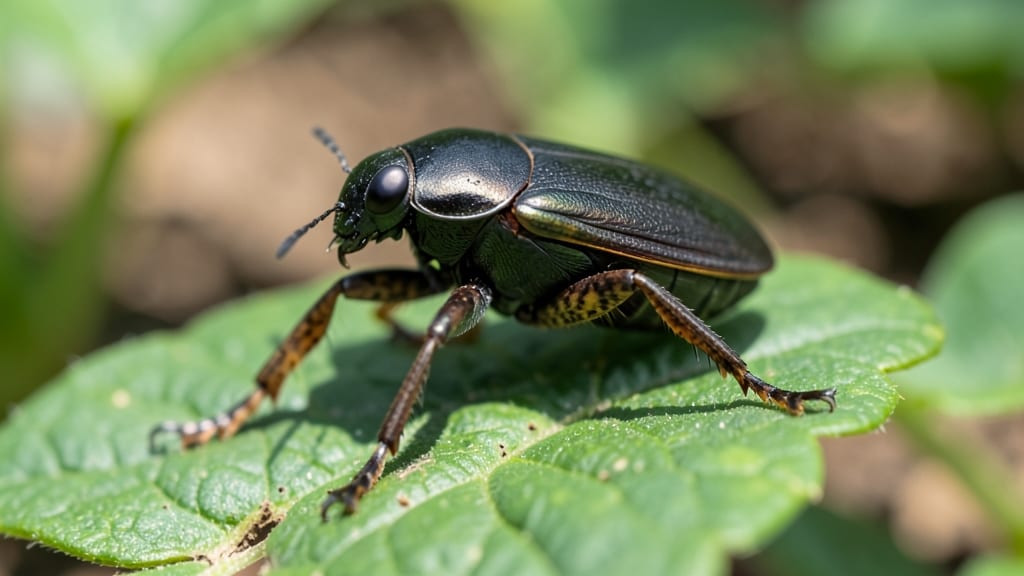
Those tiny, shield-shaped bugs with their leaf-like feet are wrecking your tomatoes before you even notice. 🌱 I’ve lost entire harvests to leaf-footed plant bugs, but I’ve also learned how to spot them early, trap them before they spread, and eliminate them without harsh chemicals—so your plants stay healthy and productive.
The damage starts small—tiny holes in leaves, wilting blossoms, and sticky honeydew that attracts sooty mold—but if you catch them early, you can save your garden.
These pests thrive on tomatoes, peppers, fruit trees, and even beans, so knowing their life cycle (egg, nymph, adult) is key to breaking their cycle before they multiply.
With the right traps, organic sprays, and cultural tricks, you’ll see fewer bugs within a week and stronger plants by harvest time. The secret? Acting fast—once they’re established, they’re nearly impossible to eradicate without heavy-duty pesticides.
Whether you’re growing in containers or a full garden bed, these methods work for any scale. Let’s get your plants back on track before the bugs win another round.
What Draws Them In First
Leaf-footed plant bugs (LFPBs) don’t just wander into your garden by accident—they’re lured in by a mix of environmental cues, plant chemistry, and even human habits. Understanding these triggers is the first step to stopping an infestation before it starts. Here’s why these pests show up on your doorstep.
LFPBs are generalist feeders, but they have a few favorite dishes. These bugs thrive on plants with soft, tender tissue—think young shoots, flowers, and fruit—because they’re easy to pierce with their straw-like mouthparts. Their top targets include:
- Nightshades: Tomatoes, peppers, and eggplants (especially when fruit is forming). The high water content makes them irresistible.
- Legumes: Beans, peas, and clover. These plants produce saponins, a natural compound that LFPBs find appealing.
- Squash & Cucumbers: The bugs adore the blossoms and young fruit, often causing catfacing (deformed growth).
- Berries & Stone Fruits: Blueberries, raspberries, cherries, and peaches. The bugs inject enzymes that discolor and soften the fruit, making it unmarketable.
- Weeds & Wild Hosts: Plants like malva (mallow) and solomon’s seal act as overwintering sites and early-season food sources.
Actionable Tip: 🌡️ Monitor high-risk plants daily during bloom and fruit set. Remove dropped or damaged fruit immediately—it’s a protein-rich snack for LFPBs.
LFPBs are cold-blooded opportunists, meaning they’re most active when temperatures rise above 60°F (15°C). Here’s how climate and habitat play a role:
| Factor | Why It Matters | What You Can Do |
|---|---|---|
| Spring/Summer Heat | Warmer temps speed up their metabolism, increasing reproduction rates. A single female can lay 200+ eggs in a season! | Use row covers on susceptible plants until blooms open to delay feeding. |
| Dry Conditions | LFPBs thrive in drought because stressed plants have lower defenses and higher sugar content. | Mulch heavily to retain moisture and reduce plant stress. |
| Shady or Dense Plantings | They love hidden nooks where they can hide from predators (like birds or ladybugs) and lay eggs undetected. | Prune plants for better airflow and avoid overcrowding. |
| Overwintering Sites | Adults hide in leaf litter, bark, or garden debris over winter, emerging in spring when food is scarce. | Rake and remove plant debris in fall to disrupt their life cycle. |
LFPBs don’t just eat plants—they’re drawn to the smells and signals of distress. Here’s how:
- Volatile Organic Compounds (VOCs): Damaged or stressed plants release chemical alarms (like green leaf volatiles) that attract LFPBs like a dinner bell. This is why a single bug can turn into a swarm if left unchecked.
- Nitrogen-Rich Fertilizer: Over-fertilizing with high-nitrogen products (like blood meal) makes plants softer and more appealing to bugs.
- Pollinator Confusion: Flowers like tomato blossoms emit scents that attract both bees and LFPBs. The bugs chew on petals before fruit sets, causing aborted blooms.
Pro Tip: ✨ Use balanced, slow-release fertilizers (like compost or 10-10-10) to avoid overstimulating plant growth. Refrain from fertilizing during bloom to reduce attractants.
Sometimes, we accidentally create the perfect LFPB paradise. Common garden mistakes that welcome these pests include:
- Ignoring Weeds: Weeds like purslane and chickweed are alternative hosts that keep bug populations thriving year-round.
- Late Pruning: Removing old growth too late in the season leaves egg-laying sites exposed for longer.
- Monoculture Plantings: Growing large blocks of one crop (e.g., a tomato jungle) makes it easier for bugs to find and spread.
- Skipping Beneficial Insects: LFPBs avoid areas with natural predators like assassin bugs, spiders, or parasitic wasps. Without them, bugs multiply unchecked.
Quick Fix: 💡 Interplant susceptible crops with herbs like basil or marigolds, which may repel LFPBs or attract their predators.
How to Treat and Prevent Plant Pests
Once you’ve spotted tiny leaf-footed plant bugs (or their damage) on your plants, quick action is key to stopping their spread. These sap-sucking pests thrive in warm weather and can wreak havoc on gardens, orchards, and even houseplants.
Below, we’ve mapped out targeted solutions based on the most common causes of infestations—plus easy prevention tips to keep your plants healthy long-term.
🍳 Handpick and Squish (For Small Infestations)
If you’ve only spotted a few bugs, manual removal is your first line of defense.
- How to do it: Wear gloves and gently pick bugs off leaves with your fingers or a damp paper towel. Drop them into soapy water to kill them instantly.
- Best for: Early-stage infestations (under 10 bugs per plant).
- Pro tip: 💡 Do this in the early morning when bugs are sluggish and easier to spot.
👨🍳 Spray Solutions (For Moderate Outbreaks)
For larger groups, homemade or commercial sprays can disrupt their feeding and reproduction.
- Neem oil spray (organic & effective):
- Mix 1 tsp neem oil + 1 tsp mild soap + 1 quart water in a spray bottle.
- Shake well and spray directly on bugs and undersides of leaves (they love hiding there!).
- Reapply every 5–7 days until bugs disappear.
- Insecticidal soap (fast-acting):
- Use a store-bought or homemade version (1 tbsp castile soap + 1 quart water).
- Spray early in the day to avoid harming beneficial insects like ladybugs.
- Pyrethrin spray (chemical option):
- Apply only at dusk (avoids harming bees) and follow label instructions.
🥘 Trap Crops (Lure & Remove)
Plant bugs are drawn to sacrificial plants—use them to trap and eliminate pests.
- Best trap crops: Sweet alyssum, marigolds, or sunflowers.
- How it works:
- Plant a trap crop away from your main garden.
- Let bugs infest it, then remove and destroy the plant (or freeze it for 48 hours to kill eggs).
- Repeat as needed to break their cycle.
🌡️ Physical Barriers (Prevent Reinfestation)
- Row covers: Use fine mesh netting over young plants to block adults from laying eggs.
- Sticky traps: Place yellow sticky traps near plants to catch flying adults.
- Diatomaceous earth (DE): Sprinkle food-grade DE around plant bases—it dehydrates bugs on contact (reapply after rain).
🎯 Cultural Controls (Break the Bug Life Cycle)
- Remove debris: Clear fallen leaves, plant debris, and weeds where bugs hide over winter.
- Rotate crops: Avoid planting susceptible plants (like tomatoes, peppers, or grapes) in the same spot yearly.
- Prune strategically: Trim damaged or infested leaves and dispose of them in sealed bags.
- 💡 Healthy plants = fewer pests: Overwatering stresses plants—water deeply but let soil dry slightly between waterings.
- 🌿 Companion planting: Grow basil, mint, or garlic near vulnerable plants to repel bugs naturally.
- 🕵️♂️ Monitor regularly: Check undersides of leaves and new growth weekly, especially after rain (bugs are more active then).
- 🚫 Avoid broad-spectrum sprays: They kill beneficial insects (like lacewings) that eat plant bugs.
With these targeted fixes, you can stop leaf-footed plant bugs before they become a full-blown problem. Start with manual removal for small issues, then escalate to sprays or traps if needed.
Prevention is your best tool—once your garden is bug-free, keep it that way with clean practices and smart planting!
Frequently asked questions
How can I tell if my plants have leaf-footed plant bugs and not something else?
Look for tiny shield-shaped bugs (about 1/3 inch long) with leaf-like hind legs that fold flat against their bodies. Their damage includes small holes in leaves, wilting blossoms, and sticky honeydew (which attracts sooty mold). Check undersides of leaves and new growth first—bugs hide there!
Will neem oil really work on leaf-footed plant bugs?
Yes! Neem oil disrupts their feeding and reproduction. Mix 1 teaspoon neem oil + 1 teaspoon mild soap + 1 quart water, spray directly on bugs (especially undersides of leaves), and reapply every 5-7 days until they disappear. Best used when bugs are active (60°F+) and plants are dry.
Why do leaf-footed plant bugs seem to appear overnight?
They reproduce extremely fast—a single female can lay 200+ eggs in a season! Eggs hatch in 5-10 days, and nymphs mature quickly in warm weather. If you spot a few adults, check nearby plants for hidden eggs (tiny white ovals on stems/leaves) and act fast to prevent an explosion.
Can I use diatomaceous earth on my plants without harming them?
Food-grade diatomaceous earth (DE) is safe for plants but must be reapplied after rain. Sprinkle a thin layer around plant bases and on leaves (avoid overapplying). It dehydrates bugs by damaging their exoskeletons. For best results, use it early morning or evening when bugs are less active.
What’s the best way to protect my tomato plants from these bugs?
Combine row covers (until blooms open), yellow sticky traps, and weekly neem oil sprays. Also interplant with basil or marigolds to repel bugs naturally. Remove any damaged fruit immediately—it attracts more bugs—and avoid over-fertilizing with nitrogen (which makes plants more appealing).