
Pests and Diseases
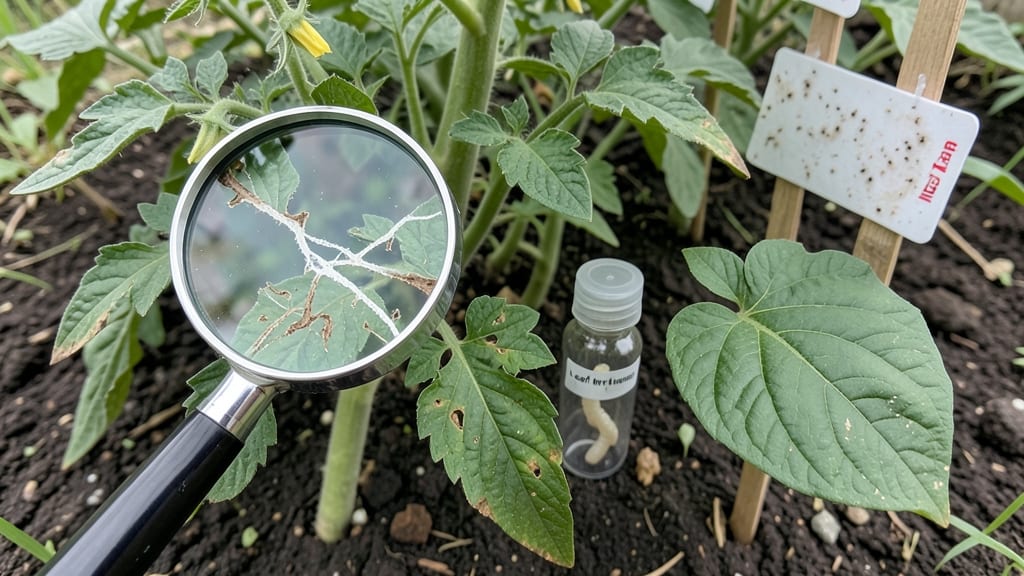
Those winding white trails on your leaves aren’t just dirt—they’re leaf miner damage, and the sooner you act, the better your plants will bounce back. 🌿 I’ve seen this destroy entire beds of basil and tomatoes, but with the right moves, you can stop it fast and keep your garden thriving.
The tiny larvae chew between leaf layers, creating serpentine patterns that weaken plants over time. Common hosts include herbs, tomatoes, peppers, and even fruit trees, so spotting the damage early is key. Look for curled leaves or brown frass (larval poop) as your first clues.
You’ll need to act in three ways: remove heavily damaged leaves, introduce beneficial wasps or neem oil, and protect new growth with row covers. Most plants recover fully within 2-3 weeks if you catch it early—no need for harsh chemicals.
This works for any garden, from containers to full beds, and the prevention steps take just 10 minutes each week. Let’s get those plants back to their best before the damage spreads.
The Hidden Culprits Behind Leaf Damage
If you’ve ever spotted serpentine trails or blistered patches on your plant leaves, you’re likely dealing with leaf miners—tiny, voracious larvae that tunnel through foliage like tiny caterpillar chefs. These pests don’t just nibble; they inhabit the leaf tissue, leaving behind telltale signs of their destructive dining.
But why do they strike in the first place? Let’s break down the science behind their behavior and the conditions that turn your garden into their all-you-can-eat buffet.
Leaf miners aren’t just random pests—they’re the larval stage of flies (like Liriomyza species) or moths (such as Phyllonorycter), and their sole mission is to eat, grow, and survive. Here’s how their biology drives the damage:
- Specialized Mouthparts: Unlike chewing insects, leaf miners have rasping-sucking mouthparts that let them scrape the soft inner layers of leaves. This creates the signature serpentine tunnels or blotchy mines you see.
- Sheltered Safety: The leaf’s interior provides protection from predators, weather, and pesticides. Once inside, the larva is nearly invisible—until it’s too late.
- High Reproduction Rates: A single female fly can lay hundreds of eggs in her lifetime, often targeting young, tender leaves where nutrients are abundant. Warm weather? Faster development = more miners.
Pro Tip: 💡 Leaf miners don’t discriminate—they’ll hit vegetables (cucumbers, beans), ornamentals (roses, viburnum), and even houseplants (peperomia, ferns). If your plant is lush and healthy, it’s basically a leaf miner magnet.
Healthy plants aren’t just resistant—they’re less appealing to leaf miners. When plants are stressed, they become easier targets. Here’s what makes them vulnerable:
| Stress Factor | Why It Attracts Miners |
|---|---|
| 💧 Overwatering or Underwatering | Poor moisture balance weakens cell walls, making leaves easier to tunnel through. Miners prefer soft, waterlogged or drought-stressed tissue. |
| ☀️🌡️ Extreme Heat or Cold | Temperature shocks slow plant recovery, leaving them nutrient-deficient. Miners thrive in warm (70–85°F) but stable conditions—perfect for rapid feeding. |
| 🍽️ Over-Fertilization (Especially Nitrogen) | Too much nitrogen = soft, fast-growing leaves that miners love. A balanced diet (with phosphorus and potassium) makes plants tougher. |
| 🦠 Prior Pest or Disease Damage | If aphids, mites, or fungal spots have already weakened the leaf, miners will move in for the easy meal. |
Actionable Fix: ✨ Mulch properly, water deeply but infrequently, and avoid heavy-handed fertilizing. A hardy plant = a miner’s worst nightmare.
Leaf miners don’t attack year-round—they follow a seasonal script tied to temperature and plant growth. Here’s their game plan:
- Spring (Early Growth):
- Adult flies emerge as warmth returns (above 50°F).
- They lay eggs on new leaves, timing it with rapid plant expansion.
- Peak risk: April–June in most climates.
- Summer (Active Feeding):
- Larvae grow fastest in heat (75–85°F), completing their life cycle in 2–4 weeks.
- Multiple generations can overlap, leading to explosive infestations.
- Drought-stressed plants become prime targets.
- Fall (Decline & Overwintering):
- Cooler temps slow larvae growth, but they may overwinter in leaf litter.
- Late-season miners can still damage fall crops (kale, spinach).
Smart Timing: 🎯 Monitor plants closely in spring and early summer. If you catch miners before they pupate, you can stop the cycle before it spirals.
Understanding why leaf miners attack is half the battle. Now that you know their motivations, triggers, and weak points, you’re ready to outsmart them—and protect your plants before the damage becomes permanent. Stay tuned for the next section on identifying signs early and natural remedies!
Quick Fixes for Garden Damage
Leaf miner trails may look like a lost cause, but with the right approach, you can restore your plants to their former glory—and keep them safe from future attacks.
The key is acting fast and targeting the root cause. Below, we’ve broken down solutions by the most common triggers, so you can tackle the problem with confidence.
If you spot visible trails or wilting leaves, don’t wait—prune them out right away. Leaf miners thrive in damaged foliage, so removing affected leaves disrupts their life cycle.
How to do it:
- 🔪 Snip off trails with clean, sharp scissors or pruners.
- 🧻 Seal the wounds with a thin layer of horticultural sealant (optional but helpful for larger cuts).
- 🗑️ Dispose of leaves in a sealed bag—do not compost them, or you’ll risk reinfestation.
💡 Pro Tip: Check the underside of leaves first—many miners hide there before making their trails.
Leaf miners are most vulnerable as larvae, so target them early with organic or chemical treatments. Here’s what works best:
| Method | How to Apply | Best For |
|---|---|---|
| Neem Oil Spray | Mix 1 tbsp neem oil + 1 tsp mild soap in 1 quart water. Spray every 5–7 days until no new trails appear. | Organic gardens, all stages |
| Insecticidal Soap | Apply in the early morning or evening (avoid direct sun). Reapply after rain. | Soft-bodied larvae |
| Spinosad (Organic) | Follow label instructions—spray directly on trails. Works in 24–48 hours. | Severe infestations |
| Kaolin Clay | Mix with water (1:10 ratio) and spray as a protective barrier. Confuses larvae. | Prevention & light infestations |
⚠️ Warning: Avoid harsh chemicals like malathion if you have bees or beneficial insects nearby—opt for neem or spinosad instead.
Mother Nature has her own pest control! Encourage beneficial insects that hunt leaf miners:
- 🐝 Parasitic Wasps (e.g., Diglyphus isaea) – Lay eggs inside miner larvae, killing them from within.
- 🦋 Ladybugs & Lacewings – Devour eggs and young larvae on contact.
- 🐍 Ground Beetles – Patrol foliage at night, eating miners before they mature.
How to attract them:
- Plant dill, fennel, or marigolds near infested plants.
- Avoid broad-spectrum pesticides—they kill helpful bugs too!
- Install bug hotels or water sources to keep predators around.
The best defense? Stop miners before they start. Here’s how to break the cycle:
🌱 Strengthen Plant Health
Weak plants = easy prey. Keep your garden thriving with:
- 💧 Consistent watering (avoid drought stress).
- 🌿 Balanced fertilizer (too much nitrogen = soft, tasty leaves).
- 🌞 Proper sunlight (most miners love shaded, stressed plants).
🕯️ Use Physical Barriers
- 📜 Lightweight Row Covers – Block adult flies from laying eggs (remove when plants flower to allow pollinators).
- 🎨 Yellow Sticky Traps – Trap adult miners before they lay eggs (place near plants in spring/summer).
- 🍃 Mulch Heavily – Discourages egg-laying on soil surfaces.
📅 Timing Is Everything
- 🌱 Early Spring: Apply neem oil or kaolin clay as a preventative spray.
- 🐛 Late Spring/Early Summer: Check new growth daily—this is when miners strike hardest.
- 🍂 Fall Cleanup: Rake and remove fallen leaves (miners pupate in leaf litter).
If your plants are heavily damaged (50%+ leaf loss) or miners keep returning, consider:
- 🌿 Replacing severely infested plants (some, like citrus or boxwood, may not recover).
- 🔬 Professional pest control for large gardens or high-value crops.
- 🌱 Switching to miner-resistant varieties (e.g., dwarf citrus instead of full-size trees).
🎯 Final Reminder: The faster you act, the easier it is to save your plants. Start with removal + neem oil, then bring in predators and barriers for long-term protection. With a little effort, your garden can bounce back—and stay miner-free!
Frequently asked questions
What do those white squiggly lines on my leaves actually mean?
Those winding white trails are the feeding paths of leaf miner larvae—tiny insects that burrow between leaf layers, creating serpentine tunnels. The brown frass (poop) you might see along the trails confirms it’s miners at work. These pests weaken plants by destroying leaf tissue, often starting on new growth where leaves are most tender.
Can I still use the fruits/vegetables from plants with leaf miner damage?
Yes, but with caution! The damage is mostly cosmetic—miners target leaves, not fruit. However, heavily infested plants may produce smaller yields. Always wash produce thoroughly before eating. If you see trails on fruit (rare but possible), remove those parts immediately since miners can occasionally migrate to edible portions.
How long does it take for neem oil to work on leaf miners?
Neem oil disrupts miners' feeding within 24–48 hours, but you’ll need to reapply every 5–7 days for 2–3 weeks to break their life cycle. For best results, spray in the evening when beneficial insects are less active. Combine with physical removal of damaged leaves for faster control.
Will my houseplants get leaf miners too?
Common houseplant targets include peperomia, ferns, and citrus trees. Miners often enter through open windows or on new plants. Isolate affected plants immediately, wipe leaves with a damp cloth, and treat with insecticidal soap. Keep humidity moderate—miners prefer soft, water-stressed leaves.
Why do I keep seeing miners even after treatment?
Miners have a 2–4 week life cycle, so new generations can emerge while you're treating. Check leaf undersides daily in spring/summer, remove all damaged foliage, and use yellow sticky traps to catch adult flies. For stubborn cases, combine neem oil with parasitic wasp releases for long-term control.