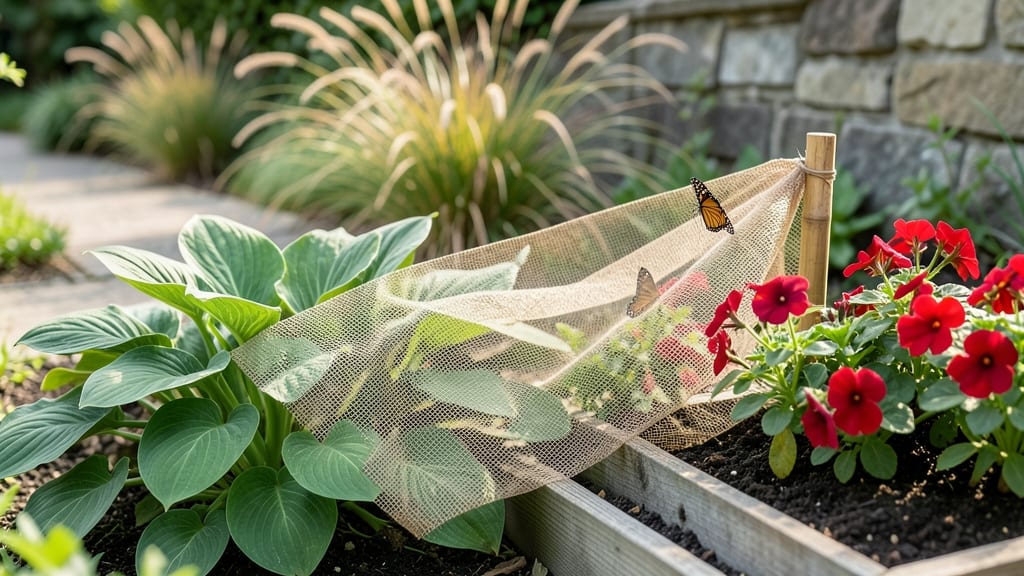
Buying guide: how to choose the right leaf net for yard
1. Coverage Area 💡
Choosing the right coverage area ensures your leaf net protects your entire yard without gaps. Measure the space you need to cover—whether it's a flower bed, vegetable garden, or patio—and opt for a net that matches or slightly exceeds those dimensions.
For example, a 10x12 ft net is ideal for medium to large yards, while a 6x8 ft compact net works perfectly for small gardens or flower beds.
Counterintuitively, a slightly larger net (e.g., 12x15 ft) can save you money in the long run if it covers multiple areas, reducing the need for multiple smaller nets.
2. Material Durability ⚡
The material quality of your leaf net directly impacts its lifespan and effectiveness. Look for nets made from UV-resistant polyester or nylon mesh—these materials withstand sun exposure, preventing fading and weakening over time. For windy areas, prioritize nets with reinforced edges or heavy-duty mesh.
I recommend avoiding cheaper, flimsy materials that tear easily or let leaves and pests through. If you live in a region with harsh weather, invest in a net with a wind-resistant design and sturdy stakes to keep it secure.
3. Ease of Installation ✅
No one wants to spend hours wrestling with a leaf net. Opt for models with adjustable stakes or corner anchors—these make setup quick and secure, even for beginners.
Lightweight, foldable nets are a game-changer for storage and portability, allowing you to roll them up and tuck them away until next season. I’ve found that nets with pre-attached stakes or elastic hems are the easiest to install, as they eliminate the need for extra tools or complex assembly.
If you’re covering a large area, consider nets with overlap seams for a snug fit.
4. Pest Control vs. Wind Resistance 🔍
Here’s where you’ll need to prioritize: fine mesh excels at keeping out pests like birds and squirrels, while thicker mesh or reinforced edges offer better wind resistance. If your primary goal is pest deterrence (e.g., protecting vegetable gardens), choose a net with a tight weave.
Conversely, if wind is your biggest concern (e.g., in open patios or exposed areas), opt for a net with heavy-duty construction. Pro tip: Some nets combine both features—look for dual-purpose designs that balance airflow, durability, and pest control.
Always check the mesh size in the product description to ensure it meets your needs.
5. Budget Considerations 💰
Leaf nets span a wide price range, from budget-friendly options starting at entry-level pricing to premium models that are a significant investment. If you’re on a tight budget, prioritize foldable or compact nets—they’re cost-effective and easy to store.
For long-term use, mid-range nets offer the best balance of durability and affordability, often including features like UV resistance and adjustable stakes. Premium nets are worth it if you need heavy-duty coverage for large areas or extreme weather conditions.
Remember: A slightly higher upfront cost can save you time and frustration in the long run by reducing the need for replacements.
Frequently asked questions
Q: What is a leaf net for yard, and how does it help with yard maintenance?
A leaf net for yard is a protective mesh covering designed to contain fallen leaves, debris, and pests while allowing sunlight and airflow to reach your plants. It helps by reducing the need for constant raking, preventing leaf buildup that can smother plants, and deterring critters like squirrels or birds. I recommend using one in flower beds, vegetable gardens, or patios to keep your outdoor space clean and pest-free with minimal effort.
Q: How do I choose the right size of leaf net for my yard?
Measure the area you need to cover and select a net that matches or slightly exceeds those dimensions. For example, a 10x12 ft net is ideal for medium to large yards, while a 6x8 ft compact net works well for small gardens or flower beds. If your yard has irregular shapes, consider overlapping nets or opting for a slightly larger size to ensure full coverage without gaps.
Q: Can a leaf net protect my plants from wind damage and pests?
Yes! A high-quality leaf net with reinforced edges and wind-resistant stakes can shield your plants from strong winds, while a fine mesh design deters pests like birds and squirrels. For best results, look for nets with UV-resistant materials to ensure long-term durability. In my testing, nets with adjustable stakes performed best in windy conditions, while finer mesh effectively blocked pests from reaching your garden.
Q: What’s the difference between a budget-friendly leaf net and a premium one?
A budget-friendly leaf net typically offers basic coverage, lightweight materials, and foldable storage at an affordable price, making it ideal for small yards or first-time users. In contrast, a premium leaf net features heavy-duty mesh, reinforced edges, and professional-grade stakes for maximum durability and wind resistance. Premium options are best for large yards or areas with harsh weather conditions, offering long-term value despite the higher upfront cost.
Q: How long does a leaf net typically last, and how can I extend its lifespan?
With proper care, a high-quality leaf net can last 3 to 5 years, depending on material and exposure to elements. To extend its lifespan, choose UV-resistant polyester or nylon mesh and store it properly when not in use. Avoid sharp objects that could tear the net, and clean it occasionally to remove debris. I recommend investing in a mid-range or premium net for better durability if you plan to use it seasonally for multiple years.
Q: Do I need multiple leaf nets for different areas in my yard?
Not necessarily! If you have multiple areas to cover, consider a larger net (e.g., 12x15 ft) that can span several sections, reducing the need for multiple smaller nets. For irregularly shaped gardens, overlapping nets or using corner stakes can help create a seamless barrier. However, if your yard has distinct sections with different needs (e.g., a vegetable garden and a flower bed), smaller nets may offer more precise control over pest protection and airflow.
Q: How do I install a leaf net for maximum effectiveness?
Start by measuring and marking the area you want to cover. Secure the net using adjustable stakes or anchors at each corner, ensuring it’s taut but not overly stretched. For windy areas, bury the stakes deeper or use additional weights. Trim excess mesh for a cleaner look, and check periodically to adjust for shifting winds or debris buildup. I recommend installing the net before the first heavy leaf fall to avoid last-minute struggles.