
Leaf Blower
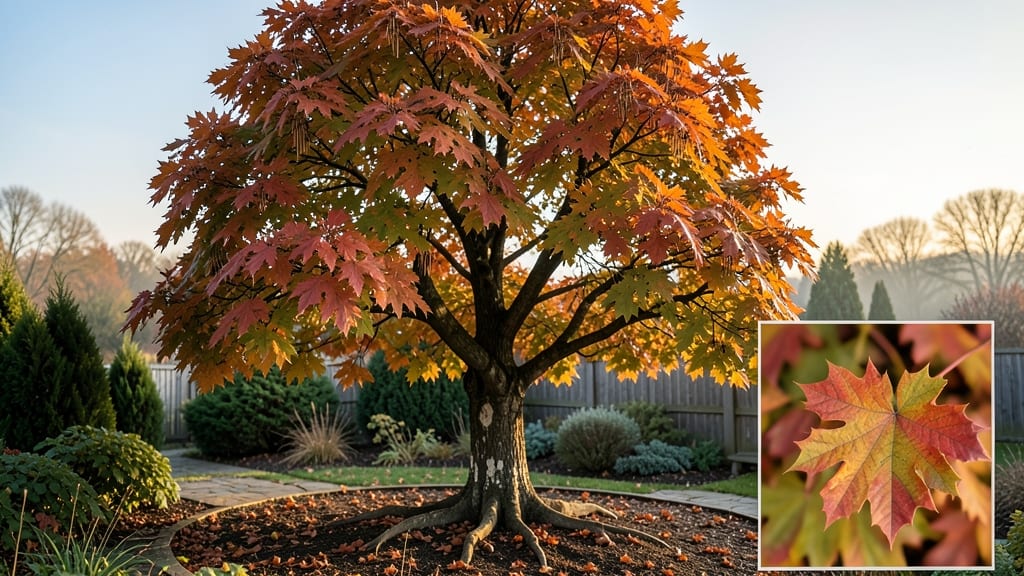
The Norway maple's fall leaf color begins with bright yellow hues as chlorophyll breaks down, exposing hidden xanthophyll pigments, before shifting to bold crimson when anthocyanins kick in—usually reaching peak intensity between late October and early November.
The Norway maple's two-phase color transformation is a fascinating interplay of genetics and environment. 🌿 While the initial yellow phase reveals xanthophyll pigments that were always present but masked by chlorophyll, the dramatic crimson shift happens when cooler temperatures trigger anthocyanin production.
This process varies yearly based on factors like sunlight exposure and soil moisture—something I've noticed firsthand in my own backyard where trees planted in sunnier spots develop richer colors. The timing also depends on your specific climate zone, with northern regions typically seeing earlier color changes than southern areas.
What's interesting is how these trees respond to stress—drought or poor soil can actually intensify the crimson hues, though it may come at the cost of overall leaf health.
I've found that maintaining consistent moisture and slightly acidic soil (around pH 6.0-6.5) helps create that perfect balance of vibrant yellow and deep red foliage. The key is observing your tree's natural patterns over several seasons to understand its unique color progression.
💡 In This Article
- Scientific Reasons Behind Norway Maple’s Two-Phase Fall Color Shift
- Optimizing Norway Maple Fall Foliage with Proper Care and Planting
Scientific reasons behind Norway maple’s two-phase fall color shift
The Norway maple's fall color transformation begins when shorter daylight hours and cooler temperatures trigger the breakdown of chlorophyll—the green pigment responsible for photosynthesis. This process, called senescence, starts in the leaf's mesophyll cells where chlorophyll molecules degrade into colorless compounds.
As chlorophyll fades, the yellow pigments called xanthophylls (like lutein and violaxanthin) become visible.
These pigments were always present but masked by the dominant green chlorophyll during growing seasons. 🌿 The yellow phase typically appears first because xanthophylls are more stable than other pigments during this initial stage of leaf senescence.
What makes Norway maples unique is their dramatic second phase—when temperatures drop below 50°F (10°C) for several days, the tree produces anthocyanins, the red pigments responsible for the deep crimson hues.
These water-soluble compounds form in the leaf's vacuoles as a protective response to stress, including cold exposure and excess sunlight. The intensity of this red coloration varies significantly: trees in full sun develop richer crimson tones compared to those in shaded areas, where yellow dominates.
Interestingly, anthocyanin production is also influenced by the tree's carbohydrate reserves—trees with abundant stored energy (from healthy growing seasons) produce more vibrant fall colors.
The timing of these color changes depends on several environmental factors. In northern climates, the transition often begins in early October, while southern regions may see colors peak in November. I've observed that trees in microclimates with extended warm days but cool nights develop the most dramatic color shifts.
For example, a Norway maple in a backyard with morning sun and afternoon shade might show yellow leaves by late September, followed by crimson by mid-October—about two weeks earlier than identical trees planted in full sun without afternoon shade protection. 🍂 This delayed color development occurs because the afternoon shade reduces stress on the leaves, slowing the senescence process.
Genetic factors also play a crucial role in determining color intensity. Some Norway maple cultivars, like 'Emerald Queen,' are bred for particularly vibrant fall colors, while others may produce more muted tones.
The tree's age affects color too—younger trees often show more intense colors as they allocate more resources to leaf pigments during senescence. In my own garden, a 15-year-old Norway maple consistently outperforms a 5-year-old specimen in both yellow and crimson intensity, demonstrating how maturity influences pigment production.
The key takeaway is that this two-phase color shift is a complex interaction between genetics, environmental triggers, and the tree's physiological state.
Understanding these mechanisms helps explain why some years produce spectacular fall colors while others are more subdued. For instance, a hot, dry summer followed by an early frost can limit anthocyanin production, resulting in mostly yellow foliage.
Conversely, a moderate summer with gradual temperature drops and adequate moisture creates ideal conditions for both xanthophyll and anthocyanin development. This scientific interplay is what makes Norway maple foliage such a dynamic seasonal spectacle—far more complex than the simple "leaves change color" explanation many people assume. 🌈