
Pests
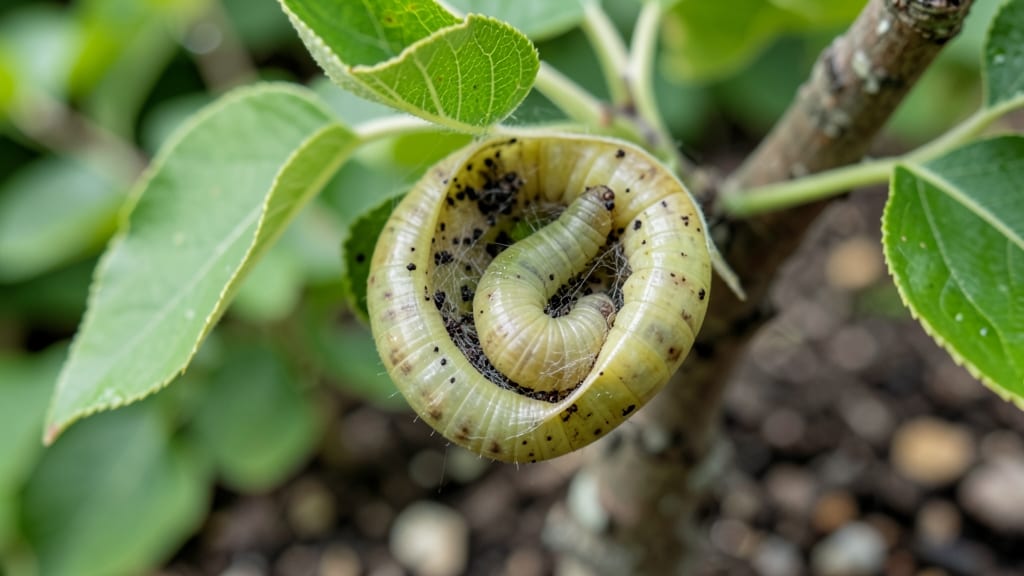
Leaf roller worms turn lush leaves into chewed-up skeletons overnight—unless you catch them early. 🌿 The key to stopping these silent destroyers is knowing where to look: rolled leaves, tiny frass (poop), and fine silk webbing are your first warning signs.
I’ve lost entire batches of peaches and raspberries to them, but these organic traps and prevention methods work every time.
Your best defense starts with physical barriers like row covers or sticky traps, which catch larvae before they spin their protective tubes. For existing infestations, neem oil disrupts their life cycle, while parasitic wasps (like Trichogramma) hunt them naturally.
Prune and destroy damaged leaves immediately—don’t compost them—to break their cycle. These methods work for fruit trees, veggies, and ornamentals alike.
Within 7-10 days of setting up traps, you’ll see fewer rolled leaves and more healthy growth. The secret? Consistency—check plants weekly during peak season (spring to early summer) and act fast. Once you spot the first signs, the damage spirals quickly, but early intervention keeps your garden thriving.
Works in home gardens, orchards, and even container plants. The tools you need? Just a few supplies you likely already have. Let’s get those leaves unrolled and your plants back to their best.
Root Causes Of Caterpillar Infestations
Leaf roller worms—those tiny, destructive caterpillars that curl leaves into protective tubes—don’t just appear out of nowhere. Their presence is usually a sign of underlying conditions in your garden or landscape. Understanding why these pests target your plants is the first step to stopping them before they cause serious damage.
Below, we break down the key factors that make your garden a caterpillar buffet.
Healthy plants are less appealing to leaf rollers because they’re tougher to penetrate and digest. When plants are stressed—whether from drought, poor soil, or overcrowding—they become an easy target. Here’s why:
- Weakened defenses: Stressed plants produce fewer natural toxins that deter pests, making them more vulnerable to leaf rollers.
- Softer leaves: Underwatered or nutrient-deficient foliage is easier for caterpillars to chew through, giving them quick access to the most tender parts.
- Attracts secondary pests: Stressed plants may also attract aphids or mites, which in turn draw predators like parasitic wasps—but these predators sometimes also target leaf rollers, creating a cycle of infestation.
Actionable fix: Space plants properly, water deeply (but not excessively), and amend soil with compost to boost plant resilience. 💡 Pro tip: Mulch around the base to retain moisture and reduce stress.
Leaf rollers don’t infest all plants—they have favorites. These caterpillars are particularly drawn to:
| Common Host Plants | Why They’re Targeted |
|---|---|
| Fruit trees (apple, pear, peach) | Tender new growth and high sugar content make them irresistible. |
| Berries (raspberries, blackberries) | Soft canes and leaves provide easy shelter and food. |
| Vegetables (celery, cabbage, beans) | Tight leaf structures mimic their natural hiding spots. |
| Ornamental shrubs (rose, lilac, viburnum) | Lush foliage offers ample camouflage for their rolled-leaf nests. |
If your garden is a leaf roller buffet, these pests will thrive. Even one heavily infested plant can attract more, as moths (their adult form) lay eggs nearby.
Actionable fix: Remove heavily damaged plants or prune infested branches immediately. For high-risk plants, use organic sprays like neem oil or introduce beneficial nematodes to disrupt their life cycle. 🔥 Pro tip: Plant marigolds or dill nearby—their scents repel leaf roller moths.
Leaf rollers start as eggs laid by adult moths, which are most active during warm evenings and spring to early summer. Their timing is critical:
- Spring emergence: Moths wake up as temperatures rise (above 50°F/10°C), seeking fresh foliage for egg-laying.
- Overnight feeding: Adults are nocturnal, so you’ll rarely see them—but their eggs hatch into caterpillars within 7–14 days.
- Multiple generations: In warm climates, leaf rollers can produce 2–3 generations per year, meaning infestations can spiral if unchecked.
If your garden sees a sudden surge of rolled leaves in late spring or early summer, it’s likely due to a fresh wave of moth activity.
Actionable fix:
- Set up UV or blacklight traps in early spring to monitor moth activity.
- Apply kaolin clay (a natural repellent) to foliage to disrupt egg-laying.
- Check plants weekly for new egg masses (tiny white clusters on undersides of leaves).
Leaf rollers love moist, sheltered conditions. Here’s how weather plays a role:
- Humidity: High moisture levels keep eggs and young caterpillars hydrated, speeding up their development.
- Shade and debris: Dense foliage or leaf litter provides perfect hiding spots for rolled leaves and pupation sites.
- Mild winters: In regions with freeze-free winters, leaf rollers can overwinter as pupae, emerging earlier in spring.
If your garden has shady, damp corners or thick mulch layers, it’s an invitation for these pests.
Actionable fix:
- Thin out overgrown plants to improve airflow and reduce humidity.
- Remove leaf debris from the base of plants before winter to eliminate pupation sites.
- Prune branches that touch the ground, as they create bridges for caterpillars to move between plants.
Natural Ways to Stop Garden Invaders
Discovering leaf roller worms munching on your prized plants can feel like a nightmare—especially when you’re aiming for an organic, chemical-free garden. The good news? With the right strategies, you can outsmart these pests before they cause serious harm.
Below, we’ll break down targeted solutions based on the root cause of your infestation, from early detection to long-term prevention. No fancy tools or toxic sprays required!
Leaf rollers start small, so regular scouting is your first line of defense. These pests hide inside rolled or tied leaves, making them tricky to spot. Here’s how to find them early:
- 🌿 Inspect new growth: Focus on young, tender leaves—leaf rollers love them. Gently unroll any curled or folded foliage to check for larvae or eggs.
- 🕵️ Look for frass (poop!): Tiny black specks on leaves or the ground are a dead giveaway. Frass is a sign of active feeding.
- 🌅 Check at dawn or dusk: Adult moths are most active during these times. Use a flashlight to spot them resting on tree bark or leaves.
Pro tip: 💡 Set up a white sheet under trees at night and shake branches gently. If moths flutter down, you’ve got an infestation brewing!
If you’ve spotted signs of leaf rollers, trapping is the fastest way to reduce their numbers. These methods are safe, effective, and won’t harm beneficial insects like bees or ladybugs.
🍯 Sugar Water Trap for Adult Moths
Adult leaf roller moths are drawn to sweet scents. This trap mimics their natural feeding habits and drowns them overnight.
- 🥄 Mix 1 cup sugar + 1 cup water in a bowl. Add a splash of apple cider vinegar (the smell attracts them!).
- 🍹 Place the bowl near infested plants, preferably on a flat surface like a tray or saucer.
- ⏰ Check and refresh every 2–3 days. Moths will drown in the sticky liquid—dispose of them far from your garden.
Pro tip: 🌡️ Place traps underneath trees where moths often rest during the day for better results.
🌿 Pheromone Traps (Commercial or Homemade)
Pheromone traps use scent to confuse male moths, preventing them from finding females to mate. This reduces the next generation of leaf rollers.
- 🛒 Buy a pre-made pheromone trap (like those for codling moths—they work on leaf rollers too!). Hang it 10–15 feet high in the tree canopy.
- 🔥 DIY alternative: Soak cotton balls in peach or apple essence (leaf rollers are attracted to these scents). Place them in a jar with a funnel opening—moths enter but can’t escape.
Pro tip: ✨ For a homemade version, crush damson plum leaves (their scent mimics pheromones) and place them in a jar with a few drops of water. Moths will investigate—and get trapped!
For small infestations, physically removing leaf rollers is one of the most effective (and satisfying!) methods. Here’s how:
🔪 Prune and Destroy Infested Leaves
Leaf rollers hide inside curled leaves, so removing their shelter disrupts their life cycle.
- 🌿 Identify and cut any leaves that are rolled, tied, or have visible frass. Use clean, sharp pruners to avoid spreading damage.
- 🔥 Bag and dispose of the leaves in a sealed plastic bag or burn them (if local regulations allow). Do not compost—eggs or larvae may survive.
- 🌱 Thin out dense foliage to improve airflow and make it harder for pests to hide.
Pro tip: 🎯 Focus on new growth and lower branches, where leaf rollers often start their feeding.
🕷️ Encourage Natural Predators
Ladybugs, lacewings, birds, and parasitic wasps love eating leaf roller larvae. Boost their presence with these tricks:
- 🐞 Plant companion flowers like dill, fennel, or yarrow to attract beneficial insects.
- 🐦 Provide birdhouses or baths to encourage birds that snack on caterpillars.
- 🌿 Avoid broad-spectrum pesticides, which kill helpful predators along with pests.
The best defense is a healthy garden that’s unappealing to leaf rollers. Implement these preventive measures to keep your plants safe season after season.
🌱 Strengthen Plant Health
Weak or stressed plants are magnets for leaf rollers. Keep your garden robust with these tips:
- 💧 Water deeply but infrequently to avoid soggy soil (leaf rollers thrive in damp conditions).
- 🌿 Mulch around trees and shrubs to retain moisture and deter pests from laying eggs.
- 🍄 Avoid over-fertilizing with nitrogen, which encourages soft, tender growth that leaf rollers adore.
🌿 Use Organic Sprays as a Last Resort
If infestations persist, natural sprays can provide a temporary barrier. These are safe for organic gardens when used correctly:
- 🥛 Bacillus thuringiensis (Bt): A bacteria that targets caterpillars (including leaf rollers) without harming other insects. Spray in the evening to avoid killing bees.
- 🍋 Neem oil: Disrupts leaf roller feeding and egg-laying. Mix 1 tbsp neem oil + 1 tsp mild soap per quart of water and spray directly on leaves.
- 🌿 Garlic or chili pepper spray: Blend garlic, chili peppers, and water, strain, and spray on foliage. The strong scent repels moths.
Pro tip: 🔥 For neem oil, add a drop of dish soap to help it stick to leaves—this increases effectiveness!
🗓️ Timing Is Everything: Monitor and Act Early
Leaf rollers have specific life cycles. By understanding their patterns, you can strike before they strike:
- 🍁 Late spring/early summer: Eggs hatch—this is when you’ll see the first signs of damage. Set up traps now!
- 🌿 Mid-summer: Larvae are most active. Prune and monitor closely during this peak period.
- 🍂 Fall: Adult moth
Frequently asked questions
What do leaf roller worms look like up close?
Leaf roller larvae are small, green or brown caterpillars (about 1/4 to 1/2 inch long) with smooth bodies. They spin silk to roll or tie leaves into protective tubes where they feed. Look for tiny black frass (poop) near the rolled leaves—this confirms their presence. Adult moths are pale gray with dark markings and 1-inch wingspans.
Can I use soap spray to kill leaf roller worms?
Yes, but with caution. A mild insecticidal soap (1-2 tablespoons per quart of water) can suffocate larvae when sprayed directly on infested leaves. Reapply every 5-7 days during active feeding. Avoid spraying when bees are active, as soap can harm them too. For best results, combine with neem oil for added protection.
How long does it take for leaf roller traps to work?
Most traps (like pheromone or sugar water traps) show results within 3-5 days of setup. For significant reductions, maintain traps for 2-3 weeks during peak season (spring to early summer). Physical removal methods (pruning infested leaves) provide immediate relief but require consistent monitoring. Combine traps with other methods for best results.
Will birds eat leaf roller worms?
Birds like robins, bluebirds, and chickadees love eating leaf roller larvae. Install birdhouses and baths near infested plants to attract them. Plant native shrubs (like serviceberry) to provide both food and shelter. Even hummingbirds help by eating adult moths. This natural defense works best when combined with other organic methods.
Can leaf roller worms survive winter?
In most climates, leaf rollers overwinter as pupae in leaf litter or soil. They emerge as adult moths in late spring when temperatures rise above 50°F (10°C). To break their cycle, remove all leaf debris from garden beds before winter and prune branches that touch the ground. This eliminates their hiding spots.