
Leaf Blower
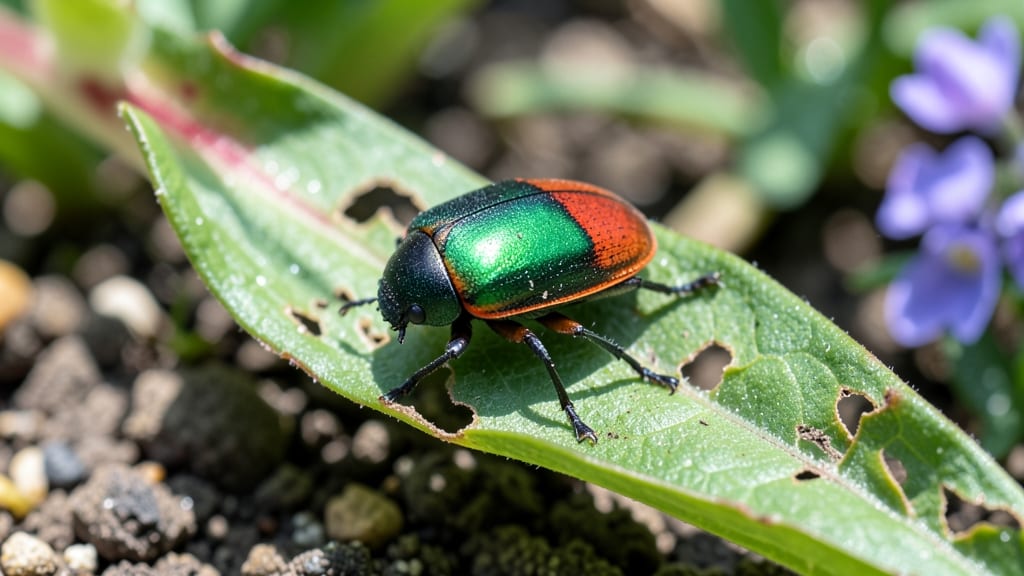
Your hostas are showing lily leaf beetle damage—and it’s not deer or slugs. 🌿 The lily leaf beetle turns vibrant foliage into lace in days, but I’ve saved my own plants using these 5 targeted steps that work even when infestations feel hopeless.
The key? Acting fast before the beetles multiply into an unstoppable orange army.
First, you’ll need to spot the damage: skeletonized leaves, chewed edges, and tiny black-and-orange beetles crawling on stems. The larvae—bright orange grubs—hide under leaves, devouring roots and stems. I’ve seen entire hosta clumps reduced to stems in weeks if ignored.
The good news? These beetles are easy to kill with the right approach, and prevention keeps them away for good.
By following this rescue plan, you’ll stop the feeding within 24 hours and rebuild your hostas’ health in time for next season. We’re talking full, lush regrowth by summer—no more sad, chewed-up leaves.
The secret lies in combining physical removal, organic sprays, and long-term barriers that beetles can’t bypass.
This works for hostas, daylilies, fritillaries, and any plant these beetles love. Whether you’re dealing with a small patch or a full-blown invasion, these steps adapt to your garden’s size. Let’s get your plants back to their glory.
Root Causes of Lily Leaf Beetle Attacks
Lily leaf beetles (Lilioceris lilii) don’t just appear out of nowhere—they’re drawn to your garden by a mix of environmental, biological, and even human factors. Understanding these triggers is the first step to stopping them before they turn your hostas into a skeleton of chewed leaves.
Let’s break down the science behind why these pests target your plants.
Lily leaf beetles are specialists—they thrive almost exclusively on plants in the Liliaceae family, which includes:
- Hostas (their favorite snack)
- True lilies (e.g., Lilium species like tiger lilies)
- Fritillaries, tulips, and daylilies
Why? These plants contain alkaloids (natural toxins) that most insects avoid—but lily leaf beetles have evolved to love them. Their larvae and adults feed voraciously, stripping leaves and flowers in days. If your garden is a hosta haven, you’re basically rolling out the welcome mat.
Actionable insight: 🔍 Check your plant labels—if you’ve got hostas or lilies, you’re at high risk. Even a single plant can attract beetles that’ll spread to neighbors’ gardens.
Lily leaf beetles are cold-sensitive but boom in warm, dry climates.
Here’s how weather plays a role: - Spring warmth (60–80°F) triggers their emergence from overwintering sites (like leaf litter or bark). - Drought stress weakens hostas, making them more appetizing to beetles (plants under stress release more sugars, which beetles crave). - Lack of rain reduces natural predators (like birds and parasitic wasps) that would otherwise keep beetle populations in check.
Science deep dive: Beetles time their life cycle to peak hosta growth (late spring to early summer). If your area has mild winters, they may have two generations per year instead of one, leading to exponential damage.
Actionable insight: 💡 Monitor beetle activity after dry spells—this is when they’re most active. Watering deeply (1–2 inches per week) can deter them and strengthen your plants.
In a healthy ecosystem, lily leaf beetles face a gauntlet of predators, including:
- Birds (e.g., robins, starlings—they love munching beetle larvae)
- Parasitic wasps (lay eggs inside beetle larvae, killing them)
- Ground beetles and spiders (eat eggs and young larvae)
- Beneficial nematodes (microscopic worms that attack larvae in soil)
Why the imbalance?
- Pesticide use (even broad-spectrum sprays) can wipe out these helpers.
- Monoculture gardens (planting only hostas/lilies) remove habitat diversity, making it harder for predators to thrive.
- Urban/suburban areas often lack the biodiversity of rural ecosystems.
Actionable insight: 🌿 Encourage predators—plant native flowers (like dill, fennel, or yarrow) to attract beneficial insects, and avoid chemical sprays during beetle season (May–July).
Lily leaf beetles are hitchhikers.
Here’s how people accidentally transport them: - Buying infested plants (nurseries or online orders with hidden eggs/larvae). - Moving mulch or soil from infected areas to new gardens. - Sharing hosta divisions without inspecting for beetles. - Traveling with firewood or garden tools (adults hide in cracks).
Case study: A single beetle can lay up to 400 eggs in a season. If you unknowingly introduce one to a new garden, you’ve just started a full-blown infestation.
Actionable insight: 🔪 Inspect new plants under leaves and stems before bringing them home. Quarantine purchases for a week to spot hitchhikers.
Beetles prefer weakened hosts. Stress factors include:
- Poor drainage (root rot attracts beetles).
- Over-fertilizing with nitrogen (leads to soft, tender leaves they love).
- Competition for sunlight (shady hostas grow slowly, making them easier targets).
Why it matters: Healthy hostas can tolerate some damage, but stressed plants become a beetle buffet. A single beetle can defoliate a struggling plant in 24 hours.
Actionable insight: 💪 Boost plant resilience—mulch with 3–4 inches of organic matter, prune for airflow, and fertilize with balanced NPK (10-10-10) to avoid nitrogen overload.
Quick Fixes for Beetle-Battered Plants
If your hostas and lilies look like they’ve been through a war zone—skeletons of leaves, chewed edges, and bright red beetles crawling around—don’t panic! With the right approach, you can reverse the damage and protect your garden for next season.
Below, we’ve mapped out practical, step-by-step solutions tailored to the root causes of lily leaf beetle damage. Think of it as your emergency rescue kit for beetle-infested foliage.
When you spot lily leaf beetles (or their telltale skeletonized leaves), act fast to prevent further destruction.
🍳 Handpick the Invaders (Best for Small Infestations)
Grab a bucket of soapy water and get physical. Lily leaf beetles are slow-moving, making them easy targets:
- Timing: Early morning or late evening when they’re sluggish (🌅☀️🌙).
- Method: Wear gloves, shake plants gently over a bucket, and drop beetles into soapy water. Pro tip: Use a damp towel to trap them if they’re hiding under leaves!
- Frequency: Repeat daily for 3–5 days to break their life cycle.
👨🍳 Neem Oil Spray (Organic & Effective)
Neem oil disrupts beetles’ feeding and reproduction. Mix 2 tsp neem oil + 1 tsp mild soap + 1 quart water, then spray directly on leaves (avoid flowers to protect pollinators).
- When: Apply every 5–7 days until beetles disappear.
- Why it works: Beetles hate the bitter taste and stop eating immediately.
- Bonus: Also repels aphids and mites! (🌿✨)
🥘 Diatomaceous Earth (DE) Barrier (For Heavy Infestations)
Food-grade DE is a non-toxic powder that dehydrates beetles. Sprinkle a thin layer around plant bases and under leaves:
- How: Use a duster or sieve to avoid clumping.
- Reapply: After rain or watering (DE loses potency when wet).
- Caution: Avoid breathing it in—wear a mask! (😷)
Lily leaf beetles thrive because they return yearly. To starve them out, disrupt their life cycle with these seasonal strategies:
🌱 Remove Eggs & Larvae (Critical Step!)
Adult beetles lay orange eggs on leaf undersides in spring. Scrape them off with a credit card or fingernail and drop them into soapy water. Check weekly until no more eggs appear.
🌡️ Trap Crops (Sacrificial Plants)
Plant daylilies or fritillaries near your hostas/lilies. Beetles will prefer these over your prized plants. Once infested, remove and destroy the trap plants (🔥) to prevent spread.
🎯 Beneficial Insects (Nature’s Pest Control)
Encourage ladybugs, lacewings, and parasitic wasps—they devour lily leaf beetle larvae. Plant dill, fennel, or yarrow to attract them, or buy beneficial insect eggs online.
Stay one step ahead with this month-by-month plan:
| Season | Task | Why It Works |
|---|---|---|
| Spring (April–May) | ✅ Handpick adults + remove eggs weekly | Stops the first generation from hatching. |
| Summer (June–July) | ✅ Apply neem oil every 2 weeks + use DE | Kills larvae before they pupate. |
| Fall (August–October) | ✅ Rake up leaf litter (beetles overwinter here!) | Eliminates hiding spots for next year. |
| Winter (November–March) | ✅ Plant trap crops + attract beneficial insects | Gives good bugs a head start for spring. |
💡 Pro Tip: If your plants are severely defoliated, don’t worry—they’ll regrow! Focus on protecting new growth with neem oil or row covers until beetles fade (usually by late summer).
Frequently asked questions
What do lily leaf beetle larvae look like, and where do they hide?
Lily leaf beetle larvae are bright orange grubs about ¼-inch long with black heads. They hide under leaves, along stems, and in soil near plant bases—especially in dense foliage like hostas. Check leaf undersides and mulch areas daily in spring and summer.
Can I use chemical pesticides to kill lily leaf beetles?
Yes, but use targeted options like pyrethrin-based sprays (derived from chrysanthemums) or neonicotinoids (e.g., imidacloprid). Apply at dusk to protect bees, and reapply after rain. For organic gardens, neem oil or kaolin clay work just as well without harming beneficial insects.
How long does it take for hostas to recover after lily leaf beetle damage?
Healthy hostas can regrow new leaves in 2–4 weeks if the crown (base) remains intact. Severely defoliated plants may take 6–8 weeks to recover fully. Focus on removing beetles immediately and fertilizing with balanced NPK (10-10-10) to boost regrowth.
Will lily leaf beetles damage other plants besides hostas?
They primarily target Liliaceae family plants, including true lilies, fritillaries, tulips, and daylilies. While they won’t harm vegetables or most ornamentals, they may chew on alliums (onions, garlic) if no preferred hosts are available.
How do I prevent lily leaf beetles from returning next year?
Start in fall by raking up leaf litter (their overwintering spot) and removing all plant debris. In spring, inspect new plants for eggs before adding them to your garden. Plant trap crops (daylilies) and attract beneficial predators like ladybugs with dill or yarrow. Consistency is key!