
Companion Plants
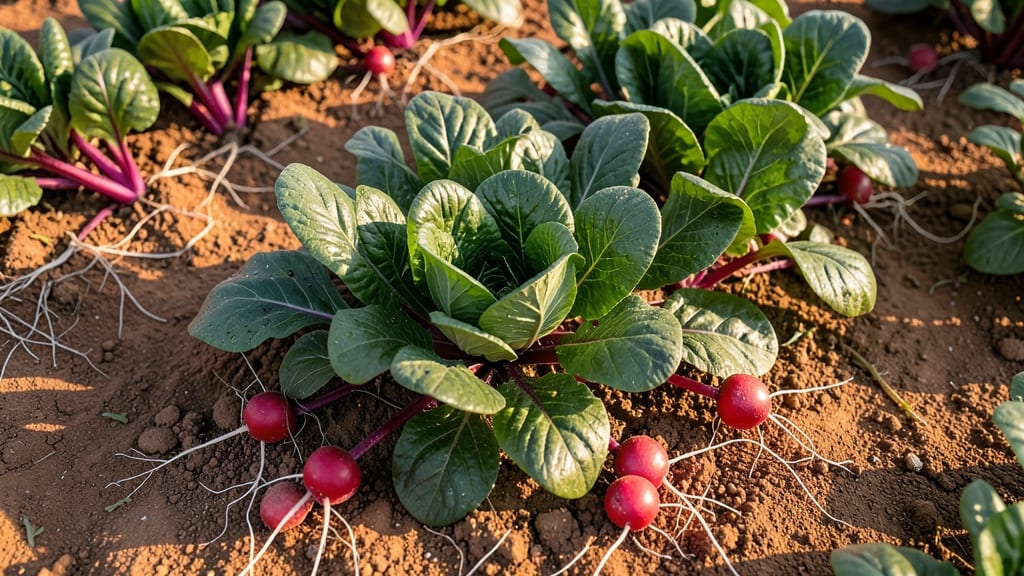
Boost your garden’s productivity with these 10 leafy greens that thrive alongside other plants. Strategic companion planting maximizes space, deters pests, and enhances flavor—here’s how to pair them perfectly.
Lettuce Varieties for Shade Gardens
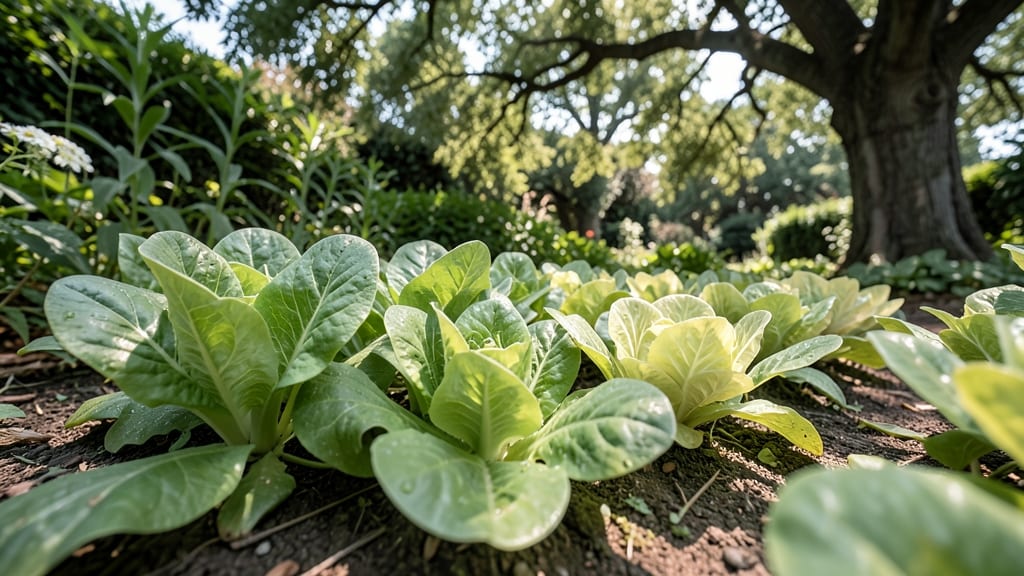
Turn your shady spots into a salad bar with lettuce varieties that thrive in low light while secretly protecting your garden. Unlike sun-loving greens, these varieties like romaine and butterhead grow best in partial shade, making them perfect for under trees or north-facing beds.
Beyond their shade tolerance, lettuce acts as a natural pest deterrent—its strong scent repels carrot flies while attracting beneficial insects like ladybugs and hoverflies. For best results, plant in well-draining soil with morning sun and afternoon shade, and harvest outer leaves to encourage continuous growth. This dual-purpose green is ideal for urban gardeners with limited sunlight or small spaces.
With minimal effort, you’ll enjoy crisp salads year-round while boosting your garden’s ecosystem. 🌱
Spinach for Pest-Resistant Beds
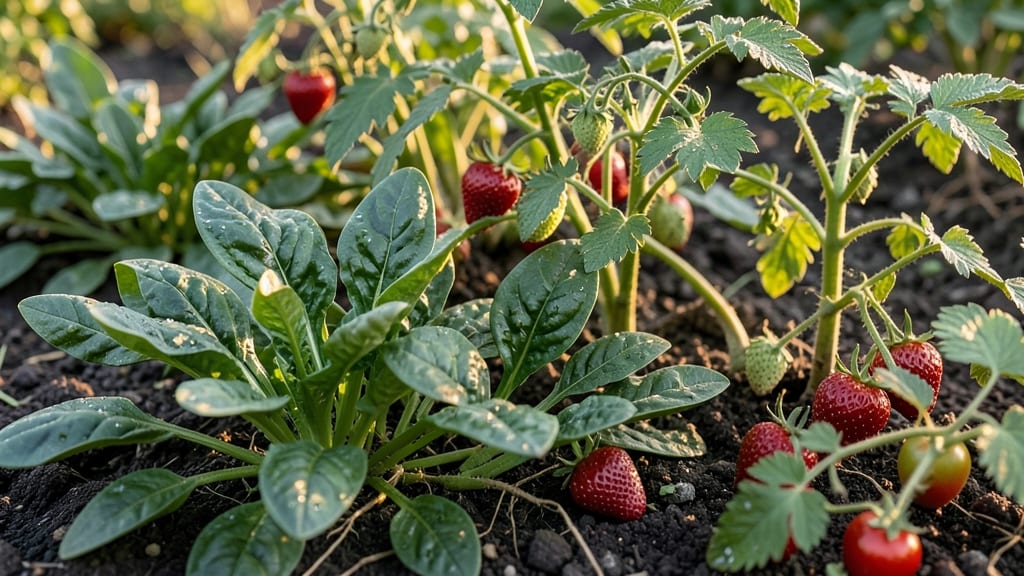
Want a garden where pests practically avoid walking by? Spinach isn’t just a salad staple—it’s a natural bodyguard for your beds, especially when paired with strawberries and tomatoes. Its strong scent confuses nematodes and deters aphids, while its deep roots break up compacted soil and boost nitrogen levels for heavy feeders like tomatoes.
Plant spinach in cool-season beds (spring or fall) where it gets 4-6 hours of sun daily. Its broad leaves create shade that slows weed growth, and harvesting outer leaves encourages bushier regrowth. For maximum pest control, interplant spinach with tomatoes—the tomatoes’ roots benefit from the nitrogen boost, while spinach’s scent keeps pests away.
This dynamic duo is ideal for small-space gardeners or anyone tired of chemical sprays. With minimal effort, you’ll enjoy healthier plants and fewer pests—plus, fresh spinach for salads! 🌱
Swiss Chard with Colorful Stems
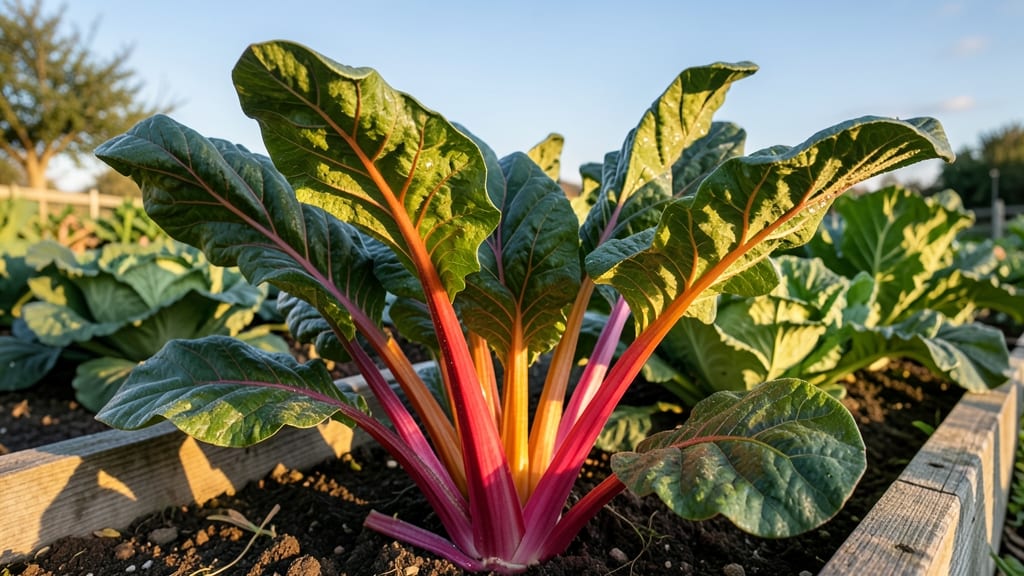
Transform your garden into a living work of art with Swiss chard, where vibrant stems in rainbow hues steal the show while serving up edible leaves. This dual-purpose plant acts as a natural pest barrier, repelling cabbage moths and their larvae—making it a secret weapon for brassica-loving gardens.
Plant rainbow chard in full sun to partial shade, ensuring well-drained soil enriched with compost. The colorful stems mature in about 50-60 days, and you can harvest outer leaves continuously for fresh greens. Its vertical growth habit also makes it ideal for small spaces or mixed borders.
Perfect for both culinary enthusiasts and garden designers, Swiss chard adds a pop of color while improving your harvest. 🌻
Kale for Cold-Weather Gardens
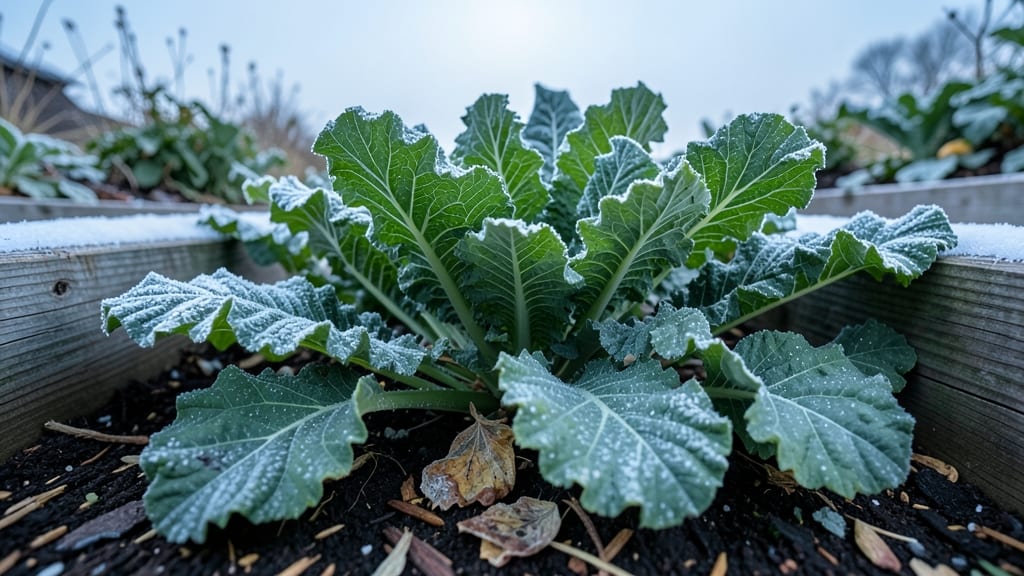
Cold-hardy kale is your secret weapon for year-round harvests in chilly climates, producing sweeter leaves after frost. Unlike heat-sensitive greens, it thrives in temperatures down to 20°F and even improves flavor when exposed to light freezes.
This nutrient powerhouse deters pests naturally when paired with onions or garlic, creating a protective barrier against cabbage worms. Plant seeds directly in well-draining soil with full sun to partial shade, and harvest outer leaves first to encourage continuous growth. For maximum yield, succession plant every 3-4 weeks from early spring through summer.
Perfect for beginners and urban gardeners, kale’s resilience and versatility make it a cornerstone of sustainable gardens. Its pest-repelling properties also reduce the need for chemical interventions. 💚
Arugula for Fast-Growing Salads
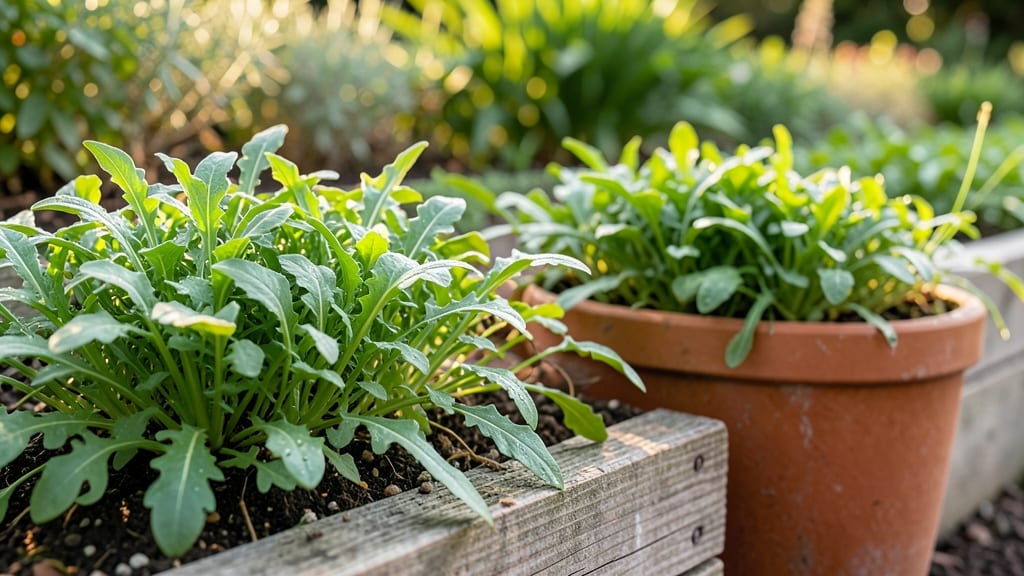
Want fresh salads in just 3-4 weeks without waiting months for harvest? Arugula is the answer—this peppery green grows faster than most leafy greens and fits perfectly into small spaces, including container gardens. Its rapid growth makes it ideal for succession planting, ensuring a steady supply all season.
Beyond its speed, arugula acts as a natural pest deterrent for cucumbers, keeping unwanted insects at bay while thriving in the same container. Plant it in partial sun (4-6 hours daily) and keep the soil consistently moist but well-drained. For continuous harvests, cut outer leaves when they reach 2-3 inches, leaving the center to regrow.
This versatile green is a game-changer for urban gardeners, balcony planters, and anyone craving quick results. Try pairing it with cucumbers this season for a pest-free, high-yield combo! 🌱
Collard Greens for Southern Gardens
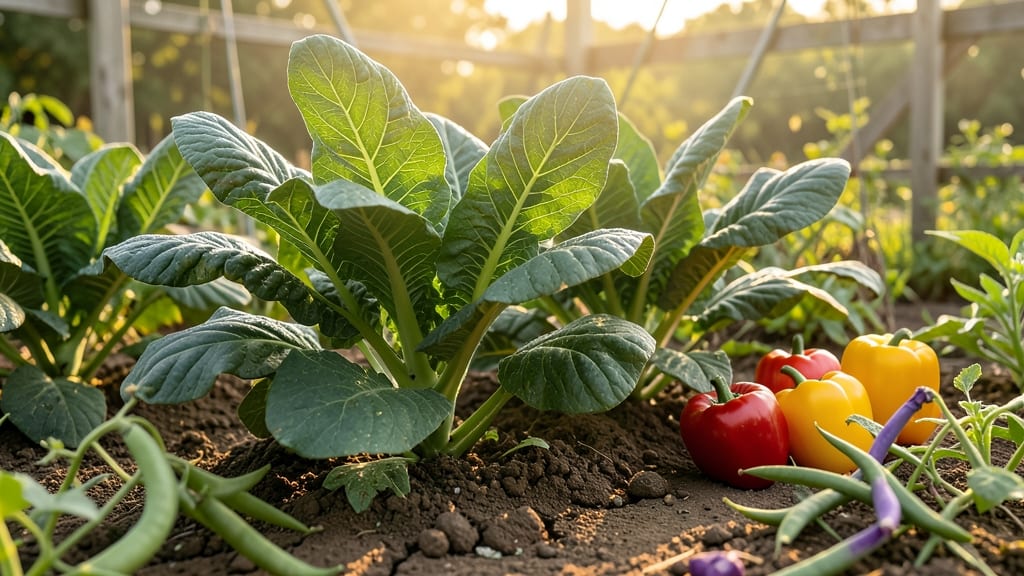
If you live in a warm climate and want a leafy green that thrives in the heat, collard greens are your perfect match. Unlike many greens that bolt in summer, collards stay productive and flavorful, making them a staple in Southern gardens.
Plant them alongside beans and peppers to create a dynamic trio that improves soil health. Collards fix nitrogen naturally, while beans add nitrogen directly, and peppers benefit from the shade collards provide. For best results, give them full sun (6+ hours daily) and well-draining soil with a pH of 6.0-7.0. Harvest outer leaves first to encourage continuous growth.
This nutrient-packed green is ideal for gardeners who want year-round harvests without fuss. 🌻
Mustard Greens for Weed Suppression
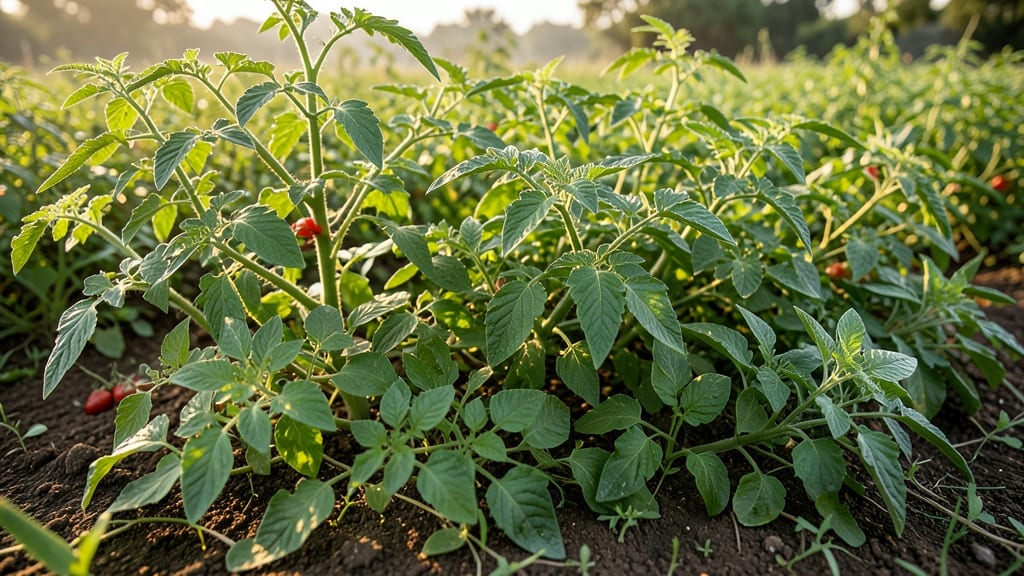
Tired of battling weeds in your tomato patch? Mustard greens grow fast enough to smother weeds before they sprout, while their pungent scent deters pests like squash bugs—a double win for busy gardeners.
Plant mustard greens as a living mulch between tomato seedlings, ensuring they get full sun and moist soil. In just 3-4 weeks, they’ll form a dense mat that blocks light from weeds. Harvest outer leaves for salads while leaving the center to keep suppressing weeds, or let them bolt for extra pest control.
This is the perfect solution for small-space gardeners or anyone who wants to reduce weeding time without sacrificing tomato yields. 💪
Endive for Pollinator-Friendly Gardens
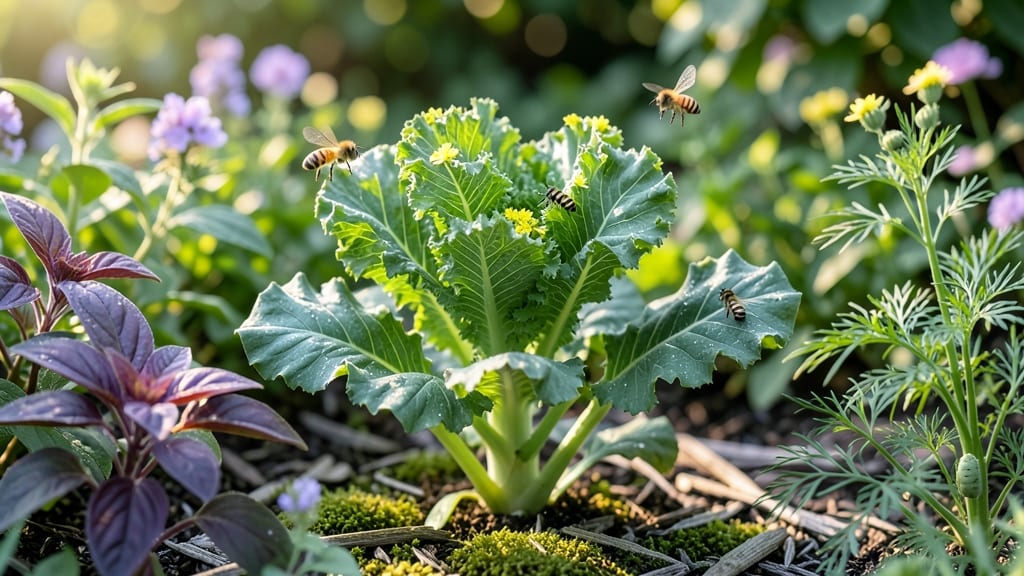
Want to create a buzzing, thriving garden that supports pollinators while keeping pests at bay? Endive is your secret weapon—a leafy green that doubles as a pollinator magnet and natural aphid repellent. This often-overlooked plant attracts bees and beneficial wasps while its strong scent deters common garden pests, making it a must-have for eco-conscious gardeners.
Plant endive in partial to full shade with moist, well-draining soil, and you’ll get a dual-purpose crop: harvest the tender leaves for salads or let it form tight, bitter heads for more intense flavor. The real magic happens when you pair it with carrots, as the endive’s scent confuses carrot flies, reducing damage to your root crops. For best results, sow seeds in early spring or late summer.
This versatile green is ideal for pollinator gardens, urban plots, or any space where you want to boost biodiversity. It’s a low-maintenance way to support your garden’s ecosystem while adding a unique, slightly bitter harvest to your kitchen. 🌟
Dandelion Greens for Medicinal Gardens
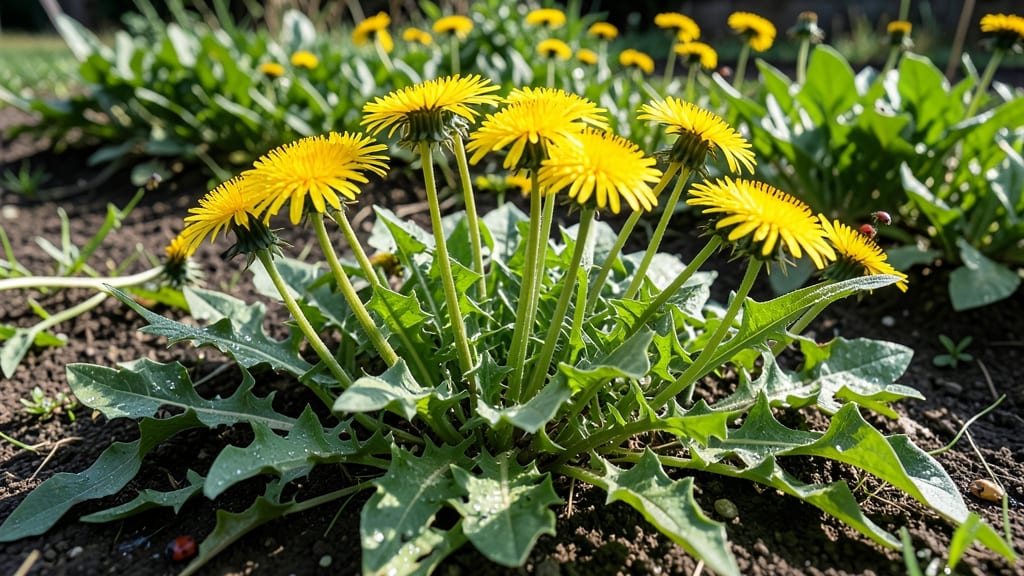
Skip the seed catalogs—your dandelions are already doing double duty in your garden. Those bright yellow blooms you’ve been pulling? Their nutrient-packed greens are edible, packed with vitamins A, C, and K, and act as a natural pest deterrent by attracting beneficial insects like ladybugs and lacewings.
Let them self-seed intentionally in sunny, well-drained areas—they thrive in poor soil and suppress weeds. Harvest young leaves (before flowering) by snipping outer leaves, leaving the center to regrow. Their deep roots also break up compacted soil, making them a permaculture powerhouse.
Perfect for medicinal gardens or low-maintenance beds, dandelions turn "weeds" into a zero-effort harvest while boosting biodiversity. 🌱
Pak Choi for Asian-Inspired Gardens

Transform your garden into a vibrant Asian-inspired plot with pak choi, a fast-growing leafy green that thrives in heat and pairs beautifully with radishes. This versatile crop not only deters root maggots but also adds striking purple stems to your harvest, perfect for stir-fries or fresh salads.
Plant pak choi in well-drained soil with full sun to partial shade, and expect harvests in just 30-50 days. Its shallow roots make it ideal for container gardening or small spaces, while its pest-repelling properties protect neighboring crops. For continuous harvests, succession plant every 2-3 weeks during warm months.
This leafy green is a game-changer for gardeners seeking quick yields and cultural diversity. 🌱