
Pests and Diseases
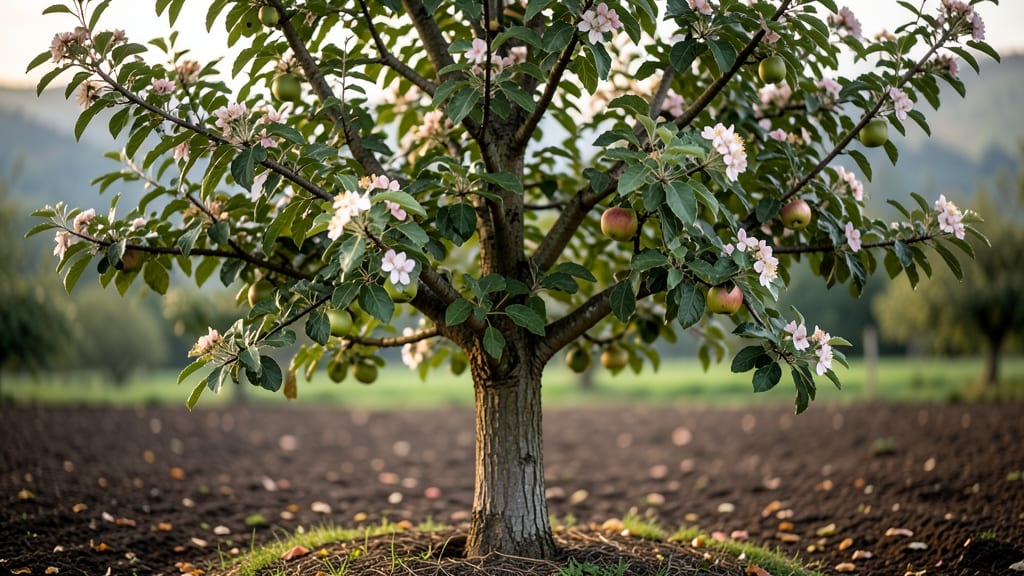
Your apple tree's leaves are screaming for help—literally. 🍎 Malus domestica leaf problems like powdery mildew or aphids can turn vibrant foliage into a sad, spotted mess, but organic solutions work better than chemicals.
I’ve saved my own trees using simple, nature-backed fixes that actually stop pests dead in their tracks.
The key is catching issues early—check leaves weekly for white powder, sticky residue, or tiny bugs. Most problems start small, and once you know what to look for, prevention becomes second nature.
My go-to remedies? A neem oil spray for aphids and a baking soda mix for fungal spots—both work within days without harming bees or your soil.
By summer’s end, your tree will be thriving with glossy, pest-free leaves and a bumper crop of apples. The best part? These methods keep working year after year, so you won’t need to start from scratch next season. Let’s turn those sad leaves into lush, healthy canopies.
Whether you’re dealing with mites, mildew, or just general leaf stress, the right approach makes all the difference. No more guessing—just proven, organic fixes that get results. Ready to rescue your tree?
📚 In This Guide
- What you need
- Instructions
- Tips and common mistakes
- Wrapping up and next steps
What you need
- ● Fresh or dried Malus domestica (apple tree) leaves: Quantity: 1–2 cups (fresh) or ½ cup (dried)
- ● Specifics: Must be pesticide-free (wild-harvested or organic sources preferred). Avoid leaves with spots or damage.
- ● Water: 2–3 cups (filtered or distilled for best results).
- ● Large pot or saucepan: 1–2 quart capacity (stainless steel or enamel-coated for even heating).
- ● Fine-mesh strainer or cheesecloth: For filtering leaf particles.
- ● Spray bottle: 8–16 oz (glass or BPA-free plastic, with a fine mist nozzle).
- ○ Optional add-ins (for enhanced effectiveness): Garlic or chili powder: 1 tsp (boosts repellent properties).
- ● Neem oil: 1 tsp (amplifies antifungal benefits).
- ● Kitchen knife or pruning shears: For harvesting leaves (if not pre-collected).
- ● Stove or hot plate: For boiling the infusion (or a slow cooker for low-heat extraction).
- ○ Gloves (optional): If handling large quantities of leaves or neem oil.
- ● Labeling materials: Masking tape + marker (to label your spray bottle).
- ● Safety note: Work in a well-ventilated area when boiling leaves to avoid inhaling fumes.
How to use Malus domestica leaves for natural pest control
Here's the simple, chemical-free method I've used for years to keep pests off plants.
🌿 Step 1: Harvest and Prepare the Leaves
Collect fresh, healthy leaves from your apple tree—avoid any that look yellowed or spotted. I like to pick them in the morning when they're still dew-covered, as this means they're at their peak freshness. You'll need about 1 cup of leaves per gallon of water for a strong infusion.
Rinse the leaves under cool water to remove any dirt or debris, then chop them finely using a pair of clean scissors or a knife. The smaller the pieces, the faster the beneficial compounds will infuse into the water. Place the chopped leaves in a large bowl or bucket—this is where the magic starts.
💧 Step 2: Create the Pest-Repelling Infusion
Pour 1 gallon of boiling water over the chopped leaves and let the mixture steep for at least 24 hours. I usually do this overnight in a covered container to keep out pests and debris. The longer it steeps, the stronger the infusion becomes—up to 48 hours is ideal for tougher pests.
After steeping, strain the liquid through a fine mesh sieve or cheesecloth into a clean spray bottle. The leftover leaf pulp can be composted—it's still nutrient-rich! Store the infusion in a cool, dark place for up to 1 week, though I find it works best when used fresh.
✂️ Step 3: Apply to Plants for Maximum Effect
Fill your spray bottle with the infused liquid and shake gently to mix. Test a small area of your plant first—some varieties can be sensitive to even natural treatments. Spray the leaves, stems, and soil around the base of the plant, focusing on areas where pests are most active.
Reapply every 5-7 days or after heavy rain, as the solution will wash away. You'll notice pests like aphids, mites, and even some beetles starting to avoid treated areas within 24 hours. For severe infestations, repeat the application 2-3 times over a week for best results.
☀️ Step 4: Maintain and Monitor Your Plants
Keep an eye on your plants after treatment—healthy leaves should remain vibrant, and pests should gradually disappear. If you see new signs of infestation, repeat the infusion process or try adding a few drops of mild liquid soap to the spray for extra effectiveness.
This method works best when used preventatively, so I recommend treating your plants every 2 weeks during peak pest seasons. The natural compounds in Malus domestica leaves act as a deterrent, not a killer, so pests will eventually leave your garden alone.
Tips & tricks for perfect apple leaf pest control
A few simple adjustments can make your natural pest control even more effective and convenient.
Harvest Timing: Always pick leaves in the early morning when they're still slightly damp from dew. This preserves the highest concentration of beneficial compounds that repel pests. I've found that leaves harvested after a light rain work exceptionally well too—they contain even more natural oils that pests dislike.
Infusion Strength: While the instructions recommend a 24-hour minimum steep, I've discovered that adding a pinch of sea salt (about 1 teaspoon per gallon) during the steeping process enhances the infusion's effectiveness. The salt helps preserve the active compounds longer, making your spray last even longer between applications.
Storage Solution: For maximum freshness, store your infusion in dark glass spray bottles rather than plastic. The glass protects the delicate compounds from light degradation, keeping the solution potent for the full week. If you notice any cloudiness or strong vinegar-like smell, it's time to make a fresh batch.
Application Technique: When spraying, focus on the undersides of leaves where many pests hide. Use a fine mist setting on your spray bottle to ensure even coverage. I've found that applying in the early evening gives the solution time to work overnight, often showing results by morning.
Pro Tips for Malus Domestica Leaf
- A few simple adjustments can make your natural pest control even more effective and convenient.
- Harvest Timing: Always pick leaves in the early morning when they're still slightly damp from dew.
- The salt helps preserve the active compounds longer, making your spray last even longer between applications.
Frequently asked questions
Can I use any part of the apple tree for pest control, or just the leaves?
The leaves are the star of the show! While other parts of the tree (like bark or fruit) aren’t typically used for pest control, the leaves contain natural compounds like quercetin and kaempferol that repel pests. Just crush or steep them for maximum effectiveness.
How long do apple leaves last as a natural pesticide?
Freshly crushed or steeped apple leaves work best within 1–2 weeks when stored in an airtight container in the fridge. For dried leaves, potency lasts 3–6 months if kept in a cool, dark place. Refresh your mixture if pests return or the smell fades.
Will apple leaves harm beneficial insects like bees or ladybugs?
Apple leaves are non-toxic to pollinators and beneficial insects when used correctly. However, avoid spraying directly on blooming plants (like fruit trees) to protect bees. Focus on foliage or soil applications instead.
What’s the best alternative if I don’t have apple tree access?
No apple tree? Try these Malus domestica-approved alternatives:
- Neem leaves – Crush and steep for a similar repellent effect.
- Garlic or chili pepper sprays – Spicy and effective against soft-bodied pests.
- Diatomaceous earth – A physical barrier for crawling insects (safe but messy).
Why aren’t my pests responding to apple leaf treatments?
If pests persist, check these troubleshooting steps:
- Reapply every 7–10 days—pests may rebuild resistance.
- Use enough leaves—aim for a 1:10 ratio (leaves to water) for strong infusions.
- Combine with other methods, like companion planting (e.g., marigolds or basil).
- Check for hidden pests—some (like aphids) thrive on undersides of leaves.
Wrapping up and next steps
Malus domestica (apple) leaves offer a powerful, natural way to combat pests without harsh chemicals—proving that Mother Nature’s solutions are often the best! 🌿 Whether you’re dealing with aphids, mites, or fungal issues, this organic approach is easy, cost-effective, and eco-friendly. Ready to give it a try? Start by harvesting leaves from your own apple trees (or a trusted organic source) and whip up your first batch of pest-fighting spray today.
Your garden—and the planet—will thank you! 🌱