
Leaf Blower
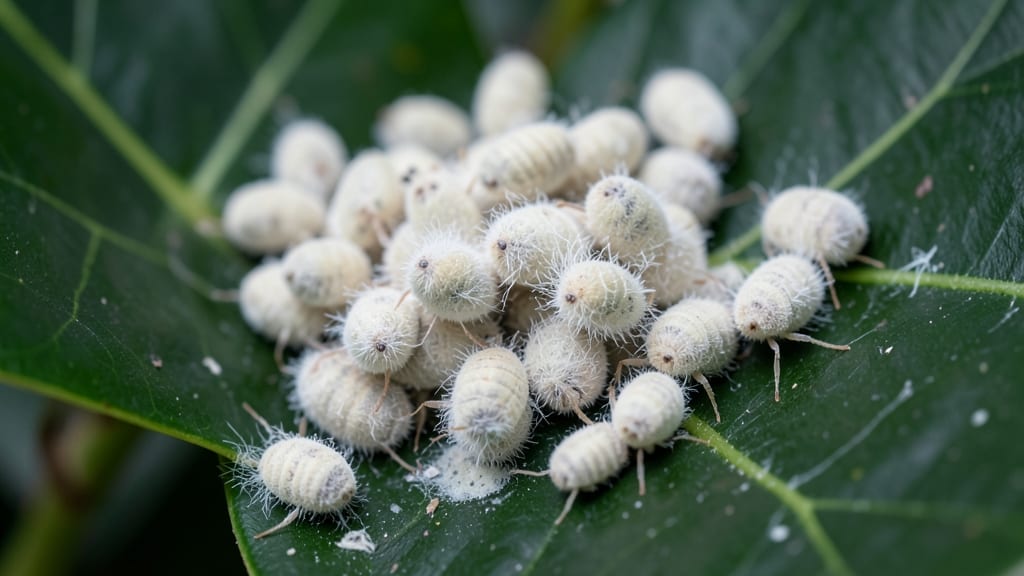
Mealybugs on fiddle leaf figs turn your glossy leaves into sticky, cottony messes—fast. 🌿 I’ve battled these pests myself, and the good news is that organic sprays can save your plant without harsh chemicals. The key is acting quickly before they spread to every leaf and stem.
These tiny white bugs thrive in dry conditions, hiding under leaves where they suck sap, leaving behind a sticky residue that attracts ants and soot mold. My fiddle leaf fig went from vibrant green to sad and sluggish in weeks—until I learned the right spray mix.
The solution combines simple, non-toxic ingredients you can find at any grocery store.
Within a week of treatment, you’ll see new growth pushing out, and the sticky mess will disappear. The leaves will regain their deep, velvety shine, and your plant will bounce back stronger than before. Plus, this method keeps your home safe for pets and kids.
Even if your plant looks hopeless now, don’t give up. Mealybugs respond fast to the right care, and with a few adjustments—like better humidity and regular inspections—you’ll prevent future infestations. Let’s get your fiddle leaf fig back to its stunning best.
Root Causes of Mealybug Infestations
Mealybugs may seem like a sudden nuisance on your fiddle leaf fig, but they’re usually the result of specific environmental or care-related triggers. Understanding these causes is the first step to preventing—and eliminating—them for good.
Below, we break down the most common reasons why these sap-sucking pests invade your plant, with clear explanations and actionable insights.
Mealybugs thrive in warm, stagnant air with high humidity (typically 70%+ relative humidity). Your fiddle leaf fig’s native habitat in West African rainforests may seem like a perfect match, but these pests exploit excessive moisture in the air and soil as a breeding ground.
- Why it happens:
- Mealybugs are sessile insects (they don’t fly far) but can spread rapidly via airborne moisture and crowded leaves.
- High humidity softens plant tissues, making them easier for mealybugs to pierce and feed on sap.
- Poor airflow around the plant creates microclimates where pests flourish, while healthy air circulation dries out their waxy coating, weakening them.
- Actionable fix:
- Use a hygrometer to monitor humidity—ideal levels for fiddle leaf figs are 40-60%.
- Increase ventilation with a small fan (set to low) near the plant, but avoid direct drafts.
- Wipe leaves with a damp cloth weekly to remove dust and reduce humidity buildup.
A stressed fiddle leaf fig releases volatile organic compounds (VOCs) that attract pests, including mealybugs. These signals are like a "help, I’m vulnerable" distress call to insects looking for easy meals.
- Why it happens:
- Overwatering (soggy soil) or underwatering (drought stress) both trigger osmotic stress in roots, making the plant leak more sap—a mealybug magnet.
- Nutrient deficiencies (especially potassium or magnesium) weaken cell walls, making them easier to penetrate.
- Physical damage (e.g., from repotting shock or pest bites) creates entry points for secondary infestations.
- Actionable fix:
- Check soil moisture with your finger—water only when the top 1-2 inches are dry.
- Fertilize lightly with a balanced, organic fertilizer (like fish emulsion) to boost plant resilience.
- Inspect new plants for hidden pests before introducing them to your collection.
Mealybugs often hitchhike on new plants, soil, or gardening tools, turning your home into an unintentional pest buffet. Even well-intentioned purchases can introduce these pests.
- Why it happens: - Infested nursery plants are the #1 source of mealybug outbreaks.
Pests hide in leaf axils, stems, or undersides of leaves, making them hard to spot. - Contaminated potting mix (especially reused or cheap blends) may contain egg sacs or dormant adults. - Shared tools (scissors, pots, or gloves) can transfer pests between plants.
- Actionable fix:
- Quarantine new plants for 4-6 weeks in a separate room before introducing them to your fiddle leaf fig.
- Inspect thoroughly—use a magnifying glass to check leaf undersides, stems, and soil surface.
- Sterilize tools with 70% isopropyl alcohol or a 10% vinegar solution between uses.
While fertilizer feeds your plant, excess sugars in the soil can attract mealybugs, which are drawn to sweet, nutrient-rich environments.
- Why it happens:
- Synthetic fertilizers (especially high-nitrogen ones) can leave residue on leaves and soil, creating a sticky film that mealybugs adore.
- Over-fertilizing disrupts the plant’s natural defenses, making it more susceptible to pests.
- Actionable fix:
- Flush the soil every 2-3 months with water to remove excess salts and sugars.
- Switch to organic fertilizers (like worm castings or compost tea), which break down slowly and reduce residue.
- Wipe leaves after fertilizing to remove any sticky deposits.
Mealybugs love cluttered, dusty environments where they can hide and spread undetected. Poor hygiene turns your fiddle leaf fig into a pest paradise.
- Why it happens:
- Dust buildup on leaves blocks stomata (pores), reducing photosynthesis and weakening the plant.
- Debris in pots (like old mulch or dead leaves) provides shelter and moisture for mealybugs.
- Tight plant spacing allows pests to jump or crawl from one plant to another effortlessly.
- Actionable fix:
- Clean leaves with a mild neem oil solution (1 tsp neem oil + 1 quart water) every 2 weeks.
- Repot if needed—use fresh, sterile potting mix and trim dead roots.
- Space plants at least 6-12 inches apart to improve airflow and visibility.
Simple Fixes for Sticky Leaf Scourges
Got those pesky mealybugs wreaking havoc on your fiddle leaf fig? Don’t panic—these soft, cottony critters are easier to evict than you think! Below, we’ve mapped out practical, organic solutions tailored to the root causes of your infestation, plus pro tips to keep your plant thriving.
Let’s tackle this step by step.
Before diving into treatments, identify the severity of the mealybug invasion. Check these hotspots:
- Undersides of leaves (their favorite hiding spot!)
- Leaf axils (where leaves meet stems)
- Stems and nodes (they love crevices)
- New growth areas (tender spots = easy meals)
Use a magnifying glass or your phone’s camera with a macro lens to spot tiny white clusters. If you see sticky residue (honeydew) on leaves below, that’s a sure sign of a mealybug party.
1. 👨🍳 Homemade Neem Oil Spray (Best for Early Stages)
Neem oil is a powerhouse against mealybugs—it disrupts their life cycle and deters future infestations. Here’s how to make it:
What You’ll Need:
- 1 tbsp neem oil (100% cold-pressed)
- 1 tsp mild liquid soap (like Castile soap)
- 1 quart water
- Spray bottle (preferably glass to avoid plastic absorption)
Steps:
- Mix the solution in a bowl, stirring well until the soap and oil emulsify.
- Shake before each use—neem oil separates over time.
- Spray thoroughly on all plant surfaces, including undersides and stems. Focus on infested areas but cover the whole plant for prevention.
- Reapply every 5–7 days for 2–3 weeks to break their life cycle.
✨ Pro Tip: Test the spray on a small leaf first to ensure it doesn’t cause browning. If it does, dilute the soap further.
2. 🥘 DIY Rubbing Alcohol Wipe (For Small Infestations)
If your fiddle leaf fig has few mealybugs, a quick rubbing alcohol wipe can zap them on contact. Alcohol dehydrates these pests instantly!
What You’ll Need:
- 70% isopropyl alcohol
- Cotton swabs or soft cloth
- Rubbing gloves (alcohol dries skin!)
Steps:
- Dampen a cotton swab with rubbing alcohol (don’t soak it—just enough to moisten).
- Gently wipe each mealybug, focusing on clusters. They’ll dissolve in seconds!
- Repeat daily for 3–5 days to catch any stragglers.
- Wipe leaves with a damp cloth afterward to remove residue.
⚠️ Warning: Avoid spraying alcohol directly on the plant—it can burn leaves. Stick to targeted swabbing.
3. 🔪 Soap Spray (Fast-Kill for Heavy Infestations)
A mild soap solution suffocates mealybugs by breaking their waxy coating. It’s cheap, fast, and non-toxic when used correctly.
What You’ll Need:
- 1 tbsp mild liquid soap (like Dr. Bronner’s or Dawn)
- 1 quart water
- Spray bottle
Steps:
- Mix soap and water in the bottle. Shake well.
- Spray directly on mealybugs until they’re covered in bubbles. Wait 10–15 minutes, then rinse with water.
- Repeat every 3–4 days until no more bugs are visible.
💡 Pro Tip: Add 1 tsp of vegetable oil to the mix to help the soap cling better to the bugs.
Mealybugs hate heat—this method is chemical-free and effective for stubborn infestations.
What You’ll Need:
- Hair dryer (or heat lamp)
- Plastic wrap (optional, for severe cases)
Steps:
- Isolate your plant in a bathroom or small room.
- Turn on the hair dryer to its highest heat setting (not hot air—actual heat!).
- Hold the dryer 6–12 inches away from the plant and direct heat at the infested areas for 1–2 minutes per side.
- Mealybugs will curl up and die from the heat.
- Repeat daily for 3–5 days to ensure all stages (eggs, nymphs, adults) are gone.
- Optional: Wrap the plant in plastic wrap for 24 hours after treatment to trap heat and suffocate any remaining bugs.
✨ Pro Tip: Do this early in the morning so the plant has time to recover before direct sunlight.
Once you’ve banished the bugs, lock them out with these habits:
- Inspect new plants before bringing them home—quarantine for 2 weeks in a separate room. - Wipe leaves regularly with a damp cloth to remove sticky residue and deter pests. - Avoid over-fertilizing—mealybugs love weak, stressed plants.
Stick to a balanced fertilizer every 2–3 months. - Improve airflow around your fiddle leaf fig—humidity and stagnant air attract pests. - Use beneficial insects like ladybugs or lacewings (available at garden centers) as a natural deterrent. - Repot in clean soil if the infestation was severe—old soil may harbor eggs.
If your fiddle leaf fig is severely infested (leaves wilting, heavy honeydew, or black sooty mold), it’s time to escalate:
- Systemic insecticide (like neem oil granules mixed into soil) for root-level treatment.
- Professional help if the plant is beyond saving—sometimes it’s better to propagate cuttings and start fresh.
Final Thought: Mealybugs are annoying but beatable with consistency. Stick to one method for at least 2 weeks, then reassess. Your fiddle leaf fig will be good as new—and so will your peace of mind! 🌿✨
Frequently asked questions
How do I know if my fiddle leaf fig has mealybugs?
Look for cottony white clusters in leaf axils, under leaves, or along stems. You’ll also spot sticky honeydew residue on lower leaves—this attracts ants and leads to black sooty mold. Use a magnifying glass to check hidden spots where these pests hide.
Can I use vinegar to kill mealybugs on my fiddle leaf fig?
Yes, but dilute it properly! Mix 1 part white vinegar with 3 parts water and spray directly on infested areas. Reapply every 3-4 days for 2 weeks. Avoid spraying on soil—vinegar can harm roots. Test on a small leaf first to check for sensitivity.
Why do mealybugs keep coming back after treatment?
Mealybugs have a 3-4 week life cycle, so eggs may survive initial treatments. Keep treating for at least 3 weeks to catch all stages. Also check for hidden infestations in soil or nearby plants—these pests spread quickly through contact.
Is it safe to use neem oil around pets?
When used correctly, neem oil is pet-safe in diluted form. Always use 100% cold-pressed neem oil mixed with water and soap (never undiluted). Keep pets away during application and rinse leaves after 24 hours to remove residue.
How can I prevent mealybugs from spreading to other plants?
Isolate infested plants immediately and clean tools with 70% isopropyl alcohol between uses. Wipe down surfaces near your plants and quarantine new plants for 2 weeks before introducing them to your collection. Regular leaf cleaning removes hiding spots.