
Pruning
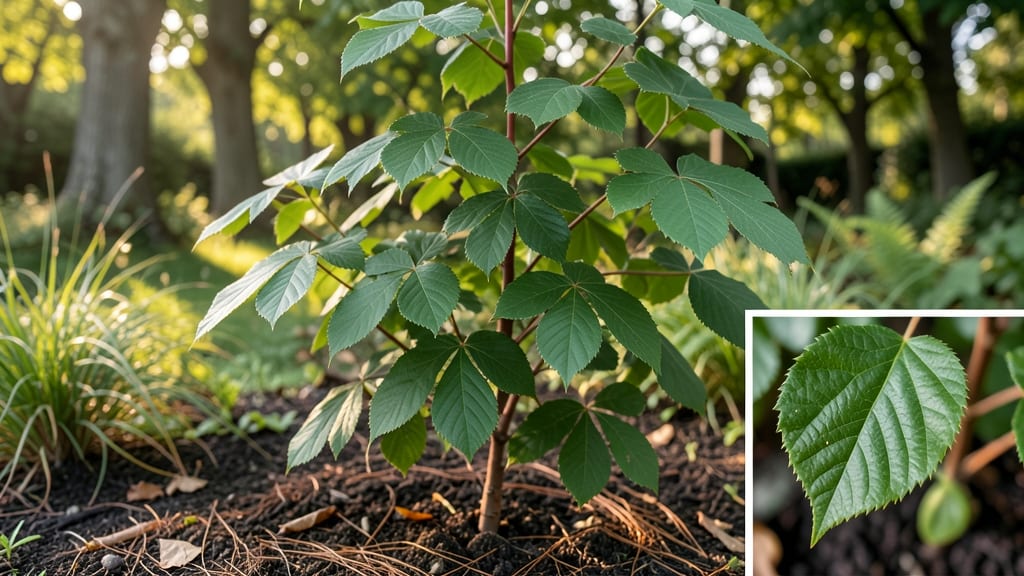
Spotting a mountain ash tree starts with its leaf identification—those pinnate, 5-9 inch clusters that look like feathered fans. 🌿 I’ve spent years confusing them with rowan or serviceberry, but mountain ash leaves have serrated edges and asymmetrical bases, plus a shiny green top and paler underside that gives them away.
The key is the leaflet arrangement: mountain ash has 5-11 leaflets per stem, while rowan (its close cousin) usually has 5-7 but with smoother edges. Check the vein pattern too—mountain ash veins branch out like a fine lace, creating small, triangular sections between them.
Healthy leaves stay bright green until fall, when they turn orange-red. But watch for yellowing edges (nutrient deficiency) or black spots (fungus)—both mean it’s time to adjust care. A quick leaf rub test reveals texture: mountain ash feels slightly rough on top, unlike the silky rowan.
This guide cuts through the confusion so you can ID your tree fast, whether it’s in your yard or a park. Next up: how to tell if those leaves are signaling trouble—or just thriving.
Understanding Leaf Changes in Mountain Ash
Mountain ash trees (Sorbus spp.) can exhibit leaf variations that may confuse even experienced gardeners. These changes often stem from natural biological processes, environmental stress, or pest/disease interactions.
Below, we break down the key reasons why mountain ash leaves might look different from the classic serrated, lobed, or toothed shapes you expect—along with actionable insights to help you identify the root cause.
Mountain ash trees, like many species, display genetic diversity within their populations.
This means: - Leaf shape differences: Some cultivars (e.g., Sorbus aucuparia ‘Edulis’) have more deeply lobed leaves, while others (e.g., Sorbus decora) may appear smoother or more rounded. - Size variations: Leaves can range from 2–6 inches long, depending on the tree’s age, location, and subspecies. - Color shifts: Young leaves often emerge reddish or bronze, then transition to green—this is normal and not a sign of distress.
Actionable tip: 📖 Consult a local nursery or arborist to confirm the exact species or cultivar in your yard. A simple leaf rub (friction test) can also reveal subtle differences in texture or vein patterns.
Extreme or sudden changes in the environment can alter leaf appearance. Common triggers include:
| Stress Type | Leaf Symptoms | Likely Cause | Solution |
|---|---|---|---|
| Drought | Wilting, curled edges, brown tips | Soil moisture deficiency | Water deeply 1–2x/week; mulch to retain moisture |
| Heatwave | Scorched spots, yellowing (chlorosis) | High temperatures + low humidity | Provide afternoon shade; prune for airflow |
| Cold Damage | Blackened, mushy leaves (early spring) | Late frost after bud break | Plant in sheltered areas; avoid early pruning |
| Wind Exposure | Ragged, torn edges | Physical abrasion | Plant windbreaks or stake young trees |
Pro tip: 🌡️ Monitor your tree’s microclimate—mountain ash thrives in partial shade but can suffer in full sun + dry soil. Adjust care based on your region’s climate zones.
Mountain ash trees are susceptible to several pests and diseases that distort leaf growth or color. Here’s how to spot them:
🐛 Insect-Related Issues
- Aphids/Mites: Tiny webs, stippling (tiny white dots), or curled leaves.
- Why it happens: These sap-suckers inject toxins, causing leaves to pucker or yellow.
- Fix: Blast off with water; use neem oil or insecticidal soap.
- Japanese Beetles: Skeletonized leaves (chewed edges, veins remain).
- Why it happens: Adult beetles feed on foliage, preferring mountain ash.
- Fix: Handpick beetles; apply milky spore or kaolin clay as a deterrent.
🍄 Fungal and Bacterial Infections
- Powdery Mildew: White, powdery coating on upper leaf surfaces.
- Why it happens: Fungal spores thrive in humid, low-light conditions.
- Fix: Improve airflow; spray with baking soda solution (1 tsp/L water).
- Fire Blight: Wilting, blackened leaves with oozing cankers on branches.
- Why it happens: Erwinia amylovora bacteria spread via rain/splash.
- Fix: Prune infected branches 6 inches below damage; sterilize tools with rubbing alcohol.
Warning: ⚠️ If leaves drop prematurely or branches die back, fire blight or canker diseases may be at play—act fast to prevent spread.
Mountain ash trees are light feeders, but poor soil can lead to telltale leaf symptoms:
| Deficiency | Visual Clues | How to Fix It |
|---|---|---|
| Iron (Chlorosis) | Yellowing between veins (palm frond look) | Apply chelated iron or compost tea |
| Nitrogen | Pale green/yellow leaves, stunted growth | Top-dress with aged manure or slow-release fertilizer |
| Magnesium | Yellow patches between veins (older leaves first) | Use Epsom salt (1 tbsp/gallon water) as a foliar spray |
Soil test tip: 💡 Test your soil’s pH—mountain ash prefers slightly acidic to neutral (6.0–7.0). Amend with sulfur if pH is too high.
Not all leaf oddities are problems!
Mountain ash trees undergo predictable life stages that mimic distress: - Spring flush: New leaves may appear lopsided or crinkled as they unfurl—this is normal. - Fall senescence: Leaves turn yellow, orange, or red before dropping, signaling dormancy. - Dormant buds: Tiny, scaly buds on branches can resemble pests—they’re harmless and will sprout next spring.
When to worry: If leaves fail to emerge in spring or drop unexpectedly in summer, investigate environmental or pest causes.
Quick Fixes for Mountain Ash Leaf Issues
When your mountain ash tree’s leaves start looking less than vibrant, it’s time to roll up your sleeves and take action! Whether it’s discoloration, spots, or unusual shapes, the right approach can restore your tree’s health.
Below, we’ve mapped common problems to practical solutions—plus tips to keep your mountain ash thriving long-term.
Cause: Mountain ash trees often suffer from nutrient imbalances, especially iron or nitrogen deficiencies, or from soggy roots due to overwatering.
How to Fix It: 🔥 Test Your Soil – Grab a soil test kit (available at garden centers) to check pH and nutrient levels. Mountain ash prefers slightly acidic soil (pH 5.0–6.5). If the soil is too alkaline, amend it with peat moss or sulfur to lower pH.
👨🍳 Fertilize Correctly – Use a balanced, slow-release fertilizer (like 10-10-10) in early spring. For iron deficiency (chlorosis), apply chelated iron or iron sulfate granules. Follow package instructions—overdoing it can burn roots!
🥘 Adjust Watering Habits – Mountain ash trees hate "wet feet."
Ensure the soil drains well by: - Planting in a slightly elevated area (or mounding soil around the base). - Watering deeply but infrequently (1–2 inches per week, except in drought). - Avoiding mulch piles directly against the trunk (keep 3–4 inches away).
💡 Pro Tip: Yellowing leaves on new growth often signal iron deficiency, while older leaves turning yellow may mean nitrogen needs. Act accordingly!
Cause: Fungal diseases (like anthracnose or leaf spot) or pests (such as tent caterpillars or Japanese beetles) can turn your mountain ash leaves into a Swiss cheese buffet.
How to Fix It: 🔪 Prune Infected Branches – Use sterilized pruners to remove and dispose of (not compost!) severely damaged leaves or branches. Thin out the canopy to improve airflow, which reduces humidity—fungi’s favorite environment.
🌡️ Apply Fungicides Early – If you spot black or brown spots, treat with a copper-based fungicide (like Bordeaux mixture) or a neem oil spray (great for prevention too). Reapply every 2–3 weeks during wet seasons.
🎯 Combat Pests Naturally –
- Tent caterpillars? Prune and destroy nests, then spray with Bt (Bacillus thuringiensis), a bacteria-based pesticide safe for pollinators.
- Japanese beetles? Handpick them into soapy water or use milky spore for long-term control.
- Aphids or mites? Blast them off with a strong water spray or use insecticidal soap.
✨ Prevention Hack: Install row covers in early spring to block pests before they arrive. Also, mulch with wood chips (not fresh grass clippings) to deter fungal spores.
Cause: Mountain ash trees are sensitive to drought, extreme heat, or windburn, causing leaves to curl, pucker, or develop odd shapes.
How to Fix It: 💧 Deep Watering Sessions – Instead of frequent shallow watering, soak the root zone every 7–10 days (more in summer heat). Use a soaker hose to deliver water slowly.
🌡️ Shade Cloth for Young Trees – If your tree is in a hot, sunny spot, drape 30–50% shade cloth over it during peak summer (10 AM–4 PM). This prevents heat stress without stunting growth.
🌬️ Windbreak Barrier – If your tree is exposed to strong winds, plant a hedge or fence on the windward side to reduce desiccation. Alternatively, stake young trees temporarily for support.
💡 Pro Tip: Mulch with 3–4 inches of organic mulch (like pine straw or shredded bark) to retain moisture and regulate soil temperature.
Cause: Root rot (from overwatering) or vascular diseases (like phytophthora) can cut off water flow, causing leaves to wilt even when the soil is moist.
How to Fix It: ⏰ Act Fast – If the tree is still alive (tap the bark—if it’s soft, it’s dead), reduce watering immediately and let the soil dry out between waterings.
🔪 Check for Root Rot – Gently dig around the roots (if possible). Healthy roots are white or tan; mushy, black roots mean rot. If rot is severe, you may need to dig up and replace the tree.
🌱 Improve Drainage – Amend the soil with perlite or coarse sand to aerate compacted areas. If planting a new mountain ash, raise the root ball slightly above ground level.
💡 Prevention: Never let the tree sit in standing water. If your yard floods often, consider planting in a raised bed.
Final Thought: Most mountain ash leaf problems are preventable with proper care. Once you identify the issue, act quickly—these trees are resilient but need a little TLC to bounce back! 🌿🔧
Frequently asked questions
How do I tell if my tree is a mountain ash vs. a rowan?
Mountain ash leaves have 5-11 leaflets per stem with serrated edges and an asymmetrical base. Rowan leaves usually have 5-7 leaflets with smoother edges and a more rounded base. Rub the leaves: mountain ash feels slightly rough on top, while rowan is silky.
Why are my mountain ash leaves turning yellow?
Yellowing leaves often signal iron deficiency (chlorosis) or overwatering. Check if new leaves are yellowing (iron) or older ones (nitrogen). Test soil pH—mountain ash prefers 5.0-6.5. For chlorosis, apply chelated iron or compost tea.
Can I identify mountain ash trees by their leaves in winter?
While leaves are gone, look for buds along branches—mountain ash has oval, pointed buds in clusters. The bark is another clue: it’s gray-brown with horizontal lenticels. Check for berry clusters (if still present) which are orange-red when ripe.
Are mountain ash leaves toxic to pets?
Yes, all parts of mountain ash trees are toxic to dogs and cats if ingested. The leaves contain cyanogenic glycosides which can cause vomiting, diarrhea, or weakness. Keep pets away from fallen leaves and berries—contact a vet immediately if ingestion occurs.
How do I know if my mountain ash has pests?
Watch for tiny webs (aphids/mites), chewed edges (Japanese beetles), or blackened spots (fire blight). Examine leaf undersides for eggs or larvae. Shake branches over a white sheet—pests will fall onto it. Treat with neem oil or insecticidal soap for mild infestations.