
Leaf Blower
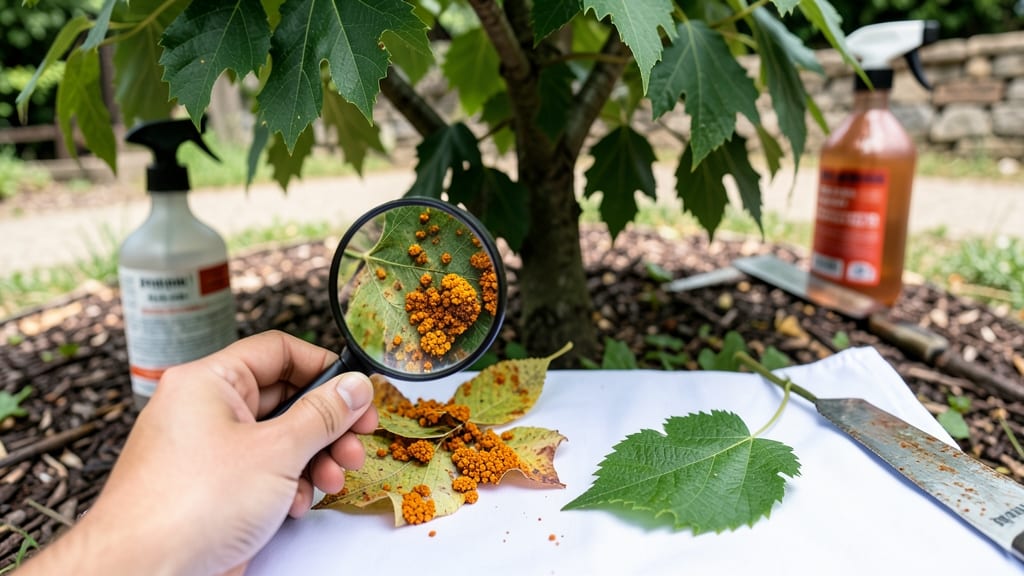
That rusty orange dust on your mulberry leaves isn't just unsightly—it's mulberry leaf rust, a stubborn fungal infection that weakens trees and shrubs if left unchecked. 🌿 I've seen it turn vibrant foliage into a defoliated mess, but there's a copper-free organic solution that actually works.
The problem starts with warm, humid conditions that let fungal spores thrive. Those orange spots you're seeing? They're actually tiny mushroom-like structures pumping out more spores. The good news is that prevention and early treatment can save your plants—no harsh chemicals required.
We'll focus on a 3-step organic spray that stops rust in its tracks while keeping your mulberry healthy. You'll need basic kitchen ingredients, a spray bottle, and about 15 minutes of your time. The results?
Leaves stay green, growth stays strong, and you avoid the copper residue that can build up in soil. This method works for both container-grown mulberries and in-ground trees. Let's get those leaves back to their full, rust-free glory.
Root Causes Of Leaf Fungal Spread
Fungal infections like mulberry leaf rust don’t appear out of nowhere—they’re the result of a perfect storm of environmental and plant health factors. Understanding these triggers helps you take proactive steps to prevent outbreaks before they cripple your mulberry trees. Here’s why fungal spores take hold and multiply aggressively:
Fungi thrive in damp conditions, and mulberry leaves are especially vulnerable when moisture lingers. Here’s how water plays a role:
- Overnight dew or rain: Spores germinate best in 12–24 hours of leaf wetness. If your tree’s canopy stays damp (e.g., from heavy dew or frequent light rains), rust spores activate and penetrate leaf tissue within hours.
- Poor soil drainage: Waterlogged roots weaken the tree’s immune response, making leaves more susceptible to infection. Test your soil: If water pools after rain, amend with compost or perlite to improve aeration.
- Overhead irrigation: Sprinklers that wet foliage (instead of drip systems) create ideal spore dispersal conditions. Switch to soaker hoses or drip irrigation to keep leaves dry.
Pro tip: 🌡️ Monitor humidity—aim for <10 hours of leaf wetness per day. Use a hygrometer near your trees to track conditions.
A healthy mulberry tree fights off pathogens, but stress opens the door for rust. Common stressors include:
| Stressor | How It Helps Rust Spread | Fix It |
|---|---|---|
| Nutrient deficiencies (especially nitrogen or iron) | Weak leaves can’t produce cutin (a waxy protective layer), making them easier targets for spores. | Test soil and amend with organic compost or fish emulsion. |
| Physical damage (pruning wounds, hail, pests) | Open wounds let spores enter directly into the plant’s vascular system. | Prune in dry weather and seal cuts with pruning sealant. |
| Competition from weeds or overcrowding | Limited sunlight and resources stunt growth, reducing the tree’s ability to resist disease. | Mulch 3–4 inches deep with wood chips and thin out nearby plants. |
Pro tip: ✨ Hardened mulberry trees (3+ years old) resist rust better—focus on gradual, balanced fertilization to build resilience.
Rust fungi (Puccinia spp.) are obligate parasites, meaning they must infect a host to survive. Here’s how spores spread:
- Windborne spores: Rust spores can travel miles on wind currents. If nearby plants (like sumac, barberry, or other mulberries) are infected, your tree is at high risk.
- Contaminated tools or clothing: Pruners, gloves, or even your shoes can carry spores from infected leaves to healthy ones. Disinfect tools with 70% alcohol between uses.
- Alternate hosts: Some rust fungi require two host plants to complete their lifecycle (e.g., mulberry + barberry). Removing alternate hosts breaks the cycle.
Pro tip: 🔍 Inspect new plants for rust before adding them to your garden—quarantine suspicious leaves for 2 weeks to monitor symptoms.
Rust fungi have a sweet spot for growth:
- Temperature range: Spores germinate best between 60–75°F (15–24°C). Cooler nights (<50°F/10°C) slow rust development, while extreme heat (>90°F/32°C) can kill spores.
- Humidity levels: Relative humidity above 75% for prolonged periods triggers spore release and infection. Use a dehumidifier in greenhouses or shade cloths to reduce moisture.
Pro tip: 🌡️ Time your pruning—avoid heavy cuts during peak rust season (spring to early summer) when spores are most active.
Reviving Your Mulberry Leaves Naturally
Fungal infections like leaf rust can feel like a losing battle, but with the right approach, your mulberry tree can bounce back—without harsh chemicals. Below are practical, organic solutions tailored to the root causes of leaf rust, from immediate fixes to long-term prevention.
If rust spots are already visible, act fast to prevent further damage.
🔥 Remove Infected Leaves Immediately
- Why? Fungal spores thrive on old, diseased leaves and spread to new growth.
- How?
- Snip off yellow-orange pustules with clean pruners (sterilize with rubbing alcohol).
- Bag and compost infected leaves separately (do not add to garden beds).
- Pro Tip: 💡 Remove leaves before they drop—fallen spores can reinfect soil.
🍳 Apply a Copper-Free Organic Spray
Skip chemical fungicides and try these effective, plant-safe alternatives:
| Solution | How to Use | Frequency |
|---|---|---|
| Neem Oil Spray | Mix 1 tbsp neem oil + 1 tsp mild soap + 1 quart water. Shake well and spray undersides of leaves (where spores hide). | Every 7–10 days until new growth appears. |
| Baking Soda Spray | Combine 1 tbsp baking soda + 1 quart water + few drops of dish soap. Spray early morning to avoid leaf burn. | Weekly during wet seasons. |
| Potassium Bicarbonate | Dissolve 1 tbsp potassium bicarbonate + 1 tsp oil (to stick) + 1 gallon water. Spray thoroughly. | Every 2 weeks for prevention. |
⚠️ Important: Always spray early morning or late evening to avoid sunburn on leaves.
A weak tree invites pests and disease. Feed your mulberry properly to build resilience.
🥗 Improve Soil Drainage & Aeration
- Problem: Waterlogged soil encourages fungal growth.
- Fix:
- Test soil pH (ideal: 6.0–7.0 for mulberries).
- Amend with compost or aged manure to improve structure.
- Pro Tip: 🌡️ Mulch with wood chips (not fresh sawdust) to regulate moisture.
💪 Fertilize for Strong Growth
- Use: A balanced organic fertilizer (e.g., 10-10-10 or fish emulsion).
- When? Apply early spring before new leaves emerge.
- Avoid: High-nitrogen fertilizers—they promote soft, rust-susceptible leaves.
🌿 Prune for Better Airflow
- Why? Crowded branches trap moisture, perfect for fungal spores.
- How?
- Remove dead, crossing, or overcrowded branches.
- Thin out inner foliage to let sunlight and air circulate.
- Pro Tip: ✨ Prune on a dry day to prevent spreading spores.
Once your tree recovers, keep rust at bay with these habits:
- 🌧️ Water at the Base – Avoid wetting leaves (use drip irrigation).
- 🍂 Clean Up Debris – Rake and remove fallen leaves twice a year.
- 🛡️ Monitor & Act Early – Check leaves weekly during rainy seasons.
- 🌱 Choose Resistant Varieties – If replanting, pick rust-resistant mulberry types (e.g., Morus alba ‘Illinois Everbearing’).
Final Thought: 🎯 With consistent care, your mulberry tree can fully recover from rust in 4–6 weeks. The key? Act fast, strengthen the tree, and break the fungal cycle. No chemicals needed!
Frequently asked questions
What do mulberry leaf rust spots actually look like?
Look for small, bright orange-yellow pustules on the undersides of leaves—these are the fungal spores. Over time, the spots may turn brown and spread, causing leaves to yellow and drop prematurely. The rust appears most prominently in damp, shaded areas of the tree.
Can mulberry leaf rust spread to other plants in my garden?
Yes, some rust fungi require alternate hosts like barberry or sumac to complete their lifecycle. If these plants grow nearby, they can harbor the fungus and reinfect your mulberry. Remove any infected alternate hosts and maintain a 3-foot buffer zone between mulberry trees and other plants.
How often should I apply organic sprays for mulberry leaf rust?
Apply neem oil or baking soda sprays every 7–10 days during active growth (spring to early summer) when spores are most active. For prevention, use potassium bicarbonate every 2 weeks during humid months. Always spray in the early morning or evening to avoid leaf burn.
Will pruning help stop mulberry leaf rust from spreading?
Prune to remove infected leaves and improve airflow. Cut out yellow-orange pustules with sterilized tools and dispose of them in sealed bags. Thin crowded branches to reduce humidity, and always prune on dry days to prevent spreading spores through the air.
Can mulberry leaf rust kill my tree if left untreated?
While mulberry leaf rust rarely kills mature trees, severe infections can weaken growth, reduce fruit yield, and cause defoliation. Young trees are more vulnerable. Act quickly with organic sprays, proper pruning, and soil improvements to restore health and prevent long-term damage.