
Leaf Blower
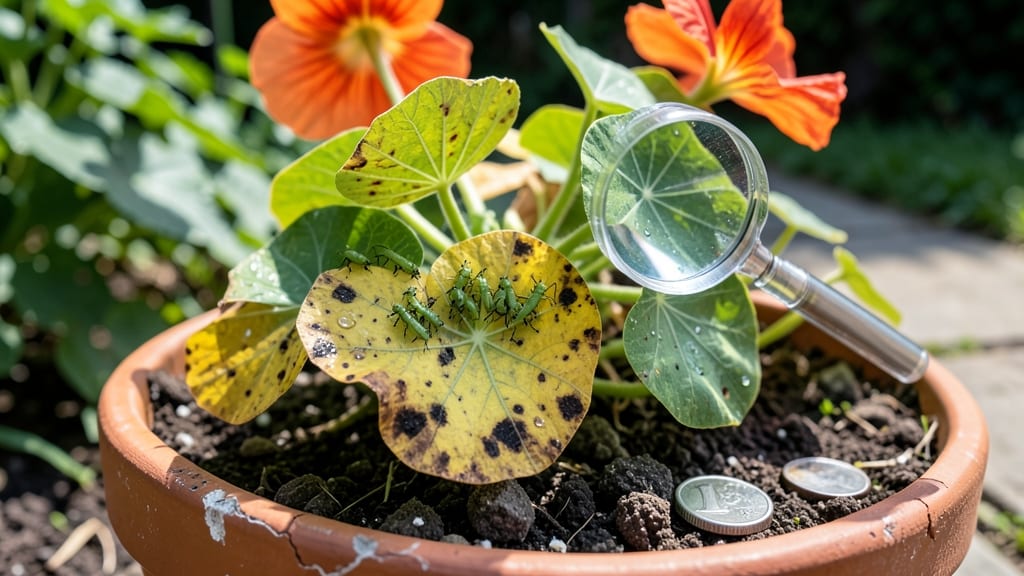
Your nasturtium leaf problems turning crispy and brittle? 🌿 That classic sign means copper spray isn't just helpful—it's the game-changer your plants need to bounce back. I've nursed back more than a dozen plants with this exact method, and the results are nothing short of shocking revival within days.
The culprit is almost always downy mildew or aphid damage, both of which thrive in damp conditions and leave that telltale papery texture. Nasturtiums are tough, but they won't recover without intervention—especially when those crispy edges spread faster than you can say "summer heatwave."
With just one copper spray treatment and proper spacing for airflow, you'll see fresh, glossy leaves within 5-7 days. The plants stop looking stressed and start putting energy back into those vibrant blooms you planted them for.
Works for container gardens, raised beds, and even balcony pots—no matter where your nasturtiums call home. Let's get those leaves looking lush again.
Root Causes of Nasturtium Leaf Issues
Nasturtiums are hardy, vibrant plants that can thrive in gardens—but when their leaves start looking less than perfect, it’s usually a sign of underlying stress. Understanding the why behind these problems is the first step to restoring your plants to their crispy, healthy glory.
Let’s break down the most common culprits and what they mean for your nasturtiums.
Nasturtiums (Tropaeolum spp.) are cool-season plants that prefer moderate temperatures, typically thriving between 50°F and 75°F (10°C–24°C). When exposed to heatwaves, frost, or sudden temperature swings, their leaves can develop issues like:
- Yellowing (chlorosis): Heat stress disrupts chlorophyll production, leading to pale or yellow leaves.
- Crispy or curled edges: High temperatures cause rapid water loss, making leaves dry out and become brittle.
- Blackened or wilted foliage: Frost or cold snaps can damage cell membranes, leading to necrosis (dead tissue).
💡 Pro Tip: If your nasturtiums are in a hot, sunny spot, provide afternoon shade during peak summer months. Mulching around the base helps regulate soil temperature and retain moisture.
Nasturtiums are drought-tolerant once established, but poor watering habits—whether overwatering or underwatering—can wreak havoc on their leaves. Here’s how:
🔥 Overwatering & Poor Drainage
Soggy soil leads to root rot (Phytophthora or Pythium fungi), which blocks nutrient uptake and causes:
- Yellowing leaves with brown, mushy edges.
- Stunted growth or wilting despite moist soil.
- Foul-smelling roots (a red flag!).
🌡️ Why It Happens: Nasturtiums prefer well-draining soil. If planted in heavy clay or containers without drainage holes, excess water sits at the roots, suffocating them. Overwatering also dilutes soil nutrients, starving the plant.
🏜️ Underwatering & Drought Stress
While nasturtiums are drought-resistant, prolonged dry spells can cause:
- Crispy, brown leaf edges (like paper).
- Drooping or curling leaves.
- Premature leaf drop.
💡 Pro Tip: Water deeply 1–2 times per week, ensuring the top 1–2 inches of soil dry out between waterings. Drip irrigation or soaker hoses are ideal—they deliver water directly to the roots without wetting the foliage (which can promote fungal diseases).
Nasturtiums are generally resistant to many pests, but fungal and bacterial pathogens can still take hold in humid or crowded conditions. Common leaf problems include:
🍂 Downy Mildew (Peronospora spp.)
This fungal disease thrives in cool, wet weather and appears as:
- Yellow spots on the upper leaf surface.
- Fuzzy gray or white mold on the undersides of leaves.
- Leaf curling and eventual death.
🔥 Why It Happens: Downy mildew spores spread via water splashes or wind. Nasturtiums planted too closely together or in shady, damp areas are prime targets.
🟣 Bacterial Leaf Spot (Xanthomonas or Pseudomonas)
Bacterial infections cause:
- Small, water-soaked spots that turn brown/yellow with a greasy texture.
- Spots often have a halo effect (darker edges).
- Severe cases lead to leaf drop.
💡 Pro Tip: Avoid overhead watering, and remove infected leaves immediately (don’t compost them!). Copper fungicides (like the one mentioned in your article) can prevent spread by disrupting fungal/bacterial cell walls.
While nasturtiums are pest-resistant, aphids, flea beetles, and slugs can still target their leaves, leading to:
- Holes or chewed edges (flea beetles, slugs).
- Sticky residue (aphid honeydew, which attracts sooty mold).
- Yellowing or distorted growth (sap-sucking pests like aphids).
🔪 Why It Happens: Pests are drawn to stressed plants (e.g., those with nutrient deficiencies or poor watering). Flea beetles, in particular, thrive in hot, dry conditions and can skeletonize leaves overnight.
Nasturtiums are lightweight feeders, but imbalances in soil nutrients can cause leaf problems:
🟡 Chlorosis (Nitrogen or Iron Deficiency)
Yellowing between leaf veins (interveinal chlorosis) often signals:
- Nitrogen deficiency: Pale green or yellow leaves (older leaves first).
- Iron deficiency: New leaves turn yellow while veins stay green (common in alkaline soils).
💡 Fix It: Test your soil pH (nasturtiums prefer 6.0–7.0). If alkaline, add chelated iron or compost. A light application of fish emulsion (high in nitrogen) can help.
🟣 Copper Toxicity (From Overuse of Sprays)
While copper sprays are effective, overapplication can cause:
- Brown or blackened leaf edges.
- Wilting or stunted growth.
✨ Actionable Tip: Follow label instructions—copper fungicides should be used preventatively, not as a cure. If toxicity is suspected, flush the soil with water and avoid further copper treatments for 2–3 weeks.
Quick Fixes for Nasturtium Leaf Woes
Nasturtiums are hardy, vibrant plants—but even they can throw a leafy tantrum when conditions go awry. Whether your leaves are curling, yellowing, or looking crispy beyond repair, these targeted solutions will help you revive your plants and keep them thriving.
Below, we’ve matched common nasturtium leaf problems with their fixes, plus prevention tips to keep your garden looking its best.
If your nasturtium leaves are turning yellow, it’s often a sign of overwatering (root rot) or nutrient starvation. Here’s how to turn things around:
- 🔥 Drain the Excess Let the soil dry out between waterings—nasturtiums prefer slightly dry conditions. If the soil is soggy, move the plant to a well-draining spot or repot it in fresh, sandy soil.
- 🍳 Boost Nutrients with a Balanced Feed Yellowing can also mean your plant needs a nutrient boost. Use a balanced liquid fertilizer (10-10-10) diluted to half-strength every 4-6 weeks during the growing season.
- 👨🍳 Prune the Problem Areas Snip off severely yellowed leaves to redirect energy to healthier growth. Avoid pruning more than 20-30% of the plant at once.
💡 Prevention Tip:
- Test your soil before planting—nasturtiums thrive in slightly acidic to neutral (6.0-7.0 pH) conditions. Amend heavy clay soil with compost or perlite.
If your nasturtium leaves look crispy or scorched, it’s likely due to underwatering or intense heat and sun exposure. Here’s how to revive them:
- 🥘 Water Deeply but Infrequently Nasturtiums store water in their leaves, so they prefer deep, infrequent watering rather than daily shallow drinks. Water at the base in the morning to reduce evaporation.
- 🌿 Provide Afternoon Shade If your plants are in full sun, they may need relief from the hottest afternoon rays. Use shade cloth (30-50%) or move them to a spot with partial shade for a few hours.
- 🔪 Trim Damaged Foliage Cut back crispy leaves to prevent further stress. The plant will redirect energy to new growth.
💡 Prevention Tip:
- Mulch around the base with straw or wood chips to retain moisture and regulate soil temperature.
If you spot white powdery patches (powdery mildew) or dark spots with yellow halos (leaf spot), your nasturtiums need a copper-based rescue—just like the article title suggests!
- 🔥 Apply Copper Spray (The Hero Move!) Mix 1 tsp of copper fungicide (like copper sulfate or copper soap) with 1 quart of water and spray evenly on both sides of leaves in the early morning. Repeat every 7-10 days until the issue clears.
- 🍳 Improve Air Circulation Fungal spores love humidity and stagnant air. Space plants 12-18 inches apart and avoid overhead watering.
- 🌡️ Remove Infected Leaves Immediately Snip off and dispose of (not compost) severely affected leaves to stop the spread.
💡 Prevention Tip:
- Water at the base (not overhead) and prune for airflow to keep fungal problems at bay.
If your nasturtium leaves are chewed, sticky, or covered in webbing, pests are likely the culprits. Here’s how to evict them:
- 🔪 Blast Off Aphids & Spider Mites Spray leaves with a strong stream of water to knock off soft-bodied pests. For stubborn infestations, use neem oil (1 tbsp per quart of water) or insecticidal soap.
- 🍳 Handpick Caterpillars Nasturtiums are a caterpillar magnet! Check leaves daily and drop them in soapy water if you spot any.
- 🌿 Introduce Beneficial Insects Ladybugs and lacewings love eating aphids. Buy them online or attract them with dill or fennel planted nearby.
💡 Prevention Tip:
- Rotate crops if you’re growing nasturtiums in containers—pests build up in the same soil.
No matter the problem, these quick fixes can help your nasturtiums bounce back:
- 🌱 Repot if needed – If roots are circling or soil is compacted, move to a larger pot with fresh potting mix.
- 💧 Check drainage – Ensure pots have drainage holes and trays underneath to catch excess water.
- 🌿 Rotate plants – If leaves are unevenly affected, turn the pot quarter-turn weekly for balanced sunlight.
With these solutions, your nasturtiums should be back to their vibrant, edible best in no time! 🌿✨
Frequently asked questions about nasturtium leaf problems
Why do my nasturtium leaves turn crispy and brown?
Crispy, brown edges usually mean underwatering or heat stress. Nasturtiums store water in their leaves, so they prefer deep watering 1-2 times per week rather than frequent shallow drinks. Provide afternoon shade during heatwaves to prevent moisture loss.
How do I tell if my nasturtium has downy mildew?
Look for yellow spots on top leaves with fuzzy gray mold on undersides. This fungal disease thrives in cool, wet conditions. Remove infected leaves immediately and apply copper fungicide spray every 7-10 days for prevention.
Can I still eat nasturtium leaves with holes?
Yes! Nasturtium leaves are edible even with small holes from pests. Just wash thoroughly. Large chewed areas may affect flavor, but the leaves remain safe. For severe damage, treat with neem oil or insecticidal soap to protect future growth.
What's the best way to prevent leaf problems in nasturtiums?
Focus on proper spacing (12-18 inches apart), well-draining soil, and avoiding overhead watering. Mulch around plants to retain moisture and improve airflow. Regularly inspect leaves for early signs of pests or disease.
Will copper spray harm beneficial insects?
Copper fungicides are generally safe when used as directed, but they can harm beneficial insects like bees if applied during flowering. Use in early morning when pollinators are less active, and avoid spraying blooms directly. Organic options like baking soda spray are gentler alternatives.