
Leaf Blower
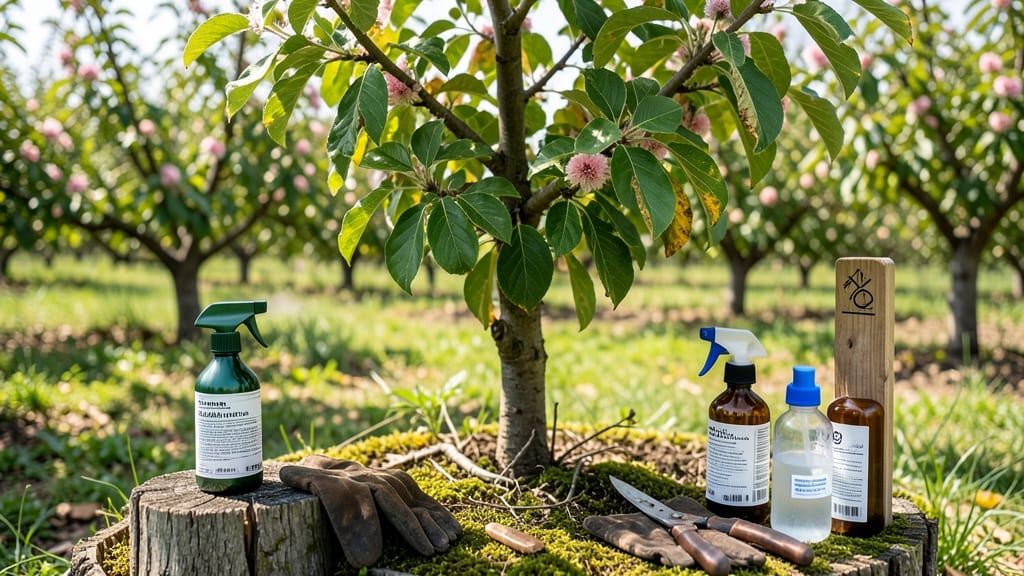
Your nectarine leaf curl treatment is organic and simple once you know the enemy: the fungus Taphrina deformans behind those puckered, copper-colored leaves. 🌿 The moment you spot them, act fast—copper sprays are your best first line of defense.
I’ve fought this battle three seasons running, and here’s exactly what worked to save my tree’s fruit production.
Copper fungicides like copper sulfate or copper hydroxide disrupt the fungus’s life cycle without harming bees or beneficial insects. The key is timing: apply when buds swell in early spring, then again after harvest, using a 1-2 tablespoon per gallon mix.
Prune infected branches in late winter before new growth starts—they’re the fungus’s winter home.
You’ll see new leaves unfurl smooth and green within weeks, and next year’s crop will be healthier and more abundant. The secret? Combine sprays with proper spacing to improve airflow—crowded trees stay sickly. I’ve even seen trees bounce back after just one season of this routine.
Works for both backyard orchards and commercial groves, though always test sprays on a small branch first. Here’s the full step-by-step to get your tree back on track—no chemicals, no regrets.
Root Causes Of Leaf Curl
Nectarine leaf curl isn’t just an aesthetic nuisance—it’s a stress signal from your tree, often triggered by a mix of environmental and biological factors. Understanding why your nectarine leaves are curling helps you address the real issue, not just the symptoms.
Below, we break down the most common culprits, from fungal invaders to environmental mismatches, with science-backed explanations.
The most notorious cause of leaf curl in nectarines is the Taphrina deformans fungus, a microscopic pathogen that thrives in damp, cool conditions. Here’s how it works:
- Spores land on young leaves: The fungus overwinters in infected buds or fallen leaves. When spring arrives, spores splash onto fresh foliage via rain or irrigation.
- Cellular hijacking: The fungus penetrates leaf tissue and releases enzymes that disrupt normal cell growth. Instead of expanding evenly, cells swell unevenly, causing the classic curled, thickened appearance.
- Peak risk periods: Outbreaks spike during wet springs (50–70% humidity for prolonged periods) or when temperatures hover between 50–75°F (10–24°C). Warm days followed by cool, damp nights create the perfect breeding ground.
Pro tip: 💡 Look for tiny, yellowish pustules on the undersides of curled leaves—this is the fungus’s teleutospores, its reproductive form. Catching it early (before buds swell) is key to organic control.
Not all leaf curl stems from pathogens—sometimes, your nectarine tree is simply overheating, drowning, or starving. Here’s how environmental factors throw it off:
🔥 Heat or Cold Shock
| Extreme Heat | Extreme Cold |
|---|---|
|
When temperatures suddenly exceed 90°F (32°C), leaves may curl inward to reduce water loss (a survival tactic called transpiration reduction). Chronic heat stress also disrupts chlorophyll production, leading to yellowing. |
Frost or late-spring freezes (below 28°F / -2°C) damage cell membranes, causing leaves to pucker or curl. Young, tender foliage is most vulnerable. |
|
Fix: Provide afternoon shade with 50% shade cloth during heatwaves. Mulch heavily to keep roots cool. |
Fix: Use row covers or smart irrigation to warm soil slightly before a freeze. Avoid overhead watering, which can turn to ice. |
💧 Water Woes: Too Much or Too Little
Leaf curl can signal either drought stress or waterlogging—both disrupt nutrient uptake and oxygen flow to roots.
- Underwatering: Leaves curl downward (a sign of wilting) as the tree prioritizes water to critical organs. Soil should stay consistently moist but not soggy (1–2 inches deep).
- Overwatering: Excess moisture suffocates roots, cutting off oxygen. Leaves may curl upward or develop brown edges. Test drainage: If water pools 4+ hours after watering, amend soil with compost or perlite.
🌱 Nutrient Deficiencies: Hungry Trees Misbehave
Leaf curl can also be a starvation cry. Two key deficiencies often trigger it:
- Nitrogen (N) deficiency: Causes pale green or yellow leaves that curl at the edges. Nectarines need 0.5–1 lb of nitrogen per 100 sq ft annually. Use compost tea or fish emulsion for a quick organic boost.
- Magnesium (Mg) or Calcium (Ca) imbalance: Leaves may curl along the veins (a sign of poor cell wall integrity). Apply Epsom salt (Mg) (1 tbsp/gallon) or crushed eggshells (Ca) to soil.
While leaf curl is rarely caused by pests alone, sap-sucking insects can weaken trees, making them more susceptible to fungal infections. Watch for:
- Aphids or mites: These pests inject toxins as they feed, causing leaves to curl upward and distort. Check undersides of leaves for sticky residue (honeydew) or fine webbing.
- Scale insects: Their piercing mouthparts disrupt nutrient flow, leading to curled, brittle leaves. Scrape off visible bumps (they resemble shell casings) with a soft brush dipped in soapy water.
Pro tip: 🔥 Introduce beneficial insects like ladybugs or lacewings to control pests organically. Neem oil (1% solution) also disrupts pest life cycles without harming your tree.
Now that you know the why, the next step is targeted organic fixes—starting with copper sprays and cultural tweaks to break the cycle. Stay tuned!
Natural Fixes for Nectarine Leaf Curl
Reviving your nectarine tree’s health starts with identifying the root cause—whether it’s fungal infections like Taphrina deformans, environmental stress, or nutrient deficiencies. Below are organic, actionable solutions tailored to each trigger, plus prevention tips to keep your tree thriving. No harsh chemicals here—just effective, nature-friendly fixes!
Fungal infections are the #1 culprit behind nectarine leaf curl. Here’s how to stop the spread and restore your tree’s vigor:
🔥 Step 1: Prune Infected Leaves Immediately
- Why? Removing curled, thickened leaves prevents spores from spreading to healthy foliage.
- How?
- Use sterilized pruners (wipe with rubbing alcohol between cuts).
- Bag and dispose of infected leaves (do not compost).
- Focus on new growth—fungi love tender leaves!
🍳 Step 2: Apply Organic Copper Fungicide
Copper is the gold standard for organic fungal control. It disrupts the fungus’s cell membranes without harming your tree or pollinators.
- Best Products:
- Bordeaux mixture (copper sulfate + hydrated lime)
- Copper soap (e.g., Copper Septicide)
- Copper hydroxide (e.g., TriBasic Copper)
- How to Spray:
- Timing: Apply early spring (before buds swell) and after rain (fungi thrive in wet conditions).
- Coverage: Spray undersides of leaves (where spores hide) and stems.
- Frequency: Every 7–14 days until new leaves emerge healthy and smooth.
👨🍳 Step 3: Boost Tree Immunity with Compost Tea
A strong tree fights infections better.
Feed your nectarine with: - Compost tea (brewed from well-aged compost) – spray foliage or water soil. - Seaweed extract (1 tbsp/gallon of water) – enhances resistance. - Neem oil (1% solution) – optional for secondary fungal prevention (test on a small branch first).
If leaf curl stems from heat, drought, or poor drainage, these fixes will revive your tree’s health:
💡 Improve Soil Moisture & Drainage
- Test your soil: Stick a finger 2 inches deep—if it’s bone-dry, water deeply (1–2 inches per week).
- Mulch properly: Spread 3–4 inches of organic mulch (wood chips, straw) around the base (keep it 6 inches from the trunk).
- Avoid overwatering: Yellowing leaves?
You might be waterlogging the roots.
🎯 Shield from Extreme Heat
- Shade cloth: Use 30–50% shade fabric during peak summer if your tree is in a hot, sunny spot.
- Drip irrigation: Water early morning to reduce evaporation and stress.
Yellowing or curling leaves can signal lack of key nutrients. Fix them with organic amendments:
| Symptom | Likely Deficiency | Organic Fix |
|---|---|---|
| Pale green/yellow leaves | Nitrogen (N) | Fish emulsion or alfalfa meal |
| Purple stems/leaves | Phosphorus (P) | Bone meal or rock phosphate |
| Brown leaf edges | Potassium (K) | Wood ash or greensand |
| Weak, stunted growth | Micronutrients (Mg, Zn, Fe) | Epsom salt (for magnesium) or chelated iron |
Pro Tip: 💡 Soil test first! A simple DIY test kit (or lab test) ensures you’re not over-fertilizing.
Stop leaf curl before it starts with these low-effort habits:
- Plant resistant varieties (e.g., ‘Summergrand’, ‘Fantasia’ nectarines tolerate disease better).
- Clean up fallen leaves in autumn—burn or bag them to eliminate overwintering spores.
- Space trees properly (15–20 ft apart) for better airflow (fungi hate dry conditions).
- Avoid overhead watering—use drip systems to keep leaves dry.
- Monitor regularly—catch early signs (tiny yellow spots) before curling starts.
Final Thought: Patience is key! Severe cases may take 1–2 seasons to fully recover, but with consistent copper sprays + soil care, your nectarine tree will bounce back—and next year’s fruit will be sweeter than ever. 🍑✨
Frequently asked questions about organic nectarine leaf curl treatment
Can I use baking soda as an organic nectarine leaf curl treatment?
While baking soda helps some fungal issues, it’s not effective for Taphrina deformans. The fungus causing leaf curl isn’t acidic-sensitive like powdery mildew. Stick to copper fungicides or neem oil for better results. Mixing 1 tablespoon of baking soda with a drop of soap in a gallon of water might help with secondary infections, but it won’t cure leaf curl.
How often should I spray copper fungicide on my nectarine tree?
Apply copper sprays every 7–14 days during active growth (spring to early summer). Start before buds swell in early spring, then repeat after rain or harvest. Avoid spraying when bees are active (early morning or evening is safest). Overuse can harm beneficial microbes, so follow label rates (1–2 tablespoons per gallon).
Will pruning infected branches alone fix leaf curl?
Pruning removes the visible damage, but it’s not a cure—fungal spores remain in buds or soil. Always combine pruning with copper sprays and compost tea to break the disease cycle. Sterilize tools between cuts to prevent spreading spores. Remove all curled leaves, even small ones, to stop the fungus from overwintering.
Can I still harvest fruit from a tree with leaf curl?
Yes, but the fruit may be smaller or lower-quality since the tree’s energy goes to fighting the disease. Harvest only fully ripe fruit—unripe fruit won’t improve. The fungus doesn’t directly infect fruit, but severe defoliation reduces photosynthesis. Focus on treating the tree next season to restore full production.
What’s the best time of day to apply organic fungicides?
Spray in the early morning or late afternoon when temperatures are below 85°F (29°C) and humidity is moderate. Avoid midday heat, which can burn leaves. Light breezes help sprays cover leaves evenly, but no wind—you want the solution to stick. If rain is forecast, apply at least 4 hours before to prevent washing off the treatment.