
Vegetables
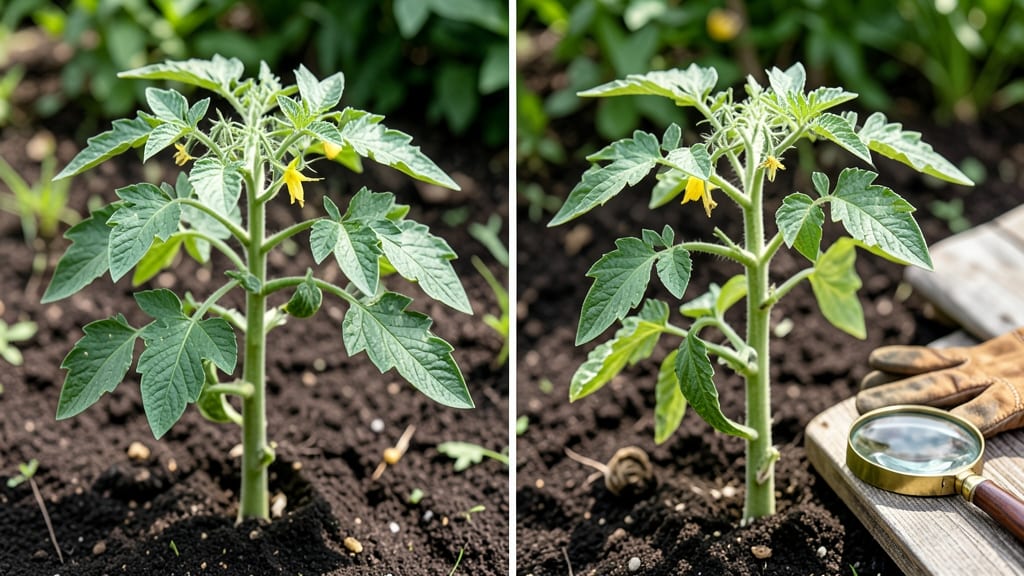
Your tomato plants are curling their leaves for a reason—and it's not just heat. 🌿 Tomato physiological leaf roll (PLRV) turns vibrant foliage into sad, upward-rolling messes, but the good news is you can stop it before it spreads.
I've seen this virus wreck gardens in just two weeks, but early action keeps your plants thriving.
The culprit is usually aphids, which carry the virus from plant to plant like tiny disease couriers. Once infected, leaves cup upward, stems get brittle, and fruit quality tanks.
The worst part? There's no cure—only prevention. Resistant varieties like 'Mountain Merit' or 'Defiant' are your first line of defense, but even they need protection from aphid hordes.
Start with neem oil sprays or soapy water to knock back aphids before they spread the virus. Remove infected plants immediately (bag them for trash pickup, don't compost!) and keep your garden clean—aphids love clutter. With vigilance, you can save next year's harvest from this sneaky problem.
This works for home gardens, container tomatoes, and even greenhouse setups. The key is catching it early—before those telltale curled leaves become the norm. Let's get your tomatoes back to their full, happy selves.
Root Causes of Leaf Curling
Understanding why your tomato plants develop physiological leaf roll is the first step toward preventing or reversing it. This condition isn’t caused by pests or diseases—it’s a stress response triggered by environmental or cultural factors. Below, we break down the key culprits and the science behind them.
Tomato plants thrive in consistent warmth, typically between 70–85°F (21–29°C). When temperatures swing wildly—especially from hot days to chilly nights—your plants go into survival mode. Here’s how it happens:
- Heat Stress: High daytime temperatures (above 90°F/32°C) cause rapid transpiration, forcing leaves to curl upward to reduce water loss.
This is a protective mechanism, but it also stunts growth. - Cold Shock: Nighttime temps dropping below 55°F (13°C) disrupt cell expansion, leading to stunted, rolled leaves.
Cold also slows nutrient uptake, weakening the plant’s structure. - Sudden Changes: A 10°F (5.5°C) drop in 24 hours can trigger physiological leaf roll faster than gradual shifts.
Actionable Fix: Use row covers at night for cold protection and shade cloth during heatwaves. Mulch with straw or black plastic to stabilize soil temps.
Tomatoes are sensitive to moisture imbalances, and both drought stress and overwatering can cause leaf curling.
- Underwatering:
- Leaves curl downward (unlike physiological roll, which curls upward) as the plant conserves water.
- Root systems struggle to absorb nutrients, leading to stunted growth and thick, leathery leaves.
- Soil test: Stick your finger 2 inches deep—if dry, water deeply.
- Overwatering:
- Poor drainage or excessive watering leads to root suffocation, cutting off oxygen to roots.
- Roots can’t absorb water or nutrients efficiently, causing leaf edges to cup upward (a sign of nutrient starvation).
- Check for soggy soil: If water pools or the soil smells like rot, you’re overdoing it.
Actionable Fix:
- Water deeply but infrequently (1–1.5 inches per week, depending on climate).
- Use drip irrigation or soaker hoses to deliver water directly to roots.
- Amend heavy clay soil with compost to improve drainage.
Tomatoes are heavy feeders, and deficiencies in key nutrients can trigger leaf curling as a distress signal.
| Nutrient Deficiency | Symptoms | Why It Causes Curling |
|---|---|---|
| Potassium (K) | Yellowing leaf edges, weak stems | Potassium regulates water and enzyme activity; low levels cause cell dysfunction, leading to upward curling. |
| Calcium (Ca) | Blossom-end rot, curled new leaves | Calcium strengthens cell walls; deficiency weakens them, causing new growth to roll. |
| Magnesium (Mg) | Interveinal chlorosis (yellow between veins) | Magnesium is central to chlorophyll production; stress from deficiency forces leaves to curl to minimize light exposure. |
| Nitrogen (N) | Pale green/yellow leaves, stunted growth | While excess nitrogen can cause lush but weak growth, deficiency leads to reduced protein synthesis, stunting leaf expansion. |
Actionable Fix:
- Soil test before planting—amend with compost, bone meal (for Ca/P), or greensand (for K).
- Use a balanced fertilizer (10-10-10 or 5-10-10) at planting, then switch to a low-nitrogen, high-potassium (5-10-20) feed when fruits set.
- Epsom salt (magnesium sulfate) can be foliar-sprayed for quick Mg relief.
Even if you’re growing from seed, root damage during transplanting can set off physiological leaf roll.
- Root Pruning: When roots are severed during repotting or moving plants, the root system struggles to support the foliage, causing curling as a survival tactic.
- Compacted Soil: Roots in hard, packed soil can’t expand, leading to oxygen deprivation and stunted growth signals.
- Overcrowding: Too many plants competing for water and nutrients forces leaves to curl to reduce surface area and conserve energy.
Actionable Fix:
- Hardening off seedlings gradually before transplanting to reduce shock.
- Loosen soil around roots when planting and avoid deep holes (roots should sit at the same depth as in the nursery pot).
- Space tomatoes 18–24 inches apart to prevent competition.
Plants produce ethylene, a natural hormone that triggers stress responses—including leaf curling—when conditions are unfavorable.
- Ethylene Buildup: Overly crowded plants, damaged fruits, or rapid growth spurts (like after pruning) can cause ethylene to accumulate, signaling leaves to roll and harden.
- Growth Regulator Overuse: Some synthetic plant hormones (like those in over-the-counter "leaf shine" sprays) can disrupt natural growth patterns, leading to curling.
Actionable Fix:
- Prune strategically: Remove suckers and lower leaves gradually to avoid shocking the plant.
- Avoid synthetic growth regulators—opt for organic sprays or neem oil instead.
- Improve air circulation with staking or trellising to reduce ethylene buildup.
If your soil is dense, rocky, or lacks organic matter, roots can’t absorb water and nutrients efficiently, leading to stress signals like leaf curling.
- Clay Soil: Holds water but strangles roots by cutting off oxygen.
- Sandy Soil: Drains too quickly, starving roots of moisture.
- Compacted Soil: Prevents root exploration and nutrient uptake.
Actionable Fix:
- Test your soil (pH and texture) and amend with:
- Compost (for organic matter)
- Perlite or vermiculite (for drainage)
- Gypsum (for clay soils)
- Avoid walking on garden beds to prevent compaction.
Before blaming physiological leaf roll, check for:
- Spider mites (tiny webs on undersides of leaves)
- Aphids (sticky residue, curled leaves with tiny bugs)
- Early blight or septoria leaf spot (brown spots with yellow halos)
If pests or diseases are present, treat with neem oil or copper fungicide—physiological leaf roll won’t respond to these fixes.
Quick Fixes for Curling Tomato Leaves
Tomato physiological leaf roll can be frustrating, but the good news is that many causes have straightforward fixes—especially if you catch them early. Below, we’ve mapped the most common triggers to actionable solutions, so you can restore your plants to full, healthy glory.
Prevention tips are included to keep your tomatoes thriving long-term!
Signs: Leaves curling upward or downward in hot, sunny weather, often with a leathery texture.
How to Fix It:
- 💧 Hydrate Deeply: Water plants at the base early in the morning or late afternoon to reduce evaporation. Aim for 1–1.5 inches of water per week, adjusting for your climate.
- 🌿 Provide Shade: Use shade cloth (30–50% coverage) during peak sun (10 AM–4 PM) if temperatures exceed 85°F (29°C). Alternatively, train vines to grow vertically with trellises for better airflow.
- 🌱 Mulch Like a Pro: Apply 2–3 inches of organic mulch (straw, grass clippings, or wood chips) to retain soil moisture and regulate temperature.
- 🍃 Prune Strategically: Remove lower leaves that brush against hot soil to prevent scorching.
Prevention Tip: 💡 Start seeds indoors 6–8 weeks before your last frost date to avoid transplanting heat-stressed seedlings. Harden them off gradually before outdoor exposure.
Signs: Yellowing leaves, wilting despite wet soil, or roots exposed due to soggy conditions.
How to Fix It:
- ⏰ Adjust Your Watering Routine: Water only when the top 1–2 inches of soil are dry (stick your finger in to check!). Drip irrigation or soaker hoses are better than overhead watering to prevent fungal issues.
- 🏗️ Improve Soil Drainage: Amend heavy clay soil with compost, perlite, or coarse sand (50/50 mix). For containers, ensure pots have drainage holes and use a well-draining potting mix.
- 🌱 Repot if Needed: If roots are circling or the soil stays waterlogged, transplant to a larger container with fresh, aerated soil.
Prevention Tip: 🌡️ Test your soil’s moisture retention—if water pools on the surface after 30 minutes, your drainage is poor.
Signs: Curling leaves paired with stunted growth, pale yellow leaves (nitrogen deficiency), or purple stems (phosphorus deficiency).
How to Fix It:
- 📊 Soil Test First: Use a home soil test kit ($10–$20) to check pH (ideal: 6.0–6.8) and nutrient levels. Adjust with:
- Lime (for acidic soil, pH < 6.0)
- Sulfur or peat moss (for alkaline soil, pH > 7.0)
- 🥬 Balanced Fertilizer Boost: Switch to a low-nitrogen, high-potassium fertilizer (e.g., 5-10-10) to support flowering and fruiting. Avoid high-nitrogen feeds (like lawn fertilizer), which encourage leafy growth at the expense of tomatoes.
- 🍎 Organic Fixes:
- Banana peel tea (for potassium): Steep 2 peels in 1 gallon of water for 24 hours, then dilute and water plants.
- Epsom salt (for magnesium): Mix 1 tbsp per gallon of water and spray foliage weekly.
Prevention Tip: ✨ Side-dress plants with compost or worm castings every 3–4 weeks for a steady nutrient supply without overfeeding.
Signs: Curling leaves with tiny holes, webbing, or sticky residue (honeydew) from sap-sucking pests like aphids, spider mites, or whiteflies.
How to Fix It:
- 🔥 Blast Off Pests: Spray plants with a soapy water solution (1 tsp mild dish soap + 1 quart water) in the early morning. Repeat every 3–4 days until pests vanish.
- 🕷️ Introduce Beneficial Insects: Release ladybugs, lacewings, or predatory mites (available at garden centers) to eat pests naturally.
- 🌿 Neem Oil Barrier: Mix 1 tbsp neem oil + 1 tsp mild soap per quart of water, shake well, and spray every 7–10 days to deter future infestations.
Prevention Tip: 💡 Rotate crops annually to disrupt pest life cycles, and interplant with basil or marigolds to repel insects.
Signs: Leaves curling inward, wilting, or stunted growth after moving plants.
How to Fix It:
- 🌿 Acclimate Gradually: If transplanting seedlings, harden them off by exposing them to outdoor conditions for 1–2 weeks before planting (start with 1 hour/day, increasing daily).
- 💧 Water Immediately After Planting: Soak the root ball thoroughly to reduce shock. Use a root stimulator (like seaweed extract) to encourage regrowth.
- 🌱 Prune Damaged Leaves: Trim any yellow or curled leaves to redirect energy to new growth.
Prevention Tip: 🌡️ Plant in the late afternoon to avoid midday sun stress on freshly transplanted tomatoes.
Signs: Leaves curling upward in cool weather (<50°F/10°C) or dropping at night if temps dip below 55°F (13°C).
How to Fix It:
- 🏠 Use Row Covers: Lightweight frost blankets can protect plants from sudden cold snaps. Secure edges with soil or bricks.
- 🔥 Warm the Soil: Lay black plastic mulch 1–2 weeks before planting to absorb heat and keep roots warm.
- 🌱 Choose Heat-Tolerant Varieties: If your climate swings wildly, opt for heat-resistant tomatoes like ‘Solar Fire,’ ‘Heatmaster,’ or ‘Arkansas Traveler.’
Prevention Tip: 🎯 Monitor forecasts and cover plants if a cold front is predicted—even a light frost can stunt growth.
To keep your tomatoes lush and leaf-roll-free: ✅ Start with healthy soil—add compost before planting. ✅ Stake or cage plants early to improve airflow. ✅ Water consistently—stick to a schedule (e.g., every other day in summer). ✅ Rotate crops every 3 years to prevent disease buildup. ✅ Inspect leaves weekly for early signs of stress or pests.
With these fixes, your tomato plants should bounce back in 1–2 weeks—and you’ll be harvesting juicy, vine-ripened tomatoes in no time! 🍅🌿
Frequently asked questions
Is tomato physiological leaf roll the same as viral leaf curl?
No, they're different conditions with distinct causes. Physiological leaf roll occurs due to environmental stress (heat, cold, water issues) and isn't contagious. Viral leaf curl, caused by pathogens like Tomato Leaf Curl Virus (ToLCV), spreads through aphids and has no cure—only prevention through resistant varieties and pest control.
How can I tell if my tomato leaves are curling from heat stress or aphids?
Check for these key differences: Heat stress causes upward-rolling leaves with a leathery texture, often on entire plants. Aphid damage shows curled leaves with sticky residue (honeydew), tiny insects on undersides, and often distorted new growth. Use a magnifying glass to spot aphids!
Will pruning curled leaves help my tomato plant recover?
Yes, but strategically! Remove only the most severely curled leaves to redirect the plant's energy. Avoid heavy pruning—focus on leaves that are fully curled upward (not just slightly wavy). This helps the plant focus on new, healthy growth while reducing stress.
Can I still harvest tomatoes from plants with physiological leaf roll?
While the plant looks stressed, the fruit quality usually remains unaffected. The curling primarily impacts foliage, not the developing tomatoes. Just keep an eye on watering and nutrients to ensure the remaining leaves can support fruit development.
Are there tomato varieties that naturally resist leaf curling?
While no variety is completely immune, some handle stress better than others. Try 'Mountain Merit' (disease-resistant), 'Defiant' (heat-tolerant), or 'Solar Fire' (handles temperature swings). These varieties show fewer symptoms under stress conditions compared to heirloom types.