
Pests and Diseases
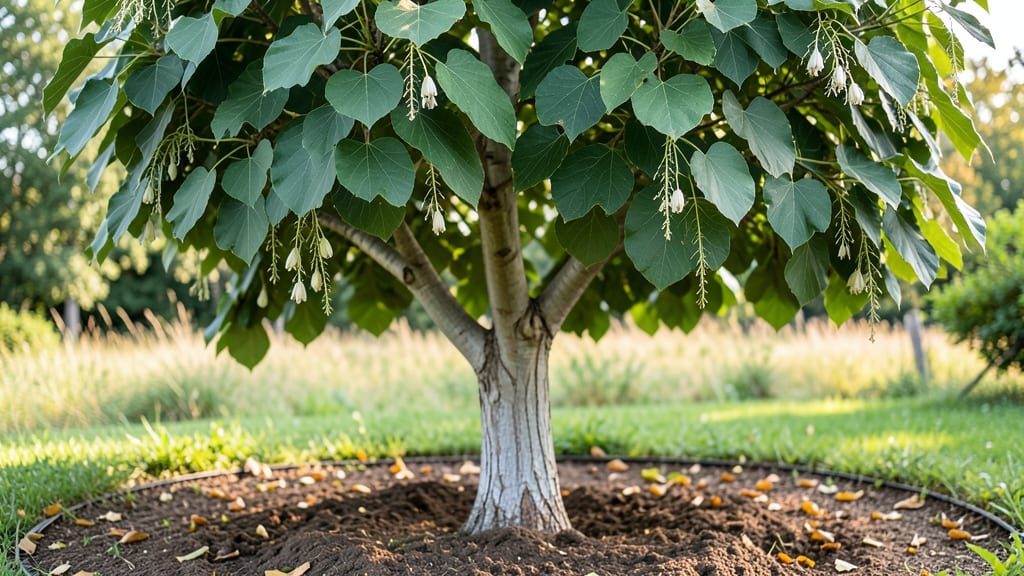
That heart-shaped catalpa leaf is unmistakable once you know what to look for. 🌿 Northern catalpas (Catalpa speciosa) grow those 3-8 inch, sandpaper-textured leaves that turn golden in fall—unlike the smaller, smoother leaves of southern catalpas.
I’ve seen gardeners mistake them for sycamore or tulip tree leaves, but the catalpa’s distinctive veins and dramatic fall color give it away. The tree thrives in full sun to part shade and tolerates poor soil, making it a low-maintenance choice.
Water deeply once established, but avoid soggy roots—this is one tree that won’t forgive overwatering. Prune in late winter to remove dead wood and shape the canopy, but never cut into old wood unless you want to risk disease.
Common pests like catalpa worms (those big green caterpillars) and aphids target the leaves, while fungal diseases like anthracnose appear as dark spots. The good news? A strong catalpa recovers quickly if you catch issues early. I’ve watched mine bounce back from caterpillar damage in just a few weeks.
For beginners, start with a young tree—its fast growth and striking foliage make it a standout. Experienced gardeners can experiment with pruning shapes or even growing it as a multi-trunk specimen. Either way, that signature leaf will be your first clue when identifying it among other shade trees.
📚 In This Guide
- What you need
- Instructions
- Tips and common mistakes
- Wrapping up and next steps
What you need
- ● Northern catalpa leaves: Fresh or dried leaves (5–10 samples for accurate identification). Pro tip: Collect from multiple branches to spot variations!
- ● Hand lens or magnifying glass: 10x magnification (for inspecting fine details like pest eggs or fungal spores).
- ● Field guide or smartphone app: A northern catalpa identification app (e.g., iNaturalist or PictureThis) or a printed guidebook (e.g., Burt’s Trees).
- ● Notebook and pen: For recording observations (leaf shape, discoloration, pest signs, etc.).
- ● Plastic bags or paper envelopes: 3–5 sealed bags to preserve leaf samples for later analysis.
- ● Pruning shears: Sterilized (70% isopropyl alcohol wipe) to avoid cross-contamination.
- ● Spray bottle with water: For rinsing leaves to reveal hidden pests (e.g., aphids, mites).
- ● Ruler or measuring tape: To document leaf size changes (e.g., stunted growth from disease).
- ○ UV flashlight (optional):strong> For detecting fungal spores or pest trails under blacklight.
- ● Weather check: Conduct inspections on dry, overcast days to avoid stressing the tree.
- ● Gloves (nitrile or latex): To protect hands from sap, pests, or fungal spores.
- ● Basic knowledge: Familiarize yourself with common northern catalpa pests (e.g., catalpa sphinx moth larvae, aphids) and diseases (e.g., anthracnose, powdery mildew).
- ● Local regulations: Check if your area requires reporting invasive pests (e.g., emerald ash borer lookalikes).
How to identify northern catalpa leaf issues
Northern catalpa trees are stunning shade providers, but their leaves tell a story—one you’ll learn to read here.
🌿 Step 1: Examine Leaf Shape and Color for Baseline Health
Northern catalpa leaves are broad, heart-shaped, and typically 6-12 inches long, with pointed tips and wavy edges. Healthy leaves should be a deep, glossy green on top with a paler underside. Start by comparing your tree’s leaves to reference images—look for the characteristic prominent veins and slightly rough texture.
If leaves appear uniformly yellow or brown, it’s often a sign of nutrient deficiency or environmental stress. Check the soil moisture—dry soil causes crispy edges, while overly wet soil leads to yellowing between veins. This is your baseline: once you spot deviations, you’ll know what’s normal for your tree.
🐛 Step 2: Spot Common Pests by Visual Clues
Catalpa sphinx moth caterpillars are the most notorious pests—they skeletonize leaves, leaving behind a lace-like pattern. Look for green, fuzzy caterpillars with white stripes (about 2 inches long) clinging to the undersides of leaves. If you see these, act quickly—they multiply fast and can defoliate a tree in weeks.
Spider mites are another culprit, causing tiny yellow specks and fine webbing on leaf undersides. Hold a white piece of paper beneath a branch and shake gently—if you see tiny moving dots, it’s mites. These pests thrive in dry, dusty conditions, so a strong spray of water can dislodge them temporarily while you treat the tree.
🍄 Step 3: Diagnose Fungal Diseases by Leaf Patterns
Anthracnose fungus appears as dark brown or black spots with yellow halos on leaves, often concentrated along leaf veins. These spots enlarge and merge, causing premature leaf drop. Check the tree’s canopy for thin, water-soaked areas—this is a classic sign of fungal infection, especially after prolonged wet, humid weather.
Powdery mildew shows as a white, powdery coating on leaf surfaces, most visible in early morning when humidity is high. Unlike other issues, this fungus thrives in shaded, poorly ventilated areas. Scrape a small patch gently with your fingernail—if it leaves a white residue, it’s powdery mildew.
✂️ Step 4: Prune and Treat Based on Findings
Once you’ve identified the issue, remove affected leaves and branches immediately to prevent spread. Use clean, sharp pruners and disinfect them with 70% rubbing alcohol between cuts. For pests, apply neem oil or insecticidal soap during the early evening to avoid harming beneficial insects.
Fungal diseases respond best to copper fungicide sprays applied in late afternoon when humidity is high. Improve airflow around the tree by thinning dense branches and watering at the base rather than overhead. This reduces moisture on leaves, making the environment less hospitable for fungi.
🌱 Step 5: Monitor and Prevent Recurrence
After treatment, keep a log of your tree’s progress. Note the date of treatment, weather conditions, and any new symptoms. Healthy catalpa trees should show new growth within 2-4 weeks—if not, reassess for underlying issues like root rot or nutrient deficiencies.
Prevent future problems by mulching around the base with 2-3 inches of organic mulch to retain moisture and regulate soil temperature. Avoid over-fertilizing, as this can stress the tree and make it more susceptible to pests and diseases. Regular inspections every 2-4 weeks during growing season will catch issues early.
Tips & tricks for perfect northern catalpa leaf diagnosis
Here's what nobody tells you about diagnosing catalpa leaf problems—these tricks save time and prevent misdiagnosis.
Visual Comparison is Key: Always compare suspect leaves to healthy ones on the same tree. I keep a reference photo of healthy catalpa leaves in my phone to compare against—this eliminates guesswork. Look for subtle differences in vein prominence and leaf texture that might indicate stress before full symptoms appear.
Timing Matters for Pest Detection: The best time to spot caterpillars is on warm, sunny afternoons when they're most active. I've caught infestations early by inspecting leaves between 11 AM and 2 PM, when the caterpillars are most visible. Spider mites, however, are easier to spot in early morning when humidity is high.
Environmental Context Prevents False Alarms: Don't jump to conclusions about fungal diseases after a single rainy day. I've seen many gardeners misdiagnose anthracnose after temporary wet conditions. Wait 48-72 hours after heavy rain before assessing leaf spots—this gives time for true fungal symptoms to develop rather than temporary water damage.
Treatment Timing is Critical: For fungal diseases, apply copper fungicide in late afternoon when humidity is naturally high—this creates ideal conditions for the treatment to adhere properly. I've found that applying neem oil or insecticidal soap in early evening (after 6 PM) gives it time to work overnight before daytime temperatures break it down.
Pro Tips for Northern Catalpa Leaf
- Here's what nobody tells you about diagnosing catalpa leaf problems—these tricks save time and prevent misdiagnosis.
- Visual Comparison is Key: Always compare suspect leaves to healthy ones on the same tree. I keep a reference photo of...
- Timing Matters for Pest Detection: The best time to spot caterpillars is on warm, sunny afternoons when they're most ...
Frequently asked questions
Got questions about northern catalpa leaf issues? You’re not alone! Here are some of the most common concerns—and their solutions—to keep your tree thriving.
What pests commonly attack northern catalpa leaves, and how do I spot them?
Northern catalpa trees are prime targets for catalpa sphinx moth caterpillars (aka "hornworms"), aphids, and Japanese beetles. Look for:
- Large green caterpillars with white stripes (hornworms)
- Sticky residue on leaves (aphids)
- Irregular chewed edges (Japanese beetles)
Check undersides of leaves and monitor for frass (insect droppings).
My catalpa leaves are yellowing—what’s causing this, and how do I fix it?
Yellowing leaves often signal nutrient deficiencies (like iron or nitrogen) or fungal diseases like anthracnose. Start by:
- Testing soil pH (aim for 6.0–7.0)
- Applying a balanced fertilizer in early spring
- Pruning infected branches 12 inches below brown spots
If fungal, treat with copper fungicide as a preventative measure.
When is the best time to treat northern catalpa leaf pests or diseases?
Timing is key! Treat hornworms in late spring/early summer (when caterpillars are active). For fungal issues, act at the first sign of spots (spring or fall). Japanese beetles peak in July–August, so apply insecticides before damage starts.
Are there natural alternatives to chemical treatments for catalpa leaf problems?
Try these eco-friendly fixes:
- Neem oil (spray on caterpillars/aphids)
- Beneficial nematodes (for soil-dwelling pests)
- Handpick hornworms (drop in soapy water)
- Milk spray (1:9 milk-water ratio for fungal prevention)
Pro tip: Introduce parasitic wasps (natural hornworm predators) to your garden!
My catalpa leaves are dropping early—is this normal, or is my tree dying?
Early leaf drop can stem from stress (drought, transplant shock) or disease (e.g., verticillium wilt). Check for:
- Wilting branches (disease)
- Cracked soil (drought)
- New growth (sign of recovery)
If the tree is otherwise healthy, it may just be shedding old leaves—but water deeply and mulch to support recovery.
Wrapping up and next steps
Mastering the art of northern catalpa leaf identification puts you ahead in safeguarding your tree from pests and diseases. By recognizing early signs—like catalpa sphinx caterpillars or anthracnose—you’re already taking proactive steps to keep your tree thriving. 🌿
Ready to take action? Inspect your catalpa tree regularly and address issues promptly. Whether you’re a gardening pro or just starting, every little effort counts toward a healthier, more resilient tree!