
Trees
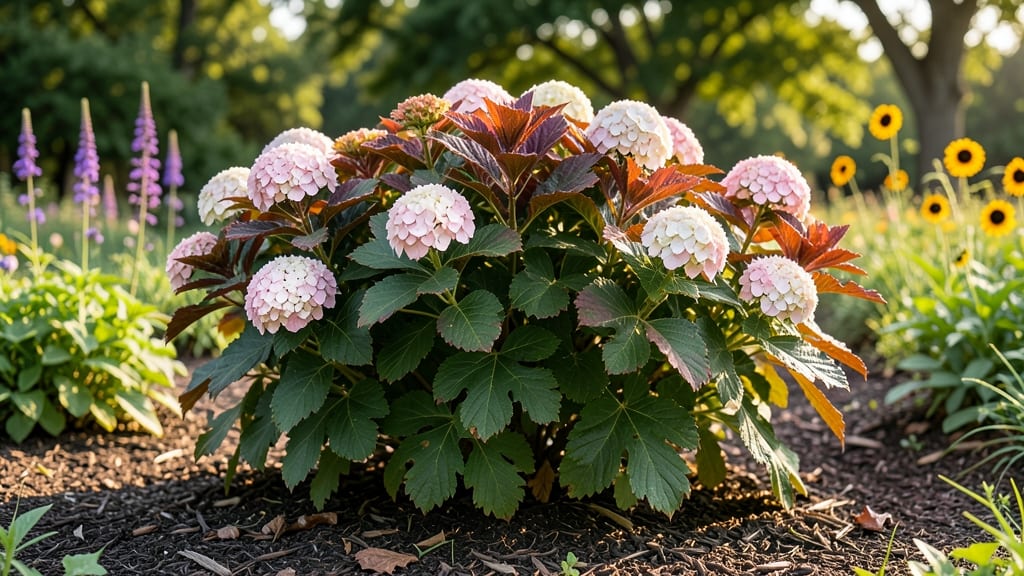
Growing Oak Leaf Hydrangea 'Alice' feels like nurturing a living painting—its oak-shaped leaves and four-season color shifts are pure magic. 🌿 This hydrangea thrives with minimal fuss, making it perfect for gardeners who want drama without the upkeep.
The secret lies in its love for moist, well-draining soil and morning sun, while its deep green foliage turns fiery in fall. Unlike fussy hydrangeas, 'Alice' blooms on old and new wood, so you can skip aggressive pruning.
A light trim in late winter keeps its shape elegant, while its fragrant white flowers in summer reward your patience. Even in my first year, it became the standout plant in my shade garden.
What you’ll love most is how it adapts to different light levels—partial shade won’t stop its growth, and its drought tolerance once established means fewer watering worries. The leaves alone make it special, but the fall foliage steals the show with hues of red and orange.
Here’s the game-changer: once planted, it’s nearly self-sufficient. I’ve seen mine handle heat waves and occasional dry spells better than other hydrangeas, proving it’s the low-maintenance superstar of shade gardens.
📚 In This Guide
- What you need
- Instructions
- Tips and common mistakes
- Wrapping up and next steps
What you need
- ● Oak Leaf Hydrangea Alice plant (1-3 plants, depending on desired size and spacing)
- ● Well-draining potting mix or garden soil (amended with compost or organic matter for optimal fertility)
- ● Mulch (2-3 inches of organic mulch like wood chips or shredded bark)
- ● Slow-release fertilizer (balanced 10-10-10 or hydrangea-specific formula)
- ● Pruning shears (sharp, clean, and sterilized with rubbing alcohol)
- ● Garden gloves (to protect your hands from thorns and rough foliage)
- ● Trowel or shovel (for digging planting holes)
- ● Watering can or hose with a gentle spray nozzle (hydrangeas love consistent moisture!)
- ● Measuring tape or ruler (to ensure proper spacing—3-5 feet apart for mature plants)
- ○ Garden stakes or cages (optional, for support if planting in windy areas)
- ● Sunlight: Partial shade to full sun (morning sun + afternoon shade is ideal)
- ● Soil pH: Acidic to neutral (5.0–6.0 for vibrant blooms; test with a soil kit if unsure)
- ● Water access: Consistent moisture (1–1.5 inches per week, including rainfall)
- ● Climate zone: USDA Zones 5–9 (hardy but may need winter protection in colder regions)
- ● Soil acidifier (like aluminum sulfate or sulfur, to enhance pink/blue flower tones)
- ● Plant food spray (for a quick nutrient boost during growing season)
- ● Decorative stones or edging (to define planting beds and add curb appeal)
- ● Rain gauge (to monitor watering needs precisely)
Step-by-Step instructions for planting and cultivating oak leaf Hydrangea 'Alice'
This elegant shrub thrives with the right placement and seasonal care—here’s how to set it up for decades of lush foliage.
🌱 Step 1: Select the Perfect Planting Site
Oak leaf hydrangea 'Alice' loves partial shade—think morning sun with afternoon shade in hotter climates. A spot with 4-6 hours of filtered light daily prevents leaf scorch while maintaining vibrant foliage. I always check the site for 6+ hours of shade in summer if your region hits 90°F+ regularly.
Test the soil pH with a kit—'Alice' prefers 5.5-6.5. If your soil is alkaline, amend with 2-3 pounds of sulfur per 100 square feet and retest in 2-3 months. The roots need well-draining soil, so avoid low spots where water pools after rain. Amend heavy clay with 3-4 inches of organic compost before planting.
🪴 Step 2: Plant at the Right Depth and Spacing
Dig a hole twice as wide as the root ball but only as deep—this prevents burying the stem, which causes rot. Gently loosen the roots if they’re circling the container, then place the plant so the top of the root ball sits 1 inch above soil level. Backfill with native soil mixed with 1 part compost to improve fertility.
Space plants 5-6 feet apart for mature size—crowding leads to weak stems and poor airflow, inviting fungal diseases. Water deeply right after planting to settle the soil and eliminate air pockets. You’ll know it’s right when the surface looks slightly compacted but not muddy.
☀️ Step 3: Water Deeply and Mulch for Moisture Retention
Water 1-2 gallons per plant weekly during the first growing season, aiming for 1 inch of moisture per week. Check soil moisture by sticking your finger 2 inches deep—if it feels dry, water again. Overhead watering can damage leaves, so use a soaker hose or drip irrigation at the base.
Apply 3 inches of mulch (wood chips or shredded bark) around the base, keeping it 6 inches away from the stem. Mulch conserves moisture, regulates soil temperature, and blocks weeds. Replenish mulch annually in late winter to maintain coverage. Avoid fresh wood chips—they can draw nitrogen from the soil.
✂️ Step 4: Prune Strategically for Seasonal Health
'Alice' thrives with minimal pruning. In late winter (before buds swell), remove 10-20% of the oldest stems at ground level to encourage new growth. Never prune in fall—this invites disease and weakens the plant before winter. Look for stems with no leaf buds; these are the ones to cut.
Shape lightly in early summer after flowering by trimming 1-2 inches off the tips of leggy stems. This encourages bushier growth without sacrificing next year’s blooms. Deadhead spent flowers in fall, but leave seed heads for winter interest if desired. Always use sterilized pruners to prevent bacterial spread.
🌿 Step 5: Fertilize and Monitor for Pests
Apply a balanced 10-10-10 fertilizer in early spring at ½ the recommended rate. Over-fertilizing leads to excessive leaf growth at the expense of flowers. Water the soil before applying fertilizer to prevent root burn. Repeat in midsummer with a low-nitrogen formula (5-10-10) to support blooms.
Watch for aphids or spider mites on new growth. Spray infested areas with neem oil or insecticidal soap if you spot sticky residue (honeydew) on leaves. Healthy 'Alice' hydrangeas rarely need treatment—focus on proper watering and mulching to prevent stress.
Tips & tricks for perfect oak leaf Hydrangea 'Alice' cultivation
These insider tricks will help you nurture a thriving 'Alice' hydrangea that stays lush and elegant year after year.
Light Balance: In Step 1, when selecting your planting site, remember that 'Alice' can adapt to more shade than other varieties—but not too much. While 4-6 hours of filtered light is ideal, I've found that in regions with intense summer sun (like the Southwest), providing 6+ hours of shade during peak afternoon hours prevents leaf scorch while still allowing enough light for vibrant foliage. Use sheer curtains or lattice screens if needed to diffuse harsh sunlight.
Soil Preparation Strategy: The 2-3 pounds of sulfur recommendation for alkaline soil is precise, but here's what I've learned: spread it evenly across the planting area before digging your hole, then mix it thoroughly with the native soil. For heavy clay soils, incorporate the 3-4 inches of organic compost directly into the hole's backfill mixture—this creates a nutrient-rich pocket that encourages root development right where you want it.
Watering Precision: During the first growing season, those 1-2 gallons weekly might seem like a broad range, but here's how to interpret it: measure your rainfall first. If you get 1 inch of rain, you can skip watering that week. If you get less than 0.5 inches, supplement with 1 gallon. The key is maintaining consistent moisture at the 2-inch soil depth—this prevents both underwatering and the root rot that comes from soggy conditions.
Pruning Visual Cues: In Step 4, when removing 10-20% of oldest stems in late winter, look for stems that are completely bare or have no visible leaf buds. These are the ones to cut at ground level. For the early summer shaping, trim just above a leaf bud or set of leaves when you remove those 1-2 inches—this ensures new growth emerges from the right spot and maintains the plant's natural shape.
Pro Tips for Oak Leaf Hydrangea Alice
- These insider tricks will help you nurture a thriving 'Alice' hydrangea that stays lush and elegant year after year.
- Light Balance: In Step 1, when selecting your planting site, remember that 'Alice' can adapt to more shade than other varieties—but not too much.
- For heavy clay soils, incorporate the 3-4 inches of organic compost directly into the hole's backfill mixture—this creates a nutrient-rich pocket that encourages root development right where you want it.
Frequently asked questions
about Oak Leaf Hydrangea Alice—because growing this stunning shrub should be as easy as it is beautiful! Here are answers to the most common questions to help you cultivate year-round elegance with confidence.How fast does Oak Leaf Hydrangea Alice grow?
Oak Leaf Hydrangea Alice grows at a moderate pace, typically adding 12–24 inches per year under ideal conditions. In the first few years, expect slower growth as it establishes roots, but with proper care (sunlight, water, and soil), it’ll fill out beautifully within 3–5 years. Patience pays off—this shrub rewards long-term commitment with lush, vibrant foliage!
When is the best time to prune Oak Leaf Hydrangea Alice?
Unlike many hydrangeas, Alice thrives with minimal pruning—focus on shaping in late winter or early spring (February–March) before new growth emerges. Avoid heavy cuts; instead, trim back overlapping branches or dead wood to encourage airflow and sunlight penetration. Never prune after summer—it blooms on old wood!
How often should I water Oak Leaf Hydrangea Alice?
Water deeply 1–2 times per week during the first year to establish roots, then taper to weekly watering (or more in extreme heat/drought). Alice prefers moist but well-draining soil—think of it like a thirsty friend who hates soggy feet! Mulch around the base (2–3 inches) to retain moisture and regulate soil temperature. Yellowing leaves? Often a sign of underwatering or poor drainage.
Can Oak Leaf Hydrangea Alice grow in full sun?
While it tolerates partial shade (especially in hot climates), Alice thrives in morning sun + afternoon shade for optimal blooms and leaf color. In full sun, expect more vibrant foliage but may need extra water. If your yard is shady, don’t worry—it’ll still grow, though blooms might be slightly less abundant. Pro tip: Watch for leaf scorch (brown edges) in harsh afternoon sun!
What are some alternatives if Oak Leaf Hydrangea Alice doesn’t thrive in my climate?
If your zone is too hot (Zone 8+) or too cold (Zone 5 and below), consider these hardy hydrangea cousins:
- Oak Leaf Hydrangea ‘Snow Queen’ – Lighter foliage, slightly more cold-hardy (Zone 5).
- Panicle Hydrangea ‘Limelight’ – Thrives in full sun, drought-tolerant (Zone 3–8).
- Bigleaf Hydrangea ‘Endless Summer’ – Blooms on new and old wood (Zone 4–9).
- Annabelle Hydrangea – Heat-loving, low-maintenance (Zone 4–9).
Each offers stunning blooms with different care needs—pick based on your microclimate!
Wrapping up and next steps
Growing the stunning Oak Leaf Hydrangea 'Alice' is a rewarding journey that brings year-round beauty with minimal effort—thanks to its lush foliage, delicate blooms, and hardy nature.
Whether you're a seasoned gardener or just starting out, this versatile shrub thrives with the right care, and you’ve got everything you need to succeed! 🌿✨ Ready to transform your garden? Pick a sunny spot, grab your shears, and start nurturing your 'Alice' today! Watch as she grows into a showstopper with just a little love and patience.