
Aphids
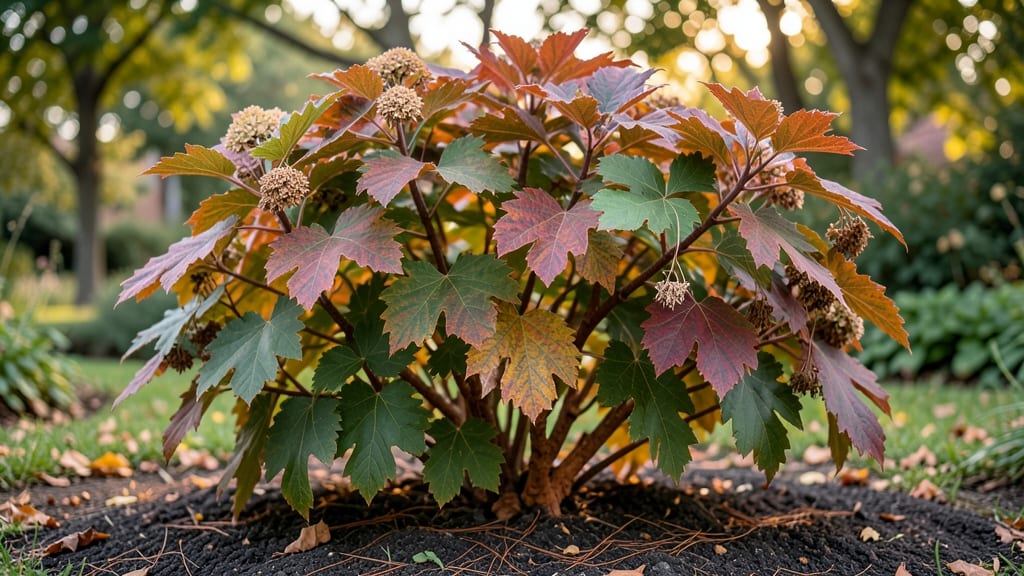
Your oakleaf hydrangea’s autumn foliage turns into fiery gold and deep burgundy—nature’s own masterpiece. 🍂 I’ve watched mine transform from lush green to a stunning fall palette every year, and this season, I’m sharing how to protect those showstopping leaves while keeping pests at bay with minimal fuss.
The secret starts with one simple pruning cut in late fall: remove any dead or diseased stems now, but leave the rest—those stunning leaves need time to feed the roots before winter.
Oakleaf hydrangeas store energy in their stems, so pruning too early robs them of their natural armor against aphids and cold snaps.
By December, your plant will be prepped for winter dormancy, its roots fortified by fall’s nutrient-rich leaves. The result? Vibrant spring blooms and foliage that outshines neighbors’ hydrangeas—all with just a few minutes of work now. No chemicals, no fuss, just nature’s own beauty strategy.
Works for any oakleaf hydrangea, whether it’s a mature specimen or a young plant still finding its footing. Here’s how to make the most of this season’s natural show while setting your plant up for next year’s glory.
📚 In This Guide
- What you need
- Instructions
- Tips and common mistakes
- Wrapping up and next steps
What you need
- ● Oakleaf hydrangea (Hydrangea quercifolia) – Healthy, mature plant (3+ years old for best results).
- ● Neem oil (100% cold-pressed, organic) – 1–2 tbsp per gallon of water (for aphid treatment).
- ● Insecticidal soap (aphid-specific, OMRI-listed) – 2–3 tbsp per gallon of water (alternative to neem oil).
- ● Hose with adjustable nozzle – For gentle water blasts to dislodge aphids.
- ● Pruning shears (sterilized) – Sharp, clean pair for trimming affected foliage.
- ○ Garden gloves – Heavy-duty, chemical-resistant (optional but recommended).
- ● Mulch (shredded bark or pine straw) – 2–3 inches deep to insulate roots.
- ● Balanced fertilizer (10-10-10 or 20-20-20) – 1 tbsp per foot of plant height (apply sparingly in autumn).
- ● Spray bottle – For targeted neem oil or insecticidal soap applications.
- ● Reflective mulch film – To deter pests (lay around the base, not directly on roots).
- ● Ladybugs or lacewing larvae (beneficial insects) – Release 50–100 per plant for natural aphid control.
- ● pH test kit – To monitor soil acidity (oakleaf hydrangeas prefer slightly acidic soil, pH 5.0–6.0).
- ● Plant support stakes or cages – If your hydrangea’s branches are heavy with autumn blooms.
Step-by-Step autumn care for oakleaf hydrangeas
Here's how to keep your oakleaf hydrangeas thriving through fall—no aphids, no fuss, just stunning foliage.
🌿 Step 1: Prune for Next Year’s Blooms
Wait until late fall or early winter (after the first hard frost) to prune oakleaf hydrangeas. This timing preserves next year’s flower buds, which form on old wood. Use clean, sharp pruners to remove any dead, damaged, or crossing branches. Cut back just above a leaf node or outward-facing bud to encourage healthy growth.
Focus on thinning out crowded branches to improve airflow—this naturally deters pests like aphids. I like to step back and visualize the plant’s shape before making cuts. Oakleaf hydrangeas have stunning foliage, so don’t over-prune; aim to maintain their natural, slightly wild form.
☀️ Step 2: Adjust Watering and Mulch
Reduce watering in late fall as the plant enters dormancy, but keep the soil slightly moist until the ground freezes. Oakleaf hydrangeas are drought-tolerant once established, but consistent moisture helps them store energy for spring. Water deeply once a week if rainfall is minimal, focusing on the root zone.
Add a 2-3 inch layer of mulch around the base of the plant, keeping it 6 inches away from the trunk to prevent rot. Use shredded bark or leaves—this insulates roots from freezing temperatures while locking in moisture. Mulch also suppresses weeds, which compete for nutrients.
🪴 Step 3: Protect Against Aphids and Pests
Inspect leaves for aphids or spider mites, which thrive in fall’s cooler weather. If you spot clusters of tiny insects on new growth, blast them off with a strong stream of water from your hose. For stubborn infestations, apply neem oil or insecticidal soap in the late afternoon to avoid harming beneficial insects.
Healthy oakleaf hydrangeas resist pests naturally, so focus on keeping the plant vigorous. Prune out any heavily infested branches immediately and dispose of them in the trash—not the compost—to prevent reinfestation. A quick weekly check during fall’s mild days keeps problems in check.
⏰ Step 4: Prepare for Winter Dormancy
Once temperatures drop below 30°F, stop watering entirely and let the plant enter dormancy. Oakleaf hydrangeas are hardy to USDA Zone 4, but young plants or those in exposed areas may need extra protection. Wrap the base of the plant in burlap or frost cloth if your winters are harsh.
Remove any remaining dead flowers or seed heads, as they can harbor pests or diseases over winter. Leave the mulch in place—it’ll continue insulating roots through the cold months. In early spring, you’ll see fresh growth signaling the plant’s readiness to bloom again.
🌱 Step 5: Plan for Spring Growth
Mark your calendar for late winter (around February) to start light fertilizing. Oakleaf hydrangeas benefit from a balanced, slow-release fertilizer applied at the base of the plant. Avoid heavy feeding in fall, as it encourages tender new growth that won’t survive frost.
Watch for new shoots emerging in early spring—that’s your cue to resume regular watering. Oakleaf hydrangeas are low-maintenance, but a little attention now ensures vibrant foliage and blooms next autumn. Aphids are less likely to return if you keep the plant healthy and well-spaced.
Tips & tricks for perfect oakleaf hydrangea autumn care
Here's what nobody tells you about keeping your oakleaf hydrangeas thriving through fall without the pest problems.
Pruning Precision: When you're ready to prune in Step 1, take a moment to examine the plant's structure from all angles. Oakleaf hydrangeas develop their signature fall foliage on old wood, so focus on removing only dead, damaged, or crossing branches. I've learned the hard way that cutting back too aggressively can reduce next year's stunning color display. Aim to maintain that natural, slightly wild form—they're meant to look a little untamed!
Mulching Mastery: For the 2-3 inch layer of mulch in Step 2, use materials that will break down slowly like shredded bark or leaves. This creates a natural insulation that protects roots while also improving soil structure over time. I always keep that 6-inch clearance from the trunk to prevent rot—this is where many gardeners make mistakes. A good rule of thumb is to spread the mulch in a donut shape around the plant.
Pest Prevention: In Step 3, when inspecting for aphids, pay special attention to the undersides of leaves where they often cluster. I've found that a strong stream of water from the hose works surprisingly well for mild infestations. For persistent problems, apply neem oil or insecticidal soap in the late afternoon when beneficial insects are less active. This timing helps protect your garden's ecosystem while still controlling pests effectively.
Winter Protection: When temperatures drop below 30°F in Step 4, consider adding an extra layer of protection for young plants or those in exposed areas. I've used burlap wrapped around the base for several years with excellent results. The key is to create a barrier that allows airflow while still insulating roots—think of it like giving your plant a cozy winter hat. This simple step can make all the difference in harsh climates.
Pro Tips for Oakleaf Hydrangea Autumn
- Here's what nobody tells you about keeping your oakleaf hydrangeas thriving through fall without the pest problems.
- Pruning Precision: When you're ready to prune in Step 1, take a moment to examine the plant's structure from all angles.
- Mulching Mastery: For the 2-3 inch layer of mulch in Step 2, use materials that will break down slowly like shredded bark or leaves.
Frequently asked questions
When do oakleaf hydrangeas start showing their autumn colors?
Oakleaf hydrangeas typically burst into fiery shades of red, orange, and purple in late September through October, depending on your climate. Cooler nights and crisp air trigger the color change—so don’t worry if yours isn’t glowing yet! If your plant is late to the party, check for adequate sunlight (partial shade) and consistent moisture.
How do I prevent aphids from ruining my hydrangea’s autumn display?
Aphids love tender new growth, but a few preventive steps can keep them at bay:
- Neem oil spray (weekly, especially after rain)
- Introduce ladybugs or lacewings—natural predators!
- Prune infested leaves immediately and dispose of them in sealed bags.
Should I cut back oakleaf hydrangeas in autumn or wait until spring?
Wait for spring (late winter/early spring) to prune! Oakleaf hydrangeas bloom on old wood, so cutting back now removes next year’s buds. If you must tidy up, remove only dead or damaged stems—leave the rest until after blooms appear in spring.
Can oakleaf hydrangeas survive a late frost or early freeze?
These hardy shrubs (USDA Zones 5-9) handle light frosts, but protect young plants or container-grown hydrangeas with burlap wraps or frost cloth. If temps drop below 20°F (-6°C), mulch the base with 3-4 inches of shredded leaves or straw to insulate roots. Avoid watering before a freeze—wet foliage can freeze solid!
What’s a good alternative if my oakleaf hydrangea struggles in my climate?
If your area gets harsh winters or scorching summers, try these low-maintenance, aphid-resistant hydrangea cousins:
- Panicle hydrangeas (e.g., ‘Limelight’)—tolerate heat and bloom on new wood.
- Smooth hydrangeas (e.g., ‘Annabelle’)—drought-resistant and aphid-deterrent.
- Oakleaf hybrids like ‘Snow Queen’—milder autumn colors but more cold-hardy.
Wrapping up and next steps
Transforming your oakleaf hydrangea into a vibrant autumn showstopper doesn’t have to be complicated—just strategic! 🍂 With minimal intervention, you can keep aphids at bay and savor those stunning foliage hues all season long. Remember, pruning, monitoring, and a little preventive care are your best tools for effortless beauty.
Now that you’re armed with the know-how, why not take action this weekend? Grab your tools, inspect your plants, and give them the TLC they deserve. Your hydrangea—and your neighbors—will thank you! 🌟