
Light Requirements
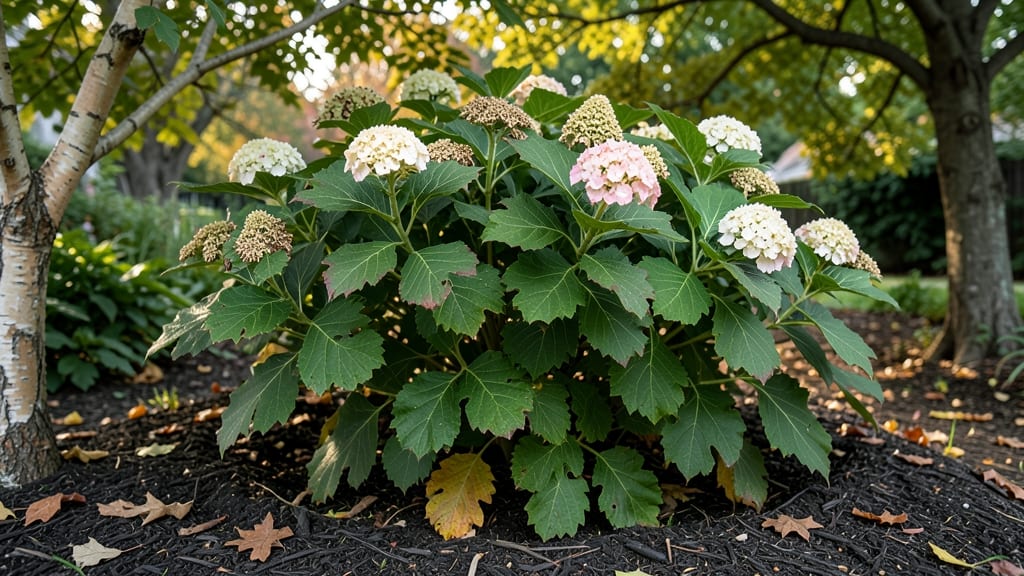
Growing oakleaf hydrangeas in sun requires the right balance of heat tolerance and shade protection to keep those stunning leaves and blooms vibrant 🌸.
Struggling to keep your oakleaf hydrangeas vibrant in hot, sunny climates? The right heat-tolerant varieties not only survive but thrive, producing stunning foliage and blooms—even under direct sun exposure.
Most gardeners assume oakleaf hydrangeas need shade, but some varieties actually crave sunlight, especially in hotter zones like 6a and beyond. The key is choosing the right cultivar and adjusting care to prevent sunburn or wilting.
In this guide, I’ll walk you through the best sun-loving varieties, how to protect your plants from heat stress, and simple tricks to maximize blooms—so you can enjoy that lush, oakleaf beauty all season long.

Best heat-tolerant oakleaf hydrangea varieties for full sun gardens
If you're dreaming of lush oakleaf hydrangeas that dazzle in full sun gardens, you're in luck! While these beauties typically prefer partial shade, certain heat-tolerant varieties like 'Snow Queen' and 'Alice' can handle 6+ hours of direct sunlight without wilting.
Their secret? Thicker leaves and deeper root systems that resist heat stress and sun scorch.
The key to success lies in selecting the right cultivar and adjusting care routines. For example, 'Pincushion' varieties thrive in hot, dry climates with minimal extra watering, while 'Little Sweetheart' offers compact size for smaller spaces.
Let’s explore the top performers and their unique traits to help you pick the perfect match for your sunny landscape.
'Snow Queen' stands out as a top choice for full sun gardens thanks to its thick, waxy leaves that reflect sunlight and reduce heat stress. This variety produces large white blooms that last from mid-summer to fall, even in USDA Zone 8 and hotter. To maximize its potential, plant it in well-draining soil with a 2-3 inch mulch layer to retain moisture.
For a compact yet bold option, 'Little Sweetheart' is perfect for small spaces or container gardening. Its dwarf size (3-4 ft) makes it ideal for patios or urban gardens, while still delivering vibrant white blooms and stunning fall foliage.
Unlike larger varieties, it requires minimal pruning—just remove dead stems in late winter.
If you're in a hot, arid climate, 'Pincushion' varieties like 'Dolce' or 'Limelight' are excellent picks. These heat-loving hydrangeas produce rounded blooms that resemble pincushions, and their drought-tolerant roots thrive with less frequent watering. Pair them with succulents or lavender for a low-maintenance, sun-drenched border.
One common misconception about oakleaf hydrangeas is that they can't handle full sun. While they do need protection from afternoon sun in extreme heat, the varieties listed above defy this rule.
The trick is to water deeply in the morning and avoid overhead sprinkling, which can lead to leaf scorch. For added protection, consider planting them near taller shrubs or trees that provide dappled shade during peak heat hours.
When selecting your oakleaf hydrangea, consider your garden's microclimate. If your area experiences intense afternoon sun, opt for 'Alice' or 'Little Sweetheart', which handle heat better than larger varieties. For southern climates
How to protect oakleaf hydrangeas from sun damage and heat stress
Oakleaf hydrangeas (Hydrangea quercifolia) are stunning shrubs with vibrant foliage, but they can struggle in hot, sunny climates. Direct sun exposure often leads to leaf scorch and reduced blooms. The key to success?
A few strategic adjustments to your watering routine, mulching practices, and soil preparation. With the right care, your oakleaf hydrangeas will not only survive but flourish under the sun.
First, understand that oakleaf hydrangeas prefer morning sun and afternoon shade. If your garden receives intense afternoon sunlight, you’ll need to shield the plant or modify its environment. Heat stress often appears as brown leaf edges or wilting, signaling it’s time to act.
Let’s break down the essential steps to protect your hydrangeas from sun damage and keep them thriving.
Apply a 3-inch layer of mulch around the base of your hydrangea. Use organic mulch like shredded bark or wood chips to retain moisture and regulate soil temperature. Replenish mulch annually to maintain protection.
Water your oakleaf hydrangea early in the morning to reduce evaporation. Aim for 1-1.5 inches of water per week, adjusting for extreme heat. Avoid overhead watering, which can promote fungal issues.
Prune in late winter or early spring to remove dead or crowded branches. This improves airflow and reduces stress. Avoid heavy pruning in summer, as it can increase vulnerability to sun damage.
Mix compost or peat moss into the soil to improve moisture retention. Oakleaf hydrangeas thrive in acidic, well-draining soil with a pH of 5.0-6.0. Test your soil annually to maintain optimal conditions.
If your hydrangea shows signs of heat stress, use a lightweight shade cloth (30-50%) during peak afternoon sun. This protects leaves while allowing indirect sunlight for photosynthesis.
Another critical tip is to avoid fertilizing during heatwaves. Fertilizer encourages new growth, which can stress the plant further in hot conditions. Instead, focus on hydration and shade during the hottest months.
I’ve found that my oakleaf hydrangeas rebound beautifully after a few weeks of extra care during summer heat.
Finally, monitor your hydrangea for signs of pests or diseases, which can exacerbate sun damage. Aphids or spider mites often thrive in stressed plants, so keep an eye out for sticky residue or webbing. A gentle spray of water or neem oil can help manage these issues naturally.
With these strategies, your oakleaf hydrangeas will not only survive but thrive in sunny conditions, delivering those showstopping blooms and vibrant foliage you love. 🌿☀️✂️